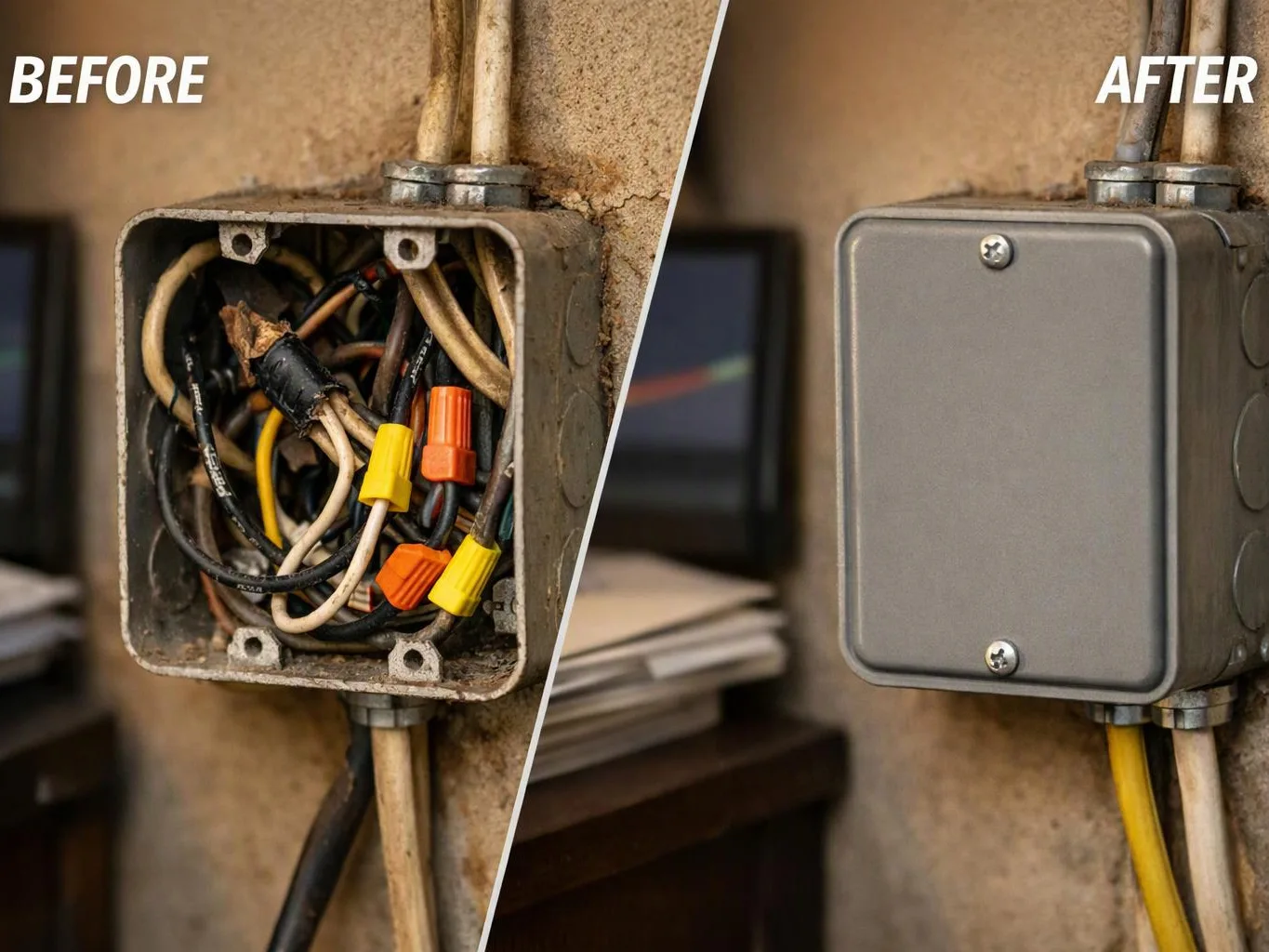
Warning Signs of Unsafe Electrical Wiring and Components
Warning signs of damaged electrical wiring include burning smells, scorch marks, hot outlets, flickering lights, buzzing, sparks, shocks, and damaged insulation; GMB Electric identifies the hazard and repairs or replaces unsafe wiring and components.
Request an EstimateWhat Warning Signs Point to Damaged Electrical Wiring?
Damaged electrical wiring can show itself through heat, burning odors, discoloration, unusual sounds, visible deterioration, or unexpected electrical behavior. GMB Electric traces these signs to the affected wiring or component and explains the needed repair.
Why Burning Smells, Heat, and Scorch Marks Need Immediate Attention
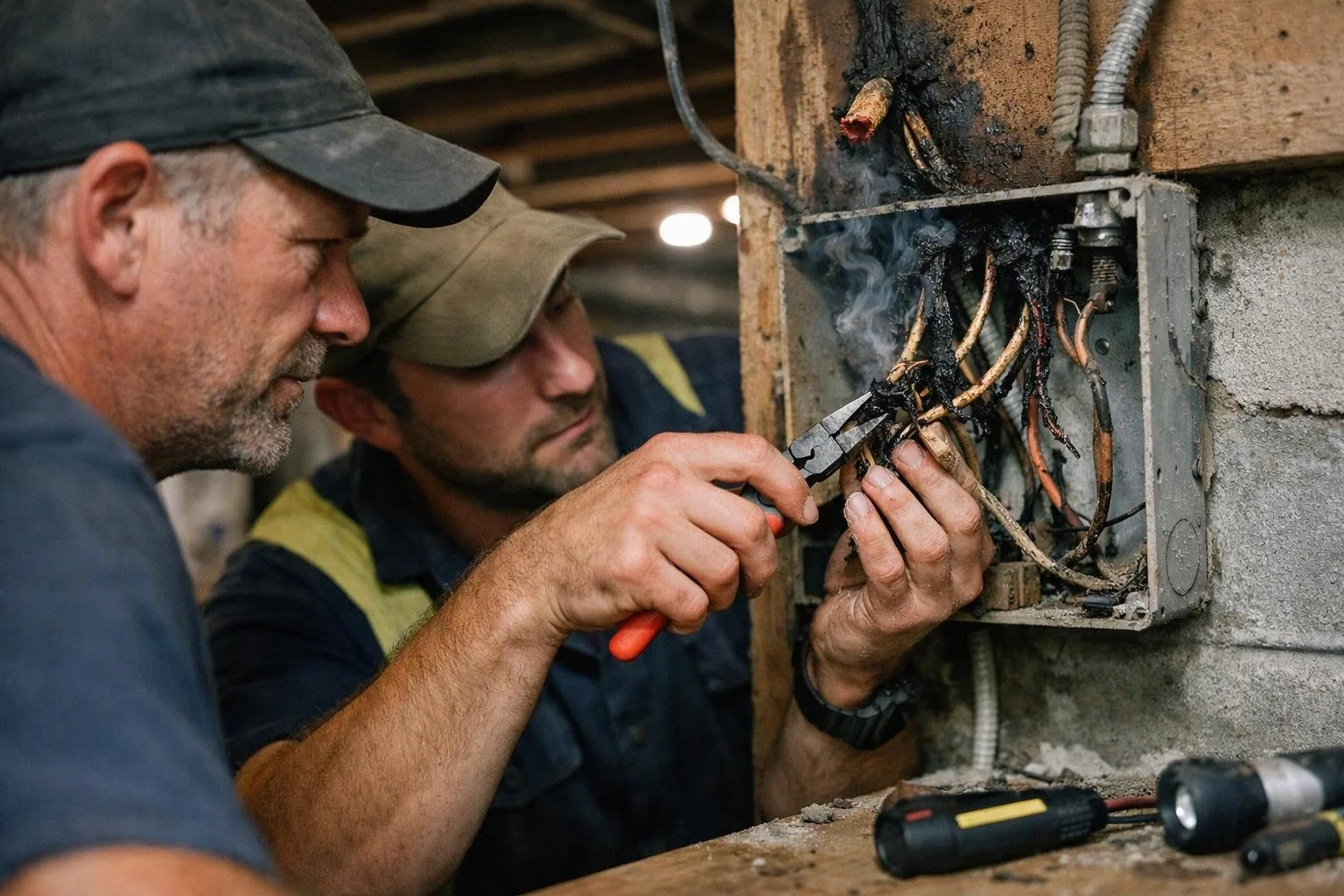
A burning smell, hot electrical component, or scorch mark can indicate overheating or arcing, so stop using the affected outlet or switch and arrange an electrical inspection. We inspect the outlet, switch, wiring connections, and circuit breaker to locate the source.
An overheated electrical component can damage nearby insulation and create a fire hazard. An electrical arc can continue at a loose or damaged connection, even when the visible mark seems small.
Keep appliances disconnected from the affected outlet when you can do so safely. If the electrical panel or circuit breaker also shows heat, smoke, or damage, keep clear and contact GMB Electric for guidance and repair.
How Older Wiring Systems Create Safety Concerns
Older wiring systems can create safety concerns when insulation has deteriorated, connections have loosened, grounding is inadequate, or the wiring cannot safely support present electrical loads. We assess the wiring condition, connections, protective devices, and circuit use before recommending repair or wiring replacement.
Older homes may contain knob and tube wiring or aluminum wiring that needs careful evaluation. Electrical insulation can become brittle, connections can loosen, and grounding may not match the needs of modern appliances.
What to Know About Knob and Tube Wiring
Knob and tube wiring is an older wiring method that uses separate conductors supported by ceramic knobs and tubes. Cloth insulation, altered splices, missing grounding conductors, and added electrical load can create safety concerns.
We inspect accessible wiring and connections to determine whether the system remains suitable for the home. When deterioration or unsafe changes are present, our team explains the scope of Knob and Tube Wiring Replacement.
What to Know About Aluminum Wiring
Aluminum wiring is an older conductor material that can require special attention at terminations and connection points. Oxidation, loose connections, and differences between aluminum and copper wiring can contribute to heat at a termination.
We examine accessible terminations and related components for signs of overheating or movement. Our findings determine whether repair, approved connection work, or Aluminum Wiring Replacement is appropriate.
What You Can Safely Do Before Electrical Repairs
You can stop using the affected electrical device, keep clear of visible damage, and switch off the circuit breaker only when doing so is safe; do not open electrical boxes or handle exposed wiring. These steps reduce contact with a possible electrical hazard while you arrange help.
Do not remove an outlet cover, switch plate, junction box cover, or electrical panel cover to investigate. We handle testing and work inside electrical boxes because hidden wiring can remain energized.
When Should You Call GMB Electric for Unsafe Wiring?
Call GMB Electric when wiring shows heat, burning odors, sparks, shocks, exposed conductors, repeated breaker trips, or damage that you cannot safely assess. We provide Electrical Wiring Repair, Electrical Safety Inspection, Outlet Repair, and related work at the circuit breaker and electrical panel.
Repeated breaker trips can indicate an overload, short circuit, damaged wiring, or a failing component. We identify the cause instead of treating the breaker trip as an isolated problem.
Prompt attention is especially important in an older home with deteriorated insulation, limited grounding, knob and tube wiring, or aluminum wiring. Our team explains the hazard and the repair or replacement options based on the condition we find.
DIY Checks and Electrical Work We Handle
You can perform limited visual and shutoff checks, while GMB Electric handles diagnosis, testing, repairs, replacements, and work inside electrical boxes. Safe homeowner checks should stop when you see exposed conductors, heat, smoke, water, or damaged components.
The table separates basic electrical safety actions from the work our crew performs. Do not use a visual check to approve wiring that has signs of overheating or electrical arcing.
| Factor | What you can do yourself | What we do |
|---|---|---|
| Electrical safety | Stop using damaged outlets, switches, appliances, and visible wiring. | We make the area safe for assessment and identify immediate hazards. |
| Visual inspection | Look for heat, discoloration, burning odors, sparks, and damaged insulation without opening anything. | We inspect relevant components, wiring connections, and accessible junction boxes. |
| Circuit breaker | Switch off the affected breaker only when the panel is safe to approach. | We test the circuit breaker and trace the circuit for faults or overload concerns. |
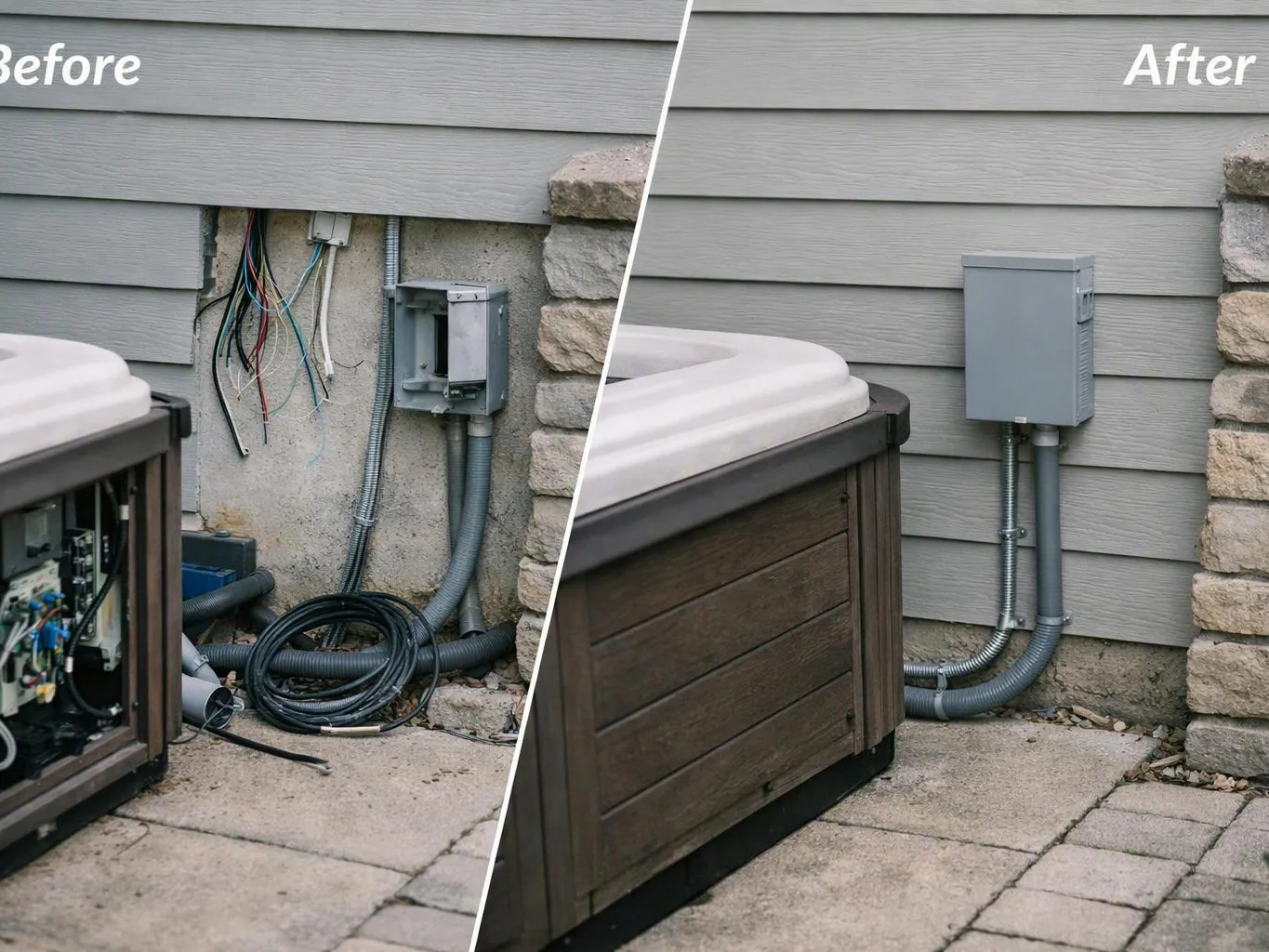
| Electrical wiring repair | Do not remove covers or handle exposed wires. | We repair or replace damaged wiring and components as needed. |
| Outlet repair | Disconnect use of a warm, loose, burned, or sparking outlet. | We diagnose the outlet and its connections before completing Outlet Repair. |
| Electrical safety inspection | Record visible signs and tell us what happened. | We perform an Electrical Safety Inspection and explain the repair scope. |
How We Assess the Cause and Scope of Electrical Damage
GMB Electric assesses the damaged component, traces the affected circuit, checks connections and protective devices, and explains whether repair or wiring replacement is appropriate. We begin with the visible symptom and then examine the related outlet, switch, junction box, circuit breaker, and electrical panel as the circuit requires.
Electrical diagnosis can reveal a loose connection, failed component, electrical arc, insulation damage, grounding concern, or excessive electrical load. We use those findings to separate a localized repair from a wider wiring problem.
Our team explains what caused the damage, which parts are affected, and what work is needed to restore safe operation. We also identify conditions that could cause the same fault to return.
What Changes the Cost of Repairing Damaged Electrical Wiring?
The cost of repairing damaged electrical wiring depends on the affected component, extent and location of damage, wiring type, circuit access, and whether repair or replacement is needed; GMB Electric provides an exact quote after assessing the work.
Repair materials and circuit configuration also affect the work. Knob and tube wiring replacement, aluminum wiring replacement, outlet repair, and localized electrical wiring repair can involve different access and connection requirements.
We review the condition of the wiring, the accessibility of the damaged area, and the repair scope before presenting the quote. Contact us to arrange an assessment and receive an exact quote for the work.
Questions About Unsafe Electrical Wiring
Can a burning smell from an outlet indicate damaged wiring?
Yes, a burning smell from an outlet can indicate damaged wiring, overheating, or an electrical arc, and GMB Electric can inspect the outlet and affected circuit. Stop using the outlet and keep clear if you see smoke, sparks, melting, or scorch marks.
Why does an electrical outlet feel warm?
A warm electrical outlet can result from a loose connection, excessive electrical load, a failing outlet, or damaged wiring. Stop using the outlet and contact us for testing when warmth continues or appears with discoloration, buzzing, or a burning odor.
What should I do if an outlet sparks?
If an outlet sparks, stop using it, move away from visible damage, and switch off the circuit breaker only when the panel is safe to approach. Contact GMB Electric for an inspection, and call emergency services if sparks become an active fire or smoke emergency.
Can flickering lights be caused by unsafe wiring?
Yes, flickering lights can be caused by unsafe wiring, loose connections, a failing switch, or an electrical load problem. We trace the affected circuit and test the related components to identify the cause.
Are knob and tube wiring and aluminum wiring unsafe in older homes?
Knob and tube wiring and aluminum wiring are not automatically unsafe, but deteriorated insulation, altered splices, poor grounding, oxidation, loose connections, and added electrical load can create hazards. We inspect the wiring and explain whether repair or replacement is appropriate.
Unsafe wiring can worsen when heat, arcing, damaged insulation, or loose connections remain in service. Contact GMB Electric to arrange an electrical assessment and discuss the safest repair or replacement path.
Contact GMB Electric for help with damaged wiring and unsafe electrical components.
Related Resources
Emergency Electrician Cost Factors: What Affects a 24-Hour Electrical Repair Quote?
What It SolvesEmergency Outlet, Switch, and Appliance Circuit Troubleshooting
What It SolvesEmergency Commercial Electrical and Lighting Troubleshooting
Everything About ItHow to Choose an Emergency Electrician in Indianapolis