Skip to content

Bidirectional Charging System Troubleshooting in Dale, Indiana

Low battery checks start bidirectional charging system troubleshooting in Dale. We test the vehicle, charger, settings, and cable before recommending the next step.

Licensed & InsuredWarranty AvailableSame-Day ServiceUpfront, Transparent Pricing

Quick Summary: Bidirectional Charging System Troubleshooting in Dale, Indiana

Bidirectional charging system troubleshooting in Dale is provided by GMB Electric for vehicle-to-home and related charging faults. The service covers low battery checks, vehicle and charger compatibility, utility settings, cable faults, and residential or commercial electrical connections.

  • What we do: GMB Electric provides bidirectional charging system troubleshooting for homes and businesses in Dale, Indiana.
  • What is included: We check low battery conditions, vehicle compatibility, charger support, utility settings, cable faults, and related electrical connections.
  • What you get: The customer receives a clear fault finding and a practical decision about repair, settings, equipment fit, or another electrical service.

What prevents bidirectional charging from starting in Dale, Indiana?

Low battery conditions, incompatible vehicles, unsupported chargers, utility settings, and cable faults can stop bidirectional charging from starting. GMB Electric checks each point and identifies the next repair or setup step.
How We Serve Clients in Dale

Bidirectional charging system troubleshooting focuses on the point where charging stops. Customers may need help when a vehicle will not accept power, a charger will not start, or the system cannot support power flow back to the property.

The main decision is whether the fault sits with the vehicle, charger, settings, cable, or electrical service. Customers who need a new circuit, panel work, or EV charging installation may need a separate electrical scope after the fault is found.

We check the system in a set order, so the repair decision follows the evidence. That helps separate an equipment problem from a property wiring problem.

  • Check the vehicle state and battery condition before deeper testing.
  • Confirm that the vehicle and charger support bidirectional operation.
  • Review charger settings and utility-related controls.
  • Inspect the charging cable and connection points for faults.
  • Test the related circuit, panel, grounding, and power supply.
  • Record the fault found and explain the next service step.
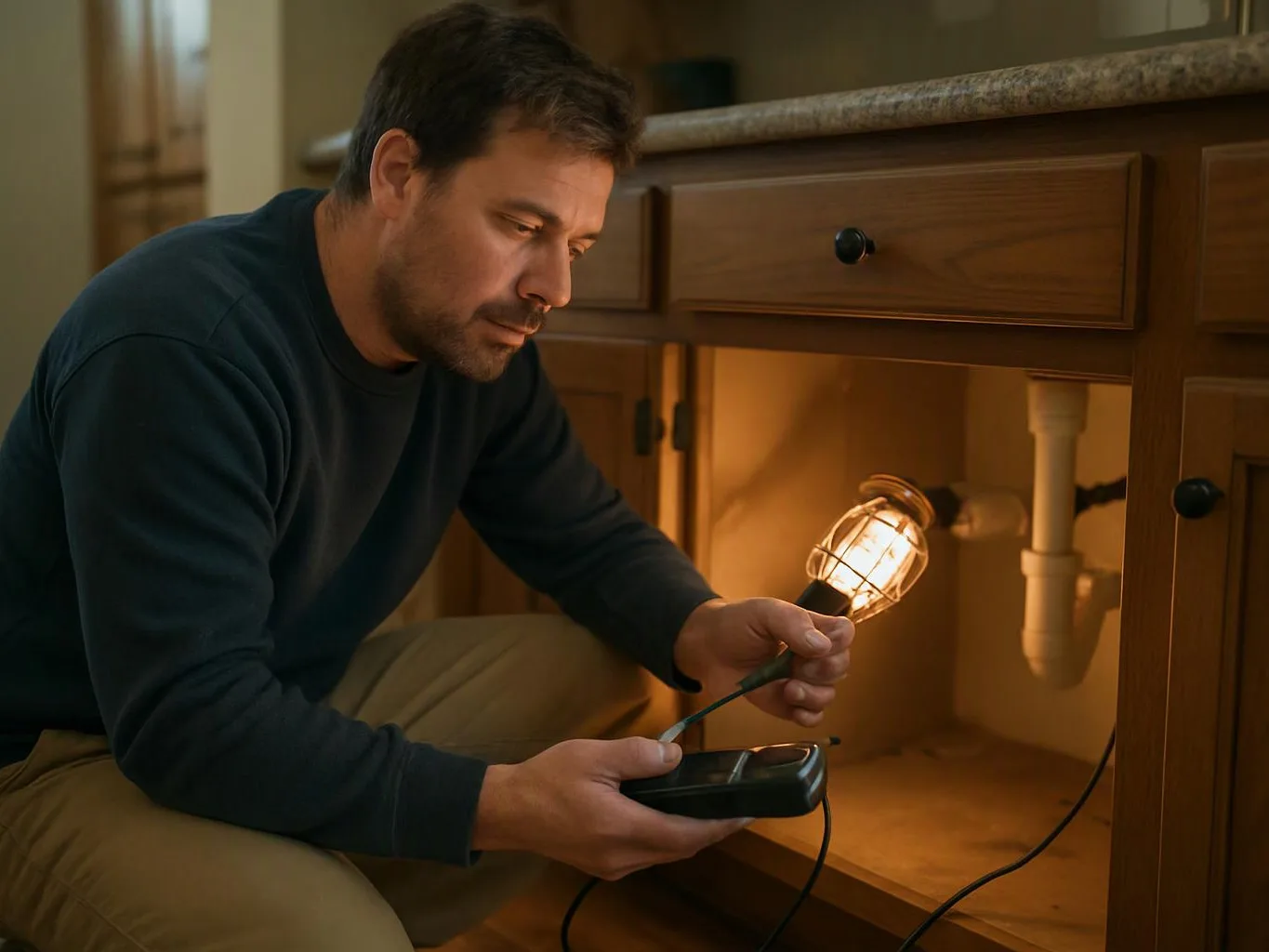
A man crouches under a kitchen sink, checking a lit bulb with a handheld meter in a wooden cabinet opening

Service Overview

Bidirectional charging system troubleshooting is a fault-finding service that checks why power cannot move between an electric vehicle, charger, and property.

  • This work differs from EV charging installation because it diagnoses an existing charging problem instead of installing a new charging circuit.
  • GMB Electric provides this troubleshooting service for residential and commercial properties in Dale.

A situation this service fits

A typical situation involves a property where the vehicle and charger appear connected, but bidirectional power flow never starts. We check the vehicle state, charger support, utility controls, cable condition, and supplying circuit. If the electrical service cannot support the equipment, we explain whether panel work or a separate installation is needed.

How We Approach Bidirectional Charging Faults

Start with the startup condition

The first check focuses on what happens when charging is requested. Customers get a direct look at the vehicle state, charger status, and visible fault message before deeper electrical testing begins.

Separate equipment from wiring

A charger fault and a property circuit fault need different next steps. We trace the connection from the vehicle to the charger and then to the electrical supply.

Know when the scope changes

This service is not the right job when the property needs a new EV charging installation, panel upgrade, or unrelated wiring repair. We identify that change during the assessment.

Process

How We Troubleshoot Bidirectional Charging

1

Check the startup condition

We note the vehicle state, charger display, warning message, and exact point where charging stops.

2

Confirm equipment support

We compare the vehicle and charger functions to confirm that both support the requested bidirectional operation.

3

Review controls and settings

We check charger controls and utility settings that may block power flow or prevent a start command.

4

Test the cable and circuit

We inspect the cable, connections, supplying circuit, panel, and grounding when the property side is involved.

5

Agree what the repair includes

We explain whether the next step involves a setting change, equipment repair, wiring work, panel service, or separate installation.

What Bidirectional Charging Troubleshooting Includes

GMB Electric provides comprehensive Bidirectional charging system troubleshooting in Dale. Here's what you get:

  • We check the vehicle and charging system for conditions that prevent startup.
  • We compare the vehicle's bidirectional capability with the charger's supported function.
  • We review charger controls and utility settings that affect power flow.
  • We inspect the cable, plug, and connection points for visible or testable faults.
  • We test the related electrical circuit and panel connections when property power is involved.
  • We explain whether the next step is a repair, setting change, equipment review, or separate electrical service.

What This Troubleshooting Changes for the Customer

You get a fault-based explanation instead of a guess about why charging will not start.

Testing separates vehicle and charger limits from wiring, circuit, or panel problems.

The findings help you decide whether to repair existing equipment or plan another electrical service.

A clear scope helps residential and commercial customers prepare for the next step.

Safety concerns around damaged cables, loose connections, or abnormal panel signs receive direct attention.

Charging Fault Sources and Next Steps

The likely fault source guides the first check and the service decision.

Fault sourceWhat we checkLikely next scope
Vehicle compatibilityVehicle function and supported bidirectional modeEquipment review or vehicle-side correction
Charger supportCharger function, controls, and fault displayCharger repair, setting change, or equipment review
Utility settingsControl settings that permit or block power flowSetting correction or utility-related review
Cable faultCable condition and connection pointsCable repair or replacement assessment
Property circuitCircuit, panel, grounding, and power supplyElectrical repair, panel service, or separate installation

The GMB Electric Standard

  • Urgent Assistance
  • Problem Diagnosis
  • Safe Repairs
  • Clear Communication

Questions About Bidirectional Charging Faults

What prevents bidirectional charging from starting?

Low battery conditions can prevent bidirectional charging from starting. GMB Electric also checks vehicle compatibility, charger support, utility settings, and cable faults because each can block the start command.

We compare the warning shown with the system response, then test the related electrical supply when needed. A damaged cable or hot connection should stay out of use until we assess it.

What should be checked before troubleshooting is scheduled?

Vehicle status, charger status, warning messages, cable condition, and the last point where charging worked should be checked first.

Write down what the system does after you connect the cable. Photos of the charger display and connection can help us understand the fault before the assessment, but do not handle damaged equipment.

Who is a good fit for this troubleshooting service?

Homeowners and businesses with an existing bidirectional charging system are good fits for this service.

We check startup failures, interrupted power flow, equipment mismatch, settings, cables, and related circuits. A customer seeking a new charger, new circuit, or panel upgrade needs an installation or electrical upgrade scope instead.

What happens at each stage of the troubleshooting visit?

The visit moves from symptom review to equipment checks, control review, cable testing, circuit testing, and a defined next step.

  • We record the vehicle and charger response.
  • We check compatibility and charger support.
  • We review settings and inspect the cable.
  • We test the property circuit when required.
  • We explain the repair or separate service needed.

Which part of the system changes the quote?

The fault location changes the quote because equipment checks differ from cable, circuit, panel, or wiring work.

Access also matters when the charger or electrical panel cannot be reached safely. We explain the scope before work proceeds, and we provide a quote based on the testing and repairs required.

When should a charging fault be treated as urgent?

A burning smell, sparking connection, buzzing panel, or warm outlet makes the electrical fault urgent.

Turn off use of the affected equipment if it is safe to do so. Do not remove covers or handle damaged cables, and request urgent electrical service for the hazard.

Why can a working charger still fail at the property?

A working charger can fail at the property when utility settings, circuit capacity, grounding, or panel connections block power flow.

We test the property side after checking the vehicle and charger. That helps show whether the equipment needs repair or the electrical service needs a separate correction.
Contact

Request a Quote for Bidirectional Charging Troubleshooting in Dale

Share the charging fault and equipment details, and urgent requests get priority scheduling.

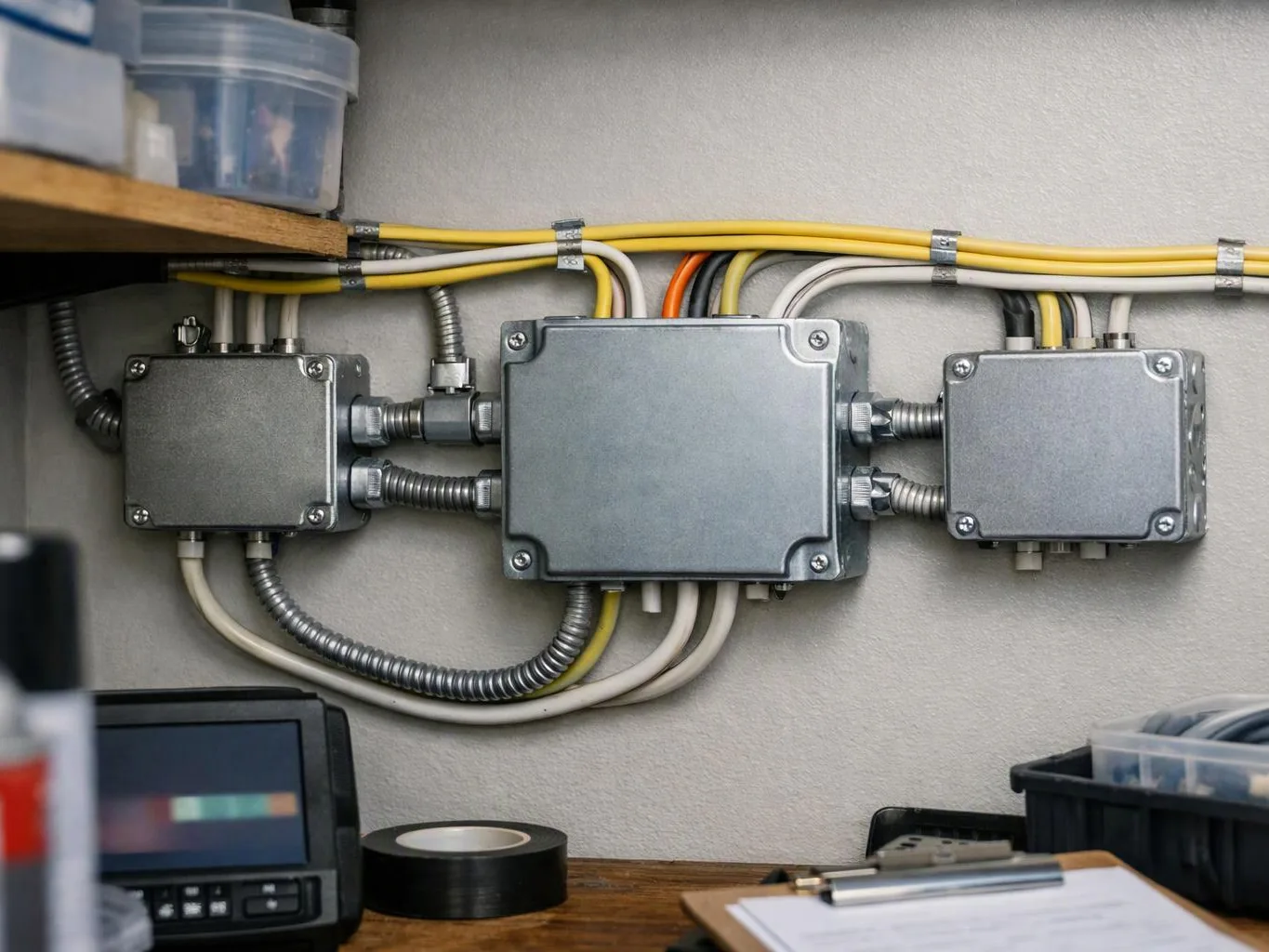
Three gray electrical junction boxes are mounted on a wall and linked by bundled wires and conduit with tools nearby

Bidirectional charging system troubleshooting in Other Areas

(317) 608-1220