Skip to content

Bidirectional Charging System Troubleshooting in Ingalls, Indiana

Communication failure can stop power transfer in Ingalls. We trace the charger, inverter, transfer relay, and control signals to find the fault.

Licensed & InsuredWarranty AvailableSame-Day ServiceUpfront, Transparent Pricing

Quick Summary: Bidirectional charging system troubleshooting in Ingalls, Indiana

Bidirectional charging system troubleshooting in Ingalls is provided by GMB Electric for homeowners and businesses. The work covers power-transfer faults, charger communication, inverter checks, and related electrical troubleshooting through our 24-hour service.

  • What we do: GMB Electric provides Bidirectional charging system troubleshooting for residential and commercial properties in Ingalls, Indiana.
  • What is included: Key capabilities include tracing communication faults, checking grid settings, reviewing inverter fault codes, testing transfer relays, and checking firmware-related issues.
  • What you get: The customer receives a clear diagnosis and a defined next step for restoring or correcting power transfer.

Why is my bidirectional charger not transferring power?

A communication failure is a leading reason a bidirectional charger won't transfer power. Grid settings, an inverter fault, a transfer relay, or firmware can also stop the transfer. We check the charger connection and related electrical controls before recommending repair, reset, or further testing.
Bidirectional charging system troubleshooting for Ingalls properties

Bidirectional charging system troubleshooting focuses on the point where power transfer stops. The job may involve the charger, communication path, grid settings, inverter, transfer relay, or firmware.

The key decision is whether the fault sits in the charging equipment or the property's electrical system. We isolate the fault, document what we find, and explain whether the next step is a repair, equipment service, or broader electrical inspection.

This page serves buyers who already have a bidirectional charging setup and need a focused diagnosis. It is not a replacement for a new EV charging installation when no charger or transfer system exists.

  • Confirm whether the charger starts a transfer cycle.
  • Check communication between the charger, vehicle, inverter, and controls.
  • Review grid settings and active inverter fault codes.
  • Test the transfer relay and related wiring.
  • Check whether firmware issues block the transfer sequence.
  • Separate equipment faults from property wiring concerns.
Gloved hands remove a dirty cylindrical air filter from a machine and fit a clean one in a workshop

Service Overview

Bidirectional charging system troubleshooting is a diagnostic service that finds why power will not move between a vehicle, charger, and property.

  • It differs from standard EV charging installation because we trace a failed power-transfer sequence, not only the supply circuit.
  • GMB Electric provides this troubleshooting service for homes and businesses in Ingalls.

What this troubleshooting work changes for the customer

You learn whether the problem starts in the charger, inverter, relay, controls, or property wiring.

A focused diagnosis helps separate a repair decision from a full electrical upgrade decision.

Testing can identify a communication fault that a simple power reset does not resolve.

The findings give homeowners and businesses a clearer basis for equipment service or electrical repair.

You receive practical recommendations tied to the condition we find.

What bidirectional charging troubleshooting includes

GMB Electric provides comprehensive Bidirectional charging system troubleshooting in Ingalls. Here's what you get:

  • We inspect the charger and the connected electrical equipment for signs of a transfer fault.
  • We trace the communication path between the charger, vehicle, inverter, and control system.
  • We check grid settings that affect how the system accepts or sends power.
  • We review inverter fault information and test the transfer relay when it is part of the fault path.
  • We check firmware-related symptoms and record the condition found during testing.
  • We explain the repair scope or next electrical service step before work proceeds.
Process

Steps we use to diagnose power-transfer problems

1

Record the transfer symptom

We note what the charger does, when the fault appears, and whether the vehicle or property receives any power.

2

Trace charger communication

We check the communication path between the charger, vehicle, inverter, and control equipment.

3

Check grid settings

We review the settings that control how the system connects with the property's electrical supply.

4

Test inverter and relay action

We review inverter fault information and test the transfer relay when those parts match the reported symptom.

5

Check firmware-related faults

We look for firmware symptoms that could block the transfer sequence or prevent equipment from working together.

6

Explain the repair path

We describe the fault found, the work that fits it, and any further electrical service the property may need.

How we approach bidirectional charging system faults

Trace the transfer path

We follow the power and control path from the charger to the property system. The decision is based on testing, not the warning message alone.

Separate equipment from wiring

A charger fault and a property wiring fault need different next steps. We check the connected electrical system so the repair scope stays focused.

Know when another service fits

This service is the wrong starting point when no bidirectional equipment exists or the property needs a new charging installation. In that case, we discuss the electrical work that fits the project.

Which service fits the charging problem?

The existing equipment and the failed function determine which electrical service fits the job.

Service optionWhen it fitsMain focus
Bidirectional charging system troubleshootingAn existing system will not transfer powerFind the failed control, equipment, or wiring point
EV charging installationA new charger or charging circuit is neededPlan and install the electrical supply
Electrical panel serviceThe panel, breaker, or available load limits the setupInspect or repair the property's distribution equipment

The GMB Electric Standard

  • Urgent Assistance
  • Problem Diagnosis
  • Safe Repairs
  • Clear Communication

Questions about bidirectional charging system faults

What should I ask before agreeing to this troubleshooting work?

The most useful questions concern the fault being tested, the equipment included, and the next decision after diagnosis. Ask which charger, inverter, relay, and wiring connections will be checked. Ask how the findings will separate equipment service from property electrical work. We explain the scope and quote before work proceeds.

Which property condition can change the time needed for diagnosis?

Limited access to the charger, inverter, transfer relay, or electrical panel can change the diagnostic work. Recent wiring changes can also add circuit tracing. We need safe access to the connected equipment and enough information to follow the transfer path. The equipment layout and fault location determine the work involved.

How is the troubleshooting matched to my property?

The system layout, connected load, charger type, inverter, and transfer controls determine the diagnostic path. We review how the equipment connects to the property before testing begins. A home and a business may present different access and load conditions, so we keep the checks tied to the actual electrical setup.

When does a transfer relay become part of the repair decision?

A transfer relay becomes part of the repair decision when the control signal reaches it but the power path does not change as expected. We test the relay and its related connections before defining the scope. A relay fault may call for equipment repair, while a wiring fault can require electrical service at the property.

What information should I share before scheduling the assessment?

The most useful information includes the charger warning, inverter message, vehicle status, and the point where power transfer stops. Tell us whether the system worked before and whether electrical or firmware changes happened recently. Photos of visible screens and equipment labels can help us understand the setup before the assessment.
Contact

Request a quote for charging system troubleshooting in Ingalls

Tell GMB Electric what the charger is doing, and urgent requests get priority scheduling.

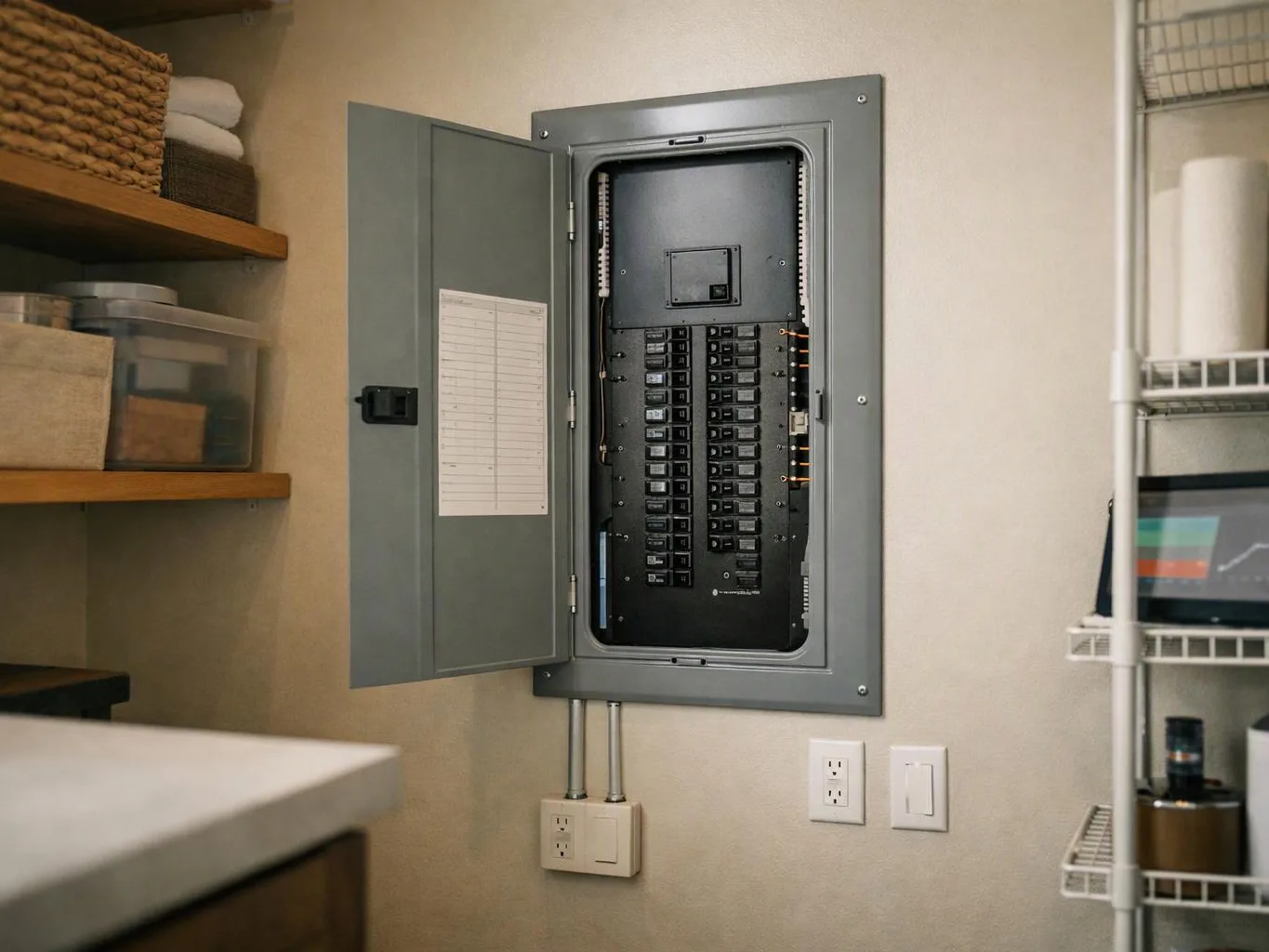
An open electrical breaker panel hangs on a beige wall beside shelves and a countertop in a utility room

ZIP Codes We Serve in Ingalls, Indiana

46048

Bidirectional charging system troubleshooting in Other Areas

(317) 608-1220