Skip to content

Bidirectional Charging System Troubleshooting in Whiteland, Indiana

Checking the low battery condition helps explain why bidirectional charging will not start in Whiteland. We inspect the charging path and identify the next safe step.

Licensed & InsuredWarranty AvailableSame-Day ServiceUpfront, Transparent Pricing

Quick Summary: Bidirectional Charging Troubleshooting in Whiteland, Indiana

Bidirectional charging system troubleshooting in Whiteland is provided by GMB Electric for homes and businesses. The service checks charging faults, vehicle and charger compatibility, utility settings, and cables as part of our 24-hour electrical service.

  • What we do: GMB Electric provides Bidirectional charging system troubleshooting for homes and businesses in Whiteland, Indiana.
  • What is included: We check low battery conditions, vehicle compatibility, charger support, utility settings, and cable faults.
  • What you get: The customer receives a clear diagnosis of what prevents charging from starting and which electrical step comes next.

Why does bidirectional charging keep failing to start?

A low battery can prevent bidirectional charging from starting, but vehicle compatibility, charger support, utility settings, and cable faults can also stop the session. We check those points in order and explain whether the problem needs electrical repair, equipment changes, or follow-up with the vehicle or charger manufacturer.
Working With Our Team in Whiteland

This service is for a vehicle or charger that will not begin bidirectional power flow. The main decision is whether the fault sits with the vehicle, charger, cable, utility settings, or the property electrical system.

We start with the charging symptoms and available equipment details. Then we test the electrical path and explain whether repair, equipment support, or a manufacturer check fits the finding.

The work is different from a general emergency electrical call because the charging system must be checked as a connected set. A panel, outlet, disconnect, or circuit issue can affect the result, but the vehicle and charger must also support the intended function.

  • Record the warning message or fault code shown by the vehicle or charger.
  • Confirm whether the vehicle battery has enough charge for the session to begin.
  • Identify the charger, cable, vehicle connection, and property circuit involved.
  • Check whether utility settings or the electrical supply block the charging command.
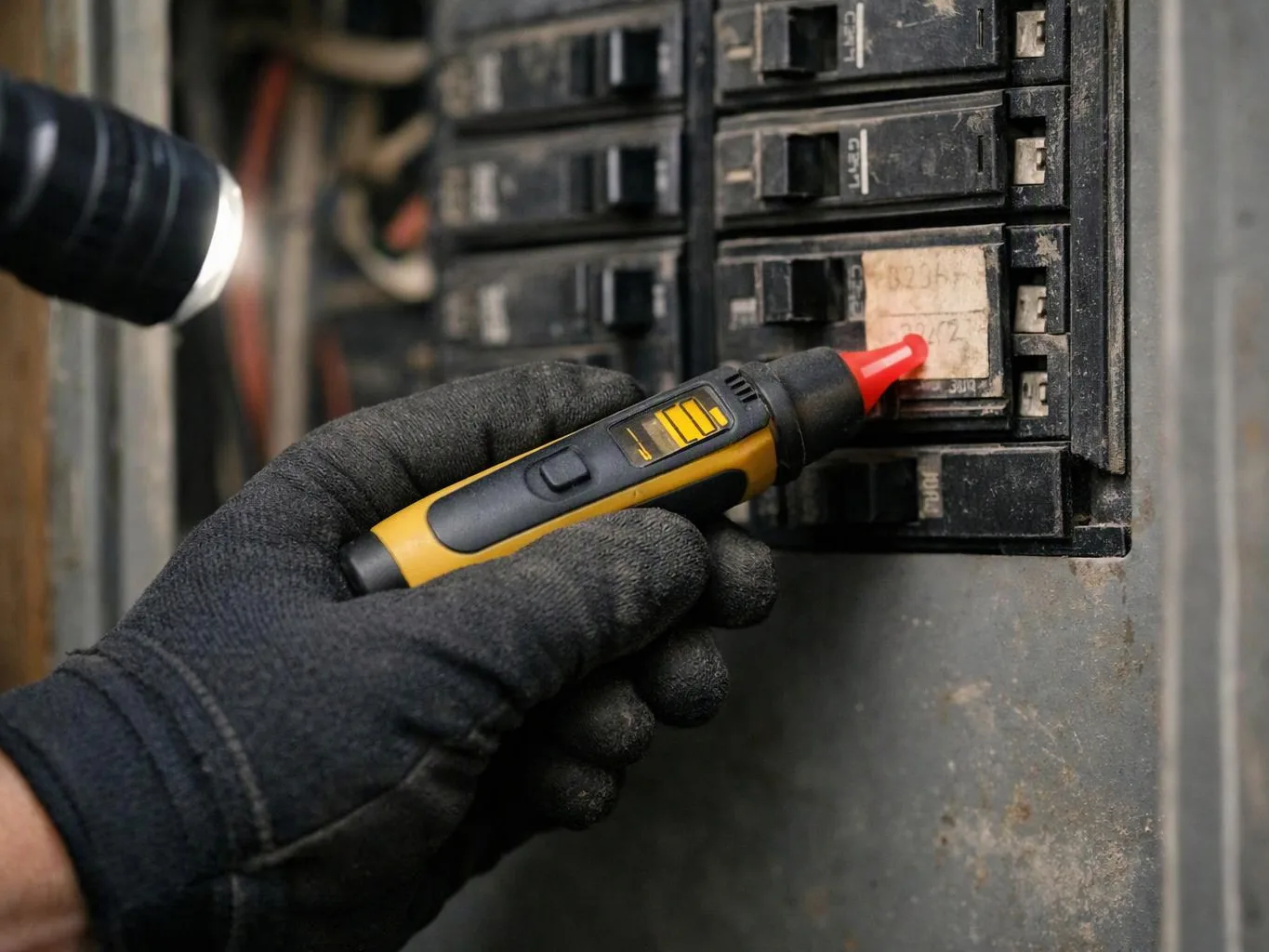
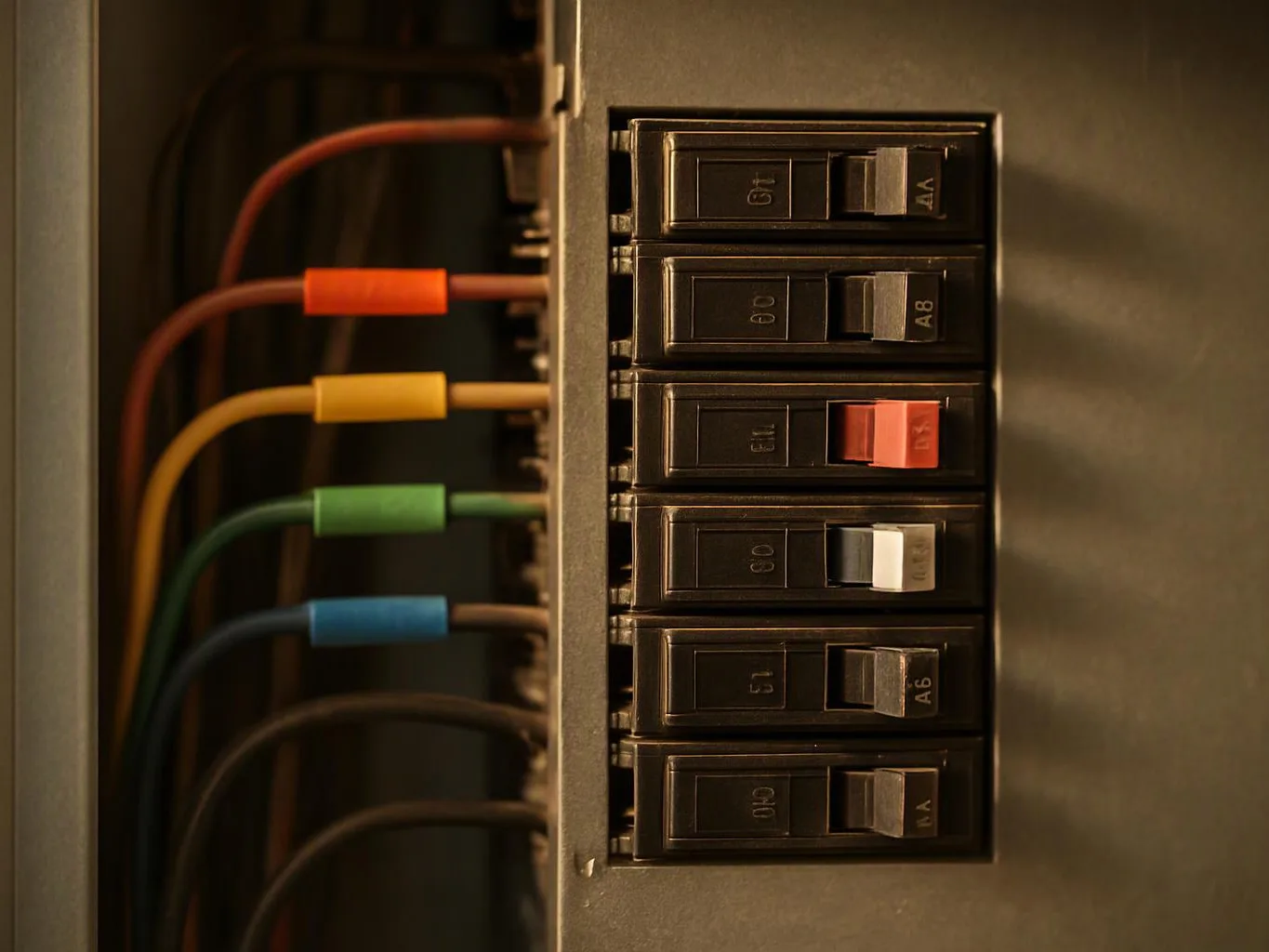
Close-up of an electrical breaker panel with colored wires on the left and labeled switches on the right

Service Overview

Bidirectional charging system troubleshooting is a service that finds why power cannot move between a vehicle, charger, and property.

  • The work differs from standard EV charging installation because it diagnoses a failed power exchange instead of setting up a new charging circuit.
  • GMB Electric provides this troubleshooting for homes and businesses in Whiteland.

What This Charging Diagnosis Helps You Decide

A structured check separates a low battery issue from an electrical fault.

The findings show whether the property circuit is part of the problem.

Compatibility checks help prevent an unsuitable charger or vehicle setup from being treated as a wiring repair.

Cable and connection testing can identify a fault before more equipment is changed.

You receive clear recommendations for the next step.

How We Approach Charging System Faults

Start with the failed charging command

The first check follows the exact point where charging stops, such as a warning, inactive connector, or failed power transfer. We then test the related parts instead of treating every symptom as a panel problem.

Separate equipment from property faults

Vehicle compatibility and charger support matter as much as the circuit. We compare those conditions with the cable, disconnect, and electrical supply so the repair scope stays tied to the actual fault.

Know when another party must act

This service is the wrong fit when the vehicle or charger lacks the needed bidirectional feature and no electrical fault exists. We explain that limit so you can seek the correct equipment or manufacturer support.

A situation this service fits

A hypothetical Whiteland homeowner sees the charger power up but the bidirectional session never begins. We would check the vehicle battery state, charger support, cable connection, utility settings, and property circuit before deciding whether the issue needs electrical work or equipment support.

Process

How We Check a Bidirectional Charging Fault

1

Record the charging symptom

We note the warning message, failed start point, vehicle state, and charger response before changing the setup.

2

Check vehicle and charger support

We confirm that the connected vehicle and charger support the intended bidirectional function and review the controls that govern it.

3

Inspect the cable and connections

We examine the cable, plug, connection points, disconnect, and visible electrical condition for a fault that interrupts the session.

4

Trace the property circuit

We follow the circuit to the panel and test whether the electrical supply, grounding, and related equipment support the charging command.

5

Explain the repair scope

We share the finding and recommend the next step, which may involve electrical repair, equipment support, or a compatibility decision.

What Bidirectional Charging Troubleshooting Includes

GMB Electric provides comprehensive Bidirectional charging system troubleshooting in Whiteland. Here's what you get:

  • We inspect the vehicle and charger symptoms that appear when power flow will not start.
  • We check the cable, connection points, circuit, disconnect, and related electrical equipment.
  • We assess whether the vehicle and charger support the intended bidirectional function.
  • We review utility settings and charging controls when they affect the start command.
  • We trace the fault and explain the repair or follow-up step that matches the finding.

Charging Fault Sources Compared

These fault sources require different checks, so the first symptom helps set the inspection path.

Possible fault sourceWhat we checkLikely next decision
Low batteryVehicle charge state and start conditionsConfirm the vehicle can begin the session
Incompatible vehicleVehicle support for bidirectional chargingSeek compatible equipment or manufacturer guidance
Unsupported chargerCharger function and supported operating modeConfirm equipment support before electrical changes
Utility settingsCharging controls and permitted power flowReview settings with the responsible provider
Cable faultCable, plug, contacts, and connection responseRepair or replace the faulty charging equipment

The GMB Electric Standard

  • Urgent Assistance
  • Problem Diagnosis
  • Safe Repairs
  • Clear Communication

Questions About Charging System Faults

What prevents bidirectional charging from starting?

A low battery can prevent bidirectional charging from starting. We also check vehicle compatibility, charger support, utility settings, and the cable because each can block the start command. The inspection follows the first failed point and separates an electrical repair from an equipment or manufacturer issue.

What should be ready before troubleshooting starts?

The vehicle, charger, cable, warning message, and access to the electrical panel should be ready. Photos of the charger display and connection can help describe the fault before the visit. We use those details to focus the inspection on the failed charging path.

Which property condition changes the work time?

Restricted access to the charger, disconnect, panel, or cable connection can add inspection steps. A circuit that is not clearly identified can also require circuit tracing before testing continues. We check access and equipment layout first so the quote reflects the actual work.

What should I ask before agreeing to this troubleshooting?

Ask which parts will be tested, whether the vehicle and charger support bidirectional use, and what the assessment includes. We explain the suspected fault, the electrical work involved, and any equipment issue that falls outside our repair scope before work begins.

How does a cable fault affect the diagnosis?

A cable fault can interrupt the start signal even when the vehicle and charger appear ready. We inspect the plug, contacts, cable condition, and connection response before treating the panel as the cause. The cable may need equipment support if testing shows the property circuit is sound.

Why do utility settings matter during a charging test?

Utility settings can control when bidirectional power is allowed to start or export. We review the relevant charging controls and compare them with the vehicle and charger response. If the property wiring passes testing, the next step may involve changing an approved setting or contacting the equipment provider.
Contact

Request a Quote for Charging System Troubleshooting

Get a quote for bidirectional charging system troubleshooting in Whiteland, and urgent requests get priority scheduling.

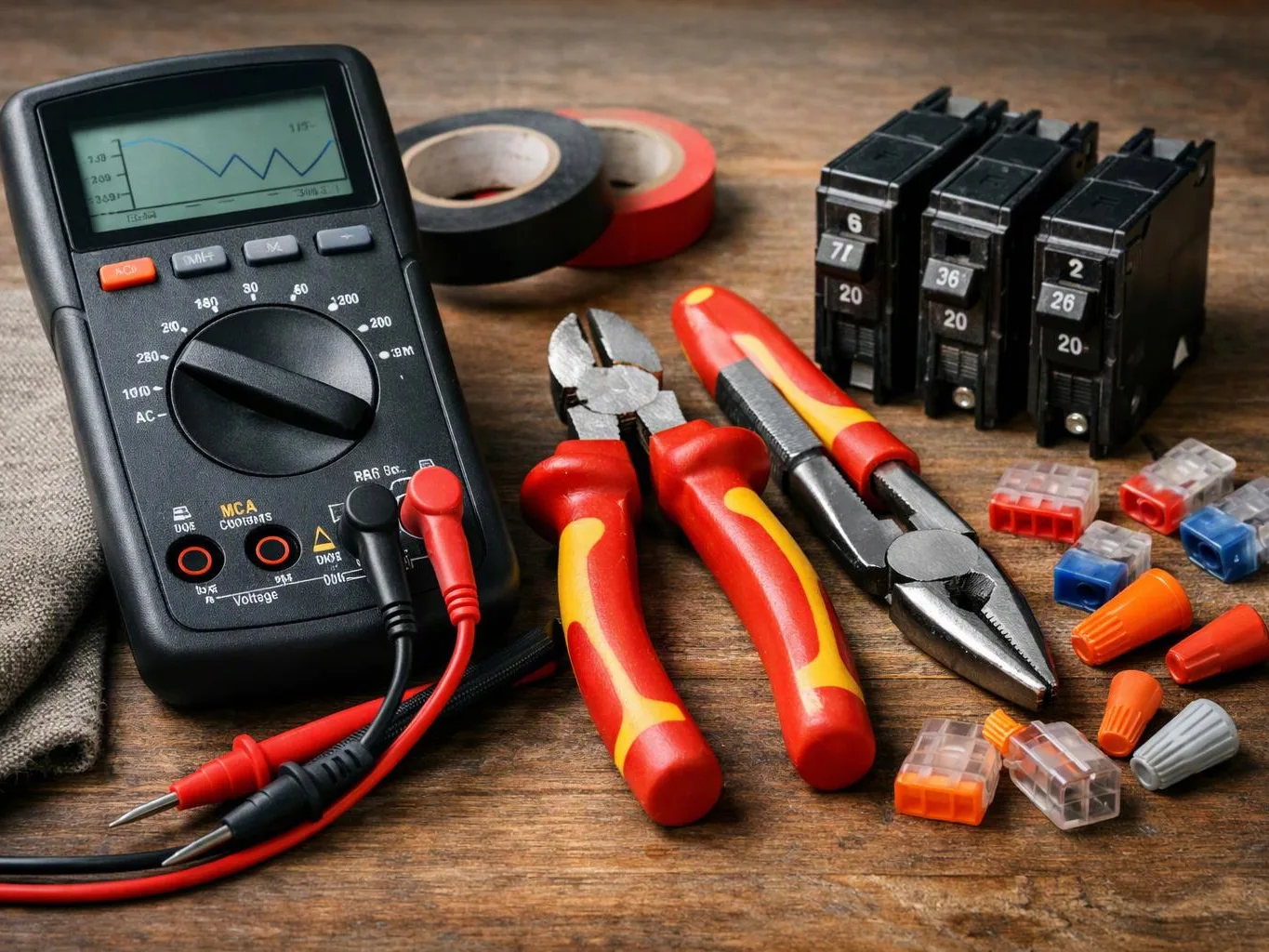
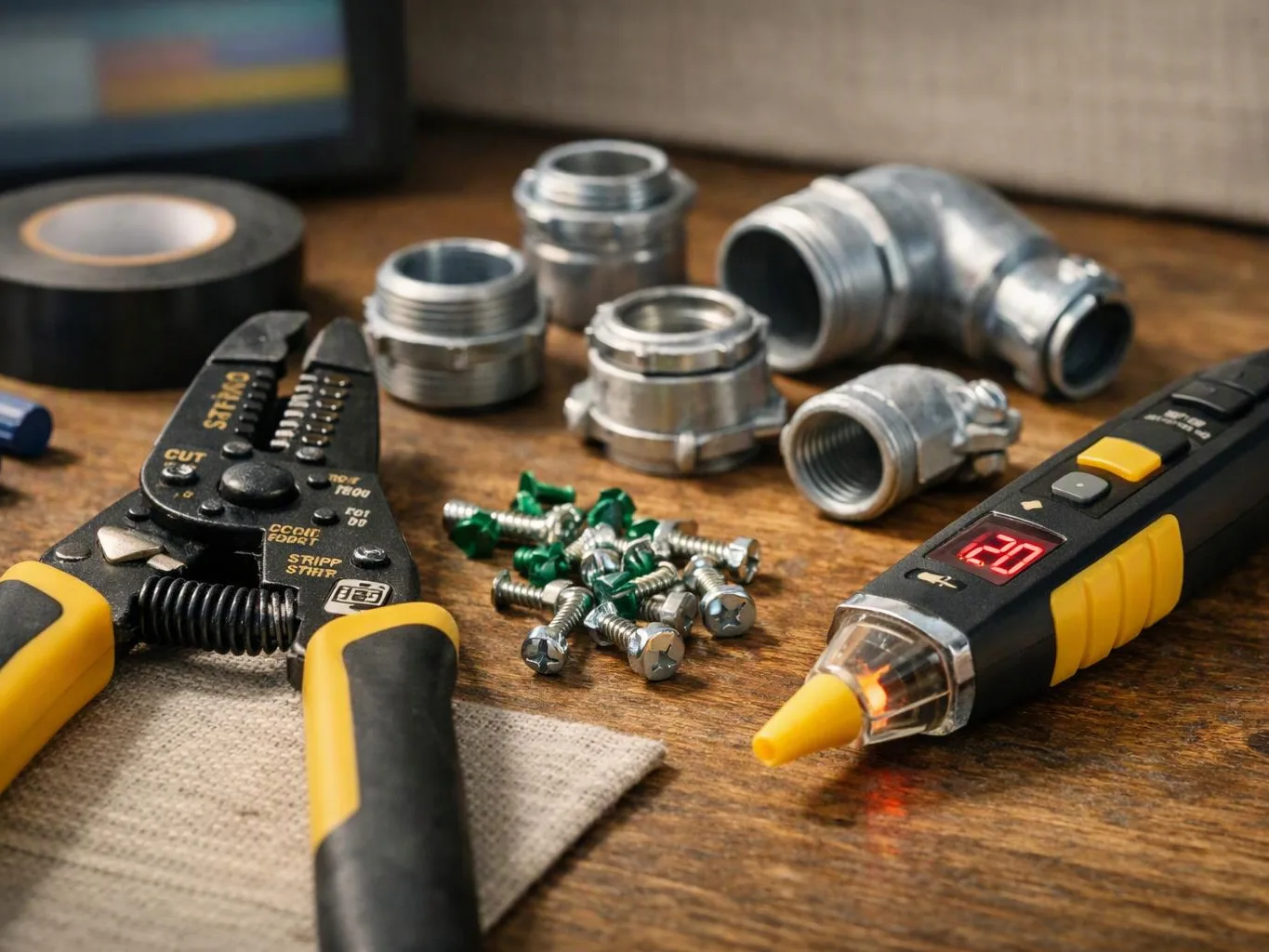
Wire strippers, a voltage tester, conduit fittings, and screws sit on a wooden workbench

ZIP Codes We Serve in Whiteland, Indiana

46184

Bidirectional charging system troubleshooting in Other Areas

(317) 608-1220