Identify the affected circuit
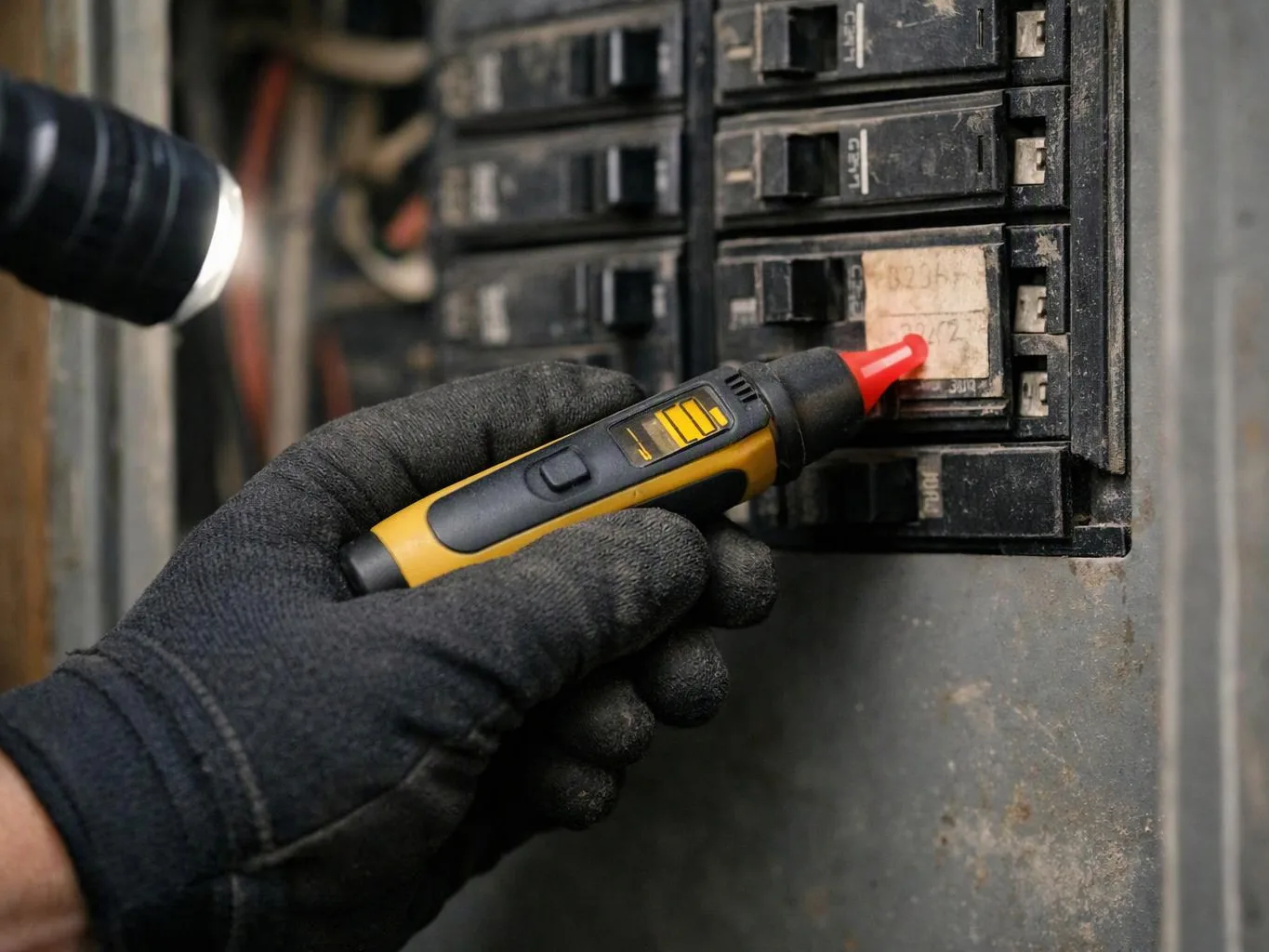
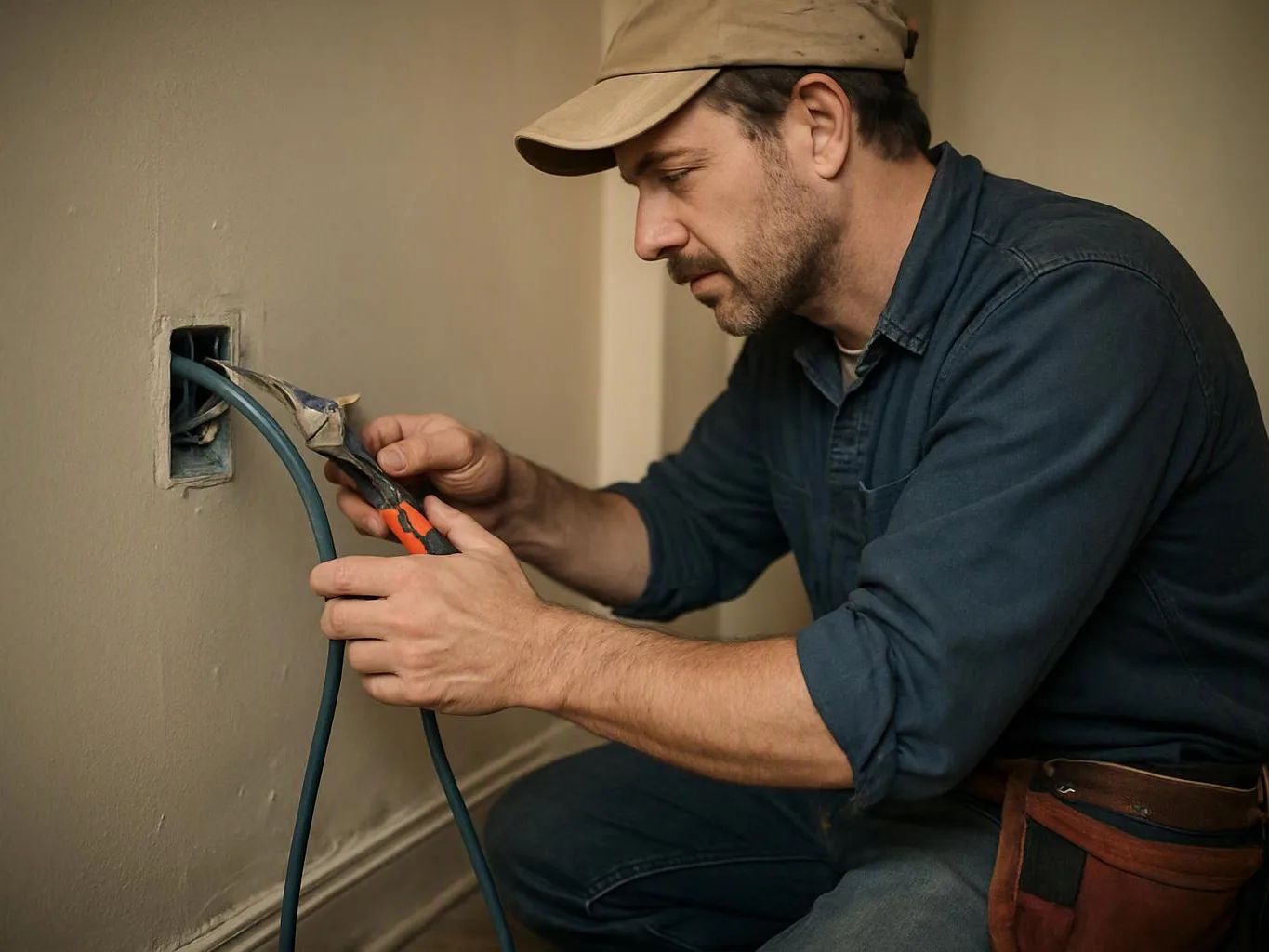
We ask what lost power and inspect the panel label, breaker position, outlets, and connected equipment.
A tripping breaker can point to a fault, overload, or failed breaker. We check the circuit and panel so you get a safe repair path.
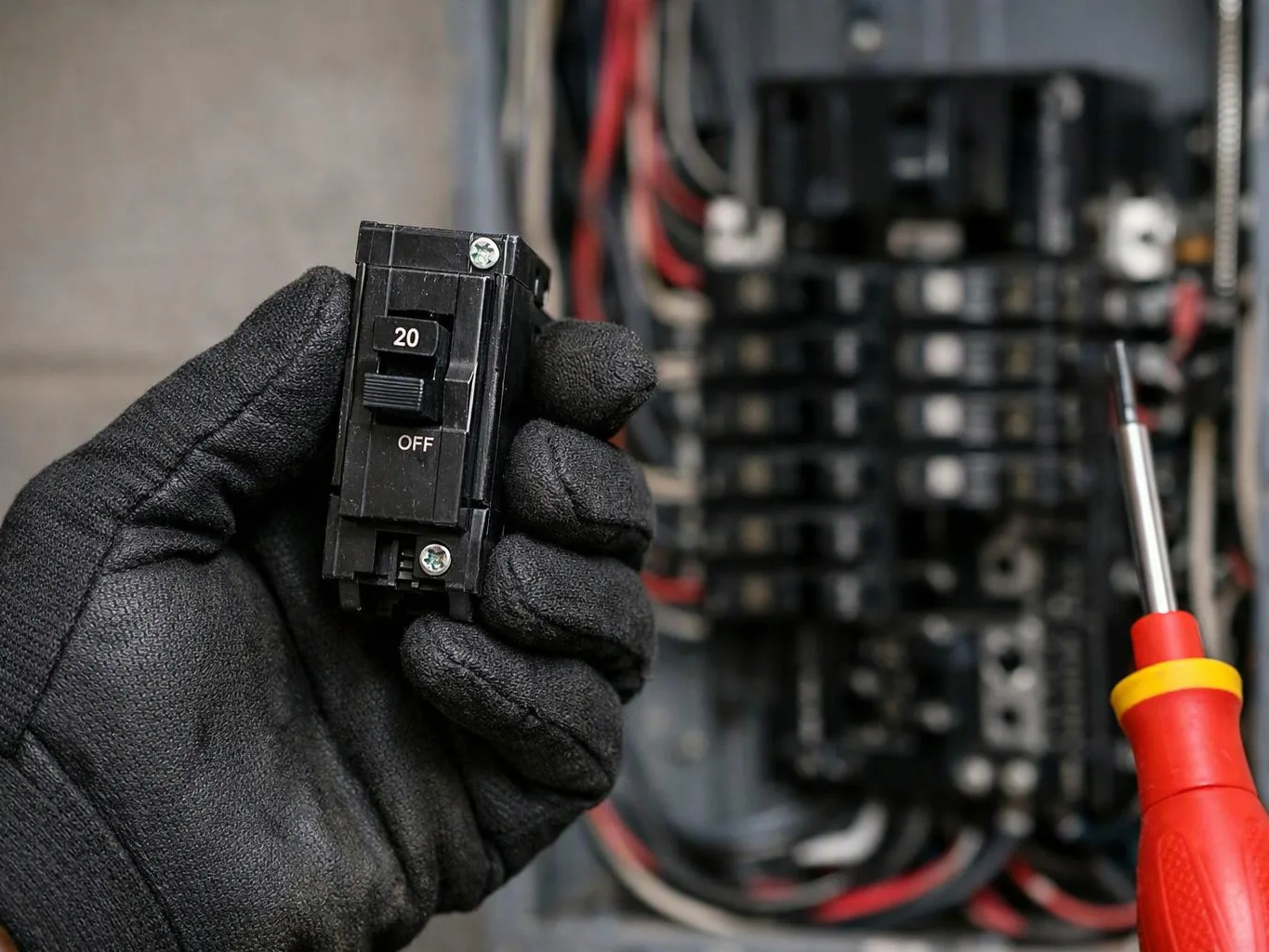
A working breaker helps restore power to the affected circuit.
Testing identifies whether the fault sits in the breaker, wiring, or connected load.
A clear repair decision helps you plan for a breaker replacement or panel work when needed.
Circuit breaker repair is electrical service that identifies and corrects a breaker, circuit, or connection fault.
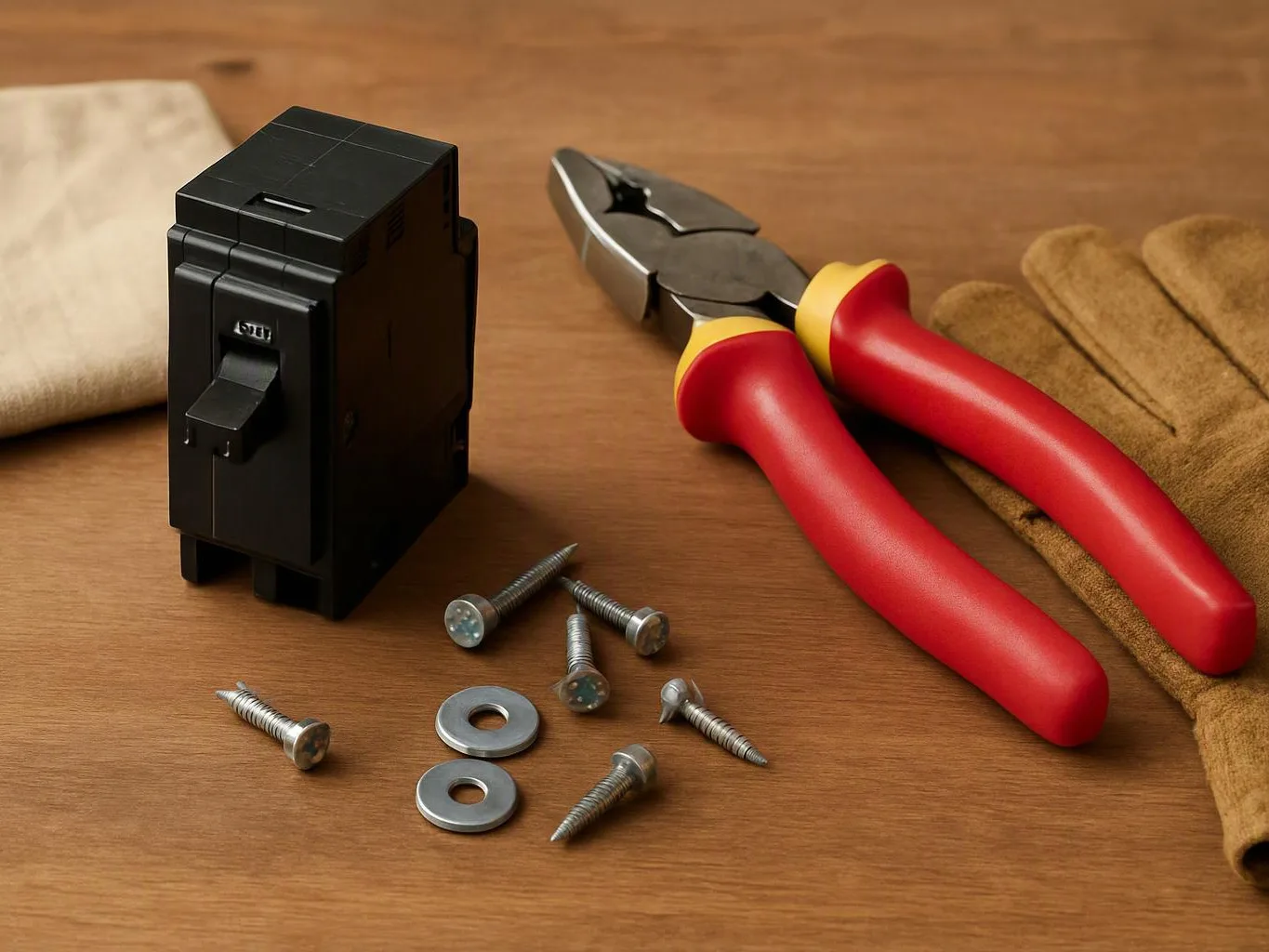
Circuit breaker repair starts with the symptom. We identify which circuit is affected, inspect the breaker and connections, then test for faults that could cause another trip. The repair may involve a failed breaker, a loose terminal, damaged wiring, or a circuit that carries too much load. We don't choose a replacement by appearance alone. Breaker type, circuit wiring, panel fit, and measured conditions all matter. A reset is not a complete repair when the breaker trips again. We test the circuit after the work and explain whether the result supports repair, replacement, or a wider panel review.
We ask what lost power and inspect the panel label, breaker position, outlets, and connected equipment.
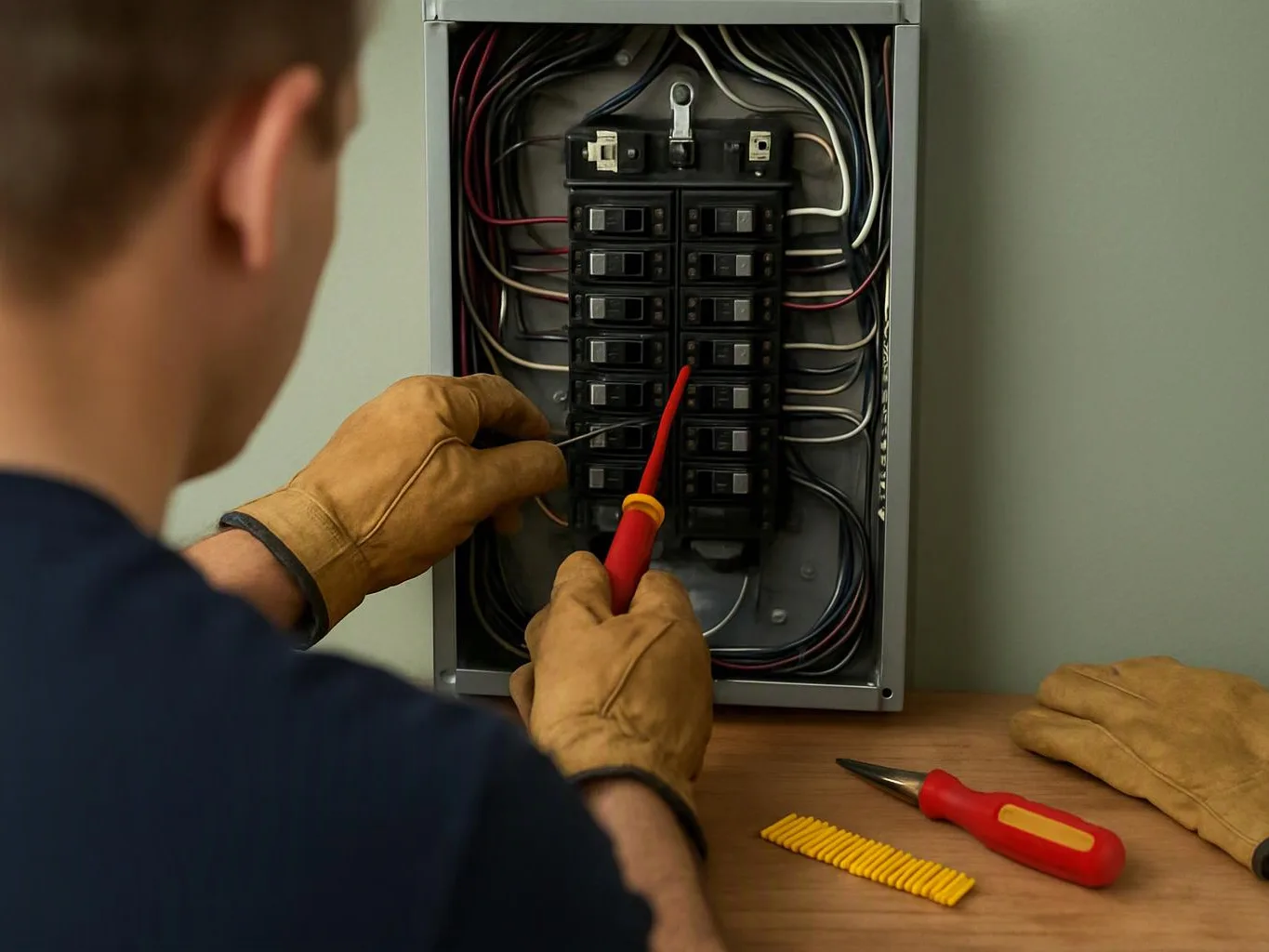
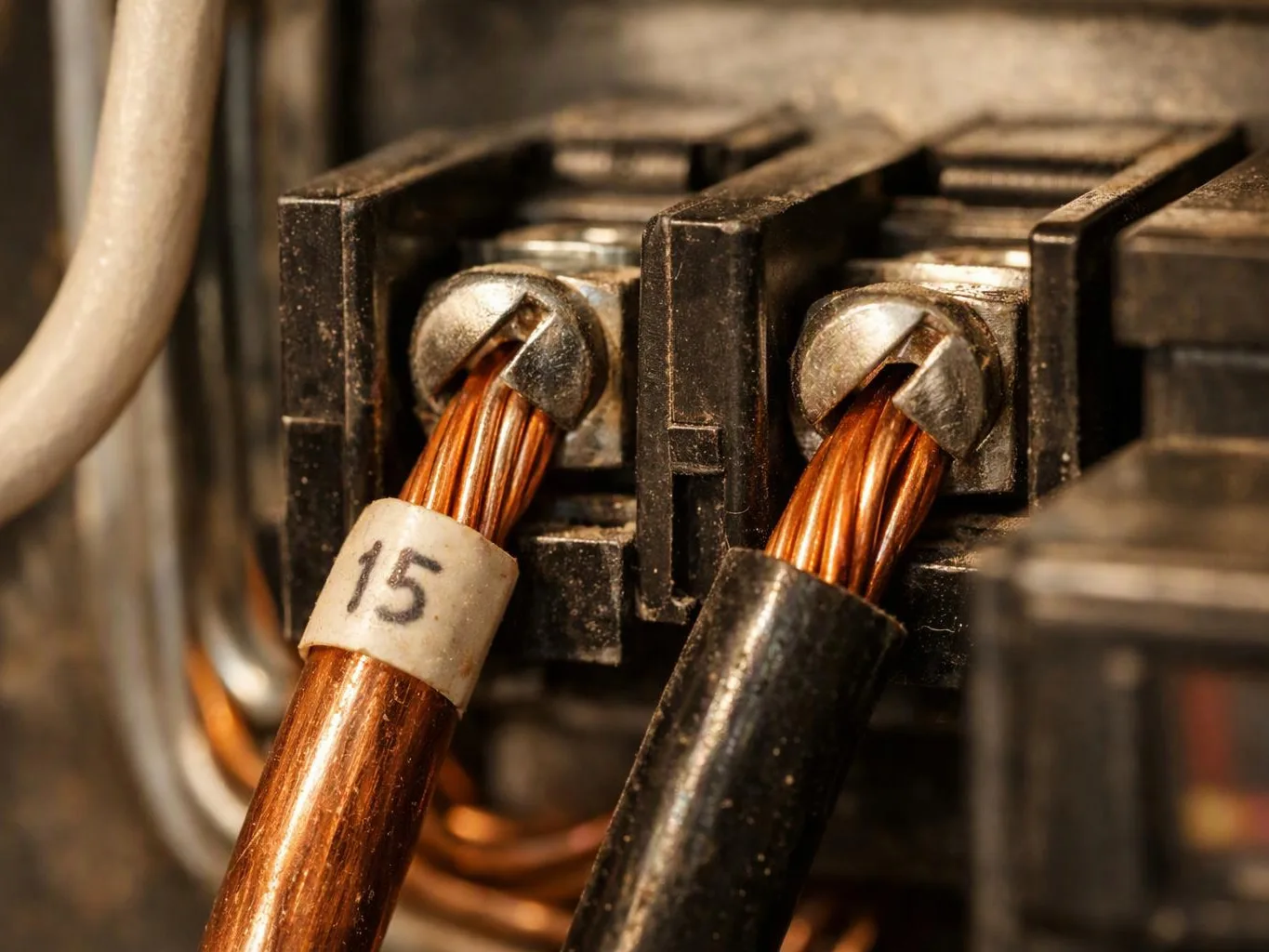
We look for heat marks, loose terminals, physical damage, and signs that the breaker no longer operates correctly.
We isolate the circuit and test its wiring and load so the repair addresses the source of the fault.
We repair the identified issue or replace the failed breaker when the panel and circuit support that choice.
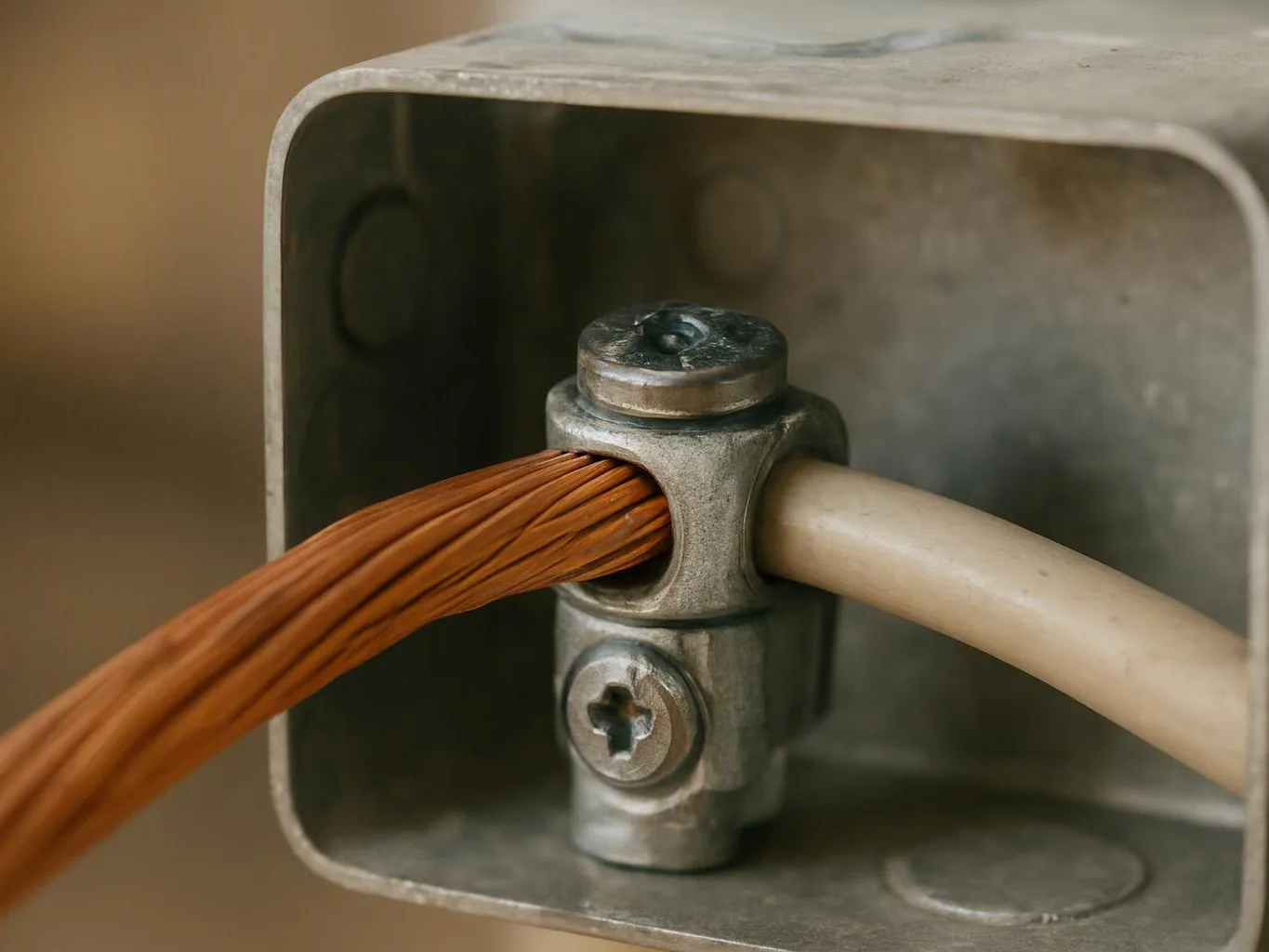
We restore the circuit, test the breaker, and explain what was checked and what future signs deserve attention.
A few details can help us understand the circuit before we begin testing.
We diagnose the breaker, circuit, and connected load before recommending repair or replacement.
We inspect terminals, wiring, and panel condition before restoring a repaired circuit to service.
We test the affected breaker and circuit after repairs, then explain the result and remaining concerns.
Get a clear repair recommendation for your property, and urgent requests get priority scheduling.
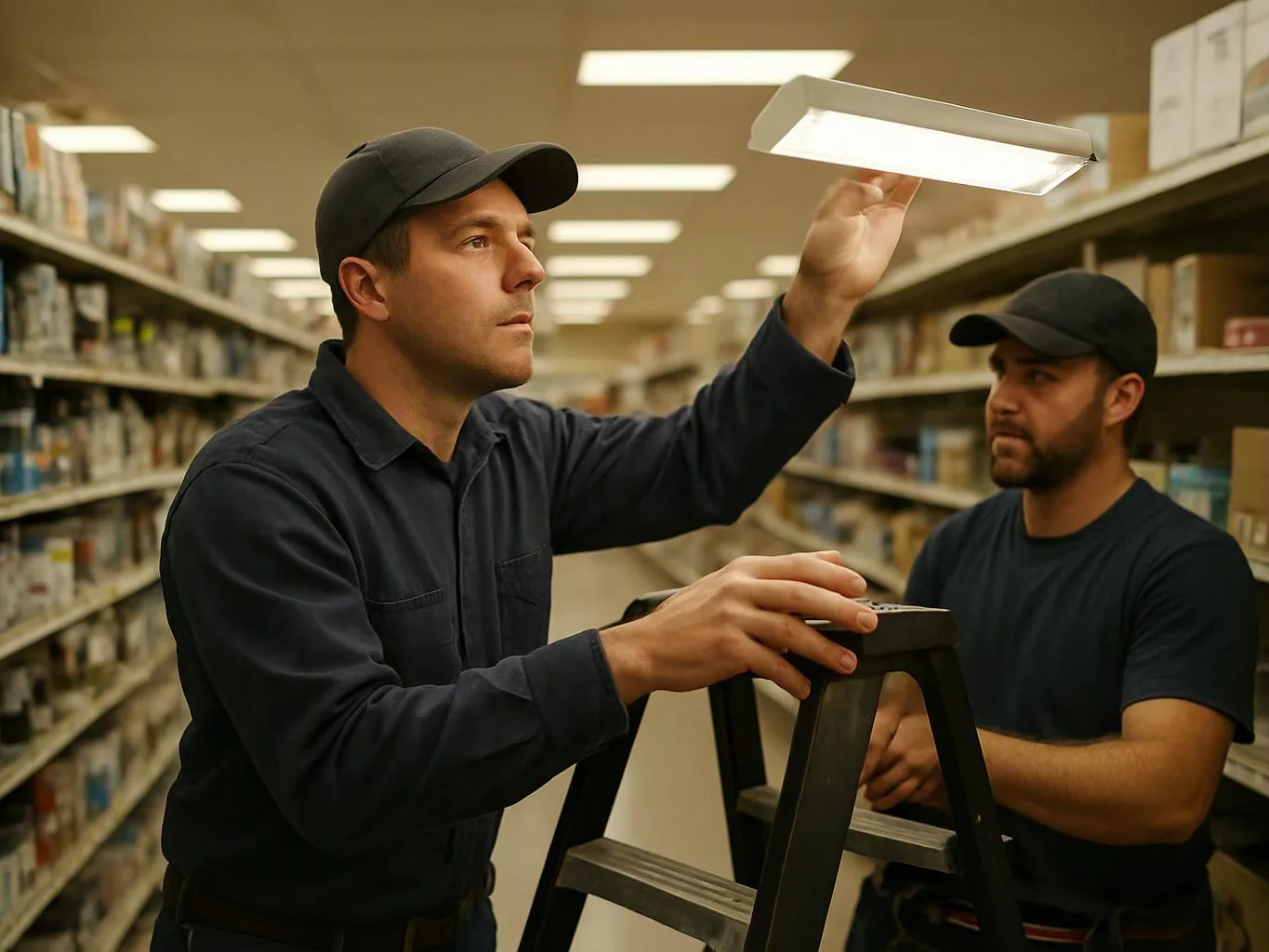
A kitchen, office, or equipment circuit may trip during ordinary use when the load, wiring, or breaker has a fault. The panel label alone won't show the cause. We inspect the breaker, trace the affected circuit, and test connected loads. If the circuit shows heat or a burning smell, stop using it and request urgent electrical assistance.
A breaker that stays off can protect the property from an active fault. Repeatedly forcing the handle can hide the real problem and add risk. We isolate the circuit, inspect the breaker and terminals, and test the wiring before recommending repair. Keep affected outlets and equipment off until the cause is checked.
A business may lose power to lights, receptacles, or equipment when one breaker fails or its circuit develops a fault. The repair must account for the connected load and the effect on nearby equipment. We identify the affected circuit, inspect the panel, and explain the repair path before restoring service where safe.