Which commercial electrical problems require immediate repair?
Power outages, burning odors, arc faults, hot outlets, and repeated breaker trips require prompt electrical attention. GMB Electric checks the affected panel, circuit, wiring, and connected equipment. Stop using a hot or sparking outlet, keep people away from damaged parts, and request an assessment before restoring normal operation.
What does the crew look at first during a repair?
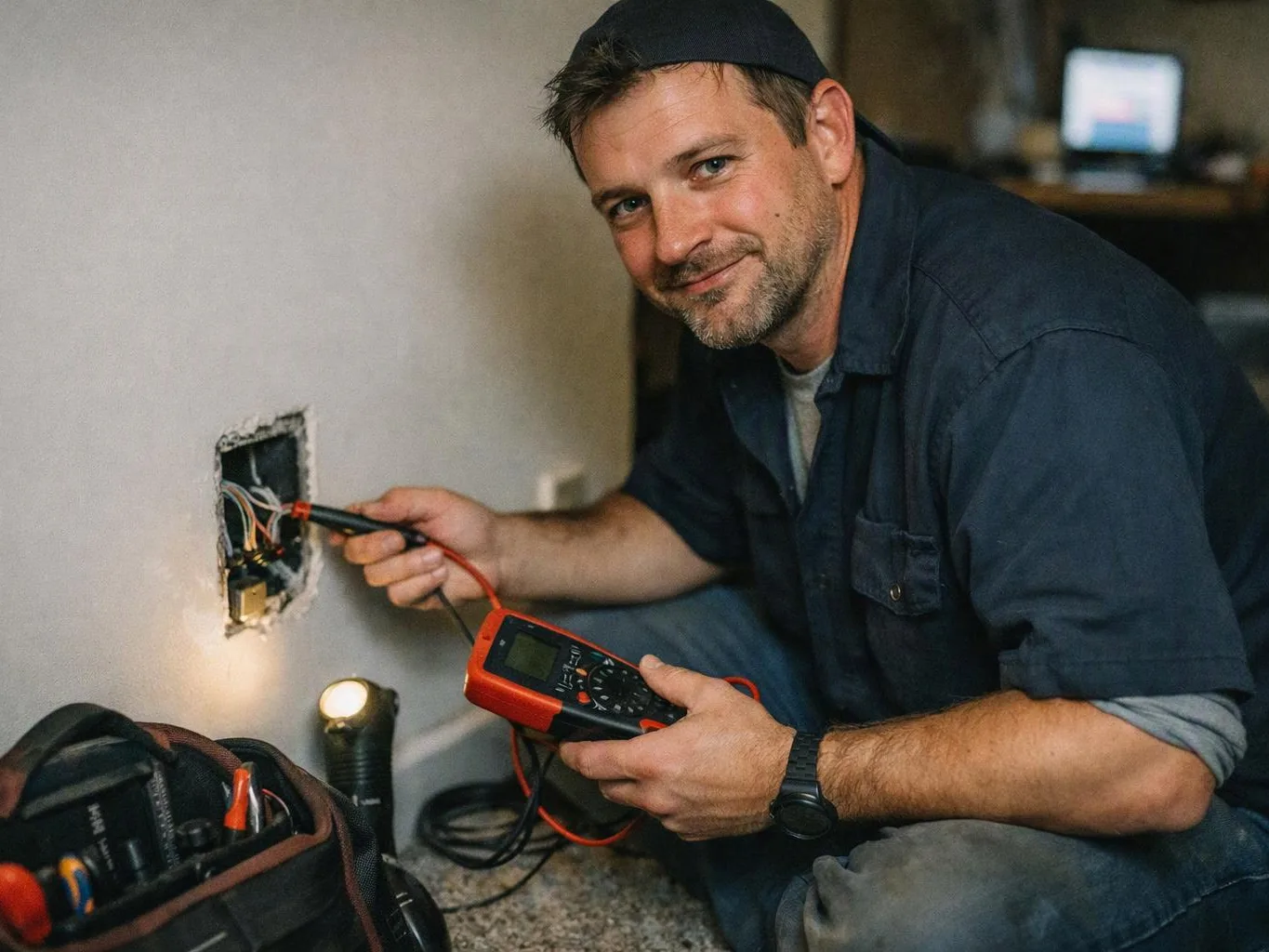
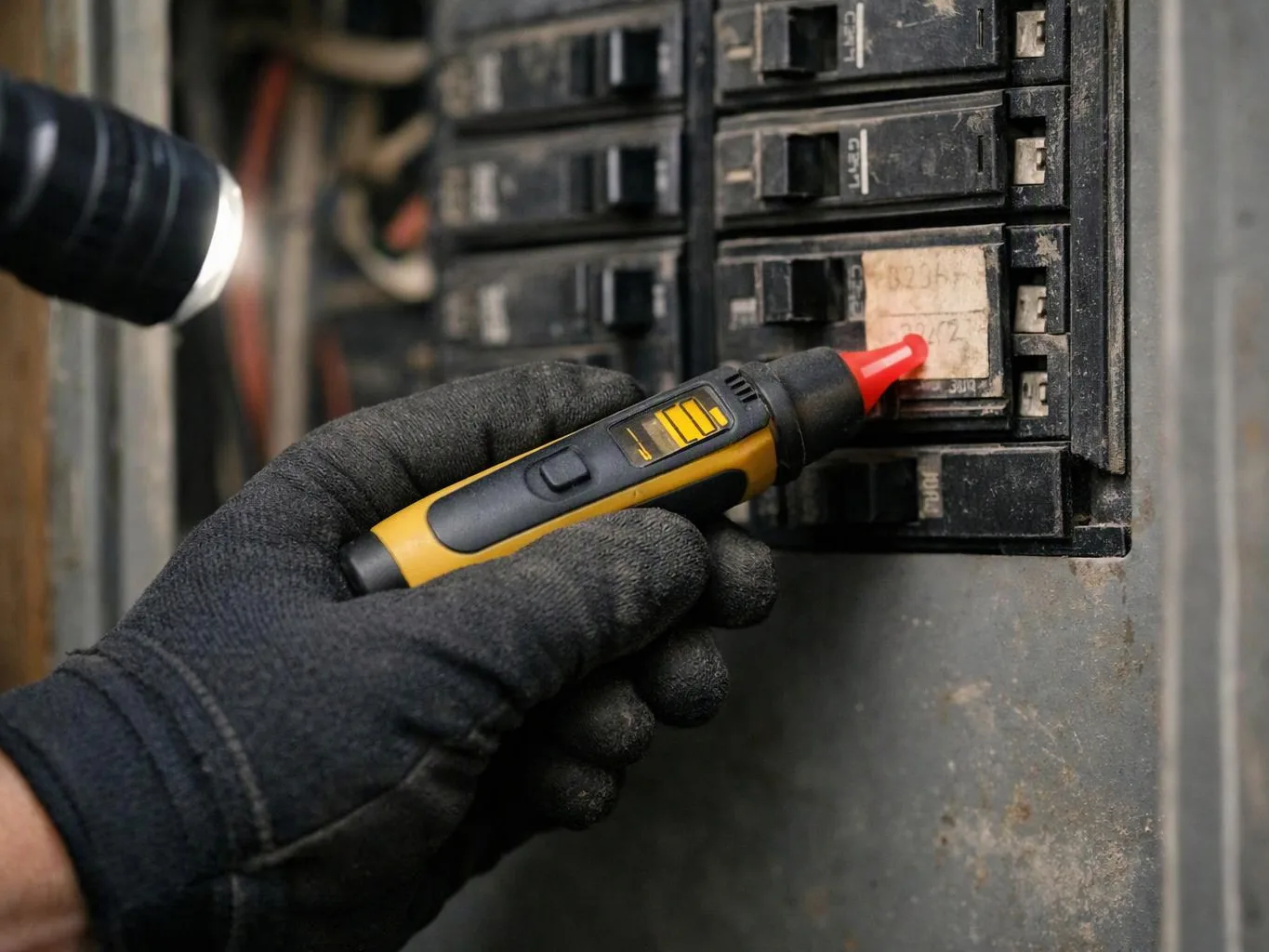
The reported symptom and affected circuit guide the first inspection. We check the panel, breaker, visible wiring, outlet, switch, or fixture linked to the problem. Circuit tracing then helps us locate the fault beyond the first visible part. That step helps separate a component repair from wider wiring work.
How do you decide whether a panel needs repair or an upgrade?
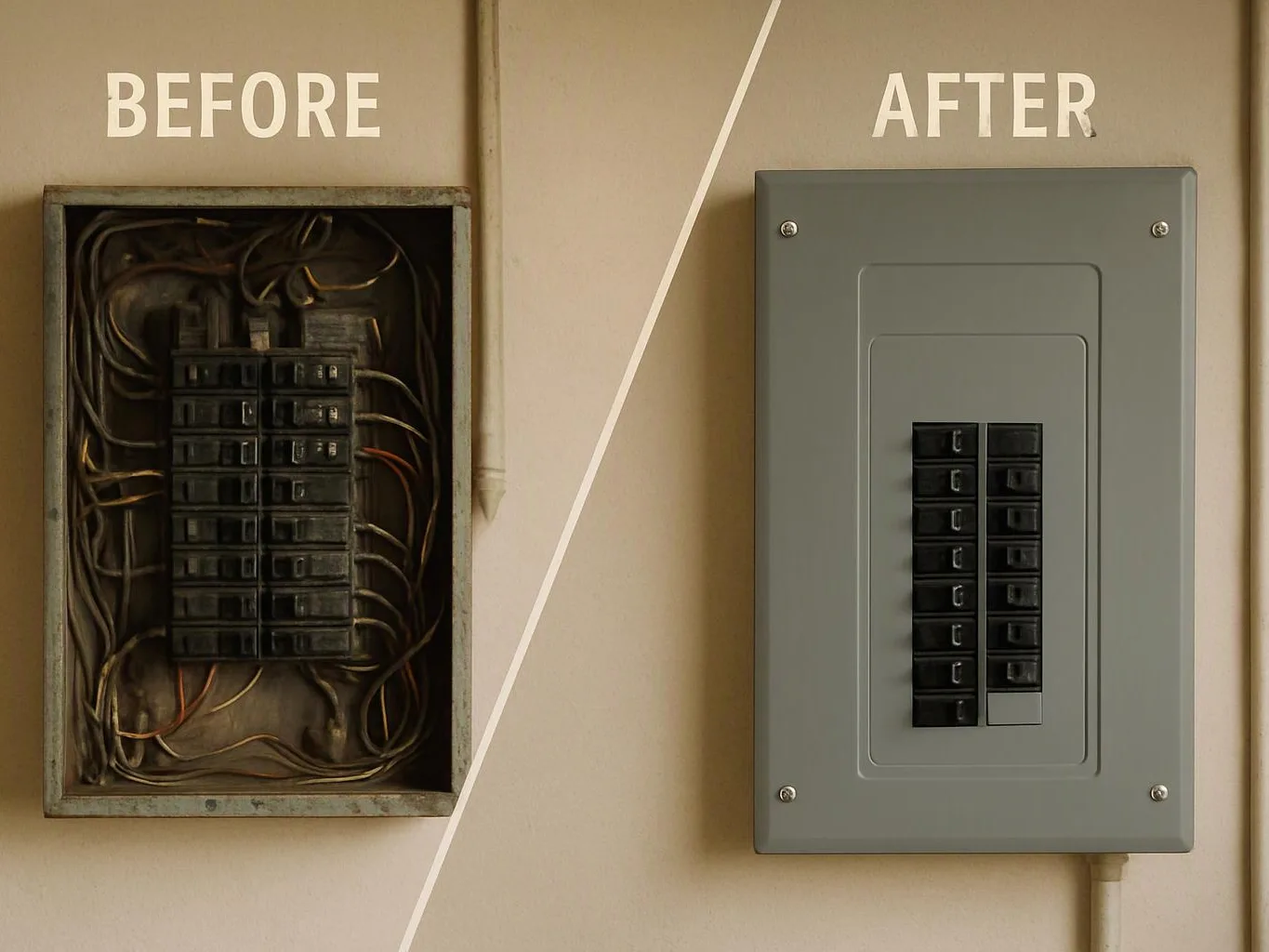
Panel condition, breaker performance, wiring damage, available capacity, and the property’s electrical demand guide that decision. We inspect and test the panel before recommending work. A repair may fit a contained fault, while a broader upgrade may be needed when the system cannot support planned equipment safely.
When should a business stop using an outlet?
A business should stop using an outlet when it feels hot, sparks, smells burned, shows discoloration, or has loose connections. We isolate the affected circuit and inspect the receptacle, wiring, and breaker. Keep equipment unplugged and leave the area accessible until the electrical fault has been checked.
What should be checked before commercial electrical repair is scheduled?
The affected area, equipment, circuit symptoms, and panel access should be checked before scheduling. Record which outlets, lights, or machines are affected and note any odor, heat, or breaker activity. Photos of the panel and damaged outlet can help explain the issue, but do not remove covers or handle exposed wiring.
Why do flickering lights need more than a bulb change?
Flickering lights can involve a loose connection, failing fixture, damaged switch, or circuit fault. We inspect the light, switch, wiring, and panel when the symptom affects more than one fixture. A repeated symptom needs diagnosis because replacing bulbs alone may leave the underlying electrical problem in place.
How does the repair process handle business access?
Business access is reviewed before work begins so we can identify the affected area and equipment. We inspect the electrical system, isolate the repair area when needed, and test the circuit after the work. Property managers should provide panel access and identify equipment that must remain shut down during inspection.