What commercial electrical problems require immediate repair?
Power outages need immediate repair when burning odors, arc faults, hot outlets, or damaged wiring appear. GMB Electric isolates the affected circuit and checks the panel, conductors, outlets, and connected equipment. Staff should stop using hot or damaged devices and keep clear of exposed wiring until the area receives an electrical inspection.
Which part of the property decides the repair scope?
The affected panel, circuit, wiring, outlet, switch, or equipment decides the repair scope. We trace the fault from the panel to the reported symptom and inspect connected parts. A single failed device may need focused repair, while damaged conductors or limited capacity can call for broader panel or wiring work.
How does a commercial electrical repair visit move from the first call to the last step?
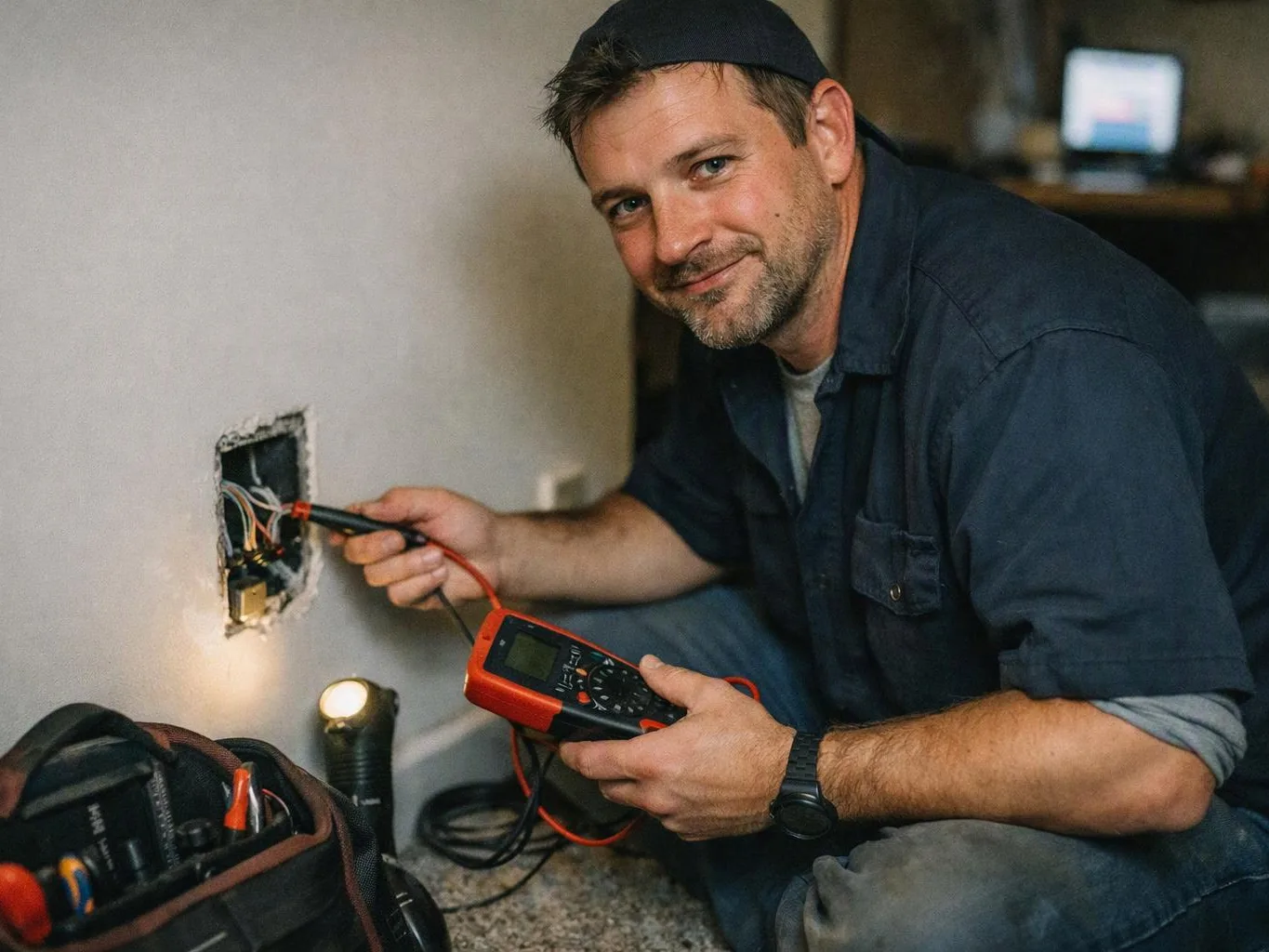
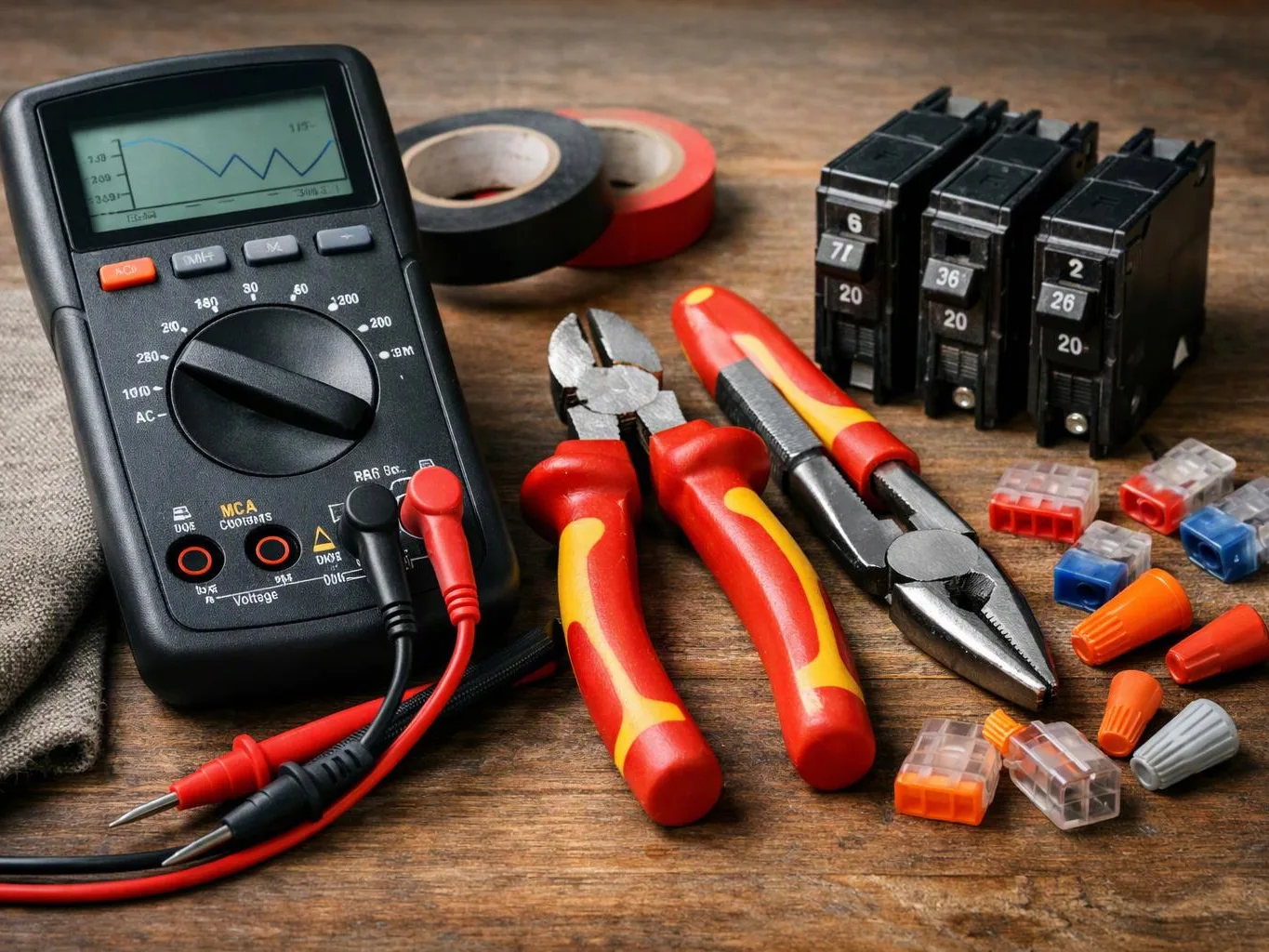
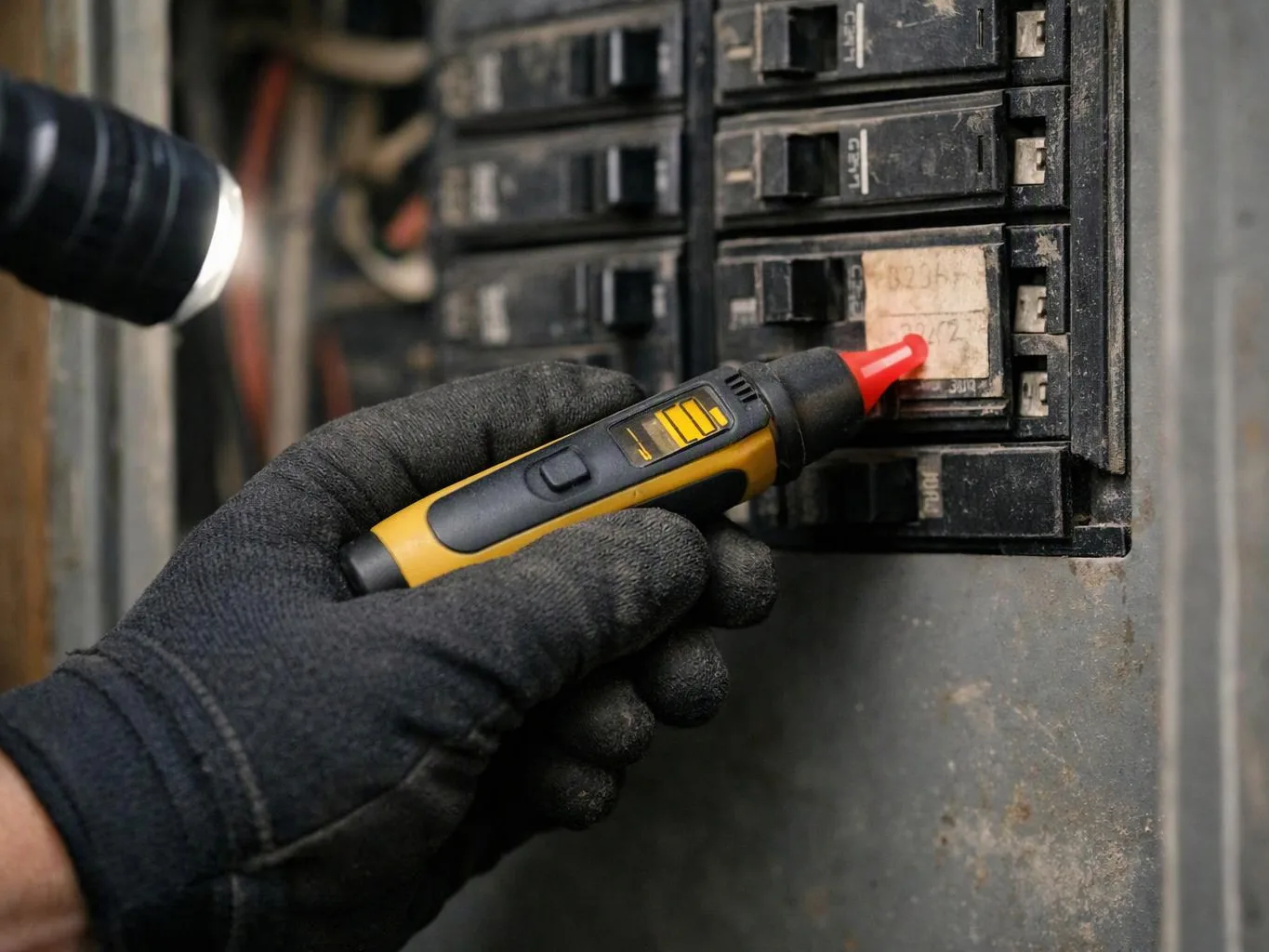
The visit moves from symptom review to isolation, circuit tracing, repair planning, and testing. We record the affected areas and warning signs first. The inspection then links the fault to a panel, breaker, conductor, outlet, switch, light, or equipment before we explain the work and verify the repaired circuit.
Which material changes how long electrical repair takes?
Damaged wiring material can change the repair work because aluminum wiring, older conductors, and newer copper conductors require different checks. We identify the material, inspect its connections, and trace the affected circuit. The repair scope also depends on access, damage, connected equipment, and whether the wiring needs replacement.
When does a panel problem call for repair or an upgrade?
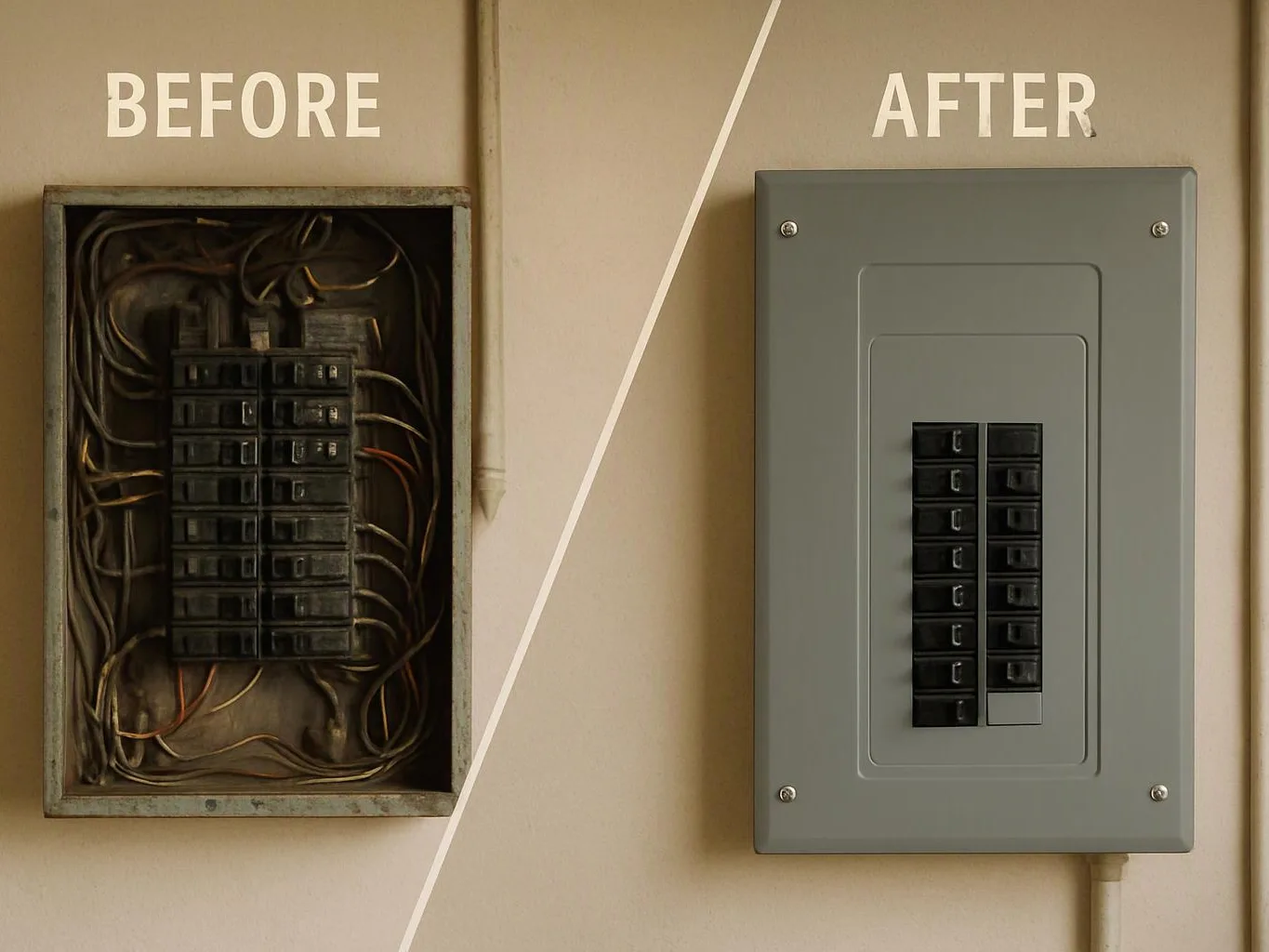
A panel problem calls for repair when a specific breaker, connection, or part has failed without a wider capacity issue. We consider an upgrade when the panel, service entrance, or available load cannot support the property’s needs. The inspection includes the panel condition, circuit demand, wiring, and planned equipment.
Why do lights flicker when business equipment starts?
Flickering lights can indicate a loose connection, overloaded circuit, failing device, or unstable electrical path. We check the lighting circuit, panel, breaker, wiring, and equipment that starts with the flicker. Staff should note the affected lights and equipment, then avoid repeated resets until the circuit receives a proper check.