How are commercial lighting faults diagnosed and repaired?
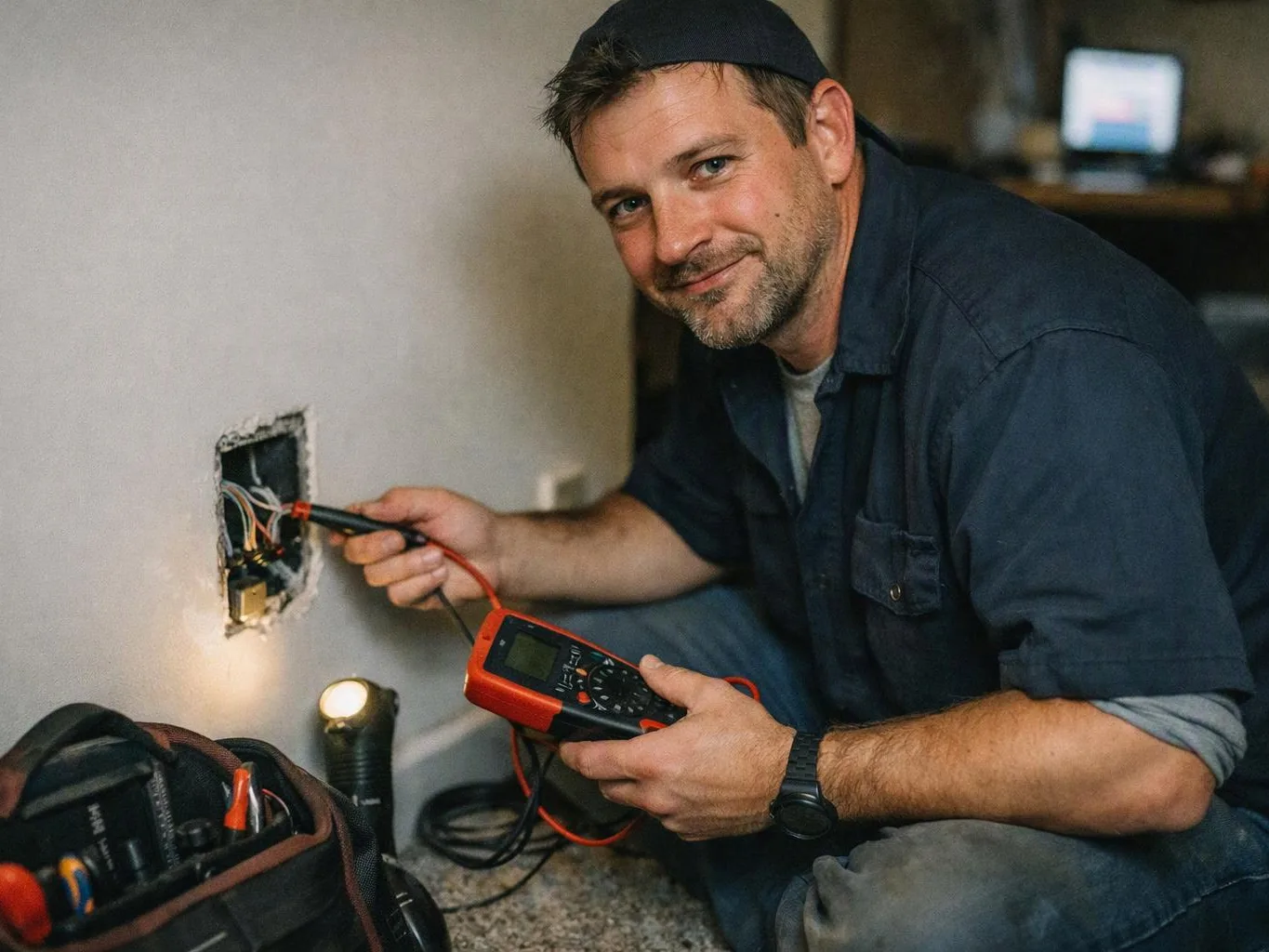
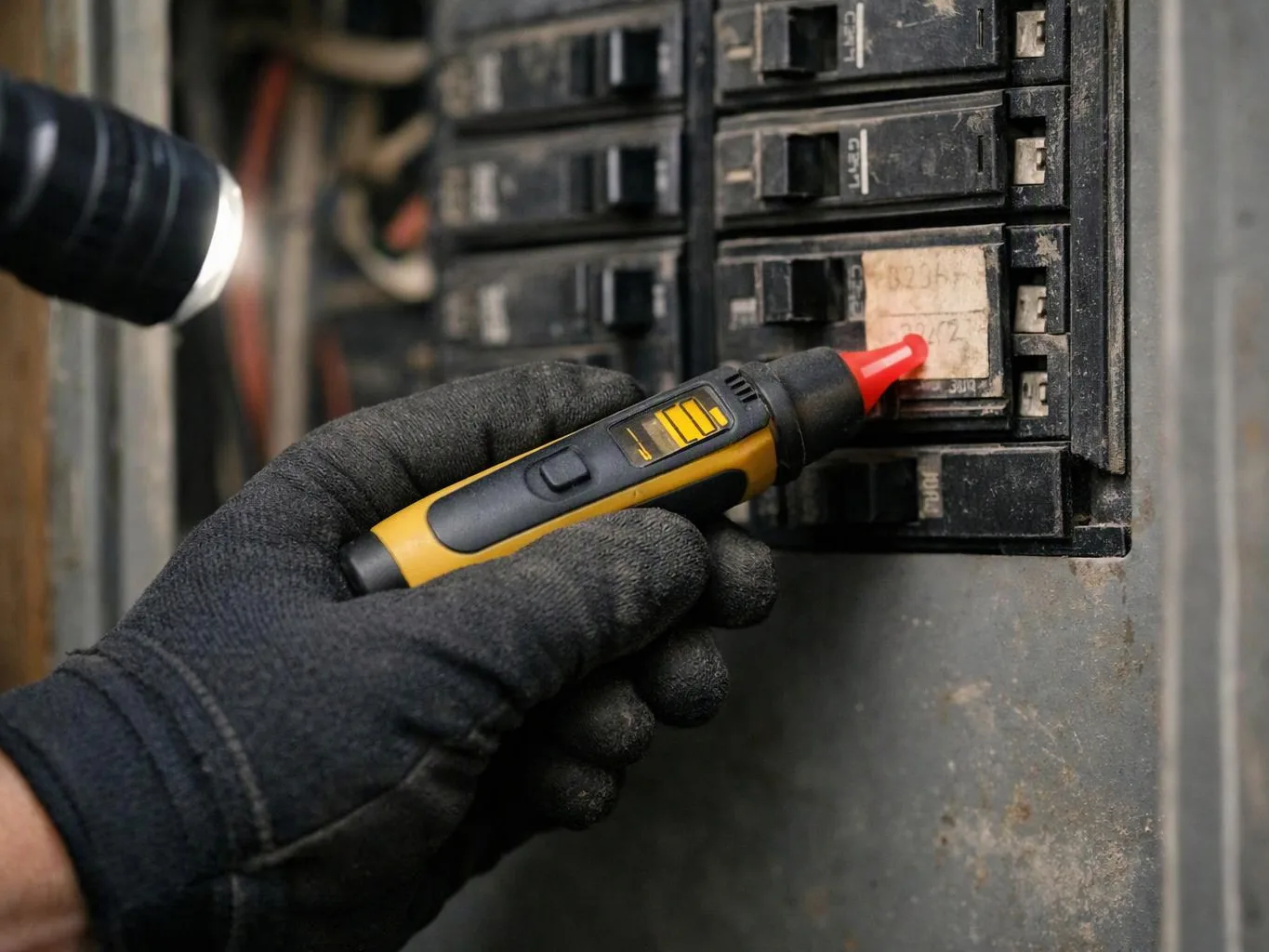
Circuit tracing identifies the lighting path, and GMB Electric then tests voltage, fixtures, ballasts, drivers, and wiring. We begin with the visible symptom and work toward the likely fault. The repair may involve a failed part, a loose connection, or related electrical wiring. Customers receive the repair recommendation after the affected parts are checked.
What does the crew look at first during a lighting repair?
The affected fixture and its visible connections receive the first inspection. We check whether the problem affects one light or several, then test voltage at the fixture and circuit. Ballasts, LED drivers, sockets, switches, and wiring can all affect the result. Customers should point out recent changes and any buzzing or heat.
Which lighting parts can GMB Electric repair or replace?
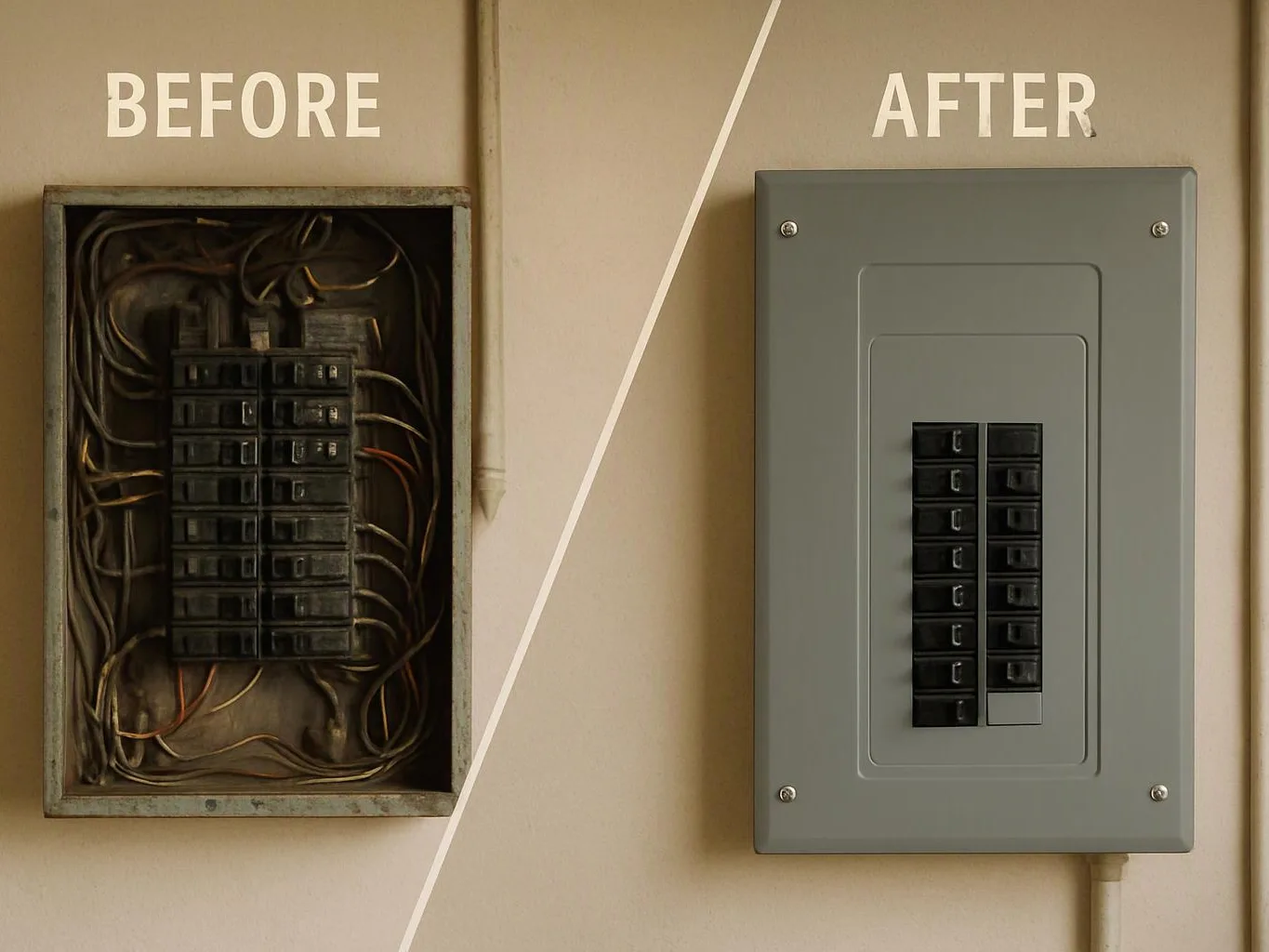
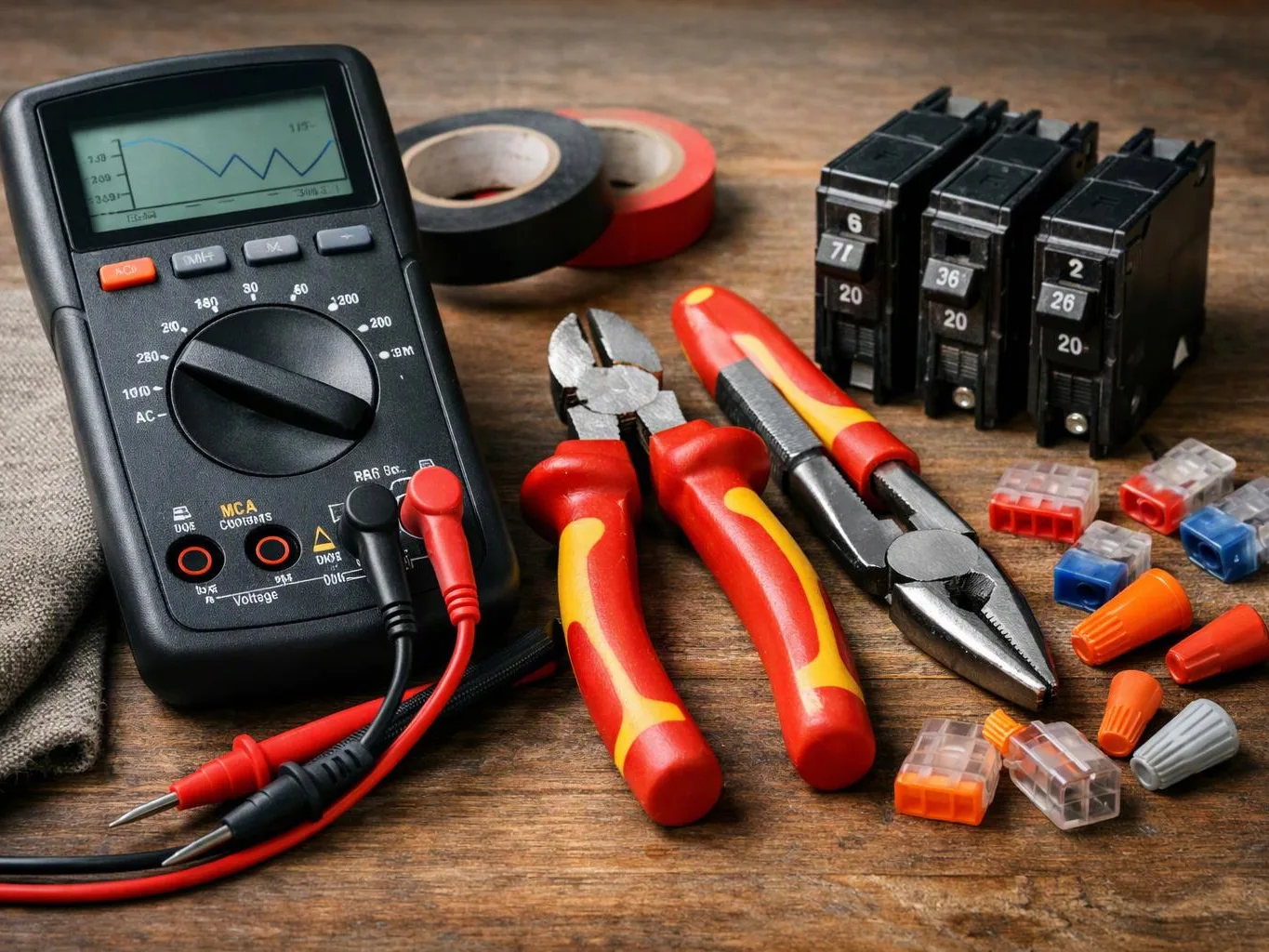
GMB Electric repairs related lighting wiring and replaces failed ballasts when the fixture supports that work. Our team also tests LED drivers, sockets, switches, and fixture connections. The part choice depends on the fixture design and the fault found during testing. We explain when the fixture condition calls for a wider electrical repair.
When should a business request lighting repair?
A business should request repair when lights flicker, stay dark, buzz, cycle on and off, or fail after a lamp change. These signs can point to a ballast, driver, connection, or circuit fault. Customers should keep staff away from damaged equipment and arrange an inspection before the lighting area returns to normal use.
Why does one fixture fail while nearby lights work?
One fixture can fail because its ballast, driver, socket, lamp, or local connection has a fault. We compare the affected fixture with nearby working fixtures and test the supply at each relevant point. That check helps separate a local fixture failure from a shared circuit problem. The repair scope follows the test result.
What should be checked before lighting repair is scheduled?
The affected area, fixture count, lighting type, access conditions, and visible warning signs should be checked first. Customers can note whether the lights flicker, buzz, smell hot, or fail after a switch is used. Photos can help describe the fixture, but customers should not remove covers or work on energized equipment.
How does the lighting issue change the repair quote?
The affected fixture count, part type, access, wiring condition, and need for related electrical work change the quote. A ballast or driver fault may have a different scope from a damaged circuit. We inspect the lighting system and explain the work included before preparing the quote. No fixed amount applies to every commercial property.