How can commercial lighting repairs reduce recurring outages?
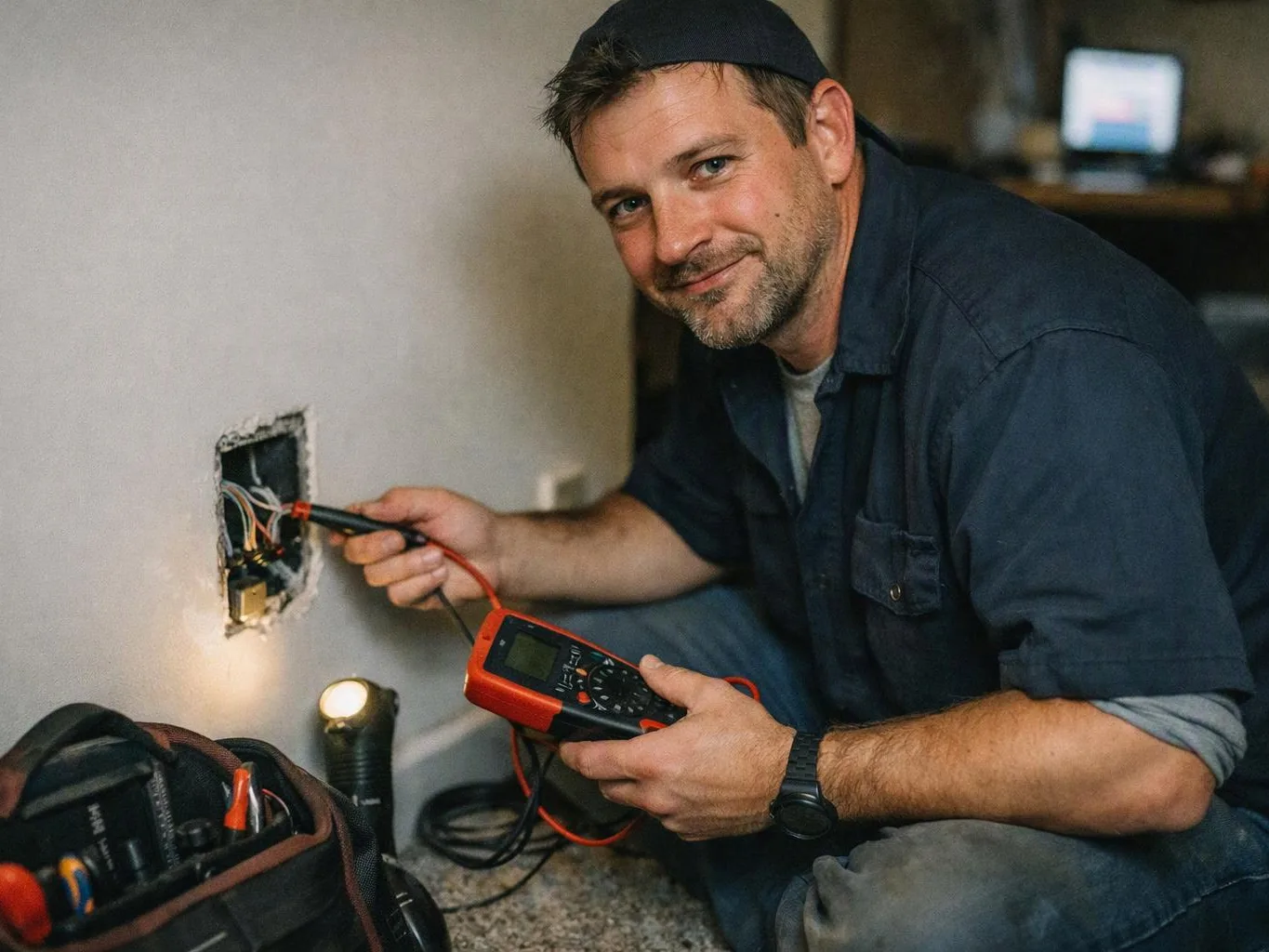
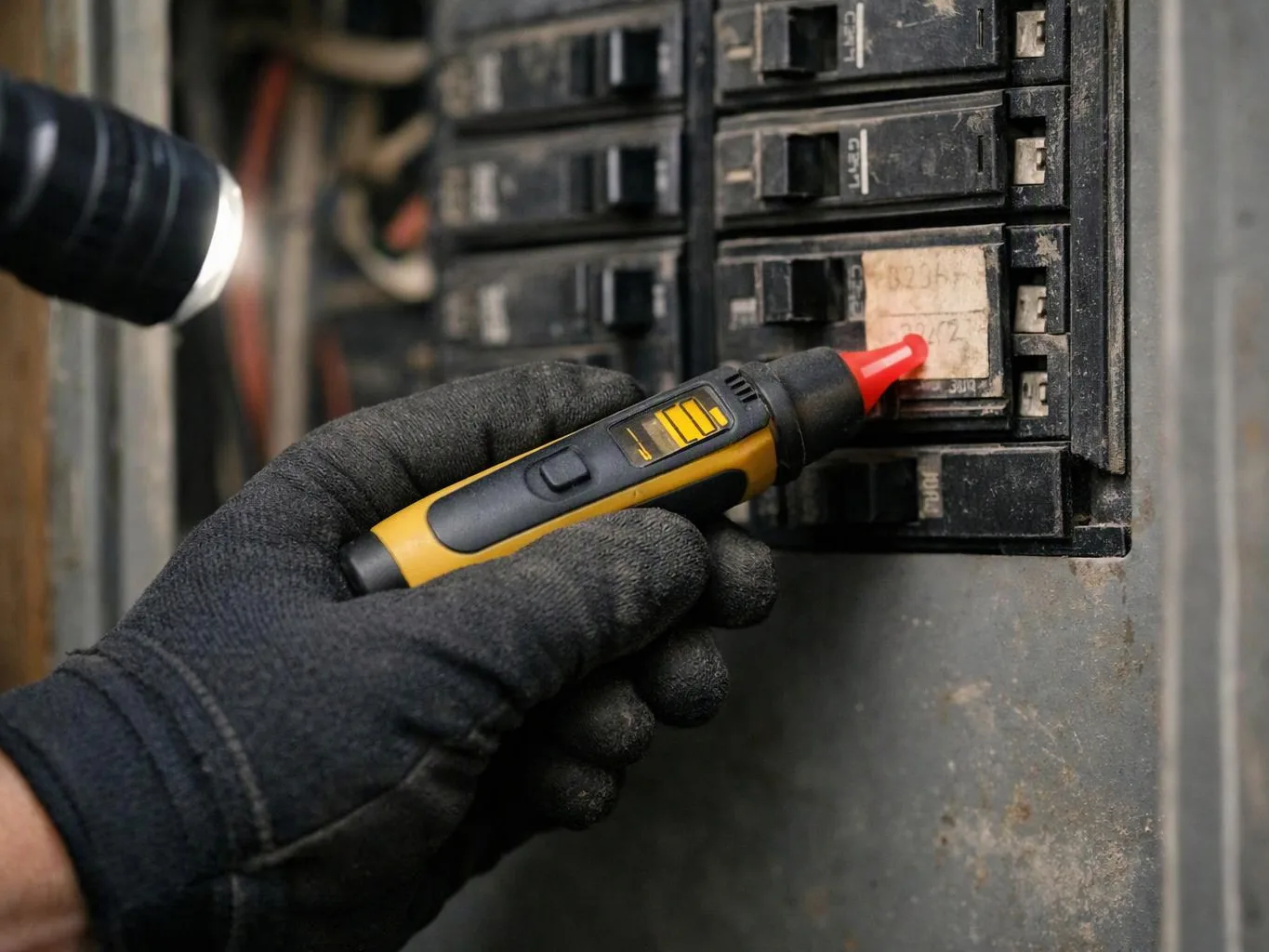
Thermal inspection can reveal heat at loose connections or overloaded points that cause repeat lighting outages. We then trace the circuit, check its load, tighten suitable connections, and test the repaired lighting. Preventive maintenance can address wear before it becomes a full outage, while load balancing may help when several lighting zones share uneven demand.
Who repairs commercial lighting faults for businesses?
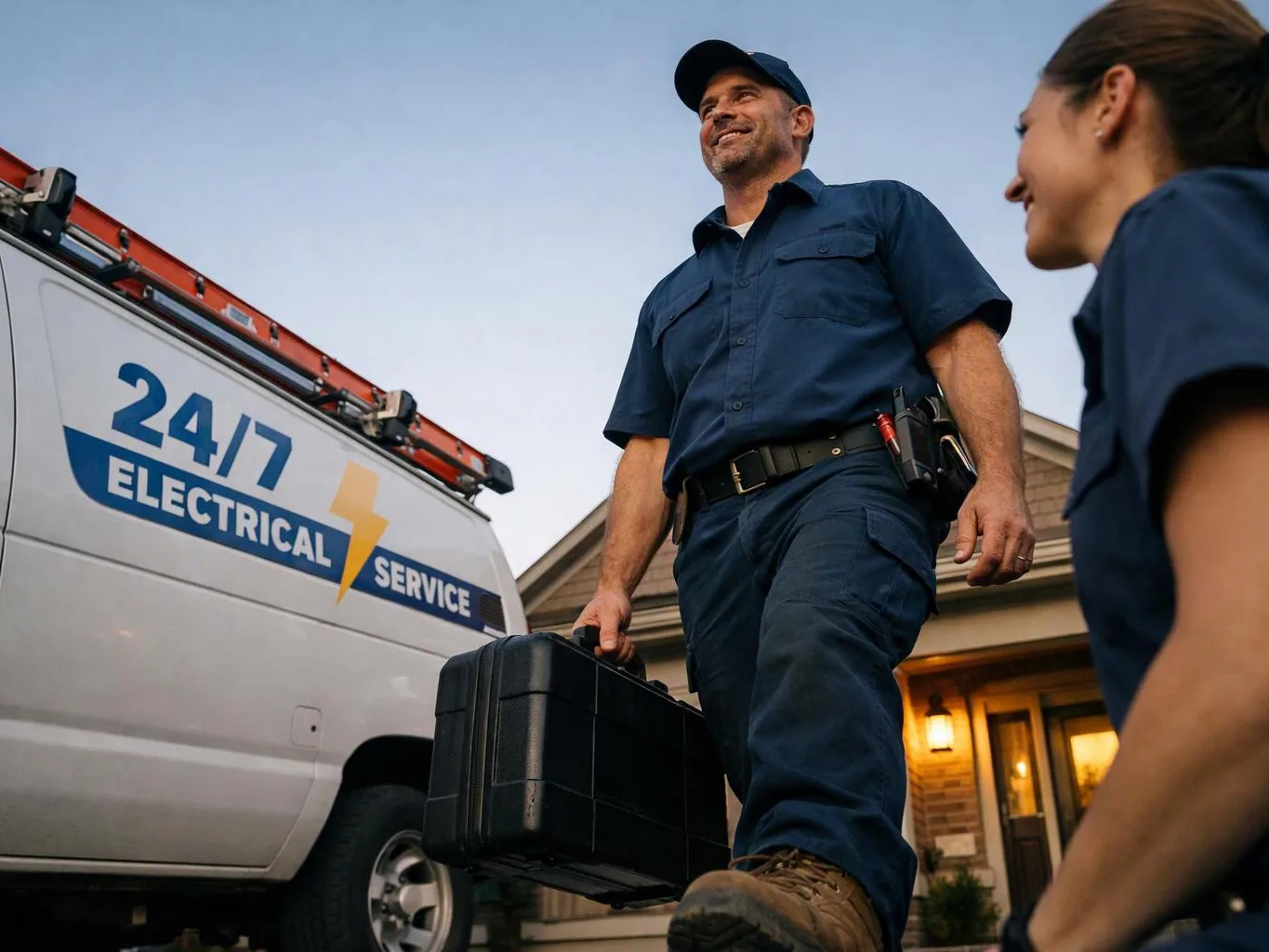
GMB Electric repairs commercial lighting faults for businesses and property owners. We inspect fixtures, switches, wiring, breakers, and connections to locate the cause. Our electricians provide residential and commercial electrical service, so the work can be reviewed alongside related panel, circuit, or inspection needs when the lighting fault reaches beyond one fixture.
What does a lighting repair visit check first?
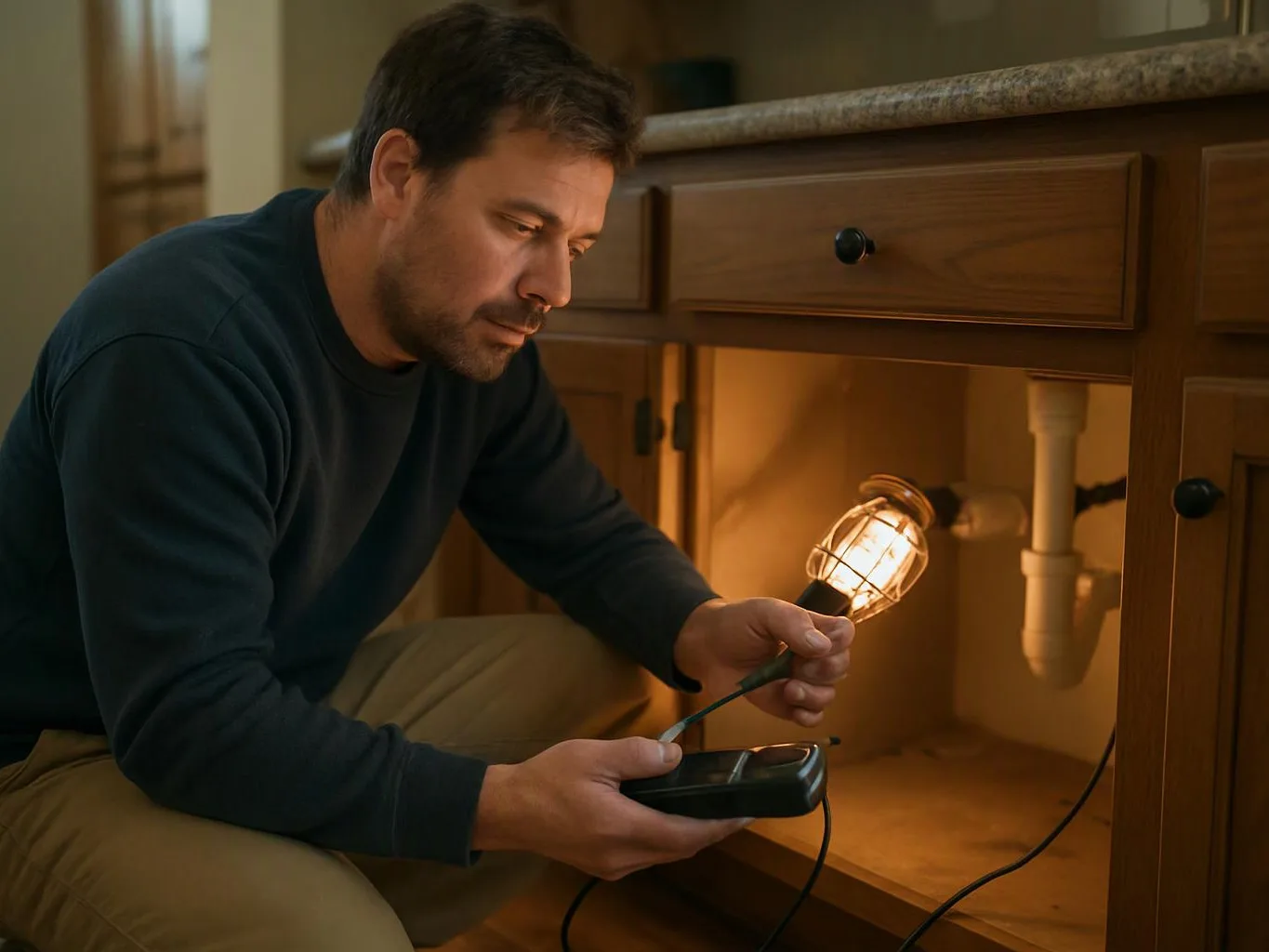
The first check identifies the affected fixture, control, circuit, and visible safety symptoms. We then isolate the circuit before inspecting wiring, connections, and electrical load. The review helps separate a failed fixture from a wider circuit problem, which keeps the repair scope tied to the actual fault.
Which part of a property decides the repair scope?
The affected lighting circuit usually decides the repair scope. A single fixture may need fixture or connection work, while several zones can point to a switch, breaker, wiring, or load issue. Access to the fixture and electrical panel also affects what we can inspect and what the repair requires.
When does a business need panel service with lighting repair?
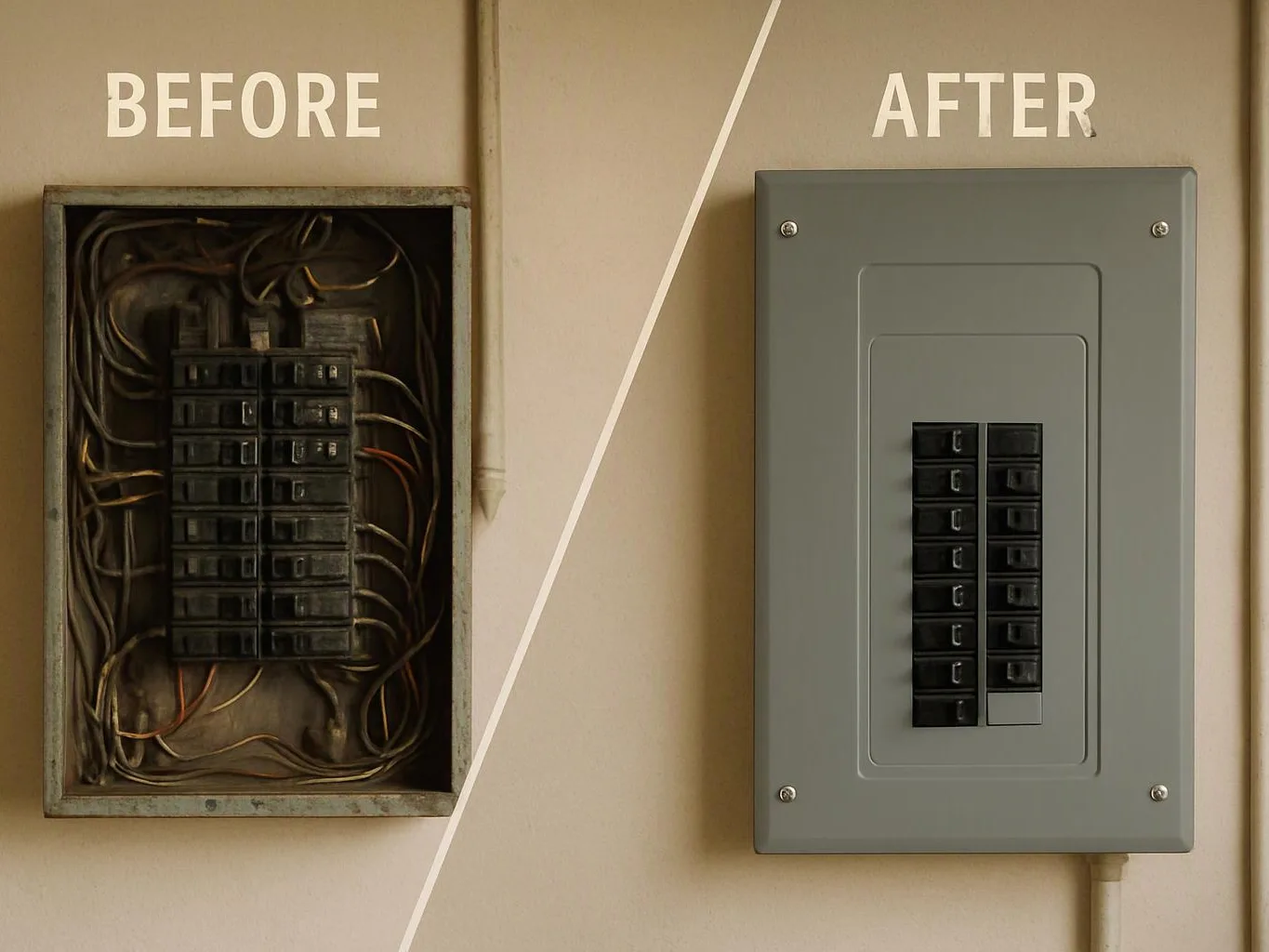
Panel service becomes relevant when lighting faults involve a tripping breaker, buzzing panel, damaged circuit, or insufficient capacity. We check the lighting circuit first and explain when the panel is part of the fault. A panel upgrade is separate work that requires its own scope and quote.
Why do lights flicker after a new fixture is installed?
Flickering after fixture installation can result from a loose connection, incompatible control, damaged wiring, or a circuit issue. We inspect the new fixture and its connections, then test the switch and circuit. The repair depends on what the inspection finds, not on the fixture change alone.
How does a repair move from the first call to the last step?
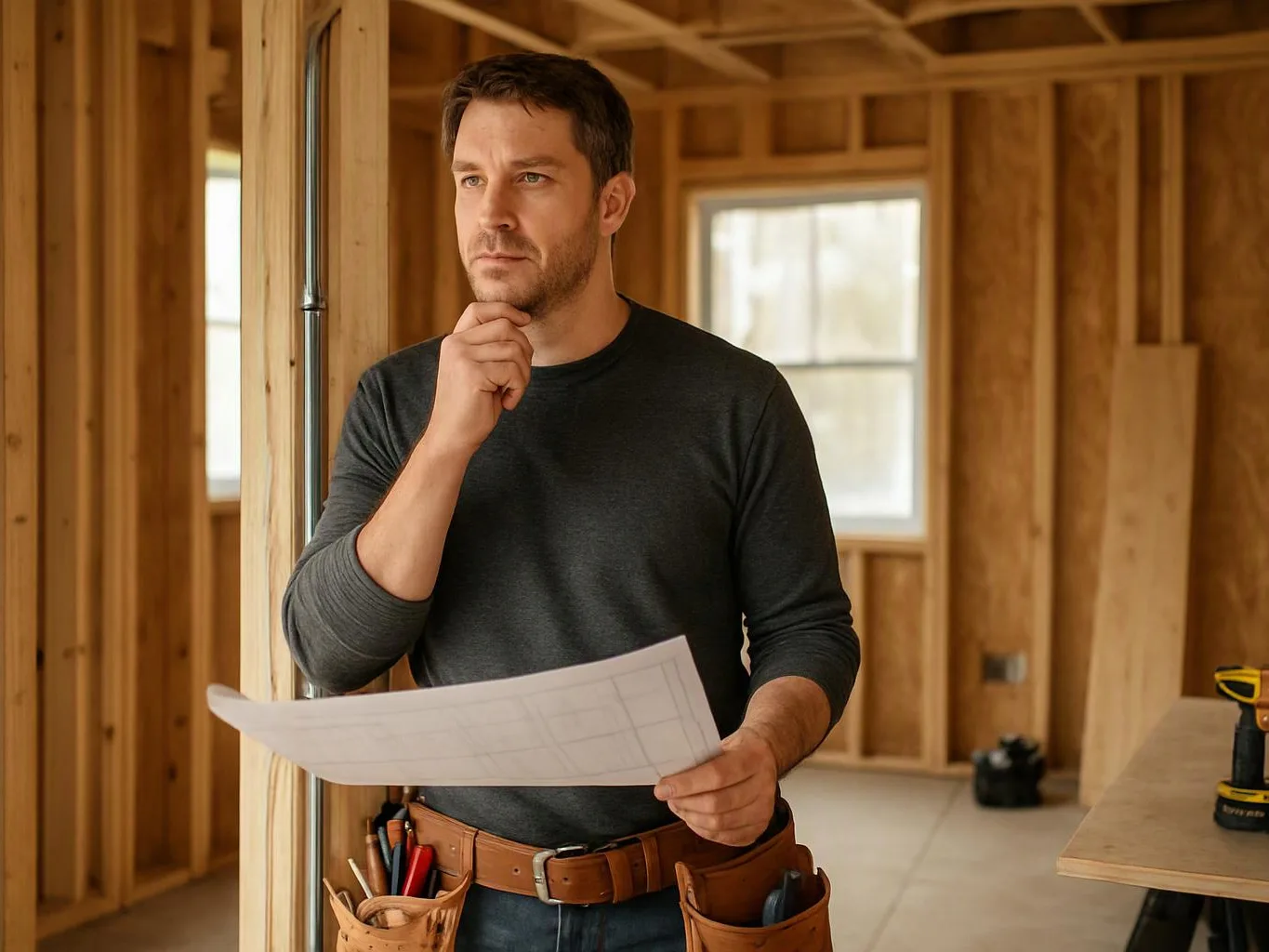
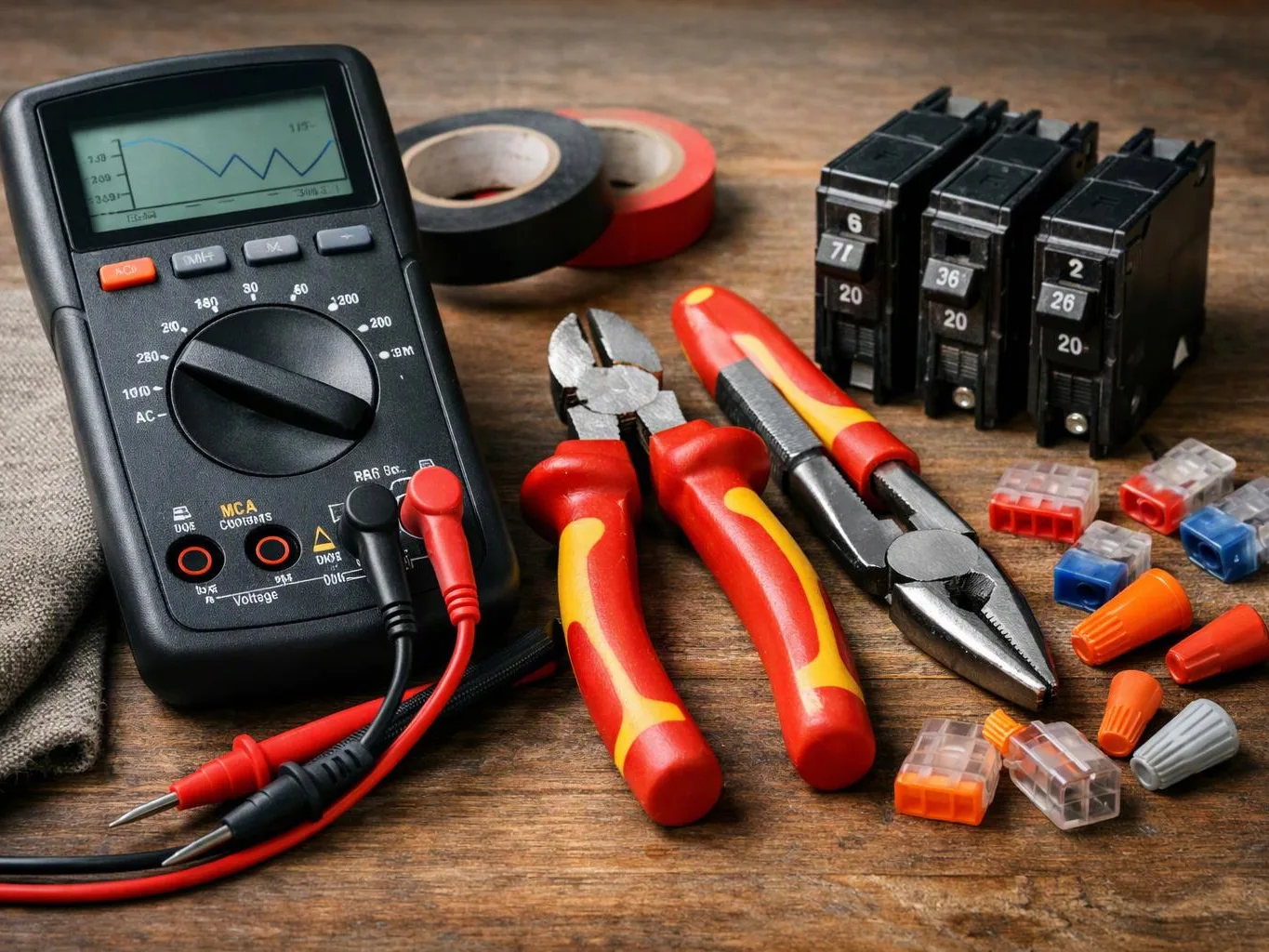
The visit moves from symptom review to safe isolation, circuit tracing, repair, and testing. We first identify the affected lighting area and gather access details. After diagnosis, we explain the repair scope, complete the agreed work, and verify the lighting circuit before closing the job.