Why should permit compliance issues be corrected promptly?
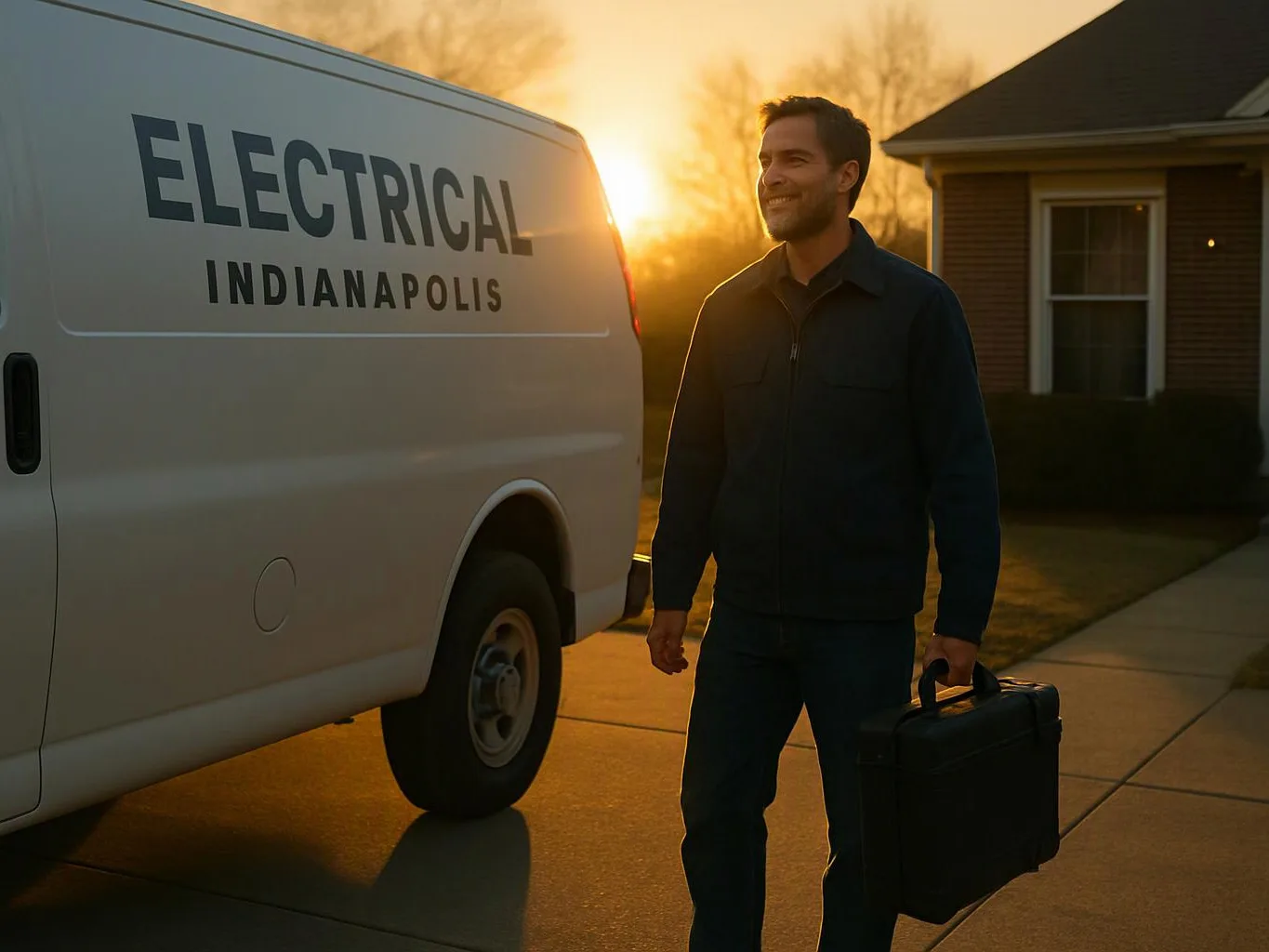
Permit compliance issues should be corrected promptly because they can involve fire risk, shock hazards, inspection concerns, or insurance requirements. GMB Electric reviews the cited work, checks related wiring and devices, and explains the repair scope. A prompt assessment also helps prevent a known fault from affecting more of the electrical system.
What does the crew look at first during a correction?
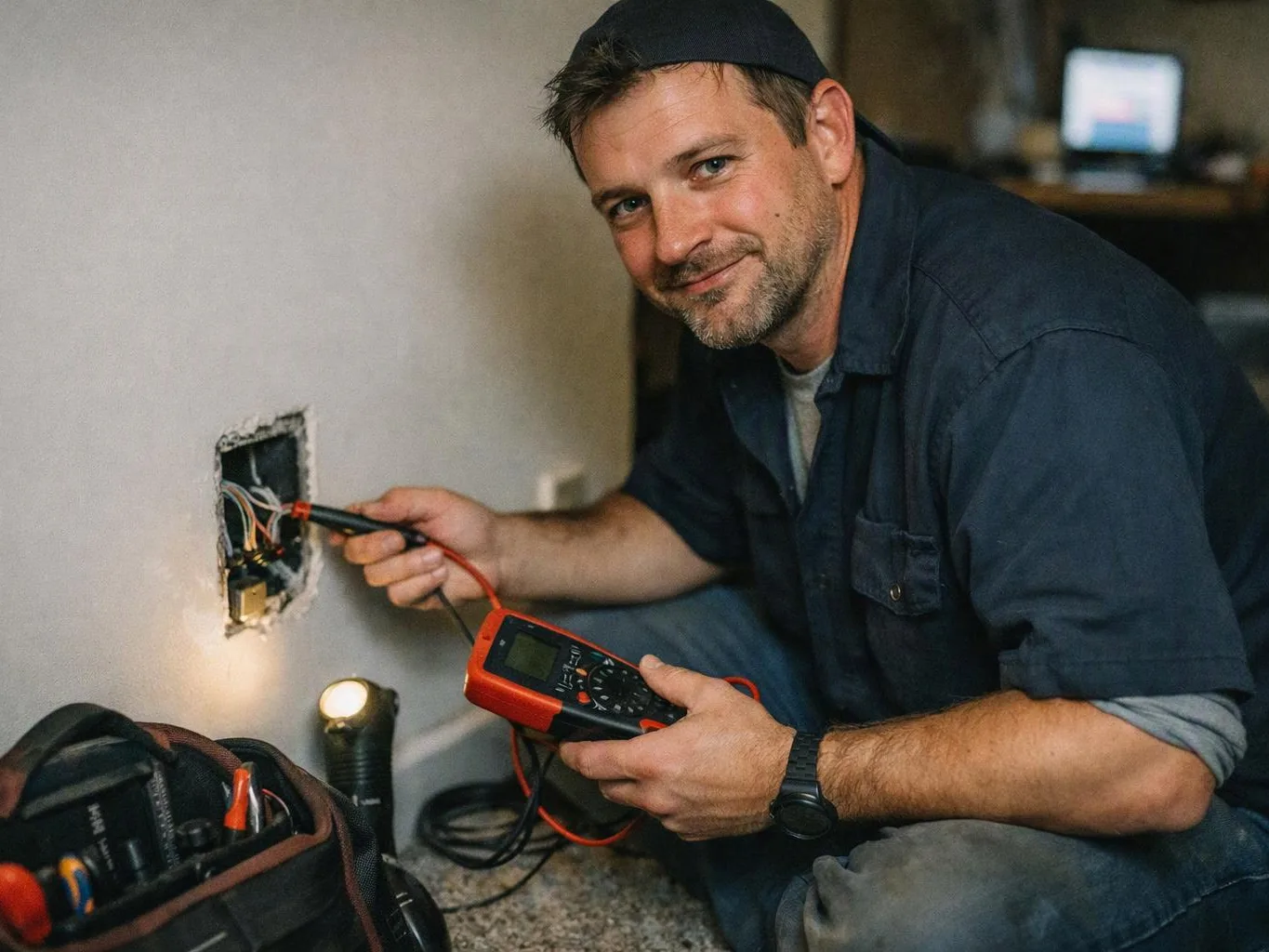
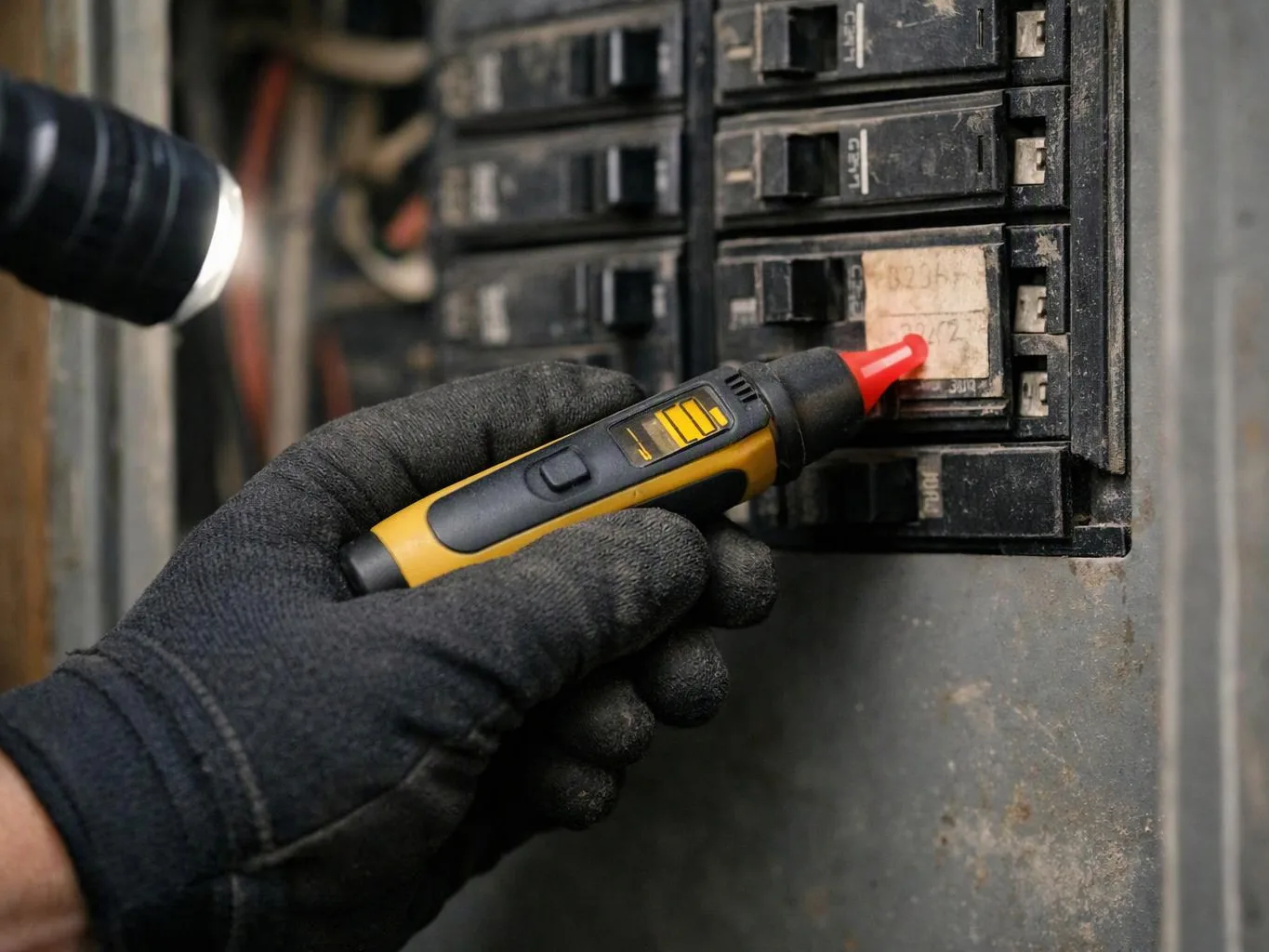
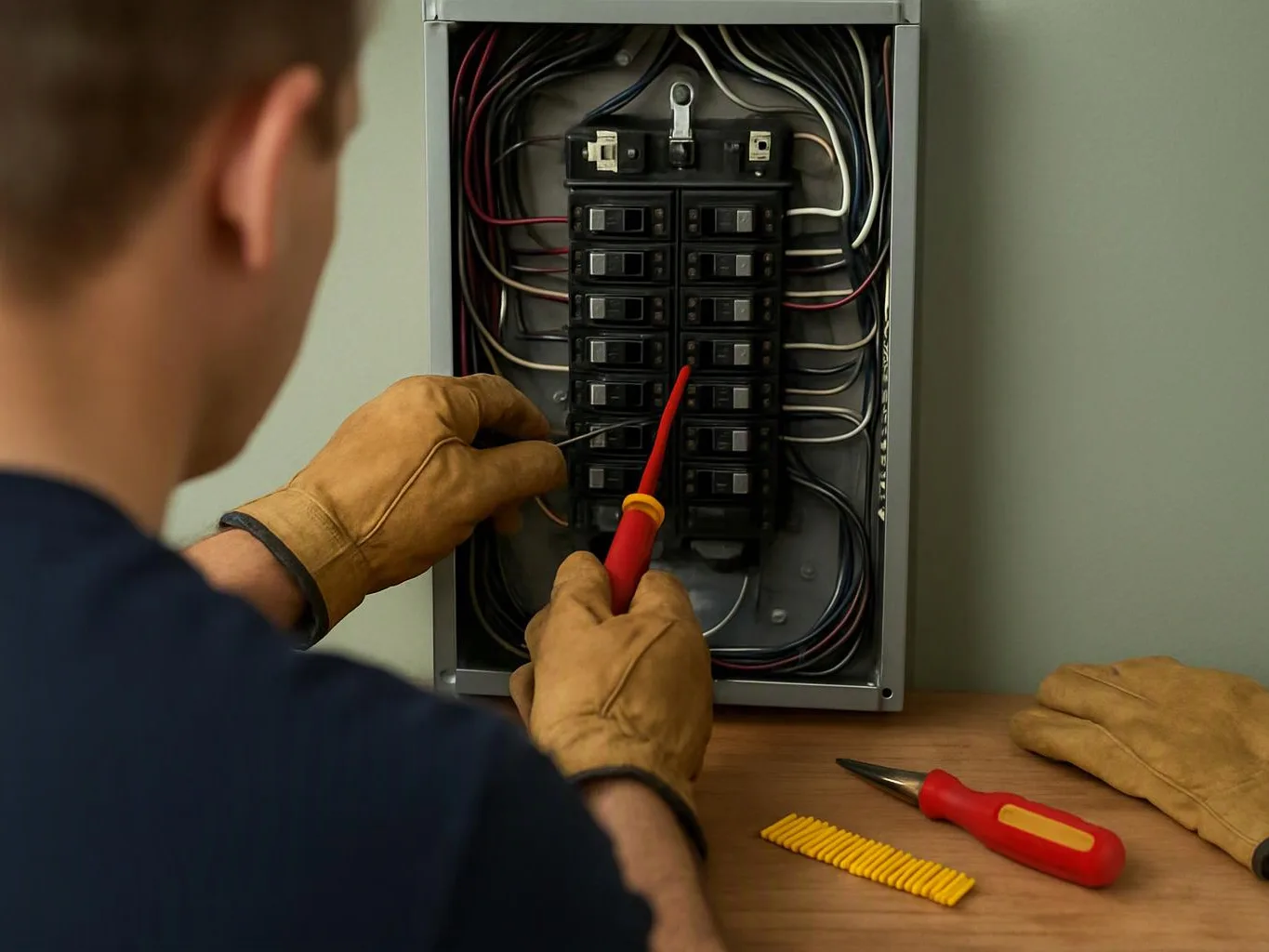
The reported circuit and its protective devices receive the first inspection. We check the panel, breaker, wiring, outlets, switches, and grounding tied to the concern. Photos, inspection notes, and the location of the fault help us focus the review. The first check does not by itself define the full repair scope.
How does electrical code correction differ from troubleshooting?
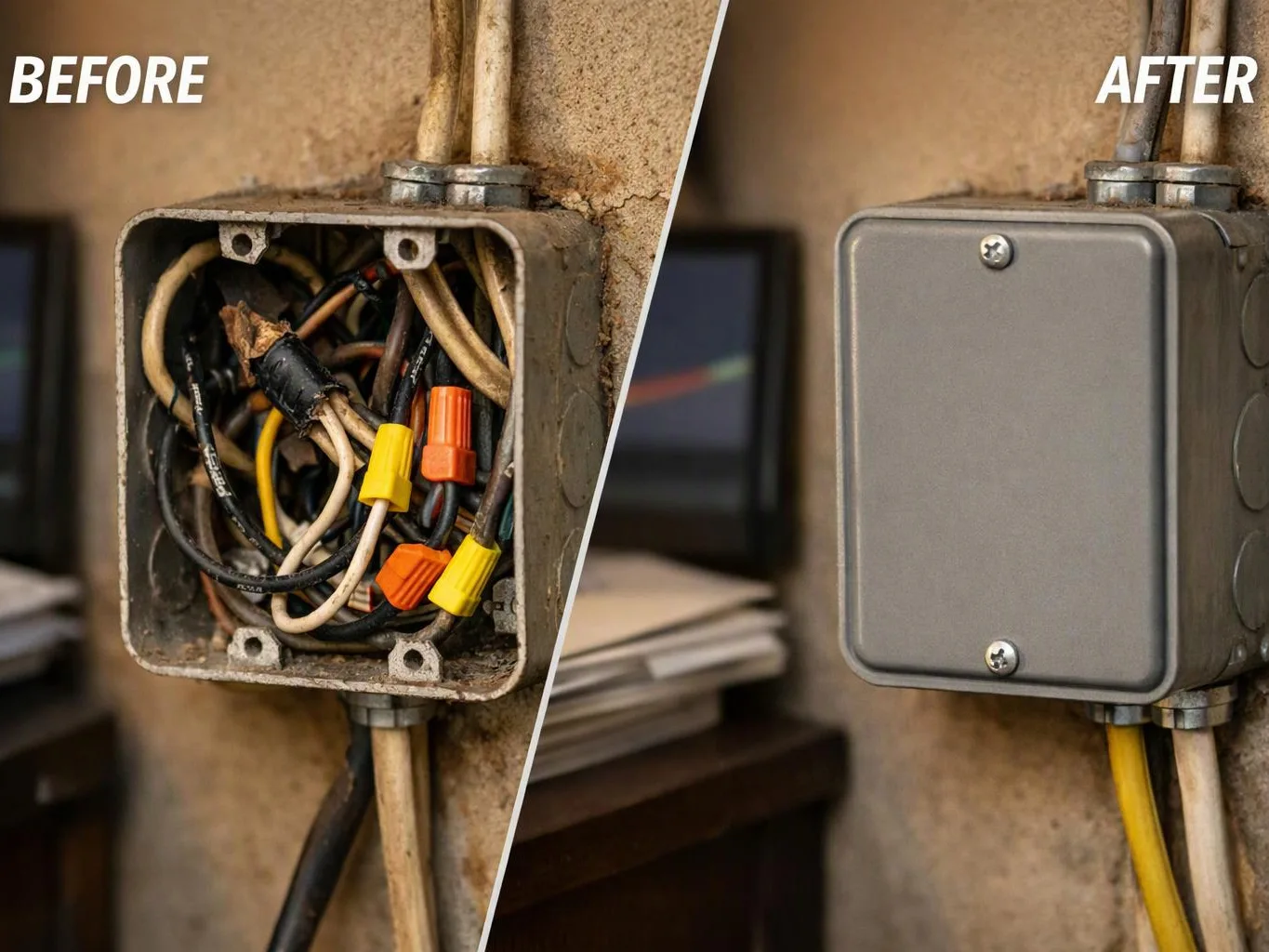
Electrical code correction repairs a known compliance problem, while troubleshooting searches for the source of an unexplained fault. We may use circuit tracing during either service. The final scope depends on what the inspection finds, such as damaged wiring, poor grounding, an unsuitable breaker, or an overloaded panel.
Who is a good fit for this correction service?
Property owners with an inspection note, unsafe electrical condition, or known wiring violation are good fits. We also help businesses that need a focused correction around panels, outlets, or circuits. A remodel, EV charging installation, or full service entrance upgrade needs a separate project review.
What happens after the electrical repair is complete?
Testing and verification follow the repair. We check the affected circuit, connected devices, breaker operation, and grounding when those parts are within scope. We then explain what was corrected and whether a follow-up inspection or additional electrical work is needed.
Which electrical parts often affect the correction scope?
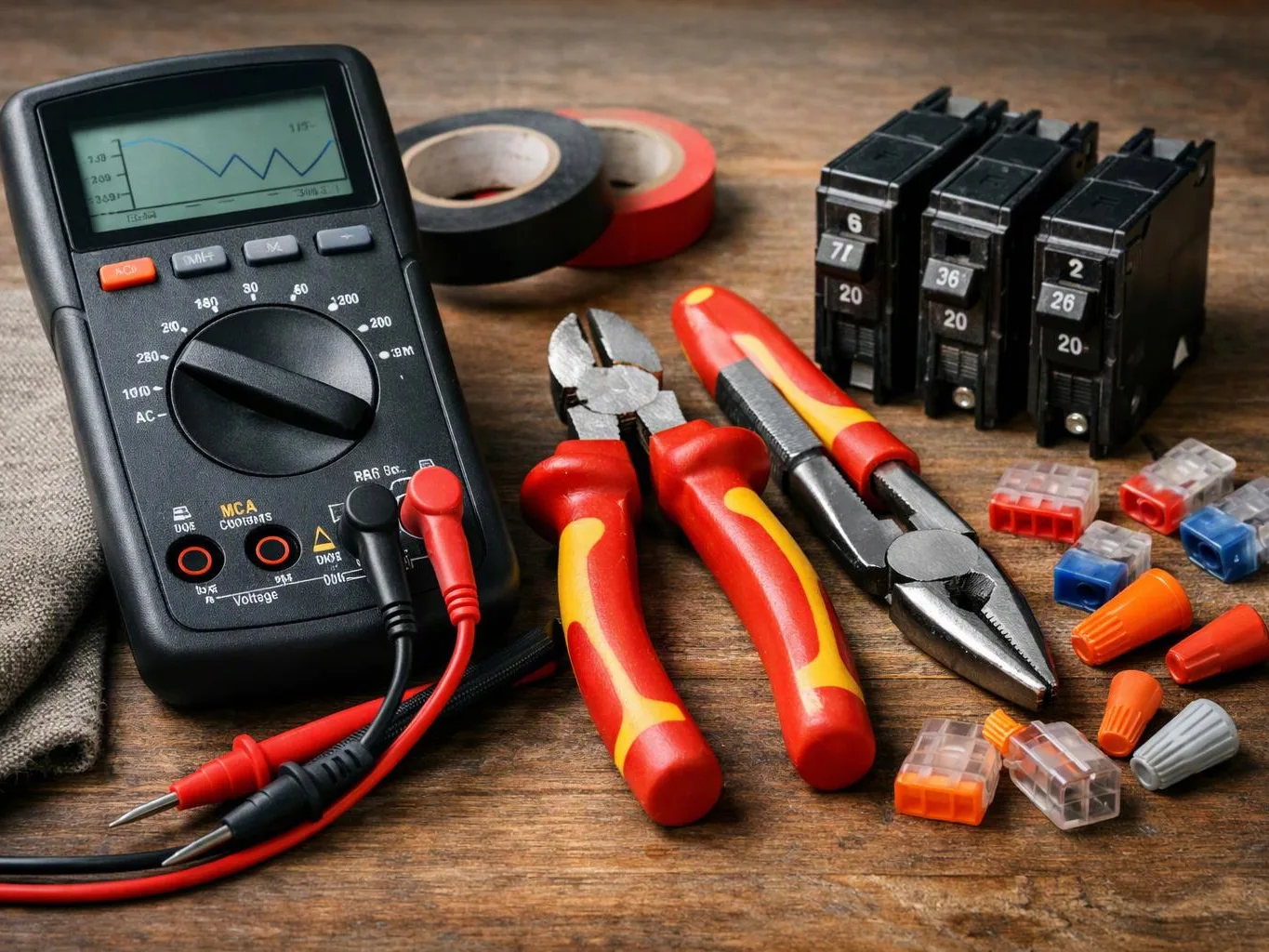
The panel, breaker, wiring path, outlet, switch, and grounding system can affect the correction scope. Access also matters when wiring runs through finished walls or enclosed areas. We inspect the connected parts before separating a focused repair from wider panel or rewiring work.
When should a property owner stop using an affected circuit?
A property owner should stop using a circuit when it produces a burning smell, buzzing sound, sparks, heat, or repeated breaker trips. Turn off the device if it is safe to do so and keep people away from the concern. We can assess the circuit and identify the needed correction.