When should a home receive an electrical safety inspection for remodeling plans?
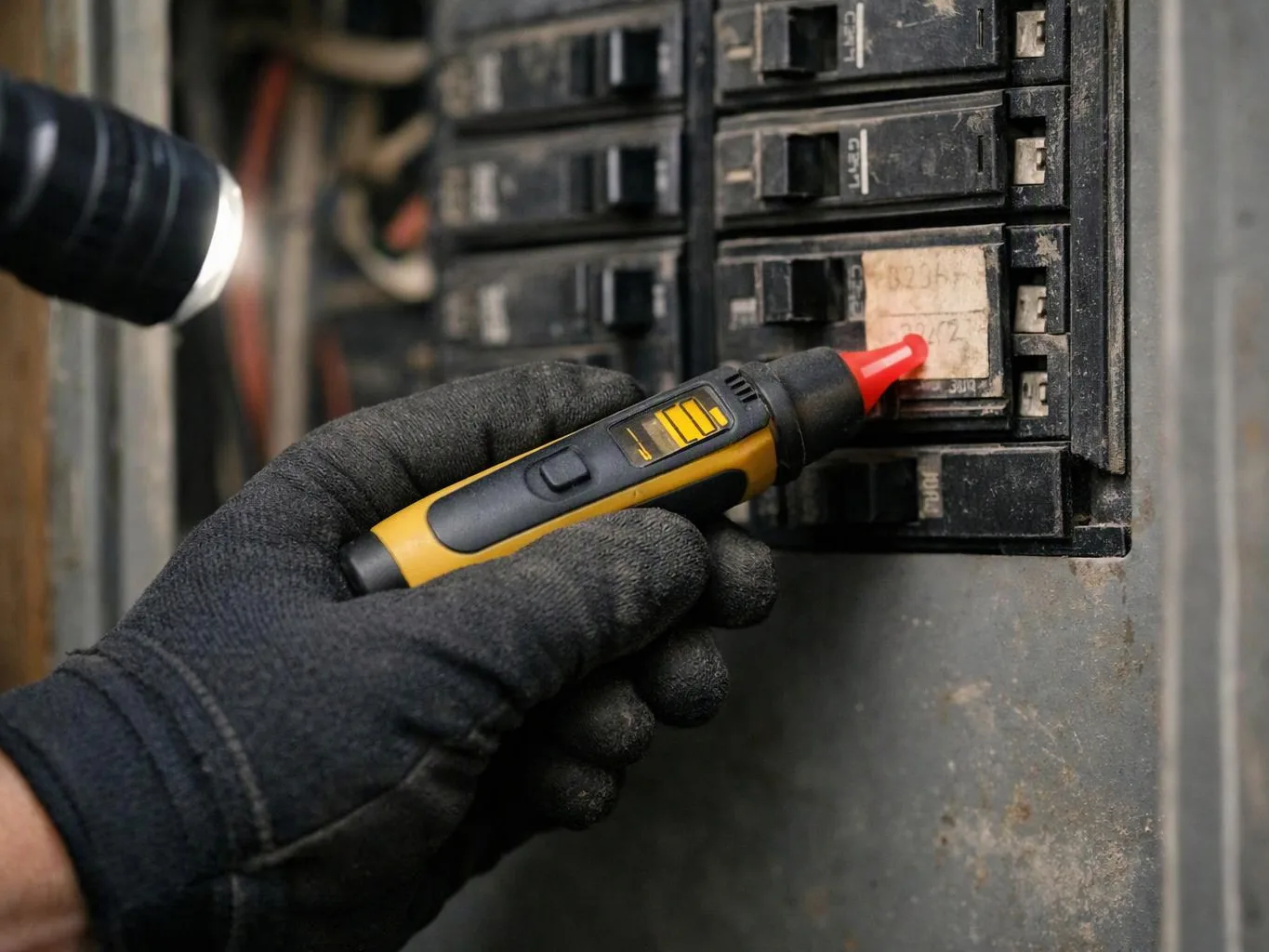
Remodeling plans should receive an electrical safety inspection before new wiring, lighting, outlets, or appliances are installed. GMB Electric reviews the existing panel and circuits first. Early inspection can expose load limits, damaged wiring, or grounding concerns while access remains easier. We then explain which electrical work belongs in the project scope.
Which part of the property decides the inspection scope?
The rooms, circuits, panel, fixtures, and planned equipment decide the inspection scope. We focus on areas affected by the work, then expand circuit tracing when symptoms point elsewhere. A kitchen addition, finished room, or panel change can require different checks because each adds different electrical demands.
Which material changes how long the inspection takes?
Older wiring materials can change the inspection work because connections, insulation, and grounding need closer review. Aluminum wiring, knob-and-tube wiring, and concealed cable each present different access questions. We identify the material first, then explain the testing or repair steps that fit the property.
How does an electrical safety inspection visit move from the first call to the last step?
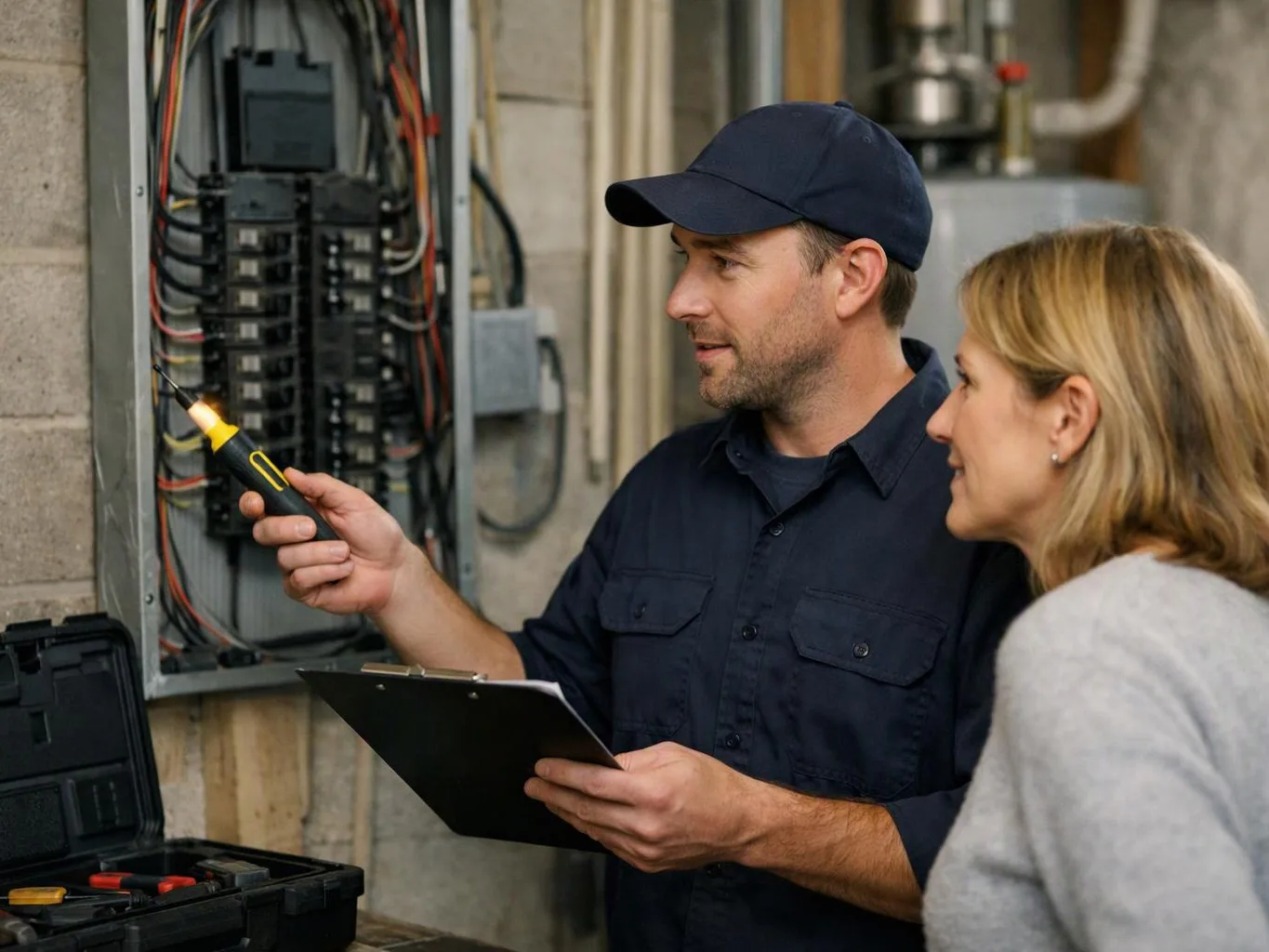
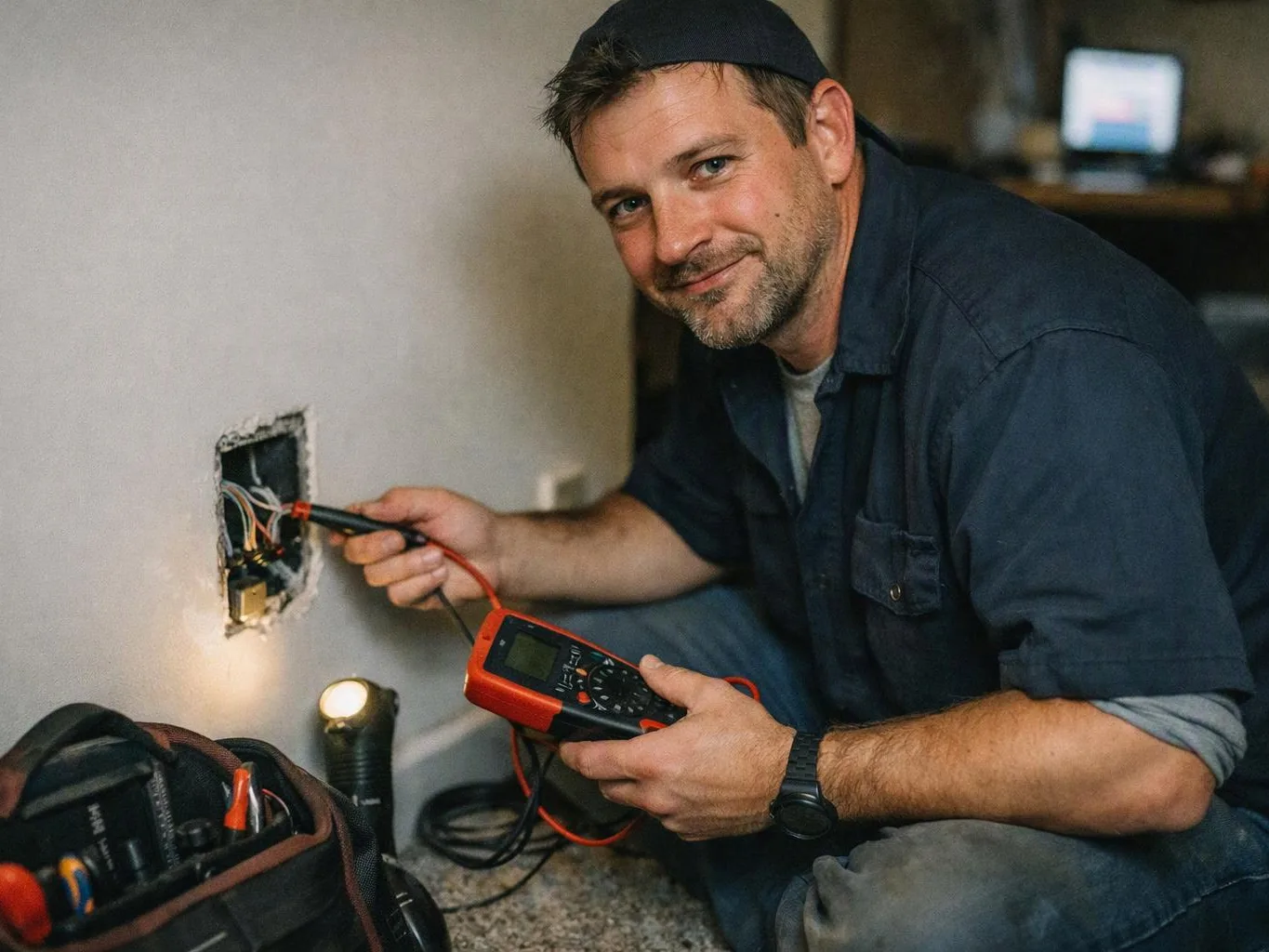
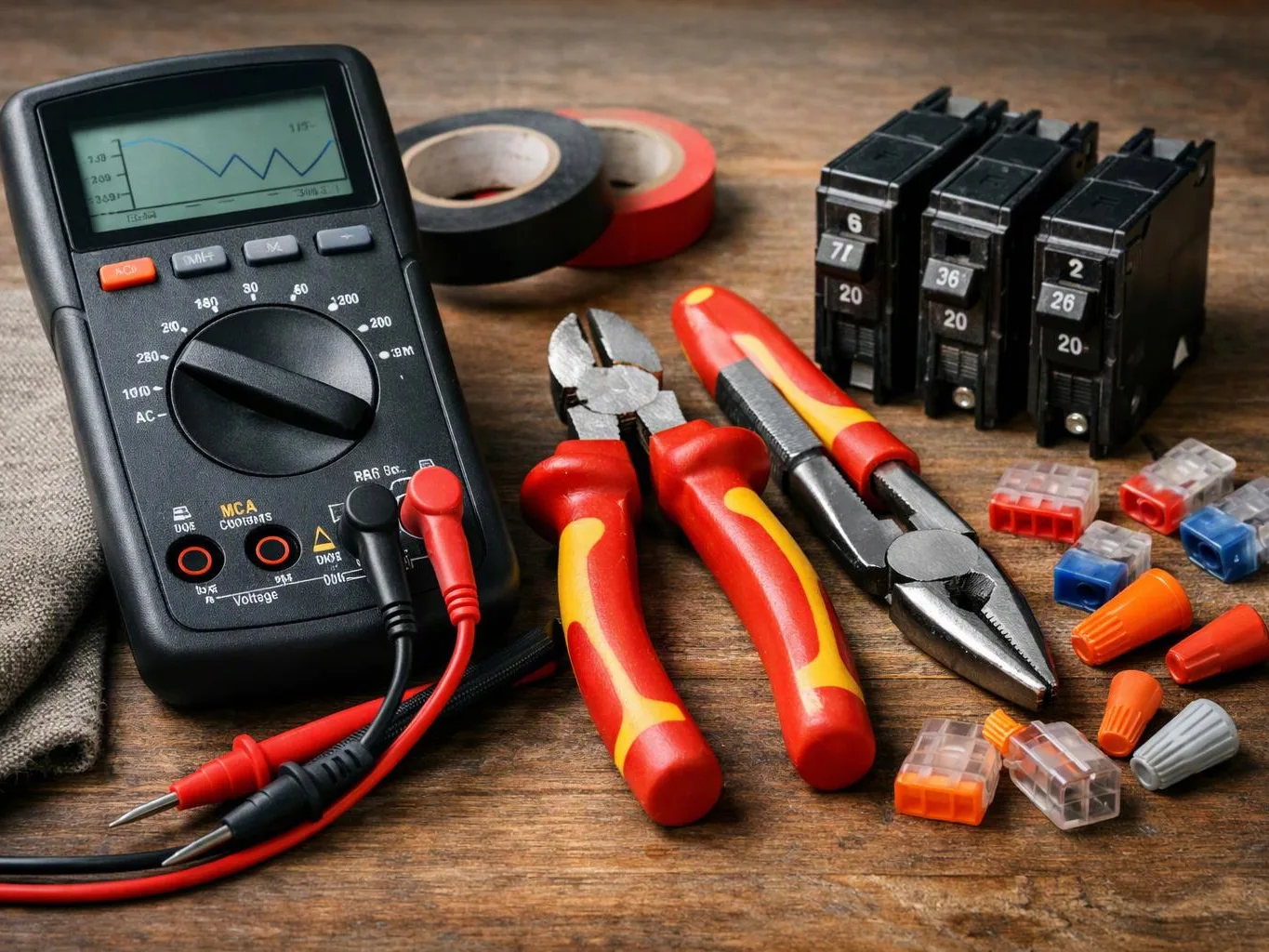
The visit moves from project review to panel checks, circuit tracing, testing, and a written repair discussion. We start with the remodeling plans and reported symptoms. We then inspect accessible components, verify relevant circuits, and explain which repairs or upgrades should happen before construction continues.
What makes a breaker trip during a remodeling project?
A breaker can trip because of an overloaded circuit, damaged wiring, a failing breaker, or a connected appliance fault. We trace the circuit and inspect the panel before recommending a repair. Repeated trips deserve attention because resetting the breaker does not identify the underlying electrical problem.
Why does a burning odor require an urgent electrical assessment?
A burning odor can signal heat at an outlet, switch, connection, breaker, or wire. We inspect and isolate the affected circuit so the source can be assessed safely. Stop using the area if the smell continues, and request urgent service when smoke, sparking, or visible damage appears.
What does the inspection decide about a panel upgrade?
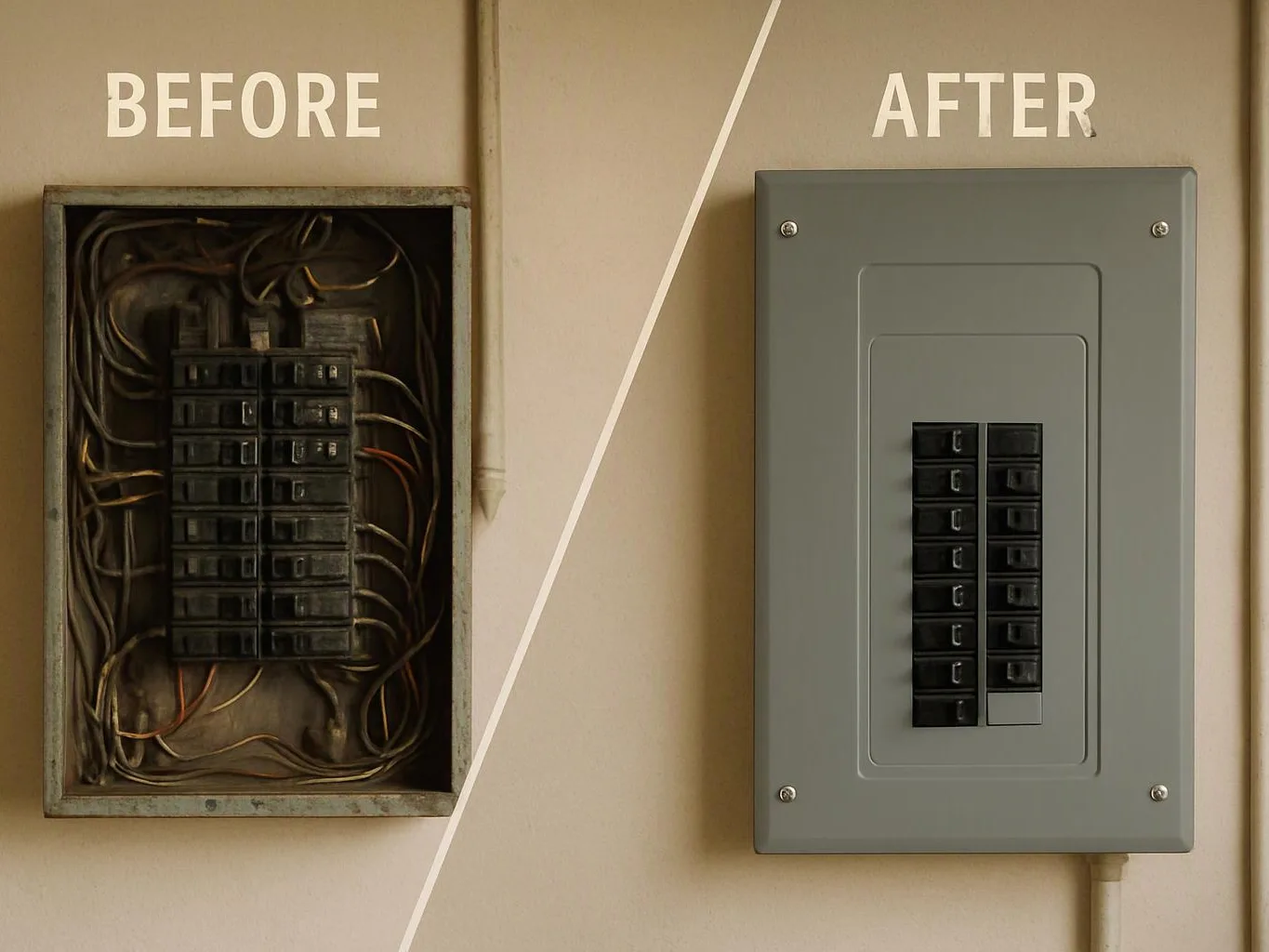
The inspection decides whether the existing panel and service can support the planned electrical load. We review breaker condition, available capacity, circuit demand, and the proposed equipment. A panel upgrade may fit when remodeling adds substantial load, but the recommendation follows the observed system and project scope.