What electrical hazards can an inspection find?
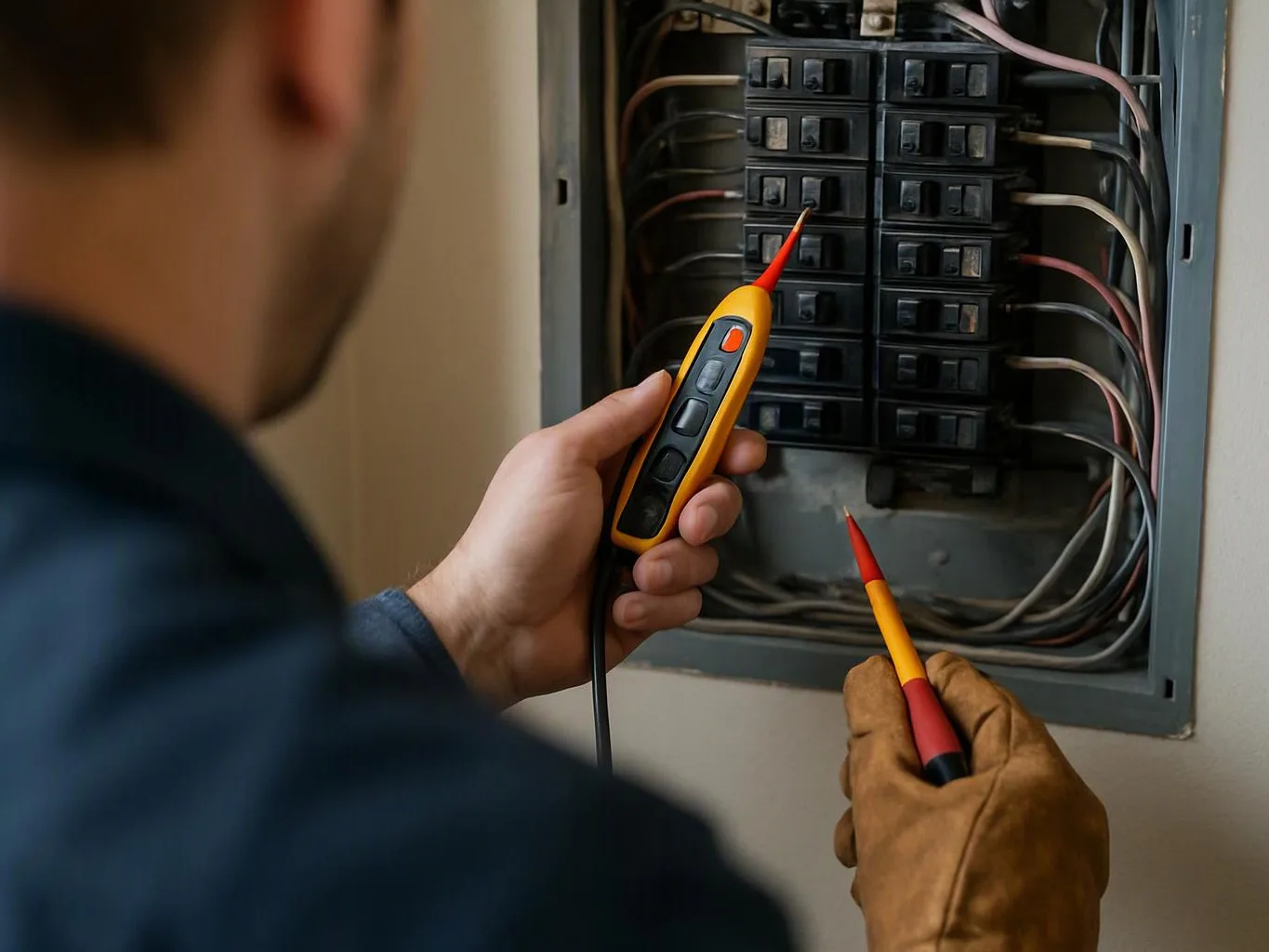
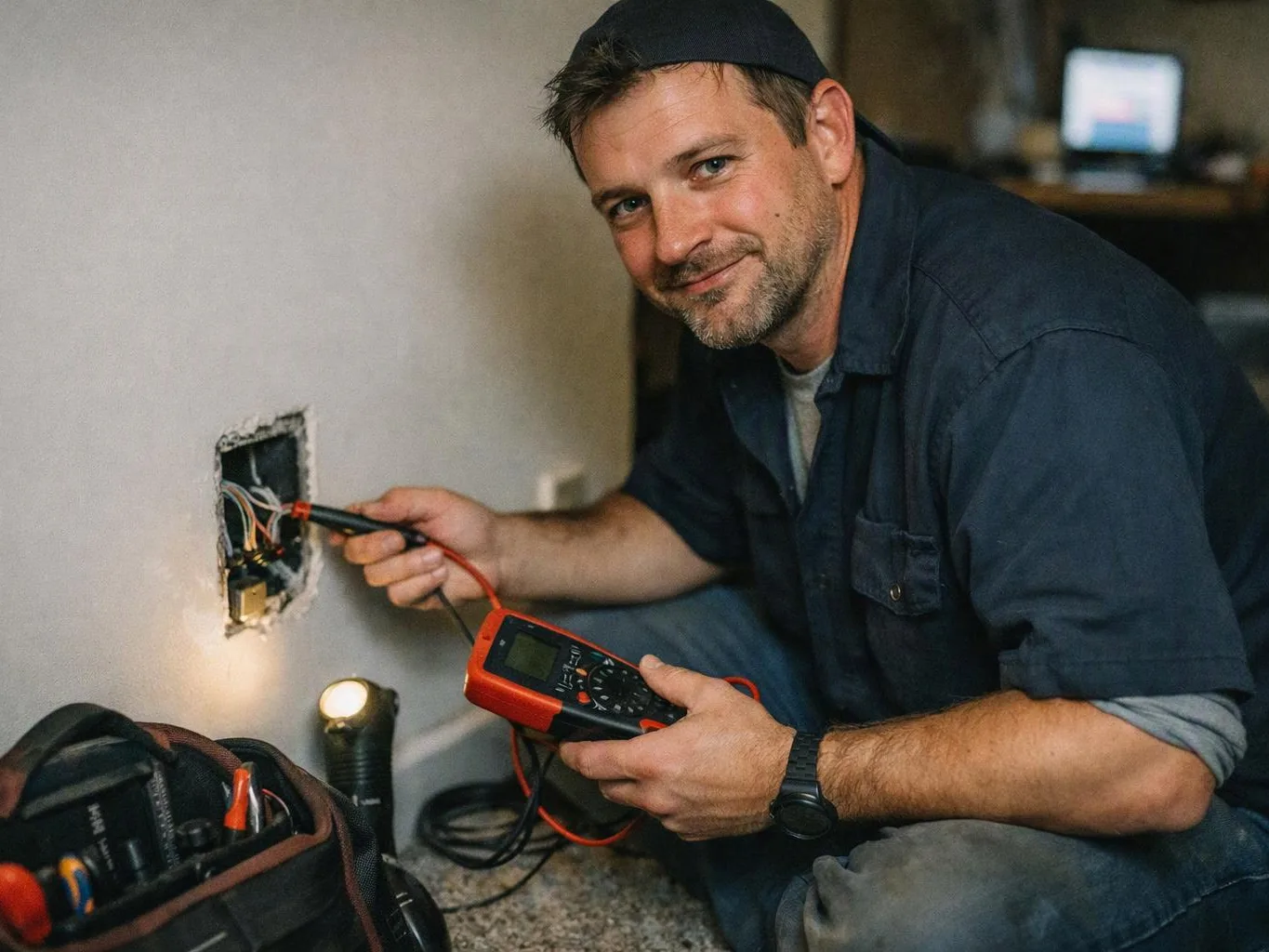
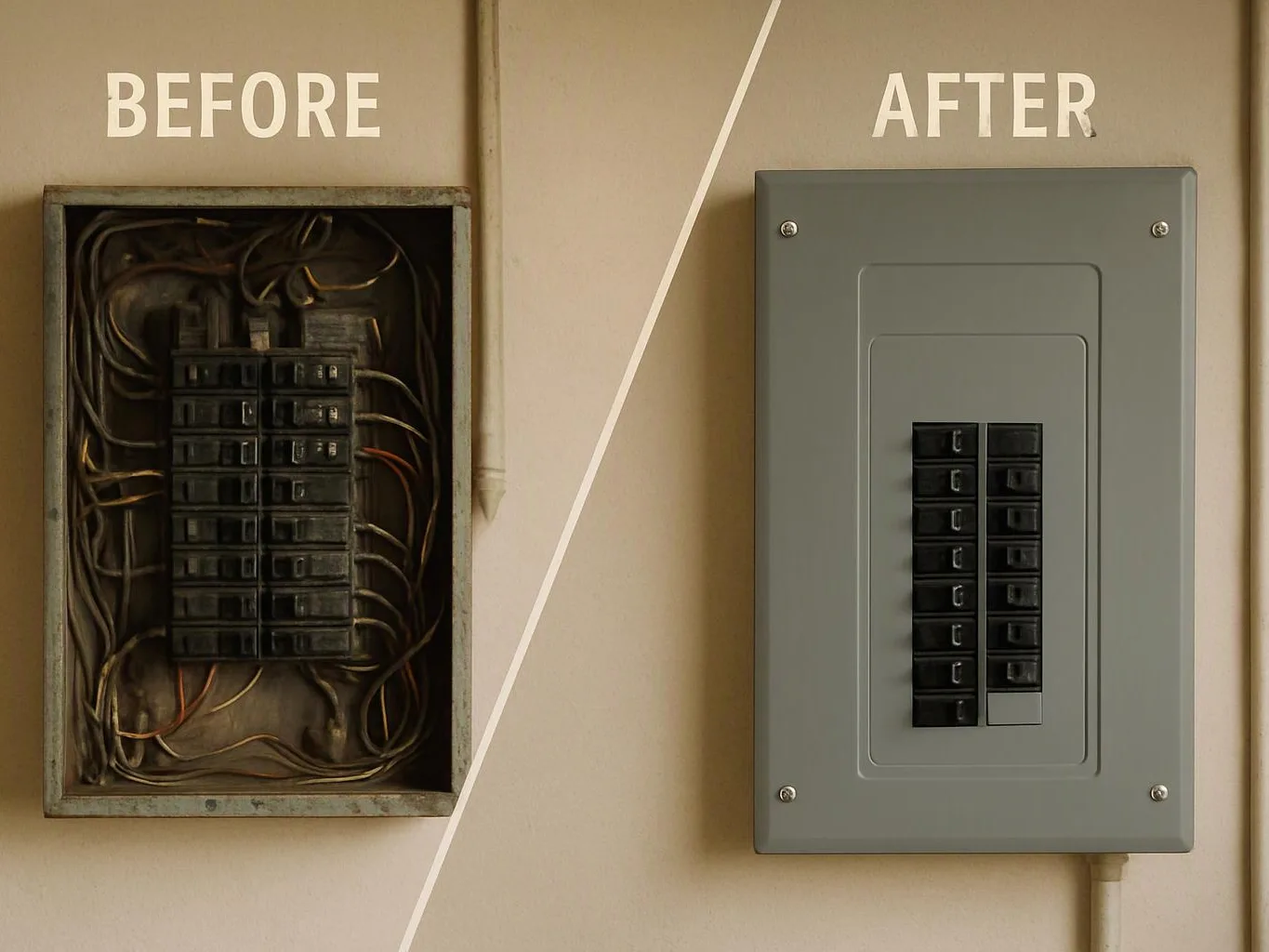
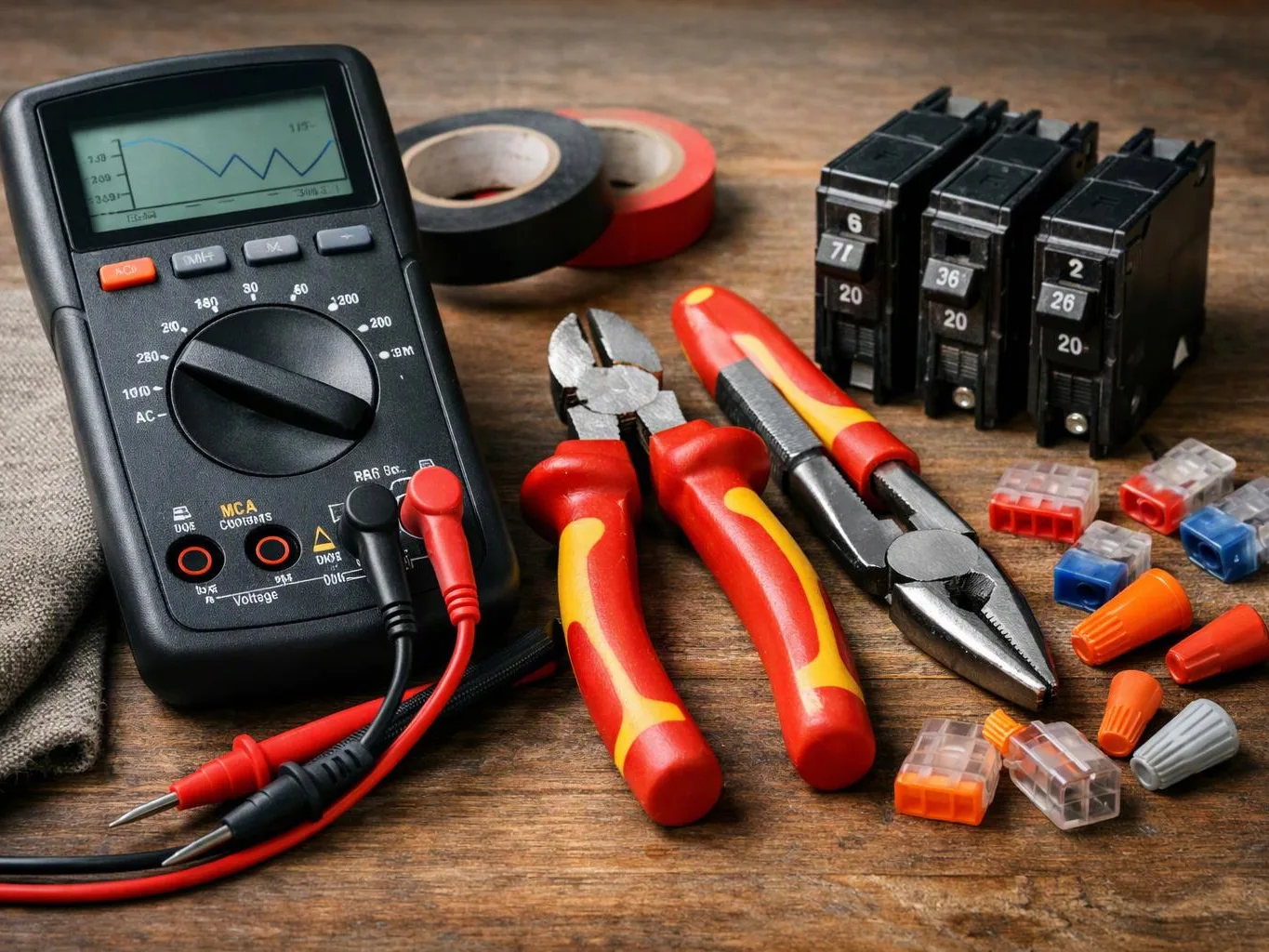
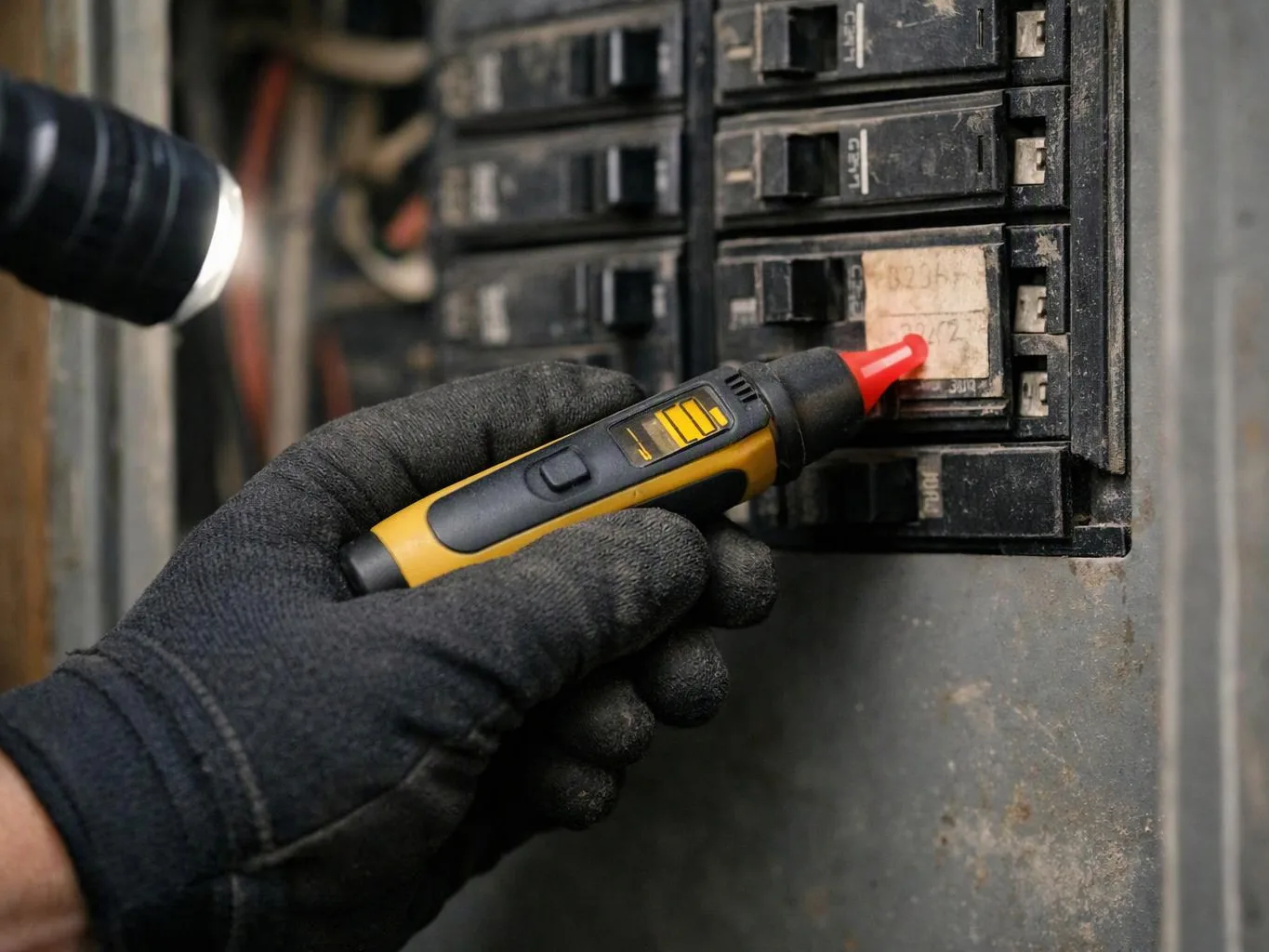
GMB Electric can find damaged insulation, faulty breakers, open grounds, overloaded circuits, loose connections, and unsafe outlet conditions. We inspect the panel, trace affected circuits, and test accessible receptacles. Findings guide the next step, which may involve adjustment, repair, or replacement. An inspection identifies the condition, while repair work addresses the specific fault.
How is the inspection matched to the property before work starts?
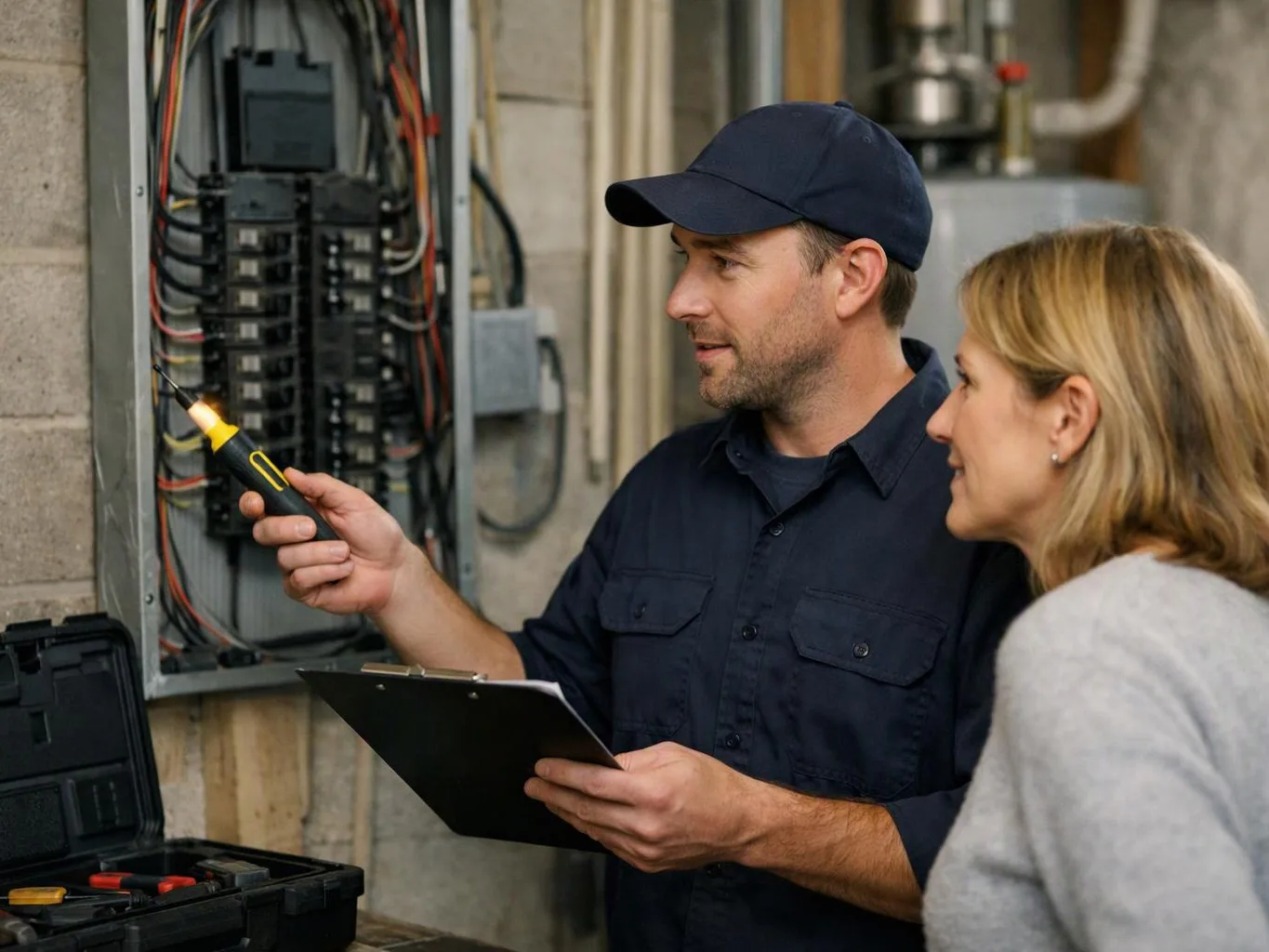
The property type, electrical symptoms, access, and current equipment determine the inspection path. We ask about flickering lights, dead outlets, breaker trips, recent changes, and business use. That information helps us focus on the right panel, circuits, outlets, and grounding points without treating every property as if it has the same risk.
What should be ready before the inspection starts?
Clear access to the electrical panel and affected outlets helps us inspect and test the system. Keep a list of symptoms, recent electrical work, and equipment connected to the affected circuit. Do not remove covers or handle damaged wiring before we arrive. Photos can help explain a visible concern during scheduling.
Which part of the job changes the quote?
The inspection scope changes the quote when access, circuit tracing, testing, or follow-up planning expands. Panel location, property size, reported symptoms, and the number of affected circuits also matter. We review those details before preparing a quote, and repair work receives its own scope when the inspection finds a fault.
When should a safety inspection become an urgent call?
An inspection becomes urgent when you notice sparking, smoke, a burning smell, a buzzing panel, or heat at an outlet or switch. Turn off power only if you can do so safely, keep people away from the area, and request emergency electrical service. We then focus on isolation and hazard control before broader testing.
Why does a breaker keep tripping after reset?
A breaker that keeps tripping can indicate an overloaded circuit, a faulty breaker, or a wiring problem. Repeated resets don't identify the cause and can leave the underlying fault active. We inspect the panel, trace the circuit, check connected loads, and test accessible wiring before recommending repair or replacement.
What should a customer ask before agreeing to the inspection?
Ask which areas will be inspected, what testing is included, and how findings will be separated from repair work. Confirm whether panel access, outlet testing, circuit tracing, and grounding checks fit the proposed scope. GMB Electric explains the work before starting, so you can decide what assessment matches the property concern.