When should a home receive an electrical safety inspection?
Frequent trips are a strong reason to schedule an electrical safety inspection, especially when the cause remains unclear or the symptom returns. Other reasons include remodeling plans, older wiring concerns, burning odors, warm switch plates, dead outlets, or flickering lights. We inspect the affected parts and explain whether you need repair, further testing, or planned upgrades.
What should be checked before an electrical safety inspection is scheduled?
The reported symptom, affected area, property type, and planned work help set the inspection scope. Before scheduling, note which breaker trips, what devices lose power, and whether you see heat, sparks, or an odor. Photos of the panel and affected outlet can help, but don't remove covers or handle damaged wiring.
Who is a good fit for an electrical safety inspection?
Homeowners, landlords, property managers, and businesses are good fits when they need a broad review of electrical safety. The service suits recurring symptoms, planned remodeling, and concerns about wiring or grounding. An active sparking outlet, smoke, or strong burning odor needs urgent electrical attention before a routine inspection.
What happens at each stage of an electrical safety inspection?
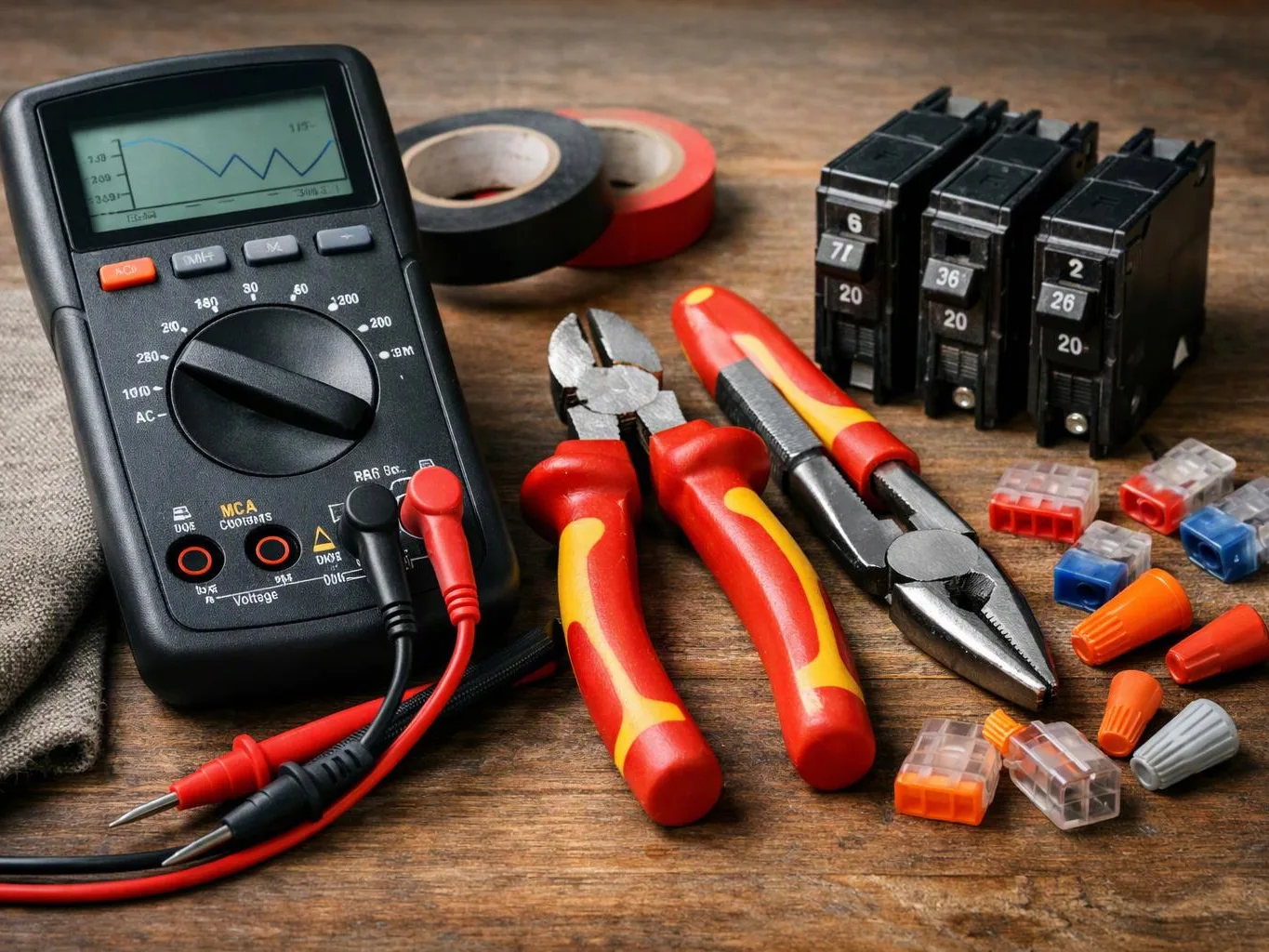
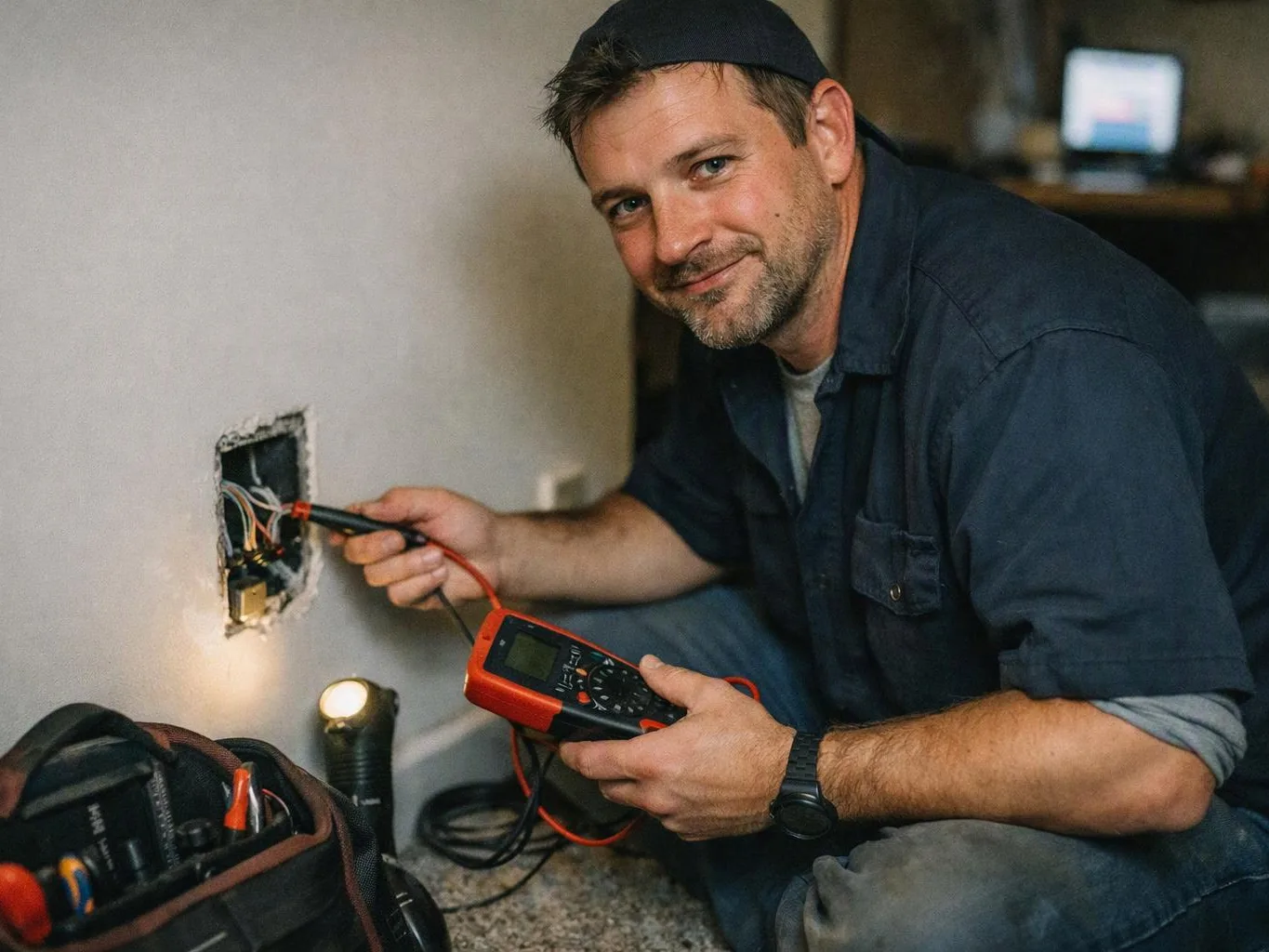
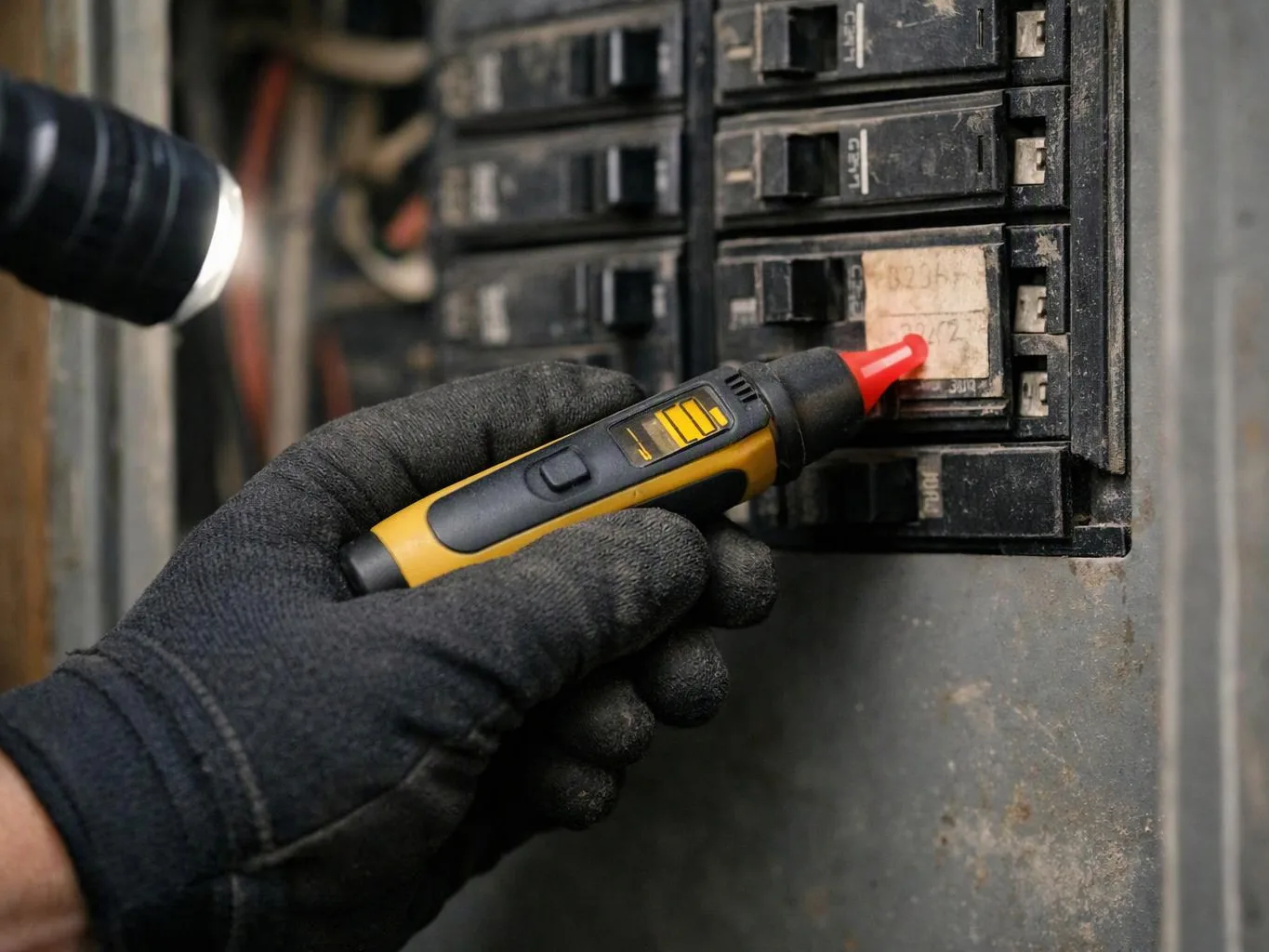
The inspection starts with symptoms and property details, then moves through panel, circuit, outlet, wiring, and grounding checks. We use circuit tracing or testing when the source needs more review. The final discussion separates repair needs from planned upgrades and explains the next practical step.
Which electrical problems can change the inspection scope?
Older wiring, remodeling plans, burning odors, and recurring breaker trips can expand the inspection scope. These concerns may require circuit tracing, a load calculation, grounding review, or panel service. We explain the added work before proceeding, so the assessment matches the condition being checked.
Why do frequent trips need more than a breaker reset?
Frequent trips need inspection because a reset doesn't identify an overload, damaged wiring, weak breaker, or circuit fault. We check the panel and trace the affected circuit to find the likely source. Stop using the circuit if it shows heat, odor, sparks, or visible damage.
How does a remodeling plan affect an electrical safety inspection?
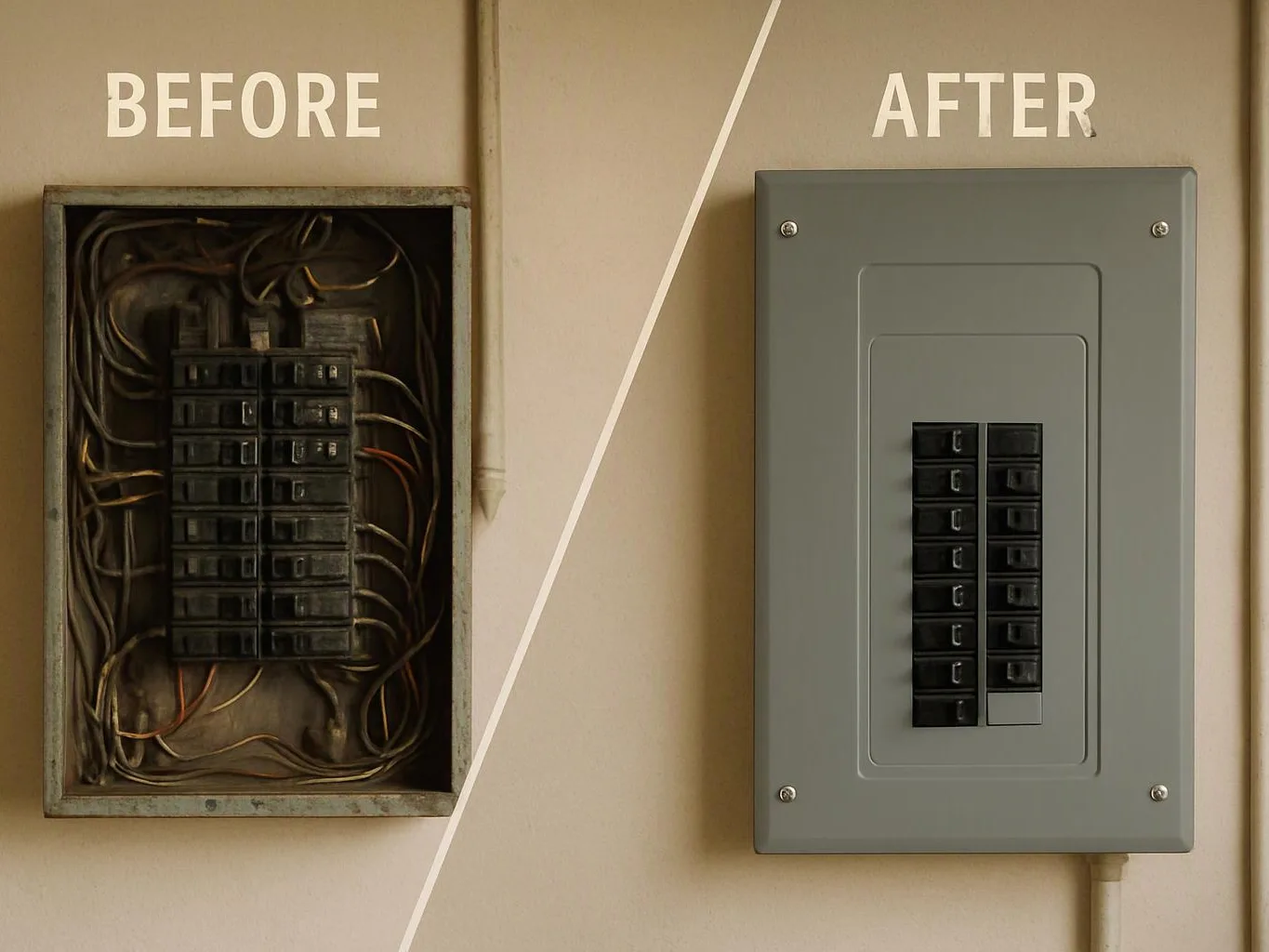
A remodeling plan adds future electrical loads that the current system may not support. We review panel capacity, circuit paths, grounding, and planned outlets or lighting before the work is set. A load calculation can help determine whether new circuits, a subpanel, or a panel upgrade belongs in the project scope.