How can I tell whether my electrical service is overloaded?
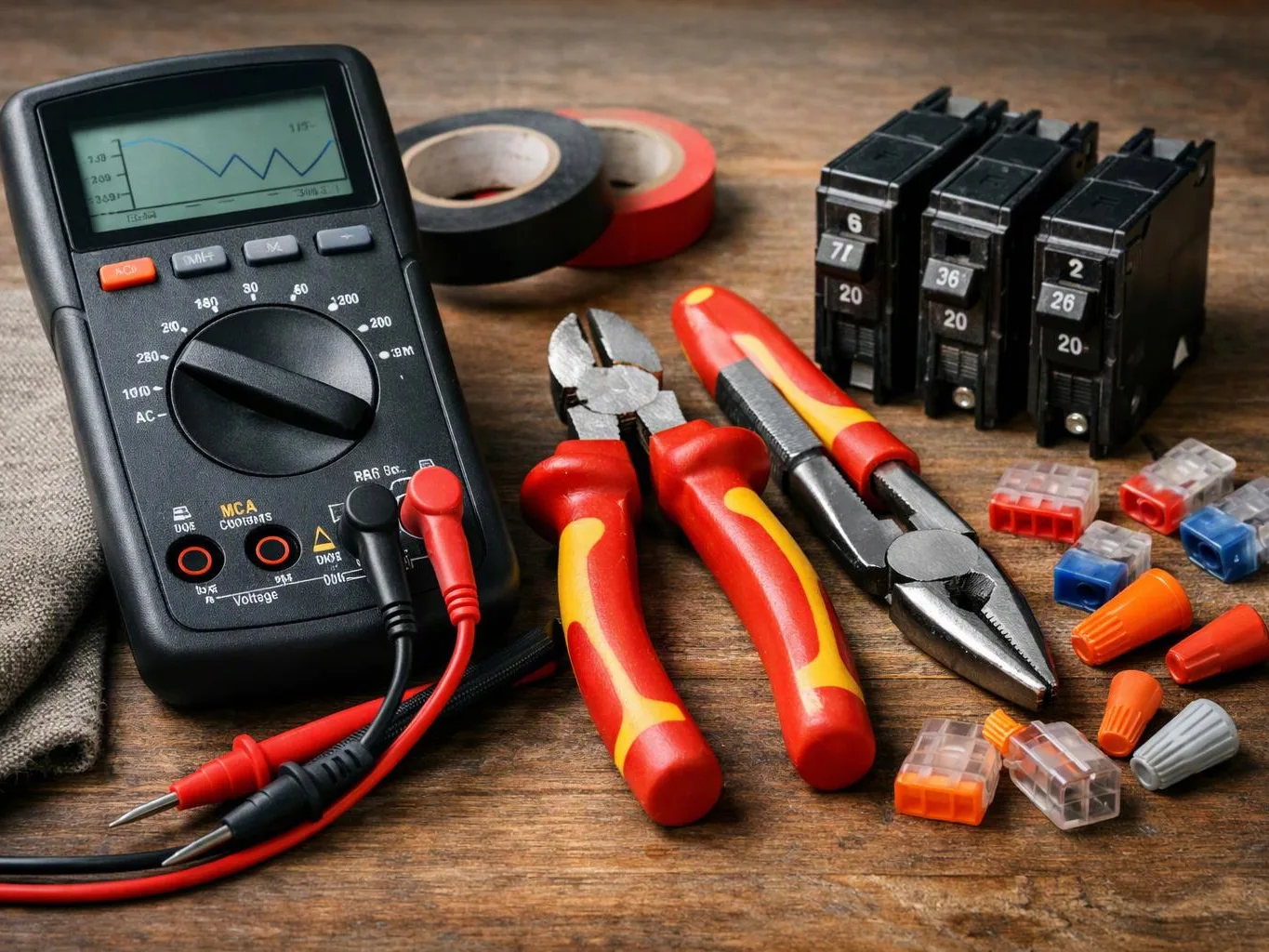
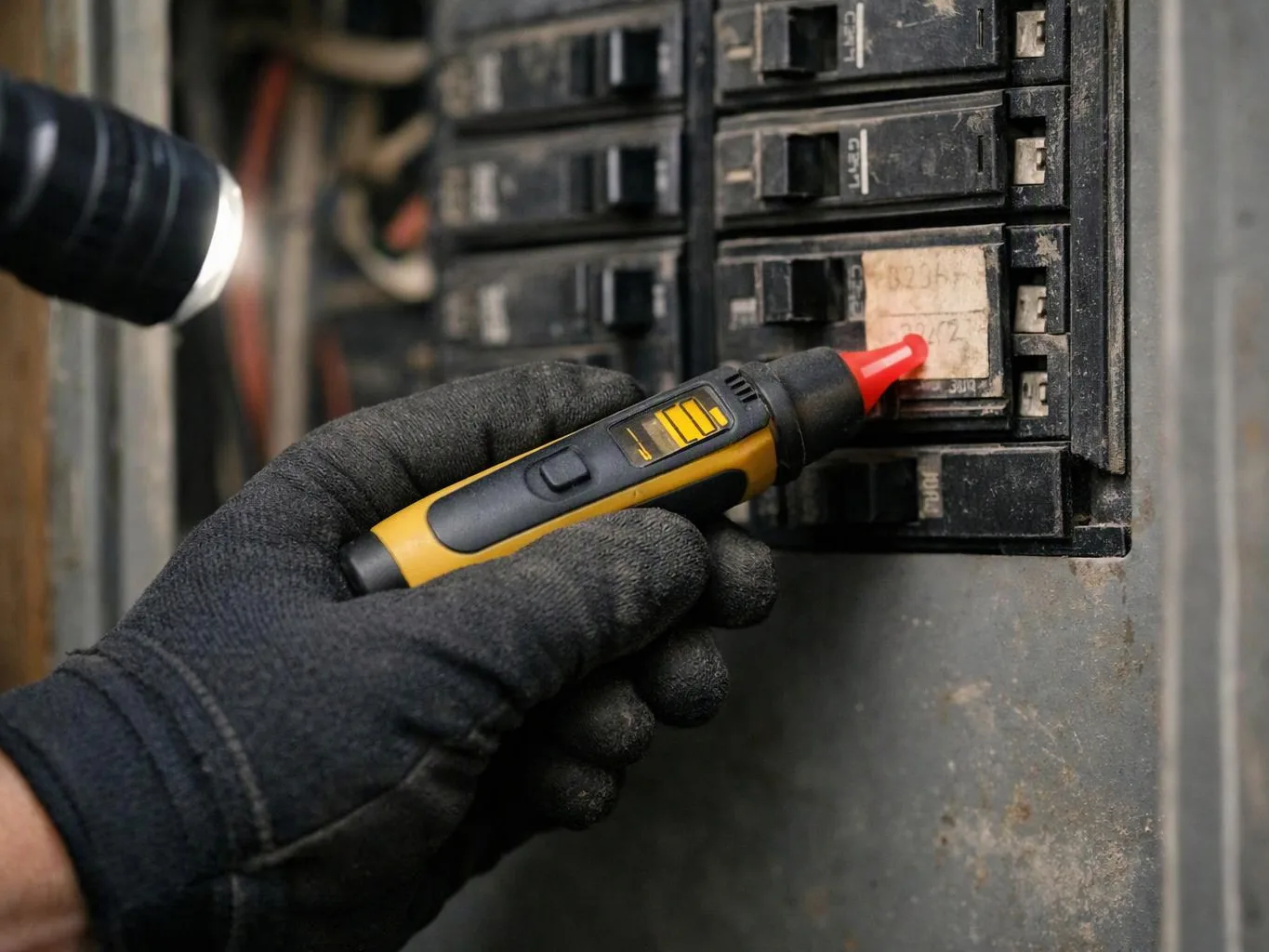
Tripping breakers can indicate that electrical demand exceeds a circuit’s safe capacity. GMB Electric checks the panel, breaker ratings, connected loads, wiring, and voltage readings to find the cause. Flickering lights and warm outlets add useful warning signs, but only testing can separate an overloaded service from a single circuit fault.
What does the first assessment check?
The first assessment checks the service panel, breakers, wiring, grounding, and affected circuits. We also review the equipment and appliances linked to the reported problem. That information helps us decide whether the property needs a panel upgrade, circuit repair, or a wider service change.
Which part of the property decides the upgrade scope?
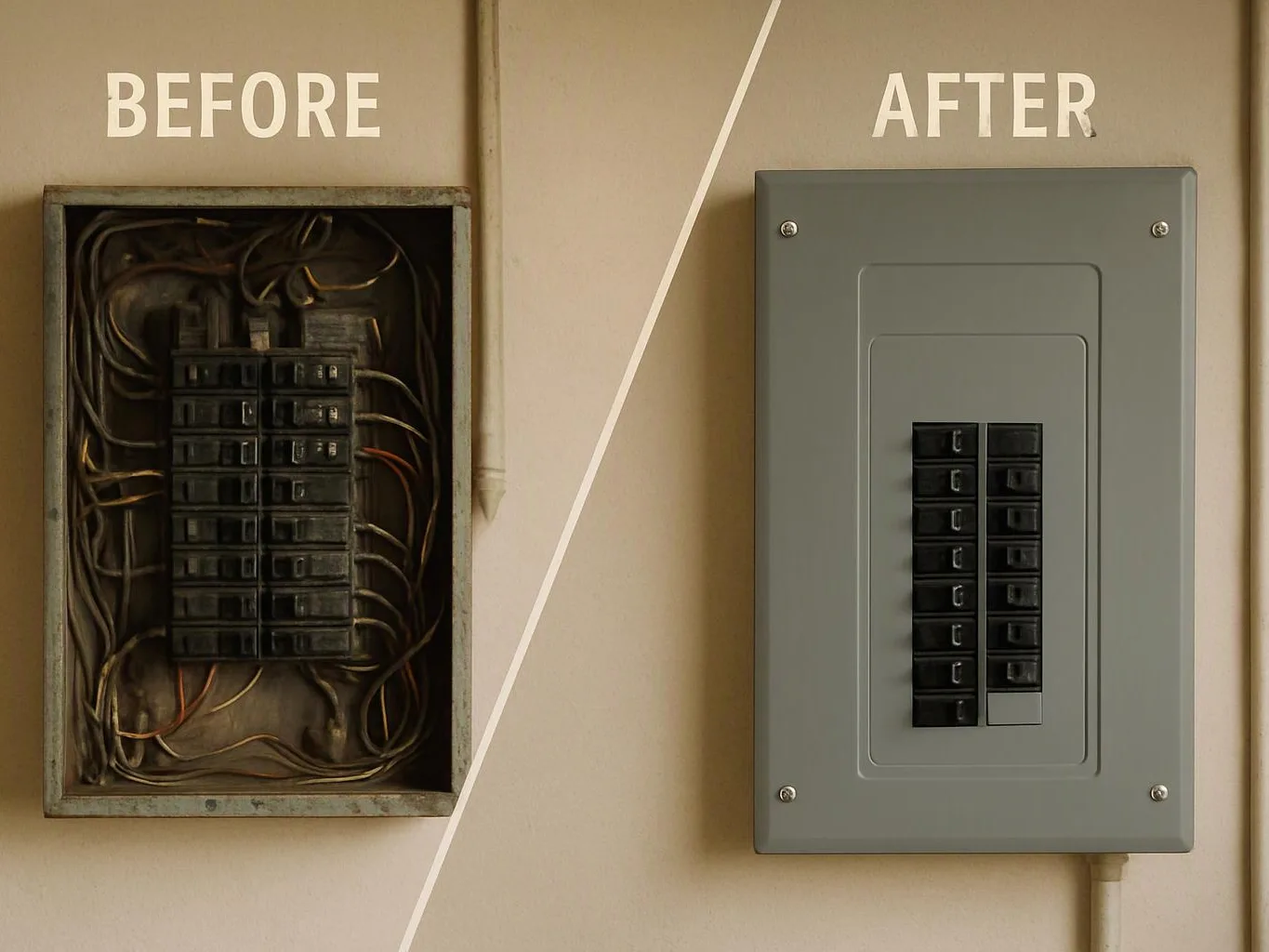
The main panel and service entrance usually set the upgrade scope. Available capacity, conductor condition, grounding, circuit layout, and access also shape the work. Our team checks those parts together because a panel change alone might not correct a wiring fault or voltage drop.
When does a panel problem need an upgrade instead of a repair?
A panel problem needs an upgrade when its capacity, condition, or layout cannot support the property’s electrical demand safely. We repair isolated breaker or connection faults when those faults explain the issue. Repeated trips, heat damage, limited capacity, and added electrical demand can point toward broader panel work.
Why do lights flicker when equipment starts?
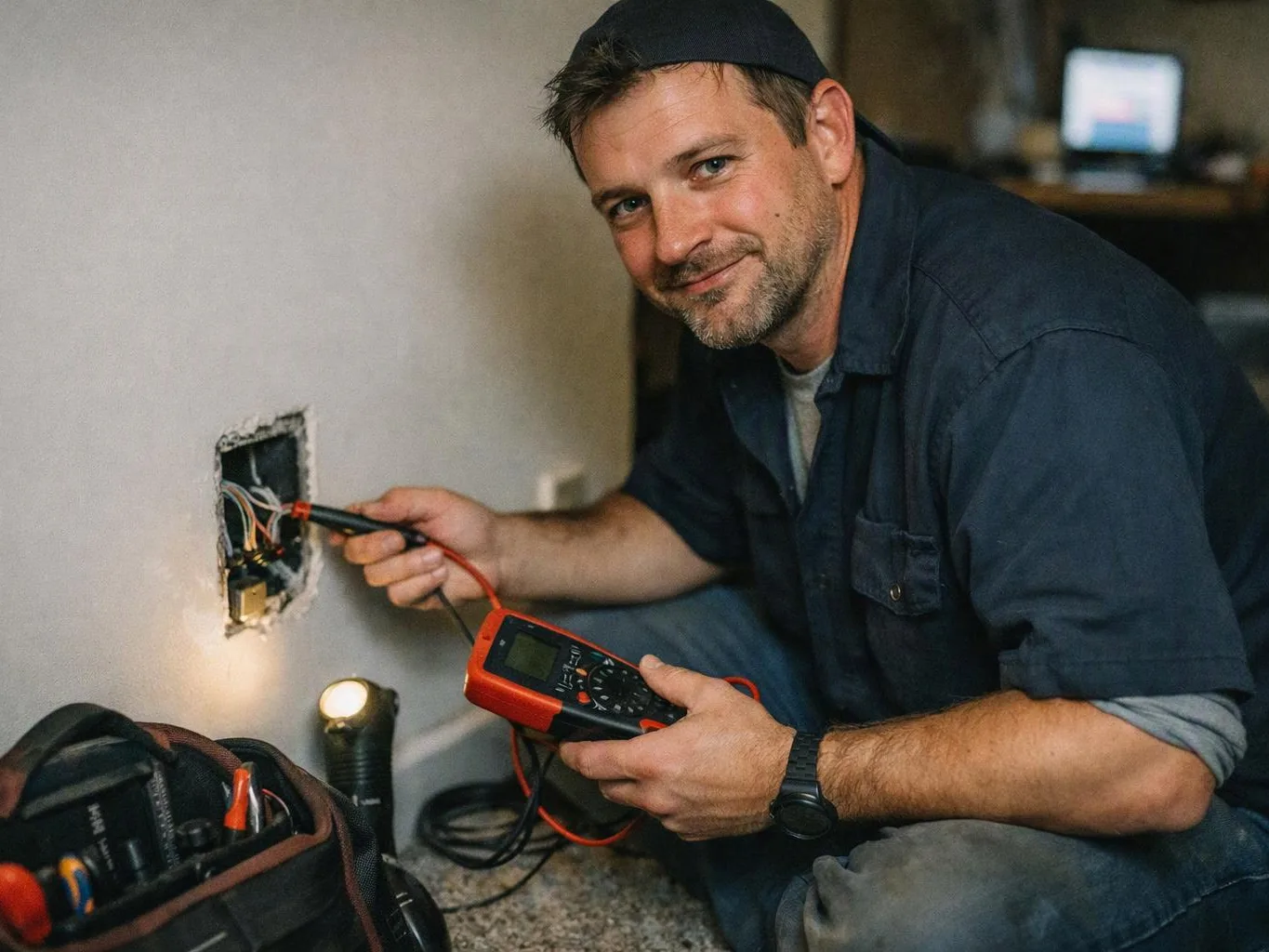
Flickering lights can occur when equipment startup creates a voltage drop on a shared or limited circuit. We test voltage at the panel and affected points, then trace the circuit and check its connections. The findings show whether the cause is a circuit fault, loose connection, or service capacity concern.
How does the work move from the first call to the last step?
The work moves from symptom review to inspection, load calculation, scope approval, installation, and testing. We first record the affected circuits and equipment. After the electrical changes, we test the system and explain what was checked before closing the job.
What should I do before requesting help with a hot outlet?
A hot outlet should be taken out of use until its cause is checked. Turn off the related circuit only if you can do so safely, and keep people away from damaged wiring. Our team can inspect the outlet, box, circuit, and panel to determine whether the issue is isolated or part of a larger load problem.