Why are my lights flickering or dimming?
Voltage fluctuation often comes from a loose connection, overloaded circuit, or faulty switch. GMB Electric checks the affected light, switch, outlet, circuit, and panel to find the source. A burning smell, buzzing panel, warm switch plate, or sparking outlet needs urgent attention. Keep clear of exposed wiring and share those warning signs when requesting service.
Who is a good fit for electrical troubleshooting, and who needs a different service?
Homeowners and businesses with an unexplained electrical symptom are good fits for troubleshooting. We diagnose flickering lights, dimming, tripped breakers, dead outlets, and switch faults. A planned fixture installation, EV charging installation, or full rewiring project needs a defined installation scope after diagnosis or as a separate request.
What does the crew look at first during electrical troubleshooting?
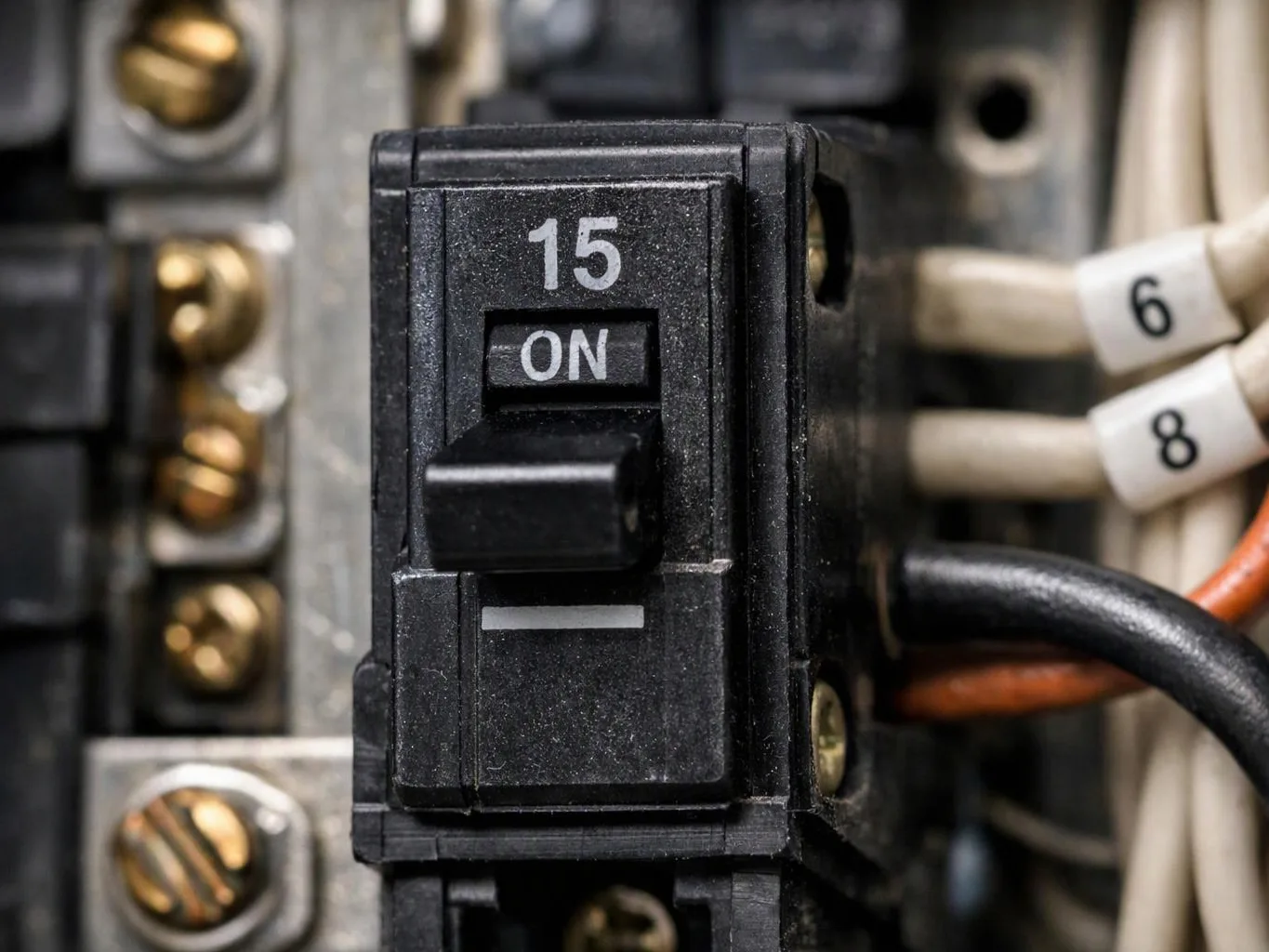
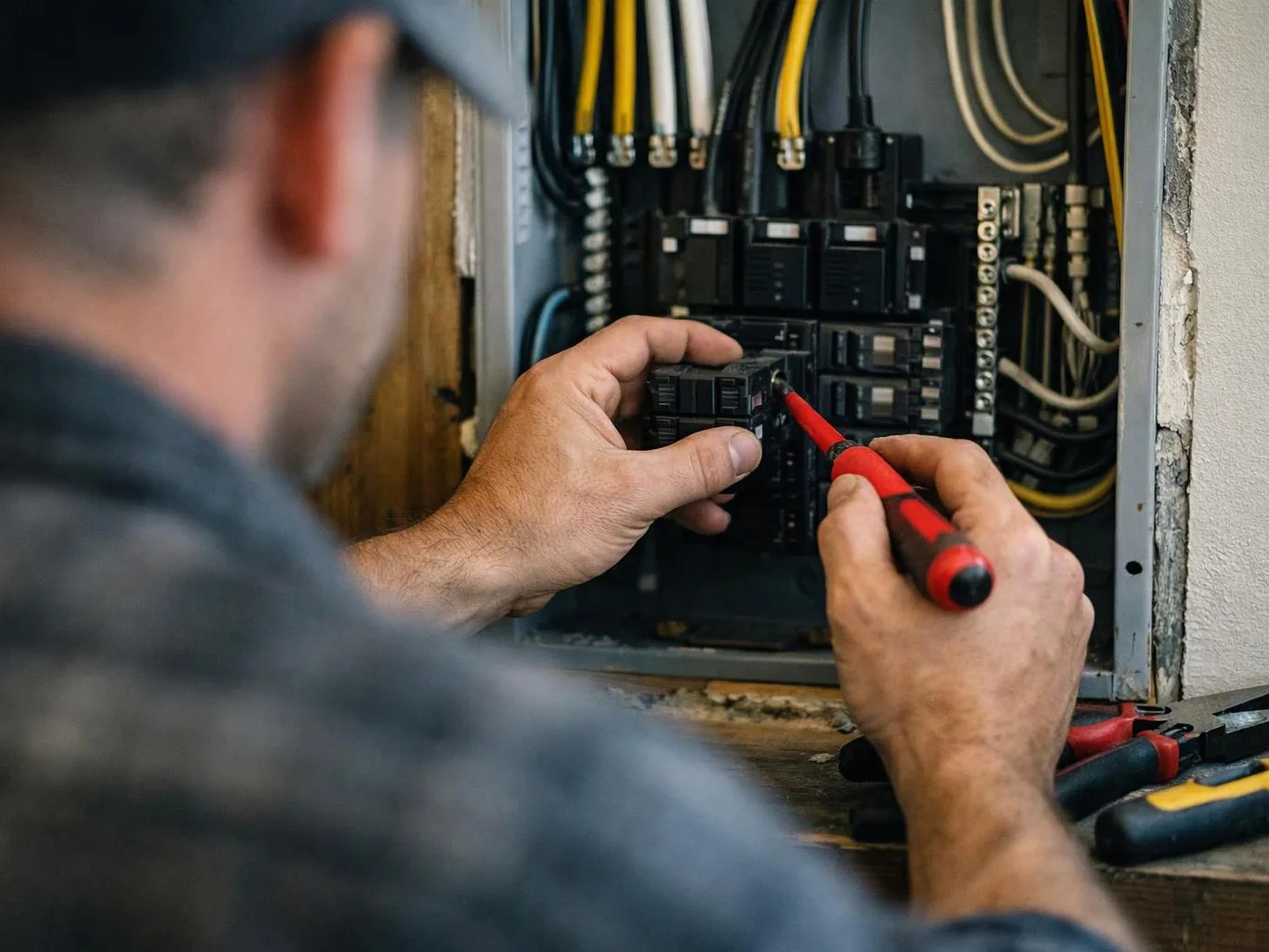
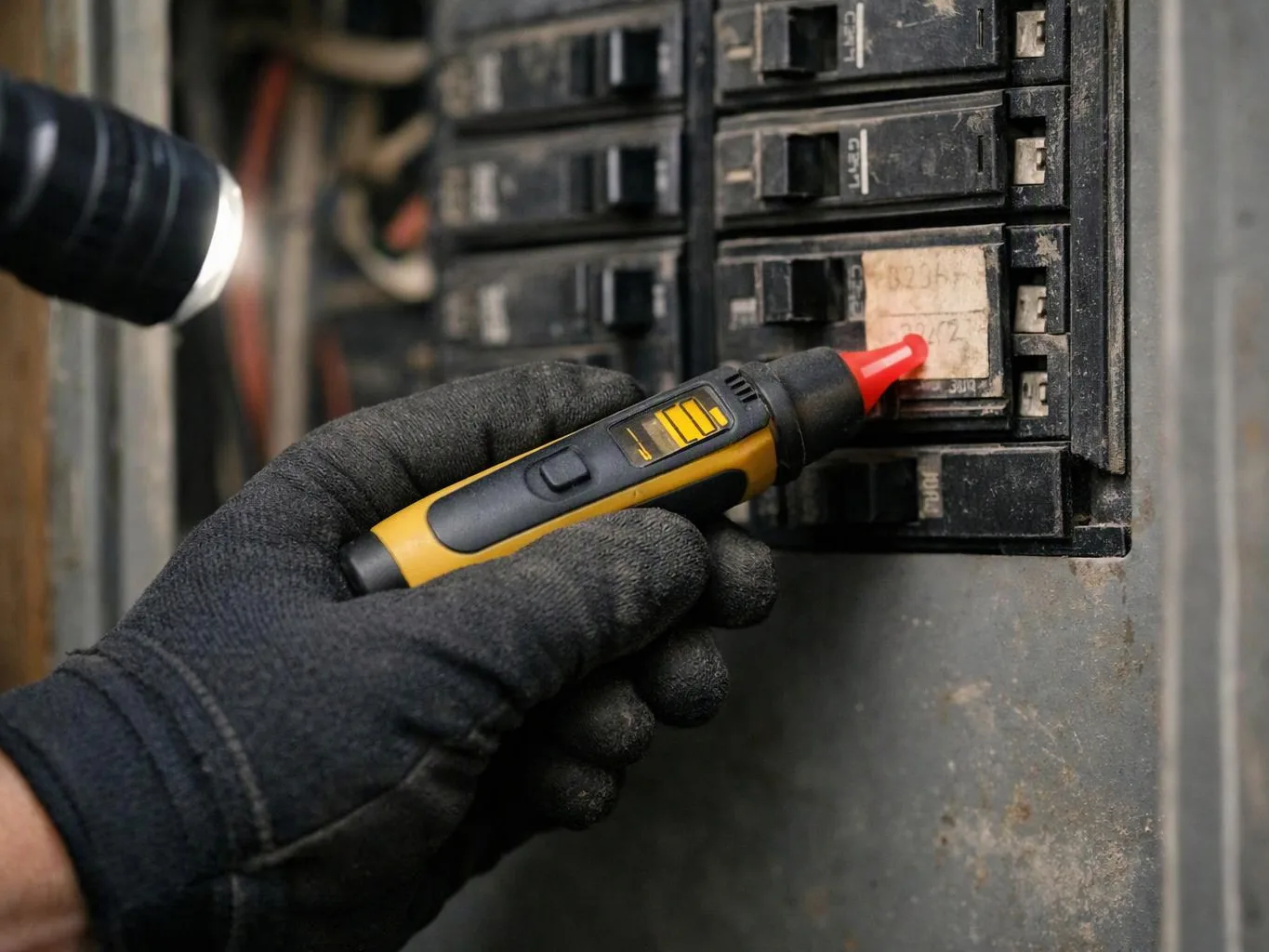
The affected light, switch, outlet, and breaker receive the first checks. We note when the symptom occurs, trace the circuit, and look for heat, loose connections, damaged wiring, or excess load. That order helps connect the visible problem with the part that needs attention.
How does each stage of electrical troubleshooting work?
The process moves from symptom review to circuit tracing, part checks, load assessment, and repair planning.
- We record the affected fixtures and conditions.
- We trace the branch circuit to its breaker and panel.
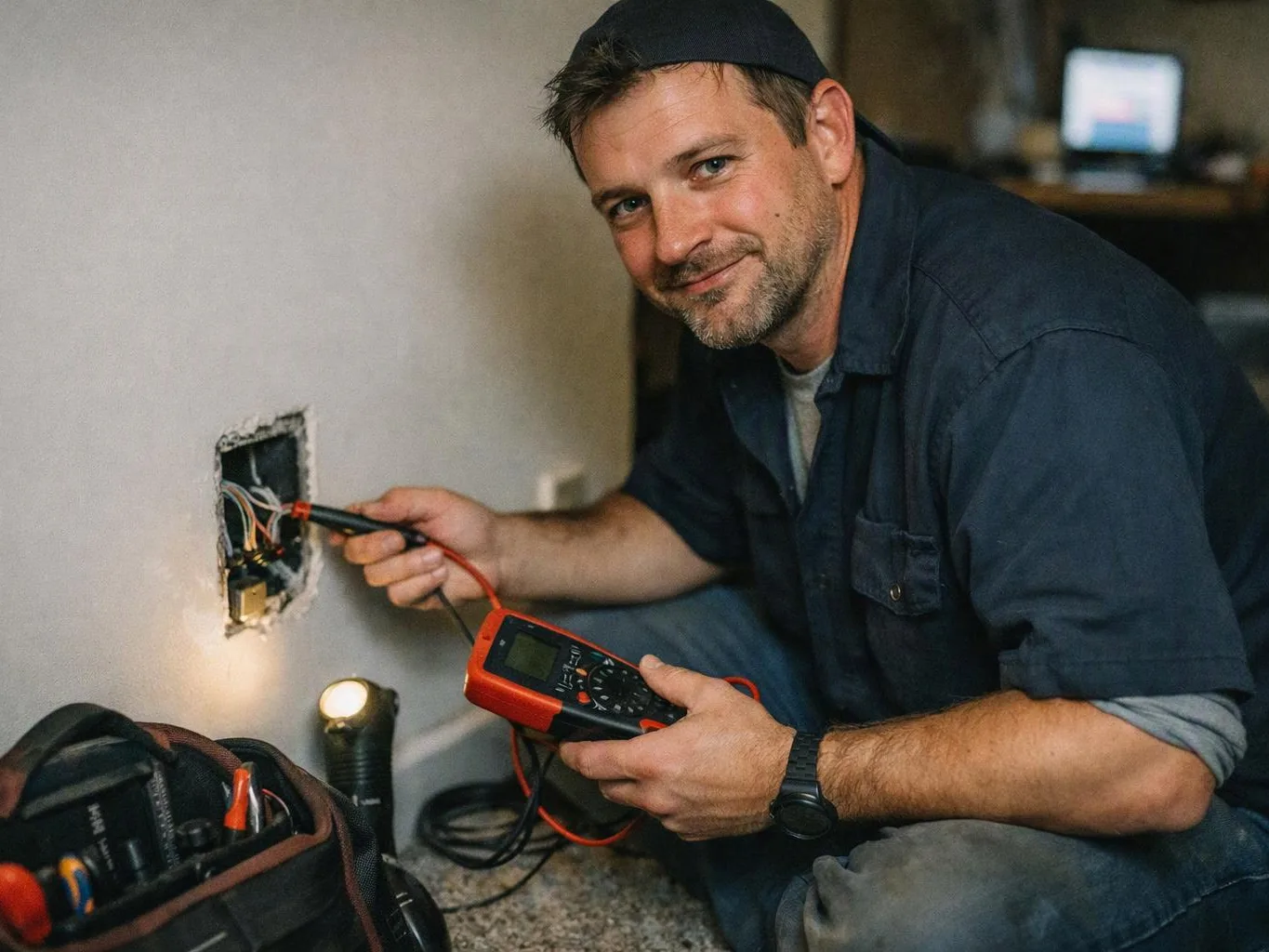
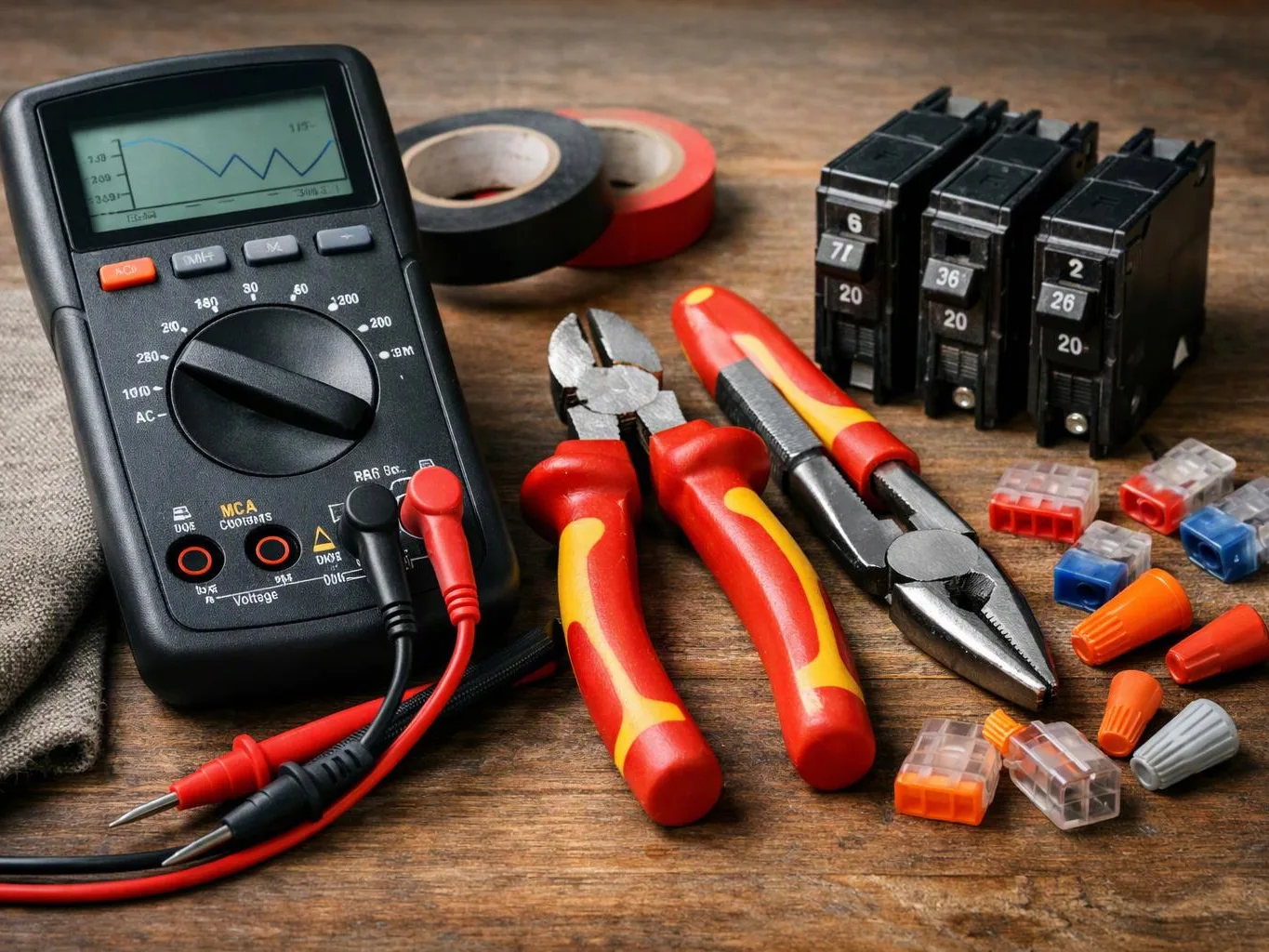
- We test switches, connections, wiring, and related devices.
- We explain the finding and quote the needed work.
Which part of a flickering-light job changes the quote?
The circuit condition, access, number of devices, panel work, and repair scope change the quote. A faulty switch may need focused work, while hidden wiring or limited capacity can require broader diagnosis. We review those factors after inspecting the affected circuit.
When does a panel problem need an upgrade instead of a small repair?
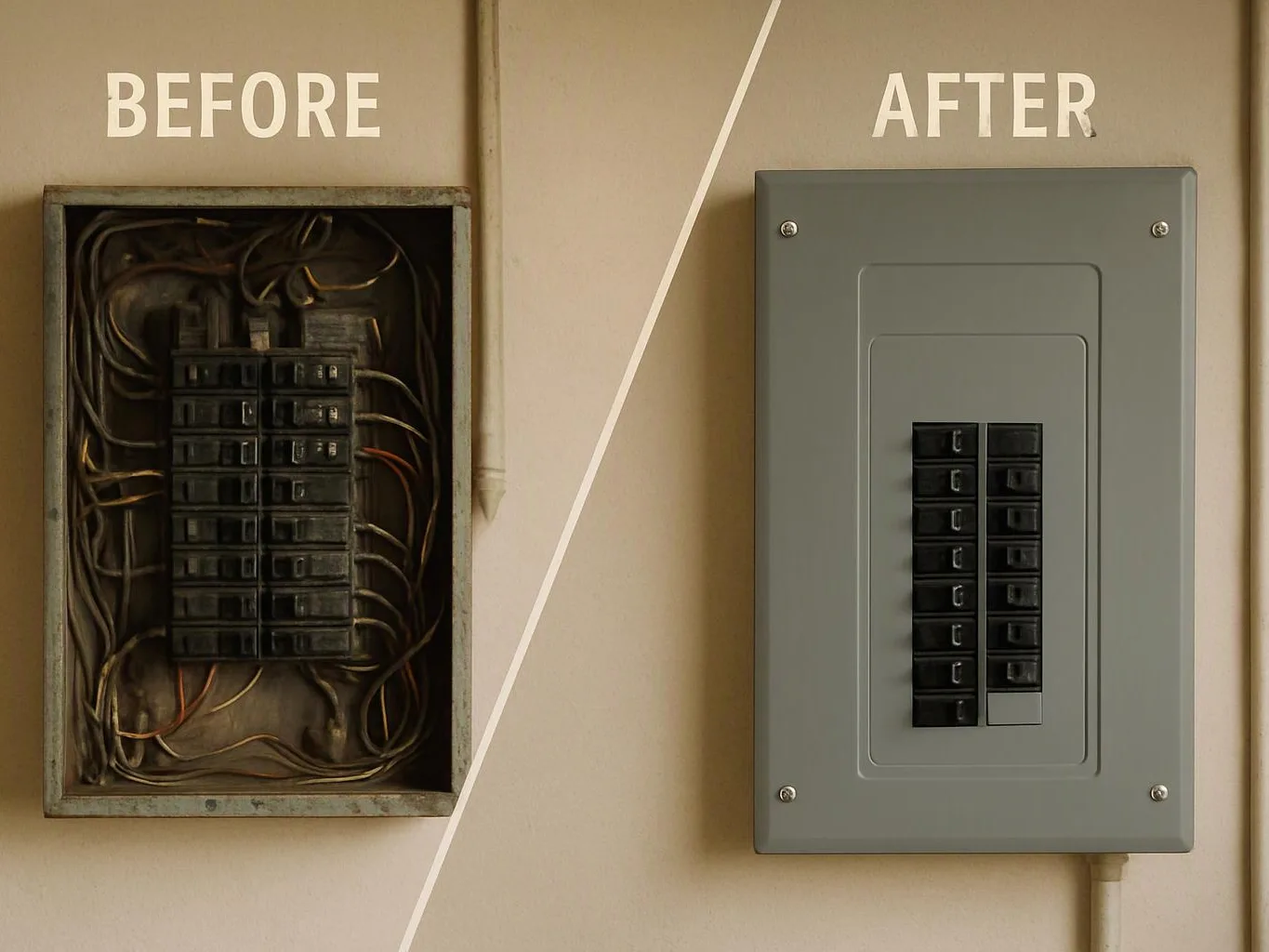
A panel may need an upgrade when testing shows broader capacity, wiring, or service-entry limits. We first check the breaker, connections, circuit load, and panel condition. A single failed breaker does not by itself define the full project, so the diagnosis guides the repair decision.
What should I do before requesting urgent electrical service?
Turn off the affected device if it is safe, keep away from exposed wiring, and note the symptoms. Do not remove panel covers or reset a breaker that trips again. Tell us which lights, outlets, switches, or appliances are involved so we can prepare for the assessment.