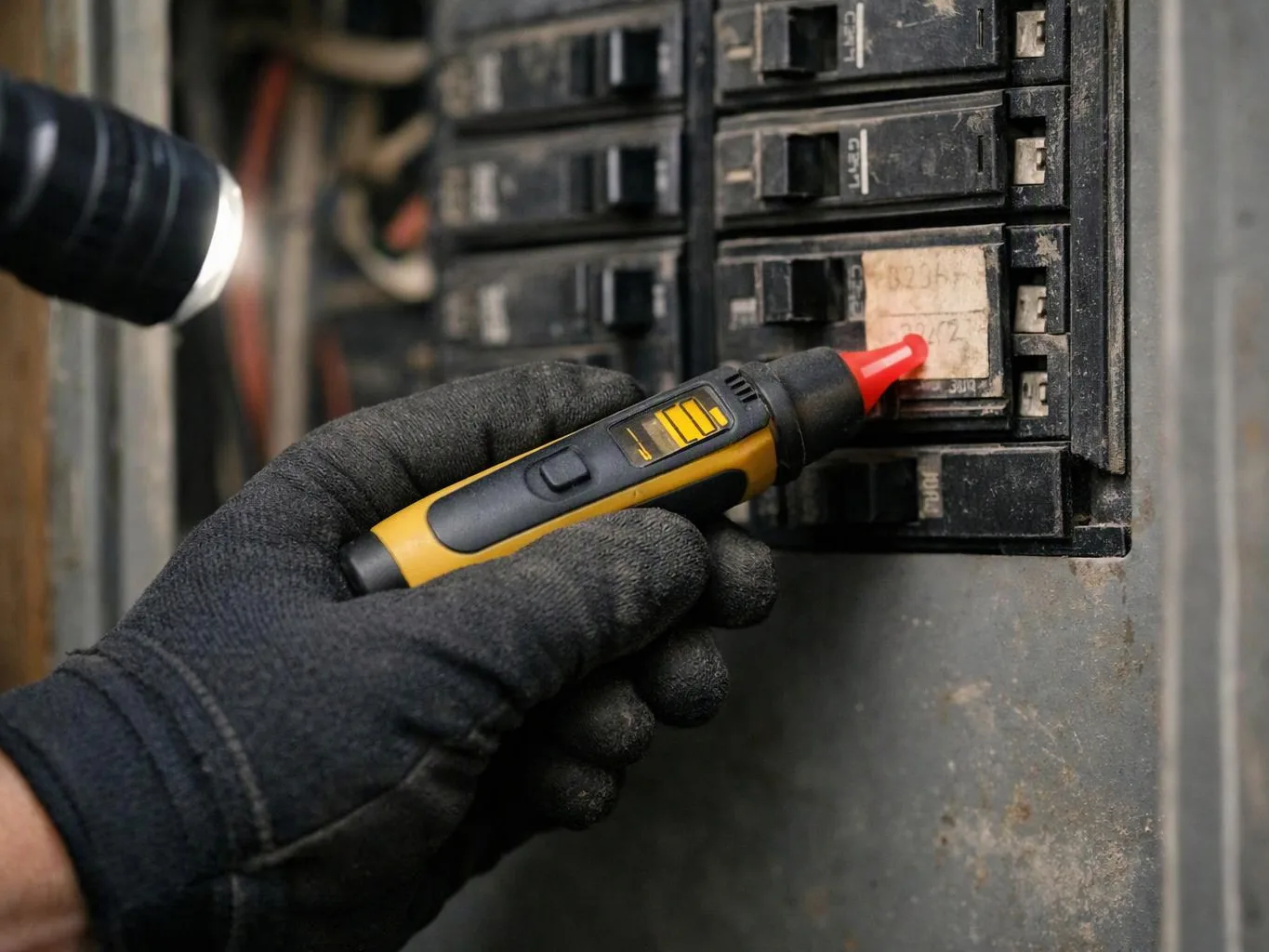
What causes repeated electrical surges in my home?
A utility issue can cause repeated electrical surges, but damaged wiring, a faulty appliance, or a grounding problem can also be responsible. We test the panel, affected circuits, outlets, connected equipment, and grounding path. Turn off equipment that sparks, smells hot, or trips the breaker before requesting an assessment.
How does a troubleshooting visit move from the first call to the last step?
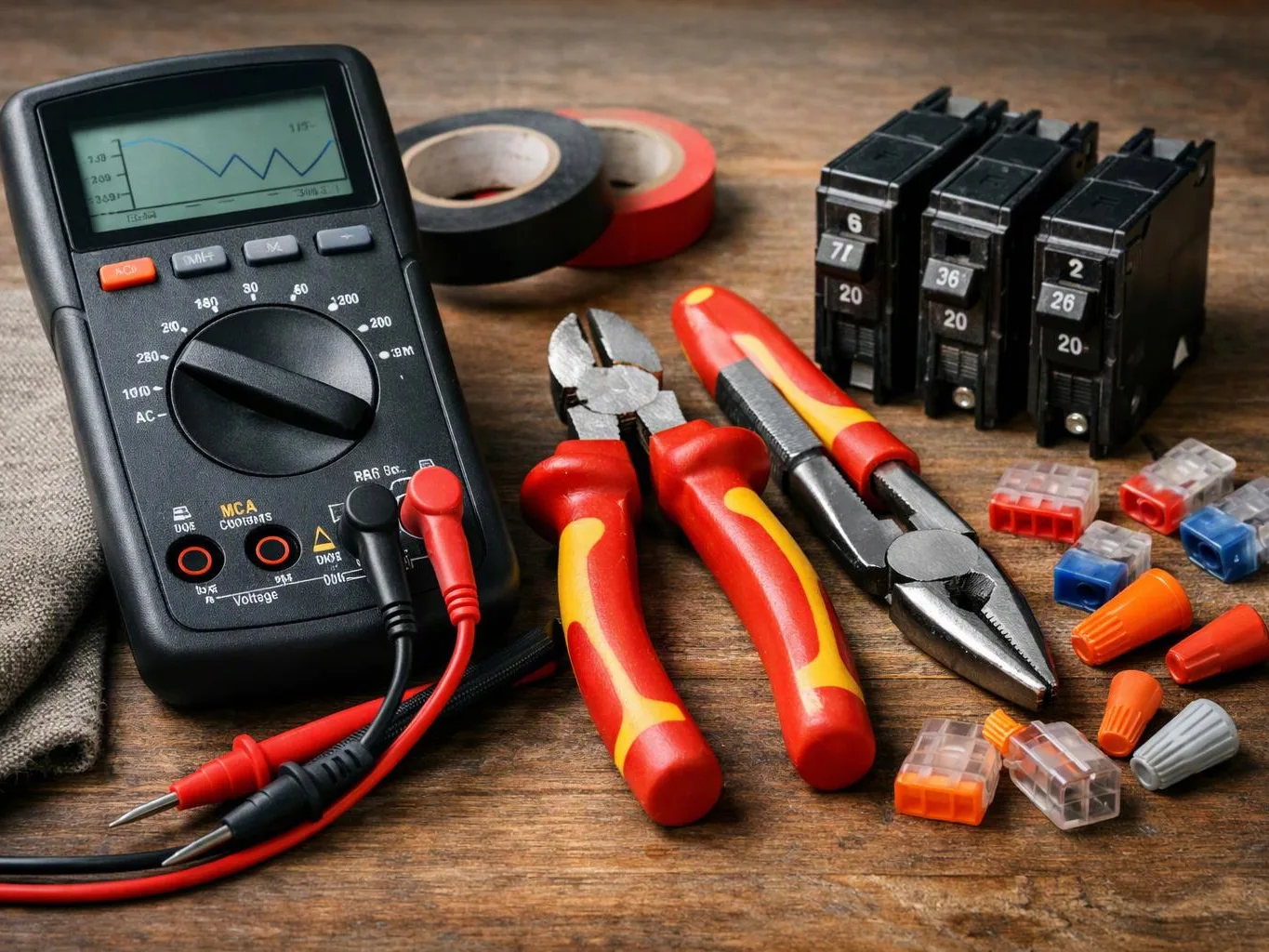
The visit moves from symptom review to inspection, circuit tracing, testing, and a repair recommendation. We first record the affected devices and circuits. Then we inspect the panel and wiring, check appliances and grounding when needed, and explain the findings before any follow-up work is chosen.
Which material changes how long electrical troubleshooting takes?
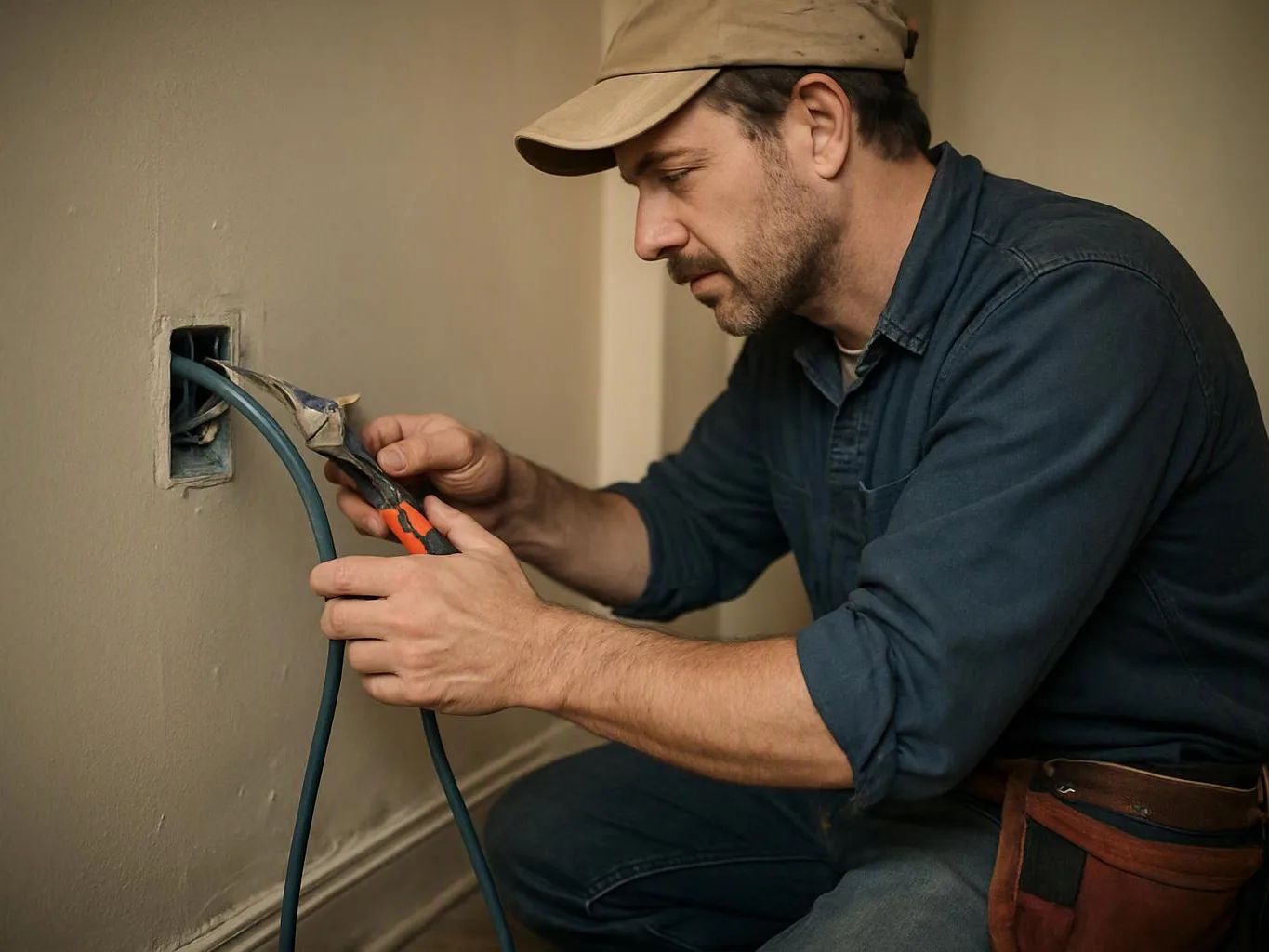
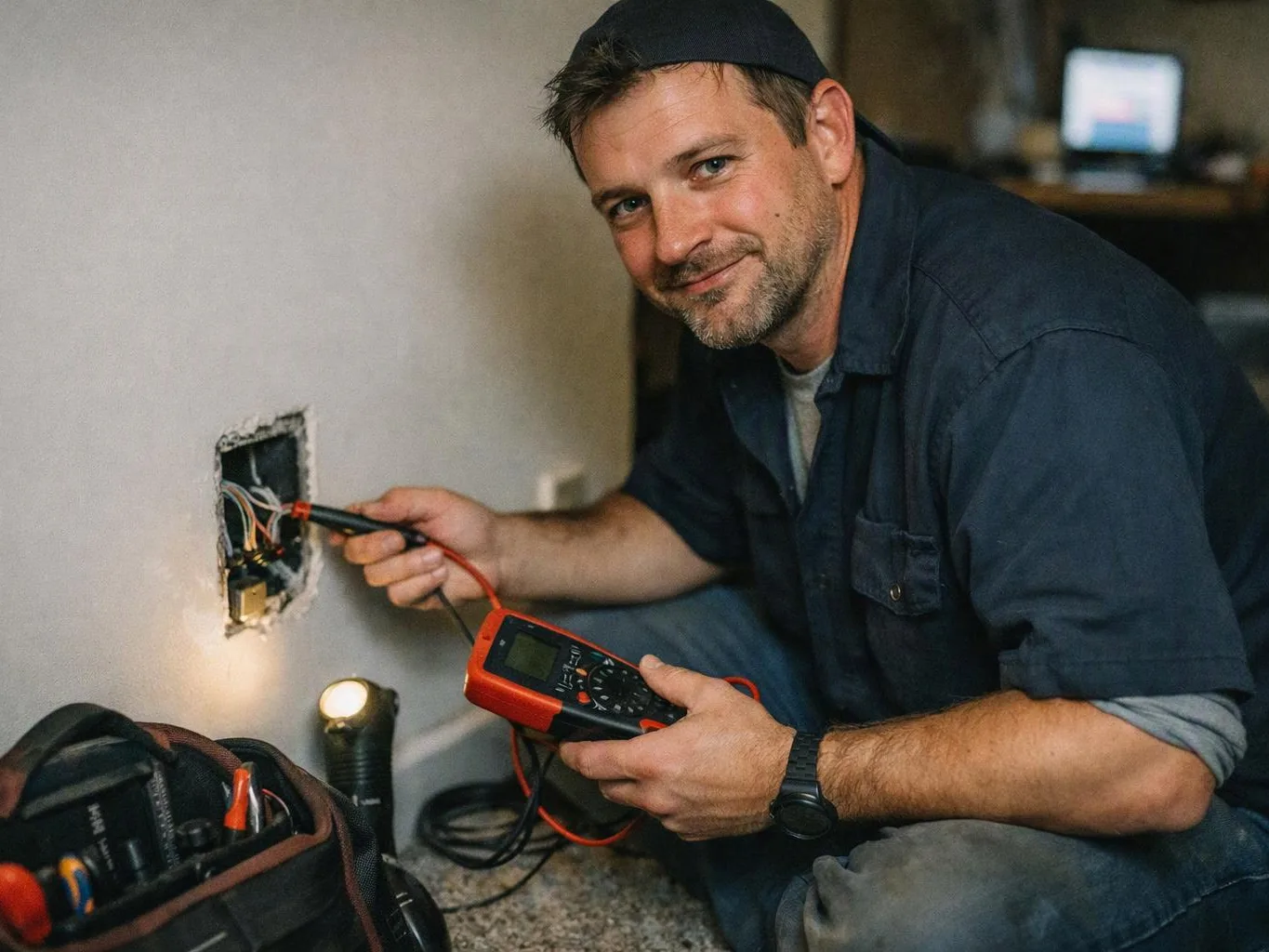
Damaged wiring can make troubleshooting take longer because the fault may extend beyond one outlet or device. We trace the circuit, inspect accessible connections, and test each likely fault point. Hidden wiring, limited panel access, and connected equipment can also change the work needed to reach a clear diagnosis.
How can a customer tell whether electrical troubleshooting fits the property?
Electrical troubleshooting fits a property when the cause of a power problem is unclear or keeps returning. Repeated surges, breaker trips, dead outlets, and unstable fixtures all justify diagnosis. A planned lighting installation or panel upgrade needs a defined project scope, so we review the request before choosing the service.
When does a panel problem call for repair or an upgrade?
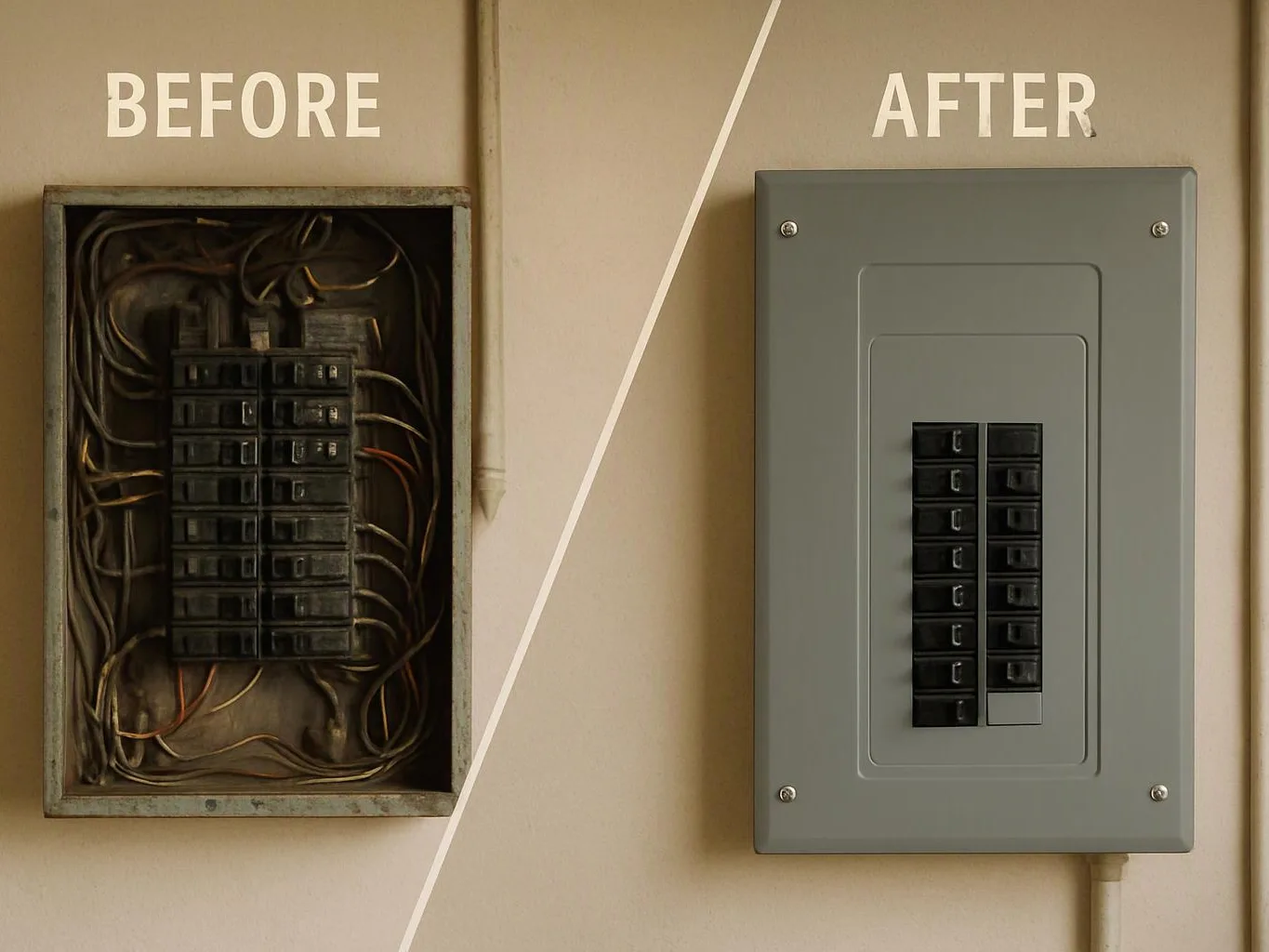
A panel problem calls for repair when testing identifies a contained fault, while an upgrade fits broader capacity or equipment needs. We inspect breakers, connections, circuit demand, visible wiring, and the reported symptoms. The recommendation follows those findings and the property’s planned electrical use.
Why should I stop using an appliance during repeated surges?
A faulty appliance can keep stressing a circuit and create a risk at the outlet or panel. Unplug the appliance if it is safe to do so, and stop using the circuit if it sparks, smells hot, or trips. We can test the appliance connection, breaker, outlet, and wiring to identify the source.
What should I prepare before an urgent electrical assessment?
Access to the electrical panel and affected outlets helps us begin the assessment safely. Note which devices stopped working, when the surges began, and whether a breaker moved. Keep people away from sparking outlets or damaged wiring, and share any photos that show the symptom without touching unsafe equipment.