What are the signs that home wiring needs repair?
Flickering lights can signal loose connections, damaged wiring, or an overloaded circuit. GMB Electric checks the panel, circuit path, outlets, switches, and accessible conductors. Burning odors, frayed insulation, warm outlets, buzzing, or repeated breaker trips make the inspection more urgent. Stop using the affected device if heat or burning smell is present.
What does the crew look at first during wiring repair?
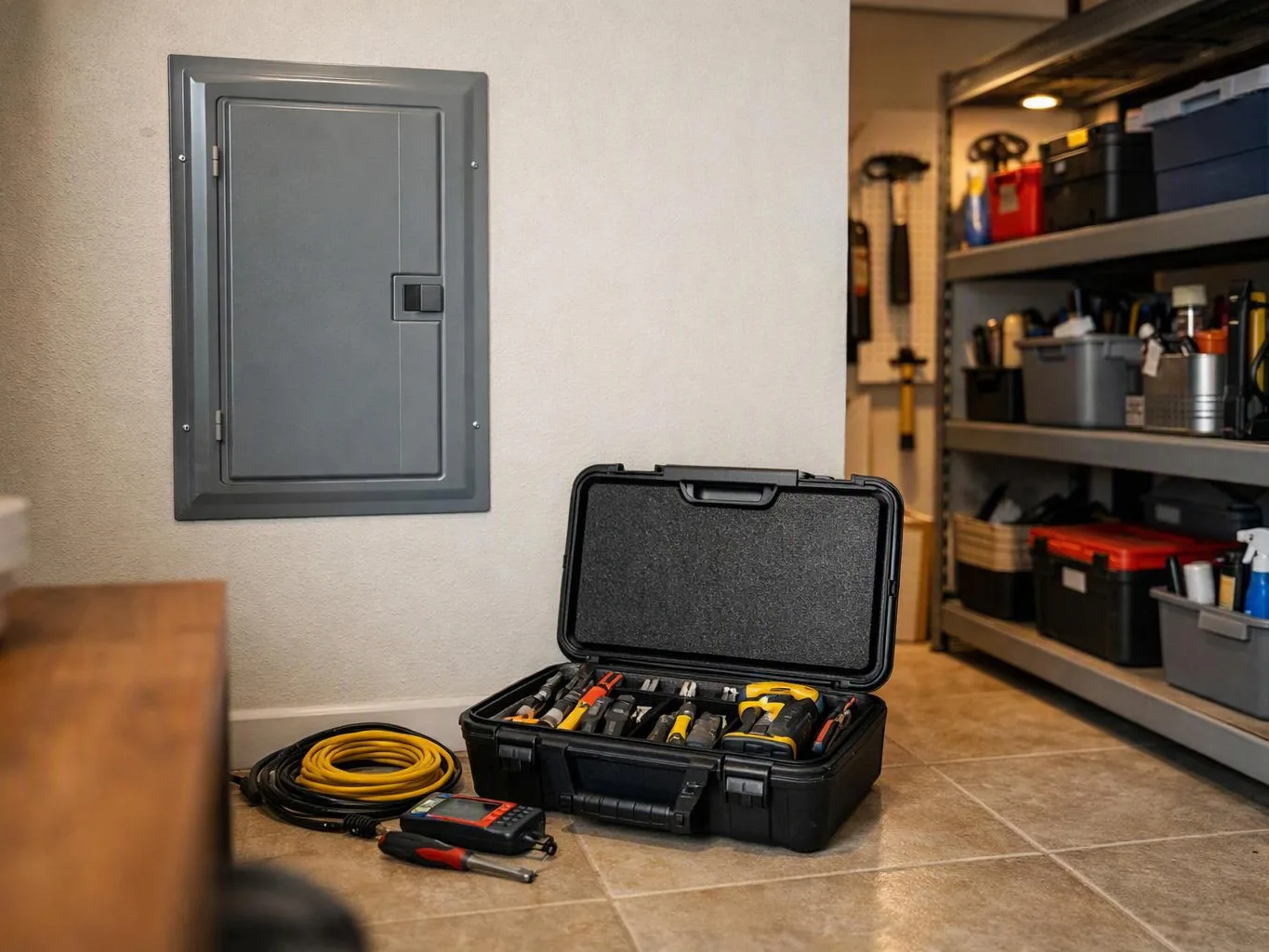
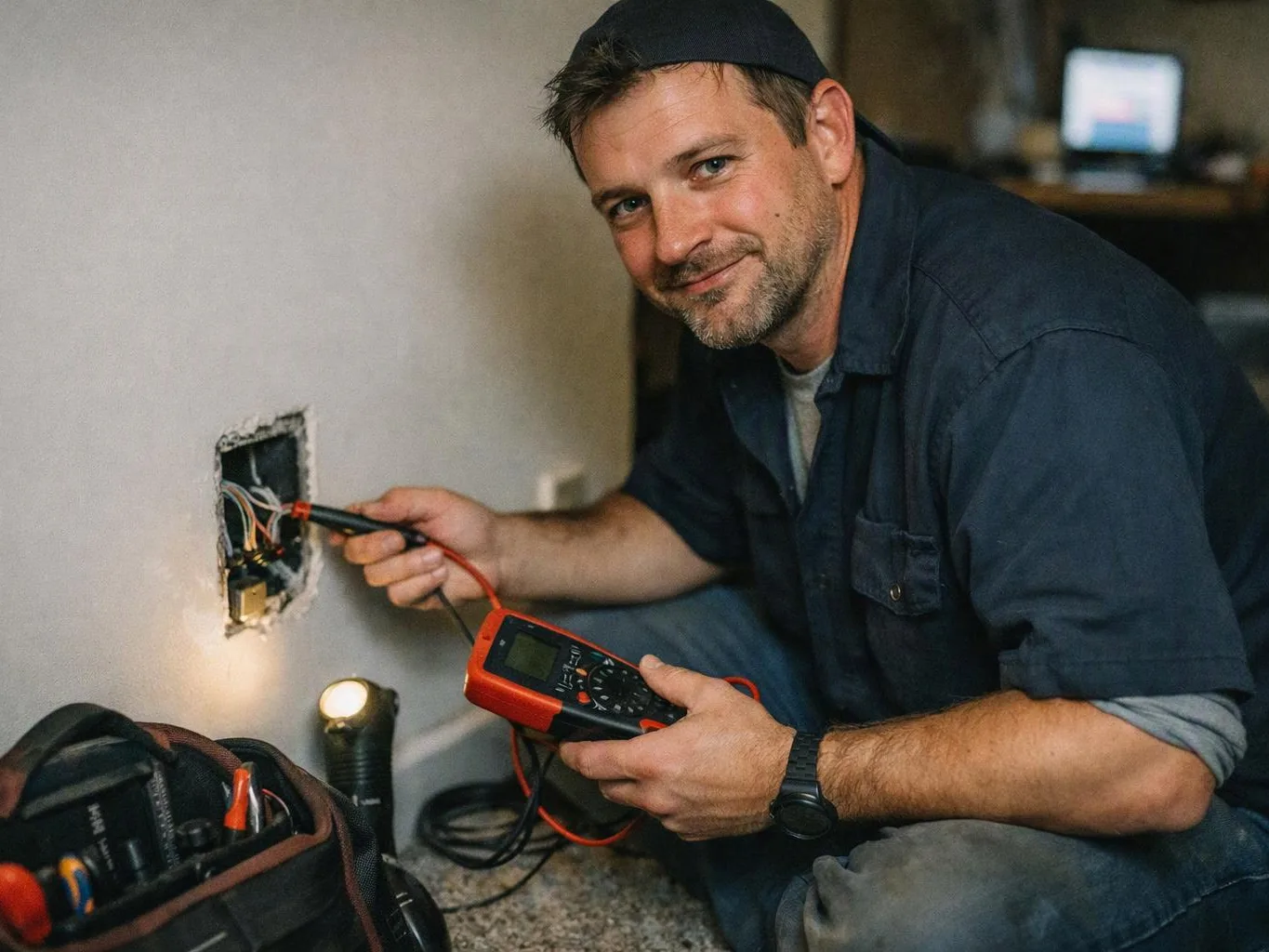
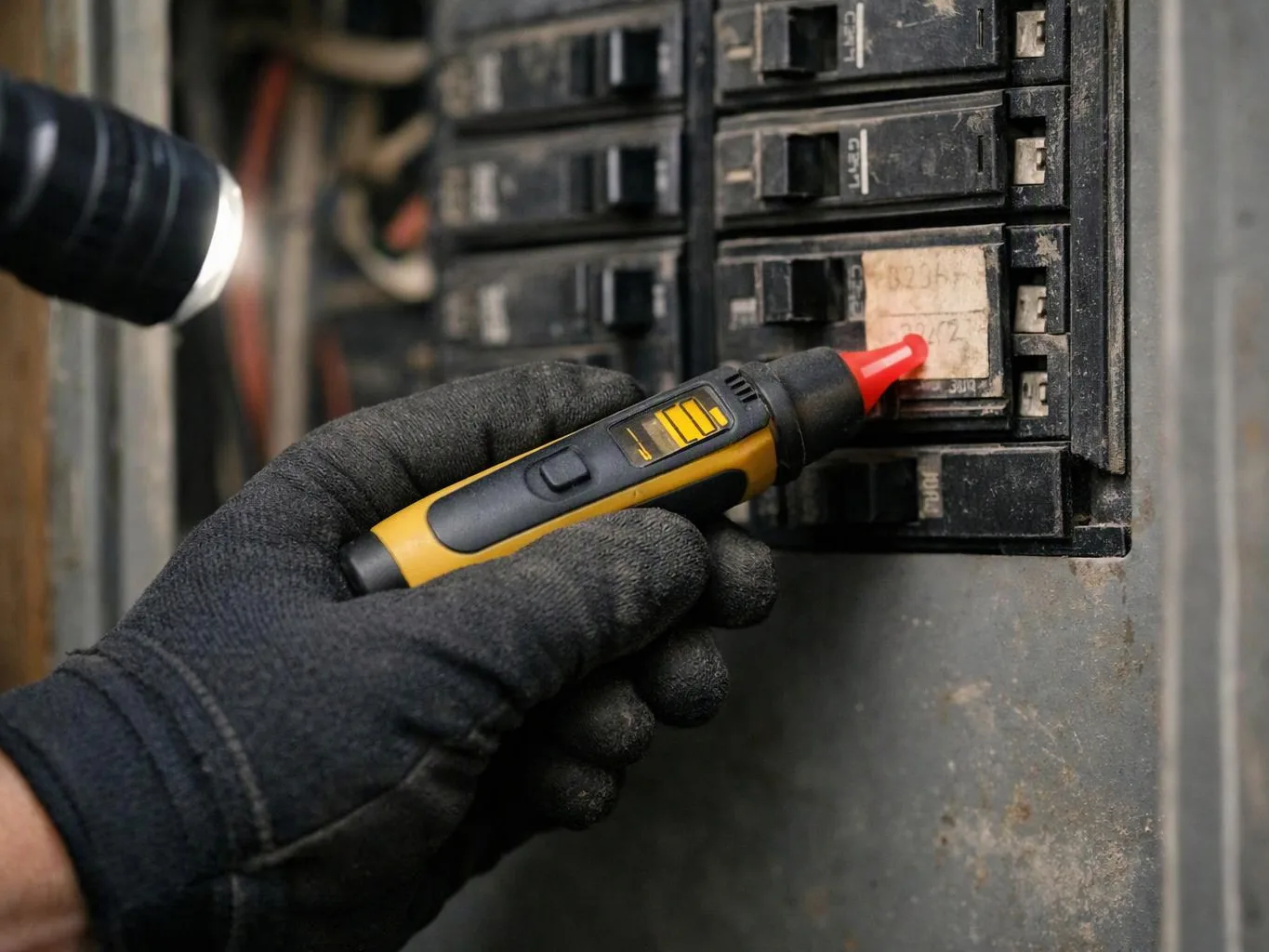
The affected circuit comes first because it connects the symptom to the panel and connected devices. We inspect the breaker, outlet, switch, fixture, visible wiring, and nearby connections. The first check also covers heat, odor, loose terminals, and signs of damaged insulation before we set the repair scope.
How is a wiring repair checked before work starts?
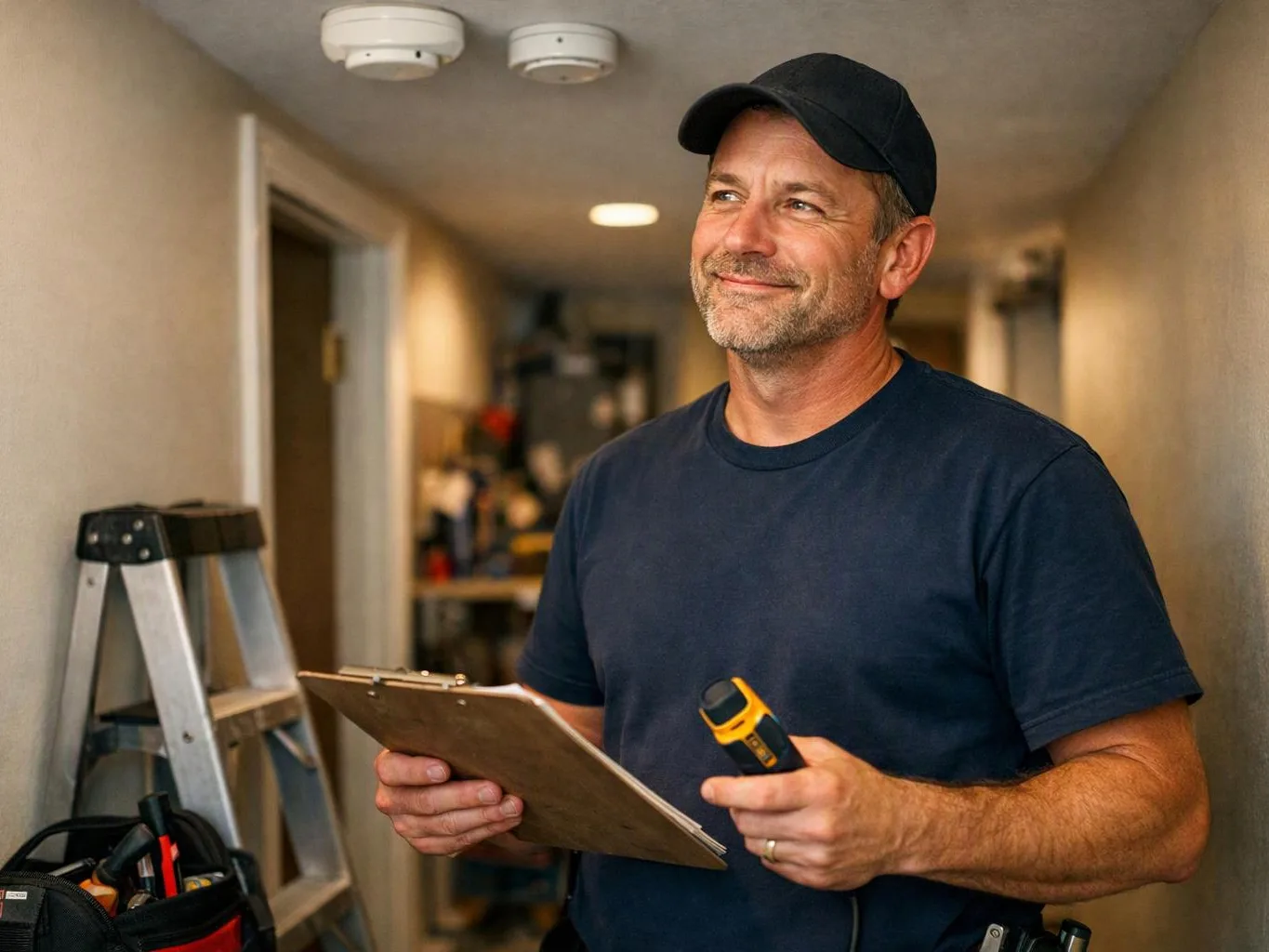
The circuit condition is checked before repair work starts. We review the reported symptom, inspect accessible parts, trace the circuit, and identify related hazards. Clear access to the panel and affected area helps us assess the wiring. Photos can help explain the issue, but they don't replace an on-site inspection.
Which wiring problems need urgent electrical service?
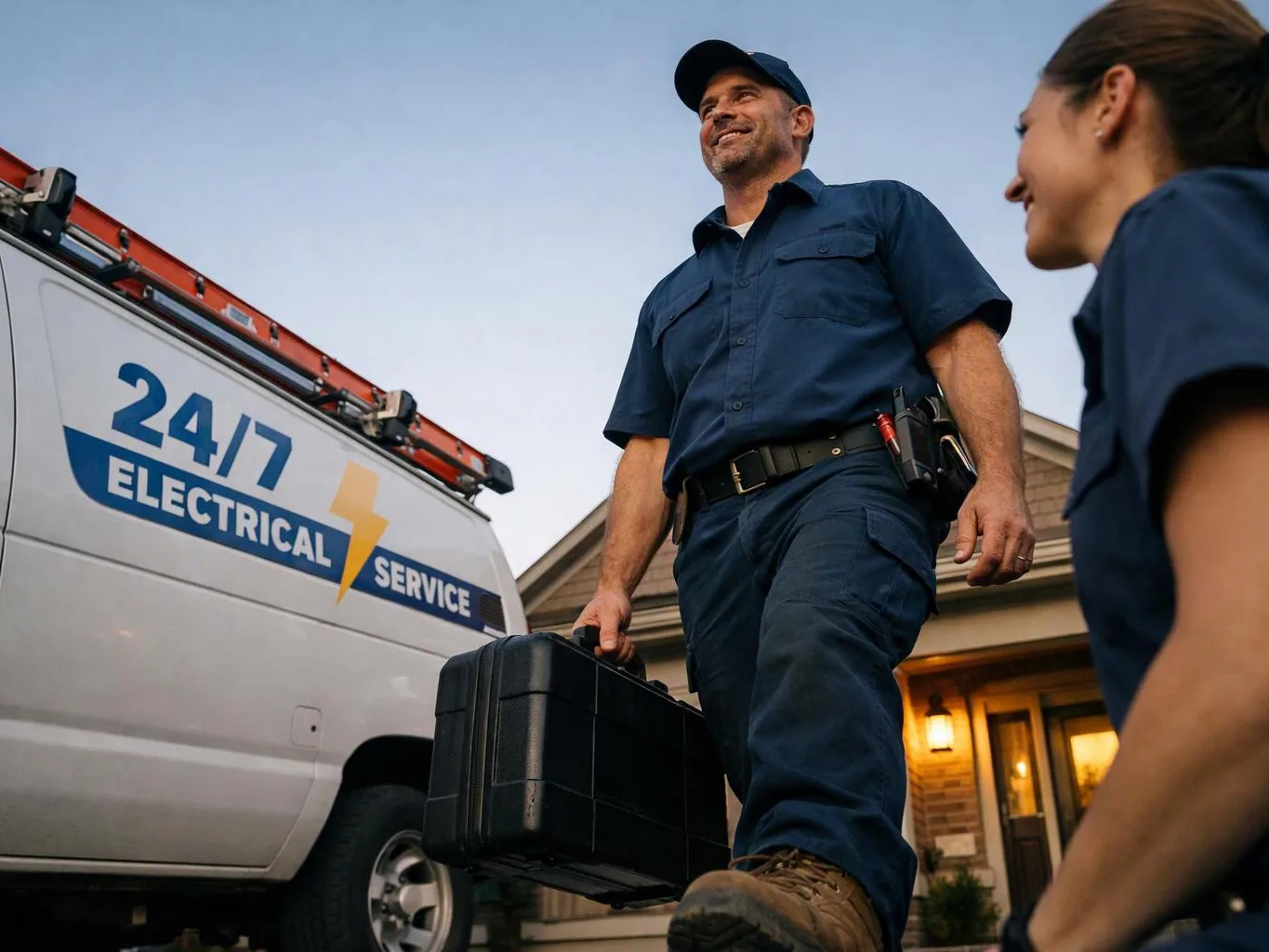
Burning odors, sparking outlets, warm switch plates, and exposed conductors need urgent attention. Our 24-hour electrical service handles urgent electrical concerns for homes and businesses. Turn off use of the affected device, keep clear of damaged wiring, and request service so we can inspect the hazard.
When does wiring repair become a rewiring project?
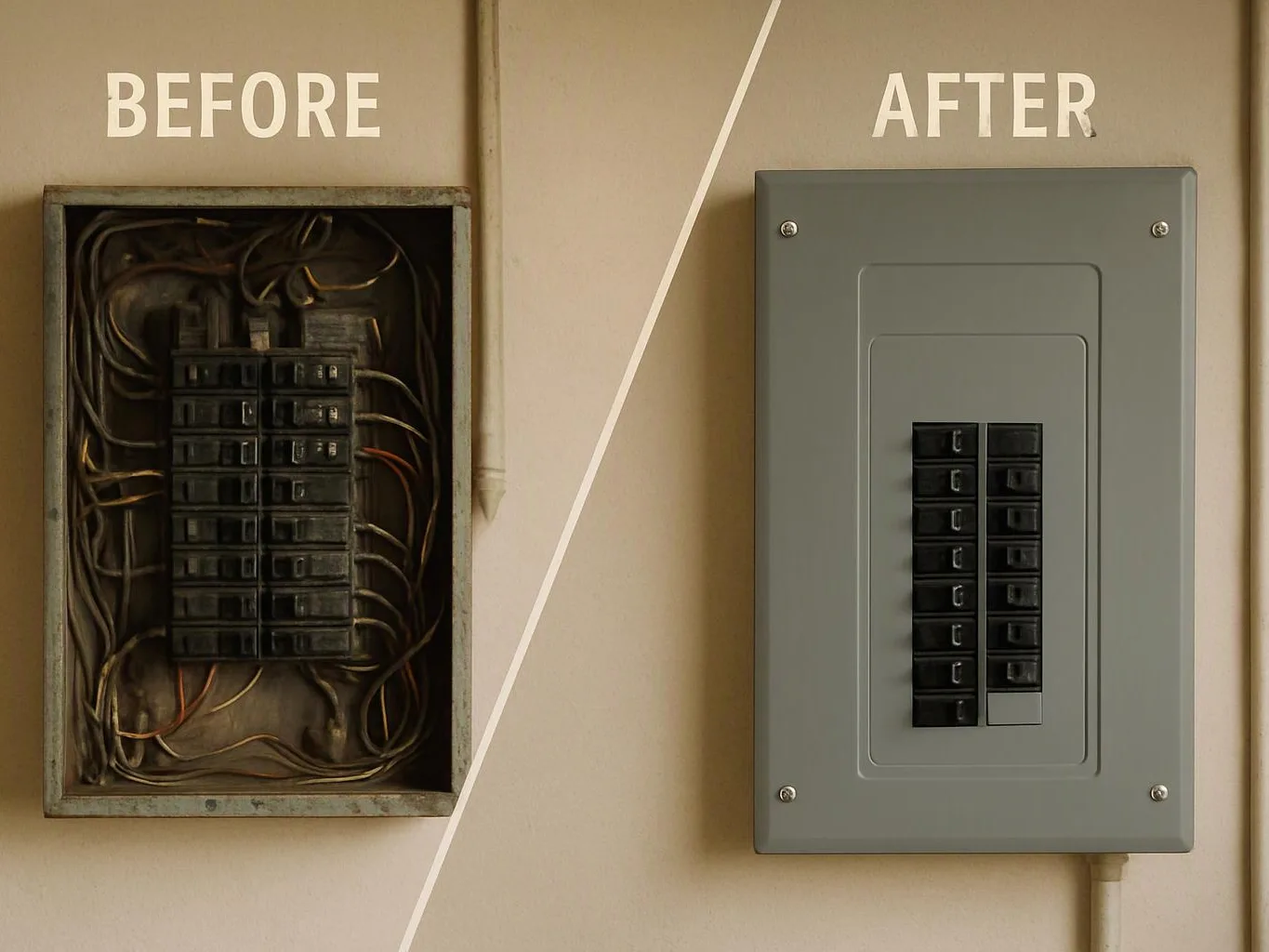
Rewiring becomes more suitable when damage extends across several circuits or accessible wiring cannot support safe repair. We inspect the wiring pattern, insulation, connections, and circuit demands before recommending that scope. A focused repair fits a contained fault, while broader damage calls for a wider plan.
Why does a breaker keep tripping after a wiring repair?
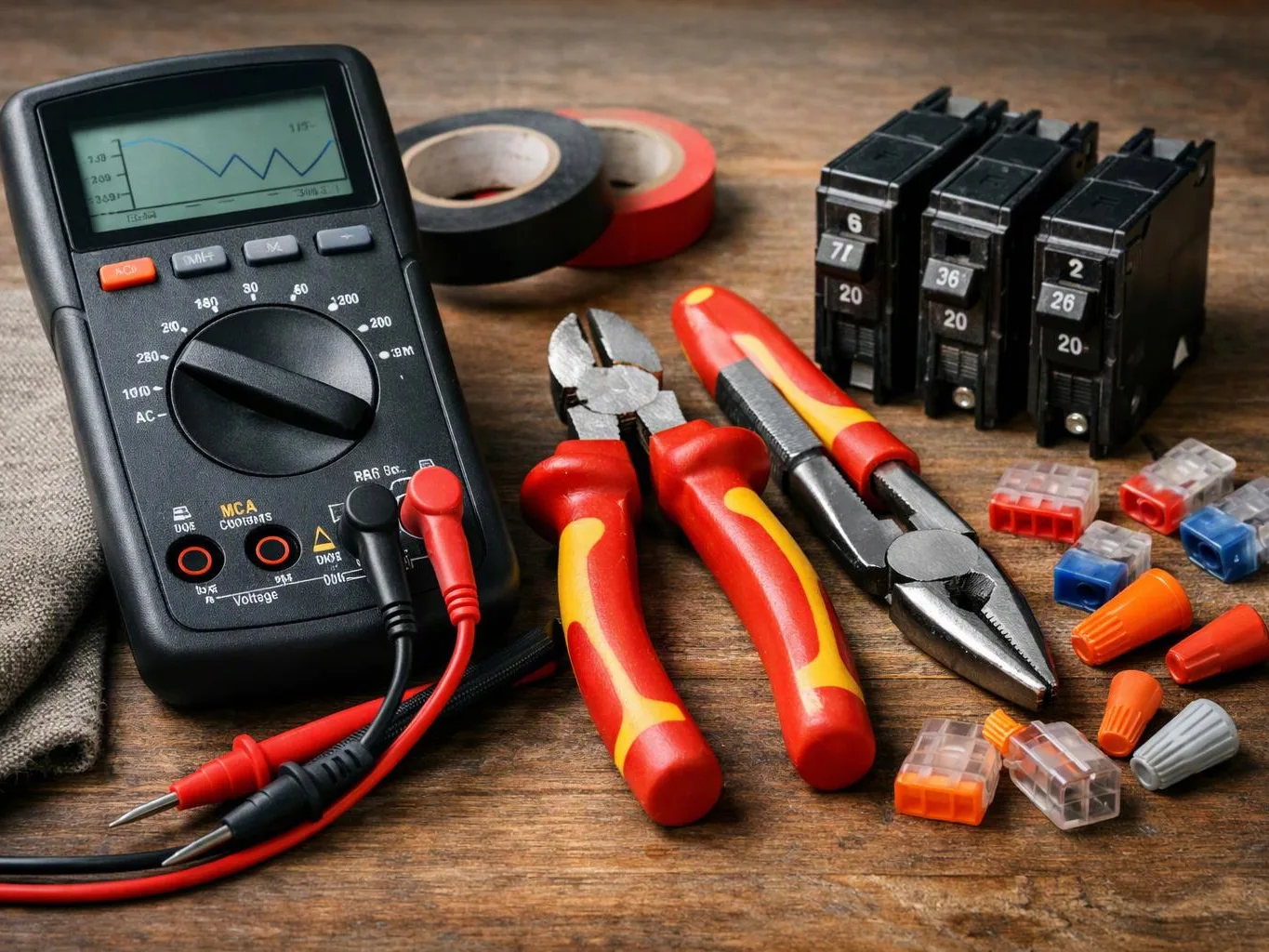
A breaker can keep tripping when a fault remains, the circuit is overloaded, or a connected device has a problem. We trace the circuit and test the breaker, wiring, outlets, and connected load. Repeated resets can hide the cause, so stop resetting the breaker if it trips again.