Why do electrical outlets stop working?
An open circuit can stop an outlet when a wire, connection, GFCI, breaker, or receptacle interrupts power. GMB Electric tests the outlet and traces the circuit to find the cause. A nearby GFCI can cut power to other outlets, so we check related devices before replacing the visible receptacle. Stop using the outlet if it sparks, smells hot, or feels warm.
Who is a good fit for wiring repair, and who needs a different service?
Wiring repair fits a property with a damaged connection, dead outlet, loose wire, or failed receptacle. A panel upgrade or new circuit fits a property that needs more capacity or a new power path. We inspect the fault and explain which scope matches the condition. Our residential and commercial service covers both homes and businesses.
What happens at each stage of an outlet repair?
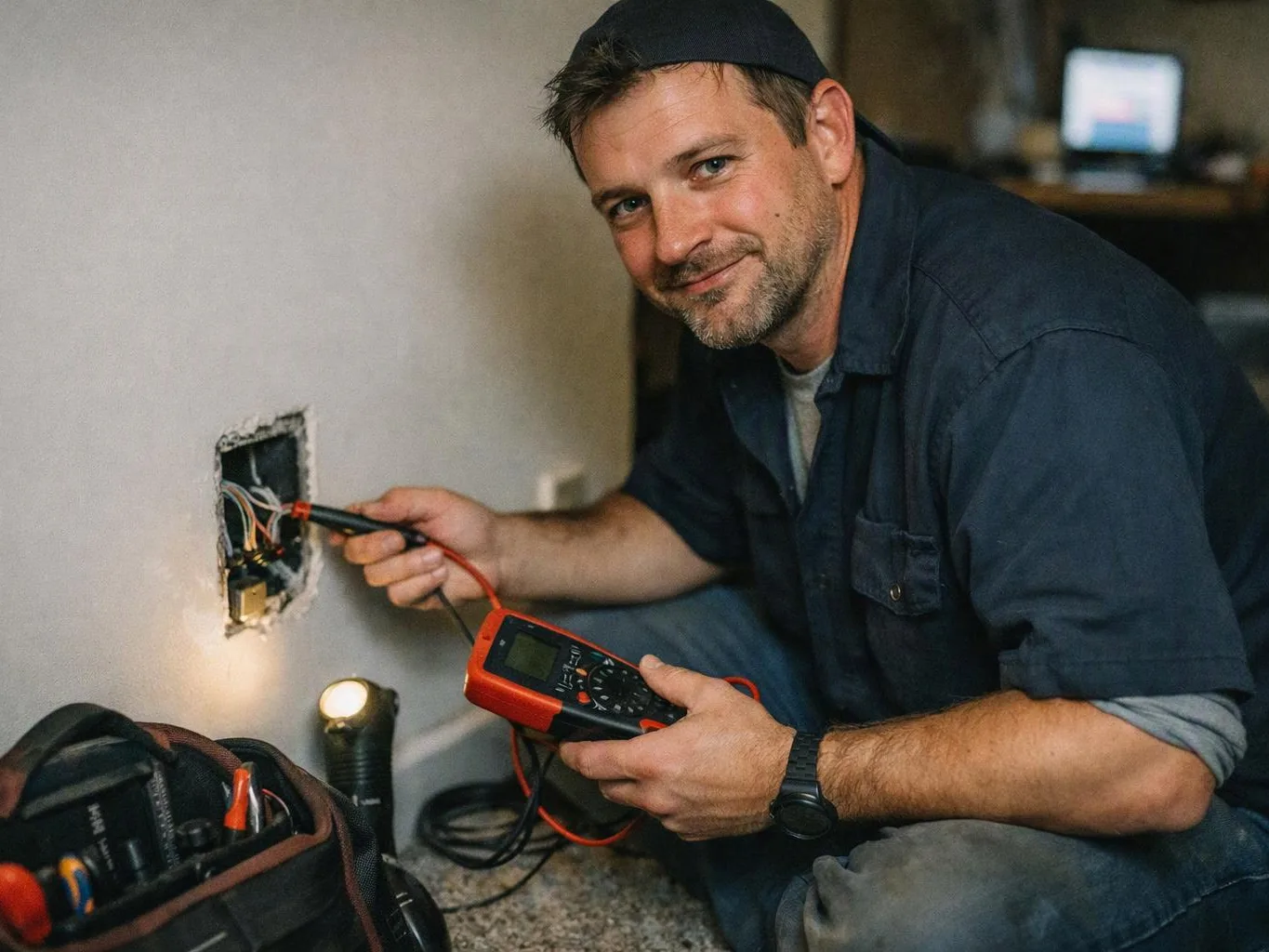
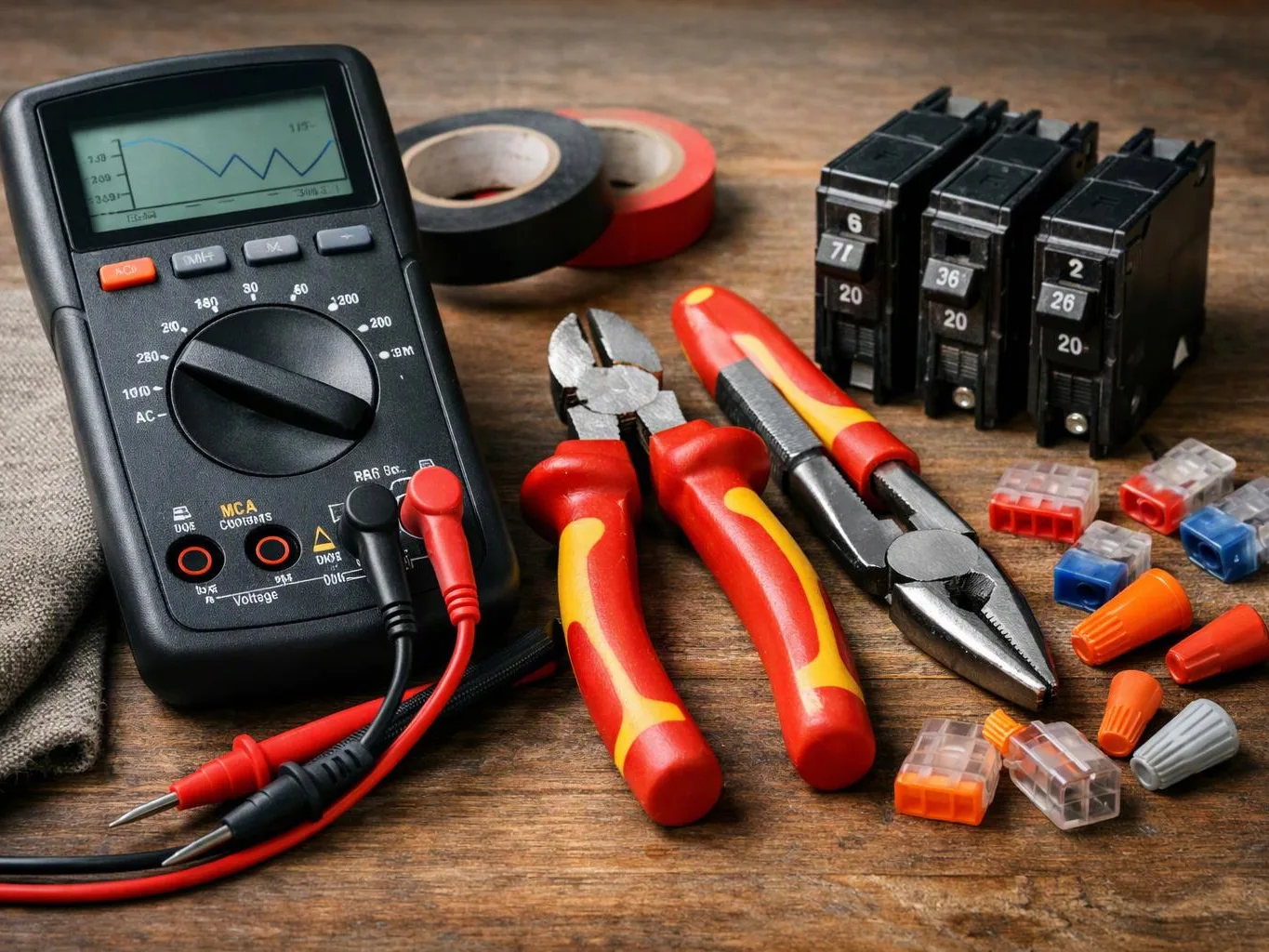
Outlet repair starts with testing, followed by circuit tracing, repair, and verification. We check the receptacle, breaker, GFCI devices, and accessible wiring. Next, we set the work scope and repair the failed connection or device. Final testing confirms the outlet and related protection operate as expected.
Which part does the crew check first when an outlet is dead?
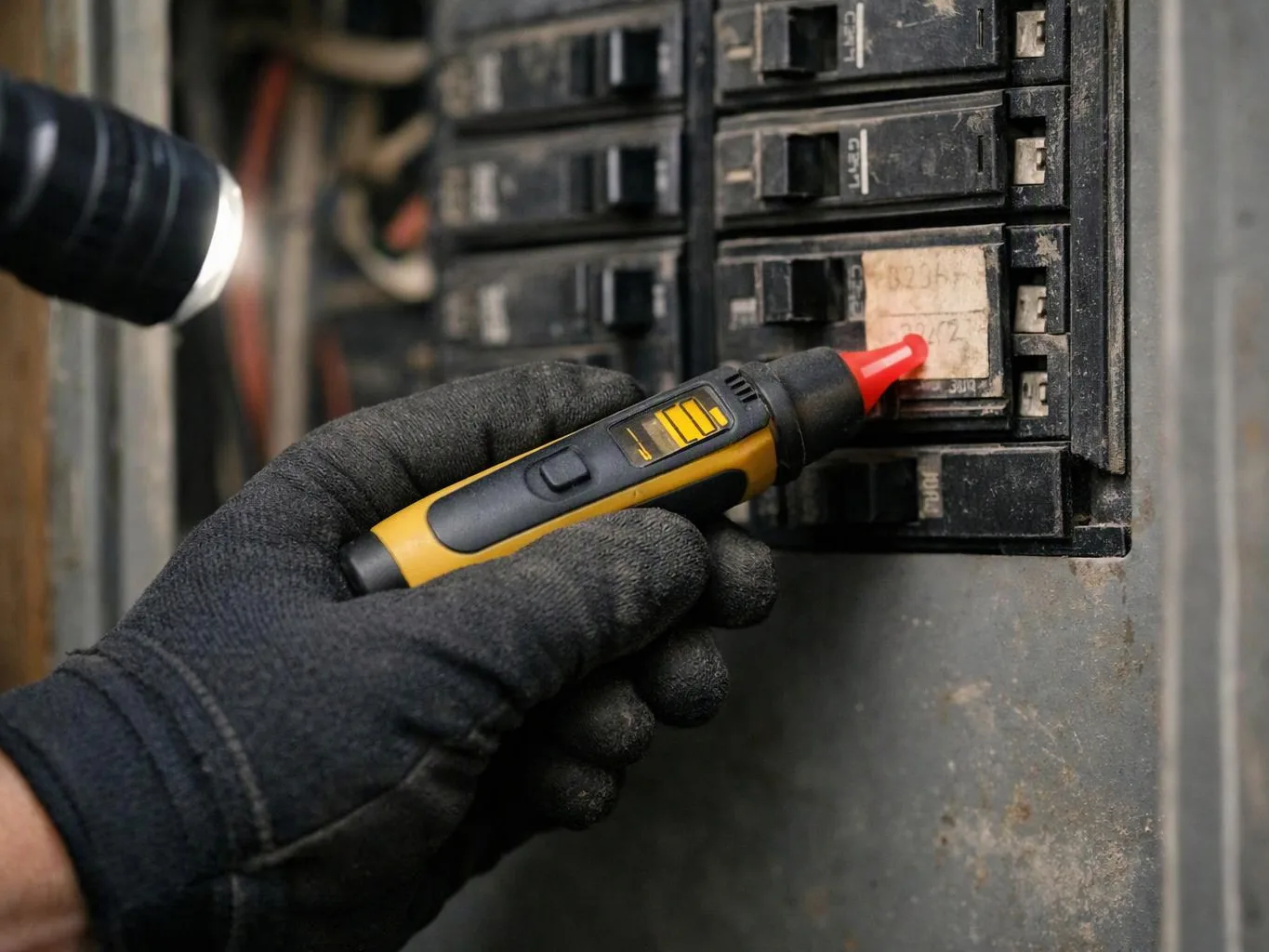
The affected receptacle and its circuit protection receive the first check. We test the outlet, look for a tripped GFCI, and inspect the breaker before tracing farther through the circuit. That order helps separate a device failure from a wiring fault. We also look for heat, looseness, or visible damage.
When should a dead outlet become an urgent electrical call?
A dead outlet becomes urgent when it has a burning smell, buzzing sound, visible sparks, heat, or signs of melting. We treat those signs as possible fire hazards and focus first on safe isolation. Turn off the related breaker if you can do so safely, keep clear of damaged parts, and request urgent service.
How does a GFCI problem differ from a broken receptacle?
A GFCI problem interrupts power for protection, while a broken receptacle has damage or failed contacts at the outlet. We press-test the GFCI, test the receptacle, and trace other outlets on the circuit. The correct repair depends on which device interrupts power and whether the wiring also has a fault.
What changes the repair quote for a loose wiring fault?
The fault location, wiring access, damaged parts, and circuit condition change the repair quote. A visible receptacle issue can require less work than a loose connection inside an inaccessible section. We inspect the circuit, define the needed parts and labor, and provide a quote based on the actual scope.