How does an inverter inspection assess emergency battery backup damage?
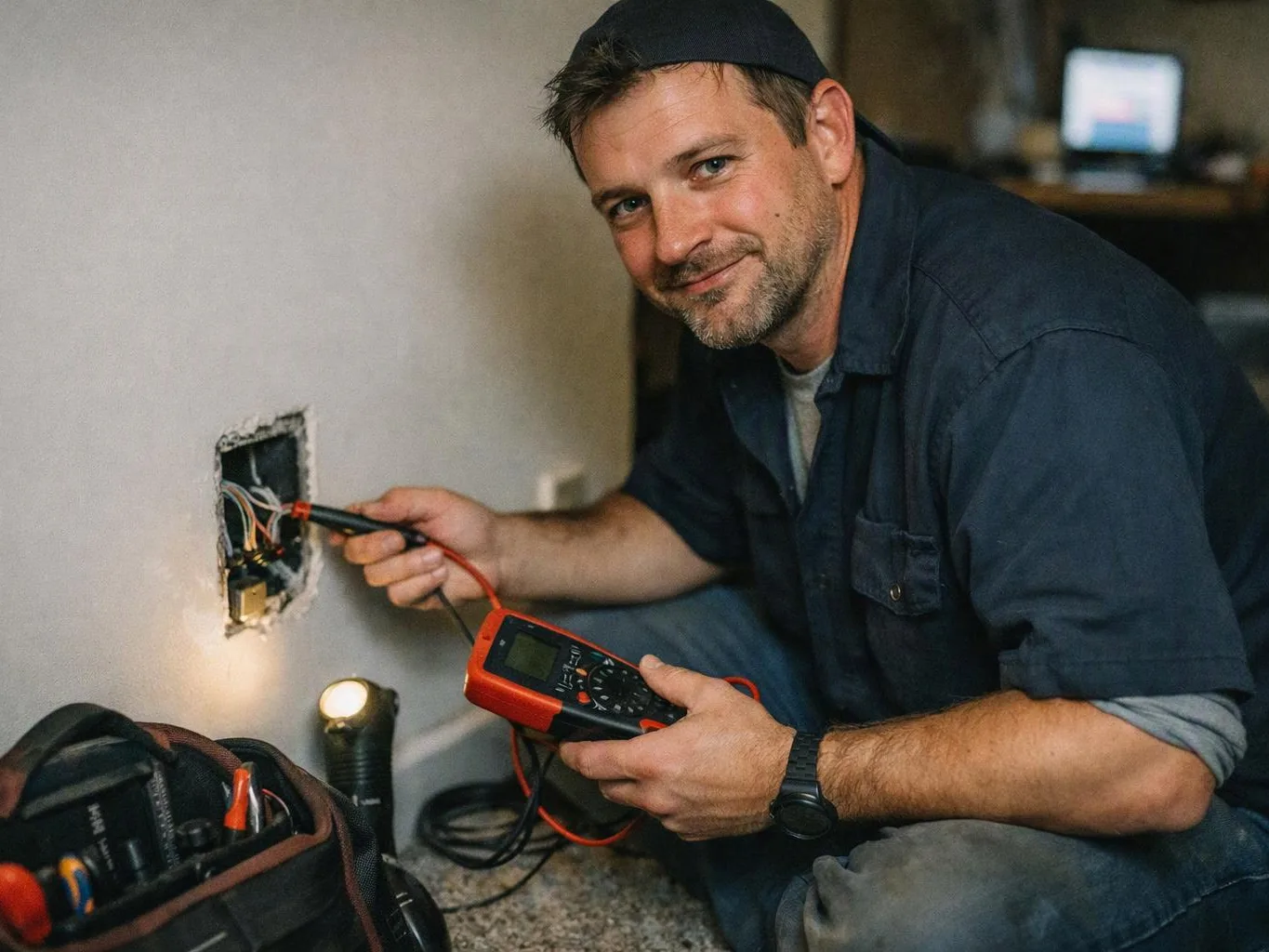
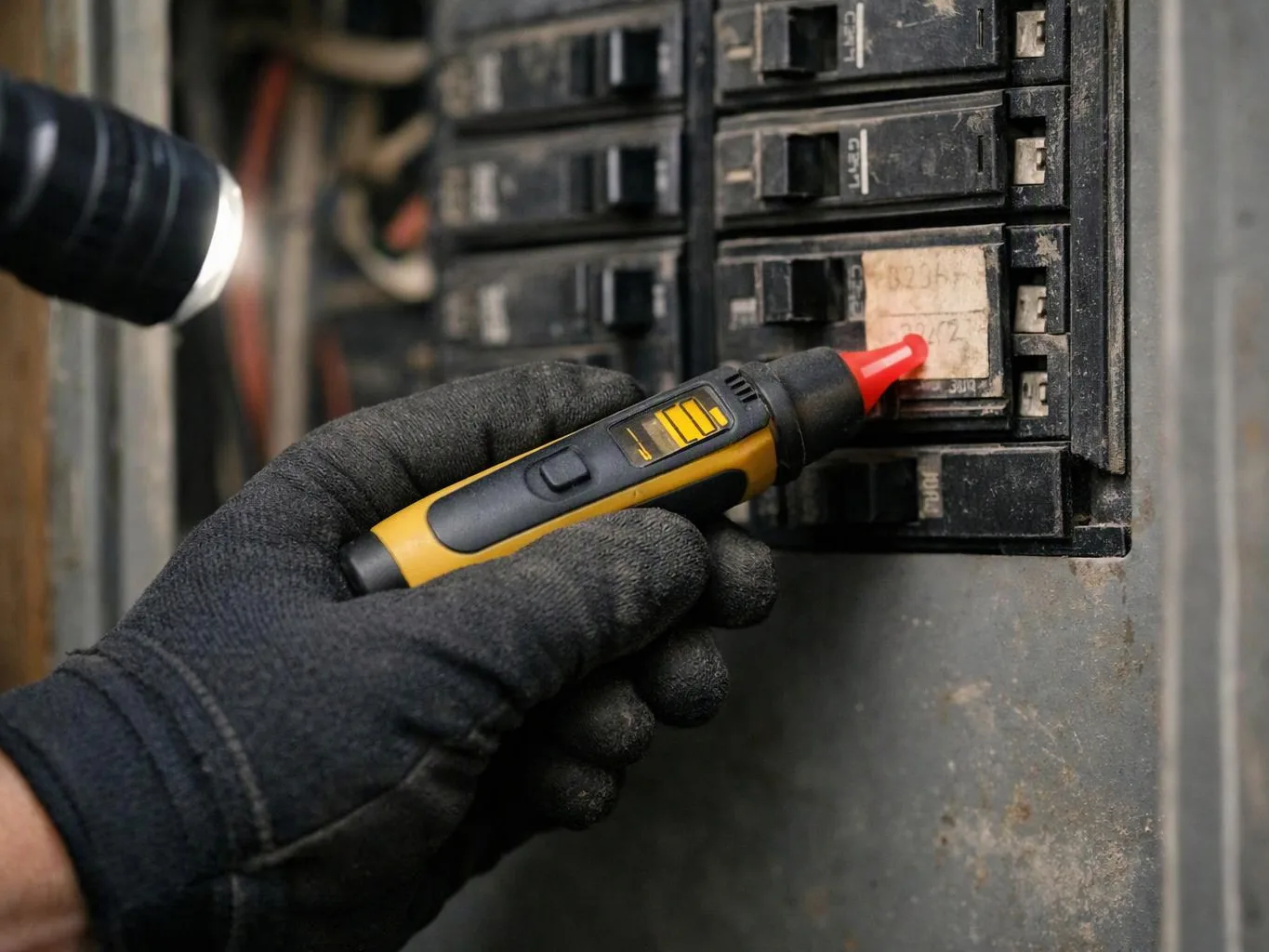
Inverter inspection assesses damage by checking the unit, connected cables, voltage path, heat, and system warnings. GMB Electric starts with visible conditions and safe electrical tests, then checks related battery and panel connections. The findings show whether the fault points to the inverter, wiring, battery cells, or a broader electrical issue.
Which part of the property decides the repair scope?
The connected electrical path decides the repair scope, including the battery cabinet, inverter, disconnect, panel, and backup circuits. Access to each part affects which checks we can complete. We trace the fault across those points before recommending repair, replacement, or related electrical work.
What material changes how battery backup repair is assessed?
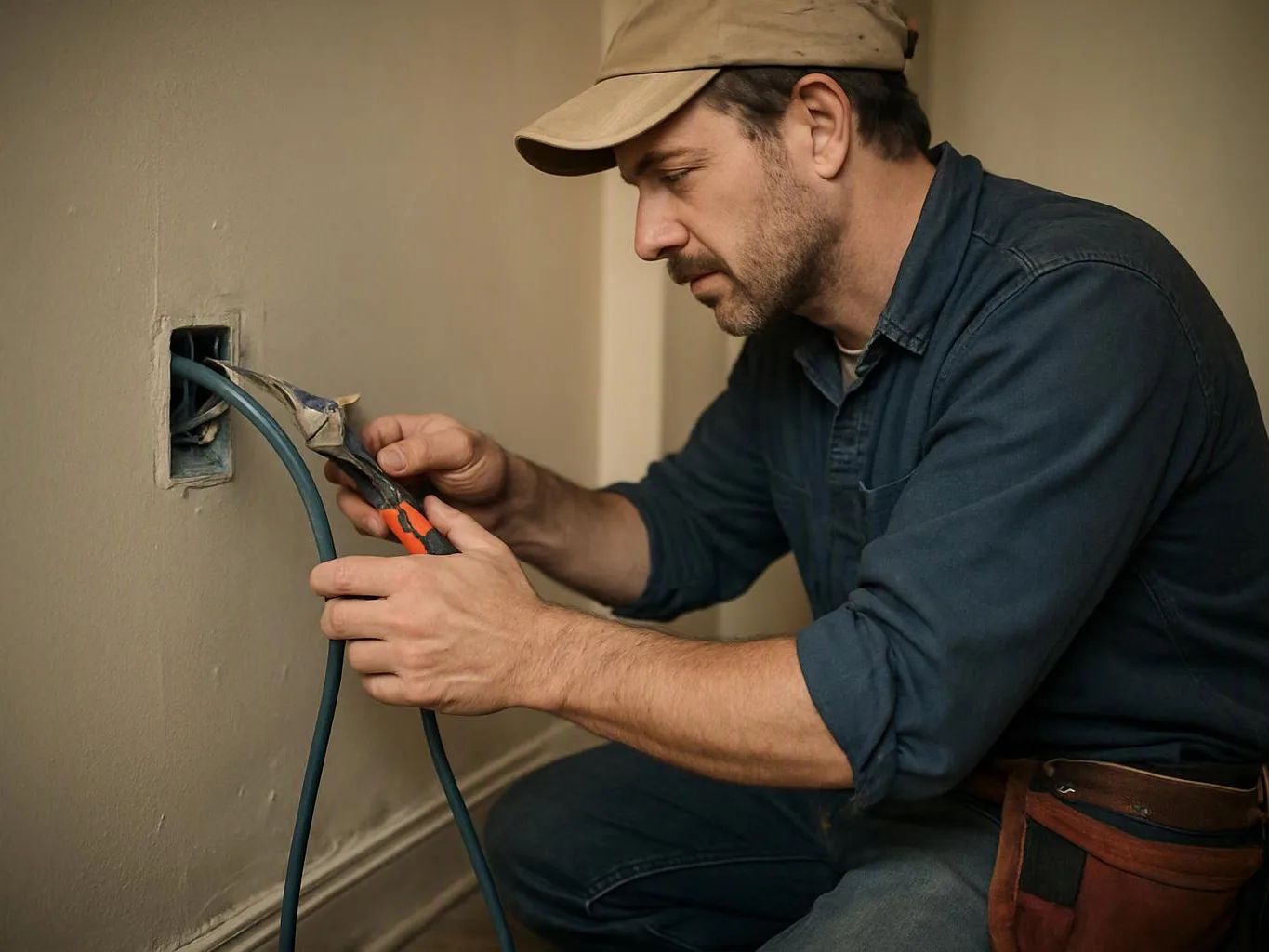
Cable type and terminal material can change the inspection because heat, corrosion, and poor contact appear differently across connections. We check cable ends, lugs, insulation, and accessible terminals. The equipment layout also affects testing, so we assess the actual installed system before setting the work scope.
Why does a battery warning return after a reset?
A returning warning often points to an unresolved inverter, voltage, cable, or cell condition. Resetting the system does not identify the underlying fault. We record the warning, inspect the related parts, and test the electrical path before deciding whether the system needs repair or further diagnosis.
When should I stop using a damaged backup system?
Stop using a backup system when it shows burning smell, unusual heat, visible damage, sparking, or repeated electrical faults. Keep people away from the affected equipment and avoid opening the cabinet. We assess the condition and isolate unsafe electrical parts before repair work begins.
What does a battery backup visit check first?
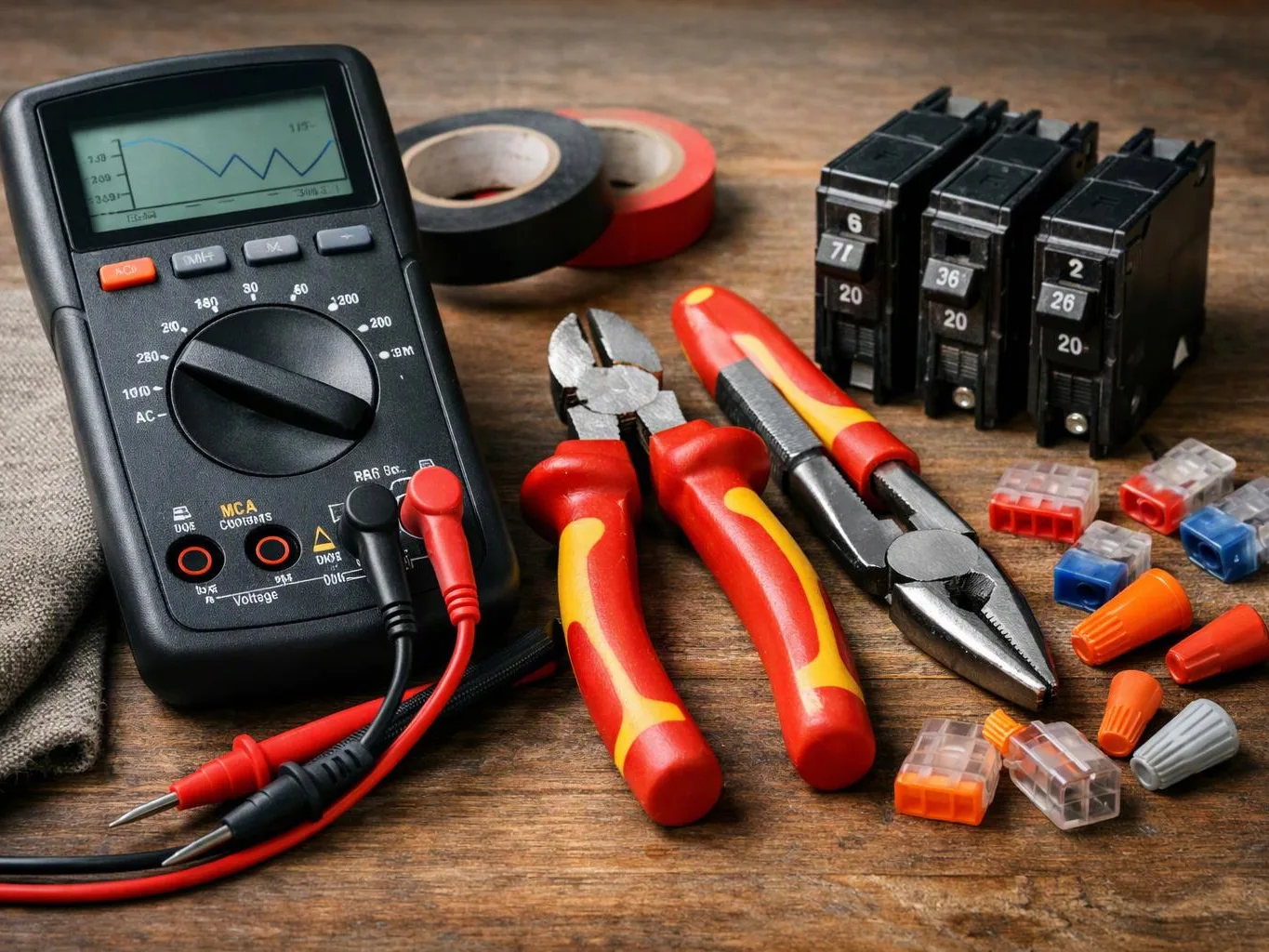
The first check covers the reported symptom, visible equipment condition, access, and any warning shown by the system. We then inspect the inverter and connected electrical parts. This order helps us work safely and choose voltage testing, cell monitoring, cable inspection, or thermal scanning based on the evidence.
How does a repair visit move from the first call to the last step?
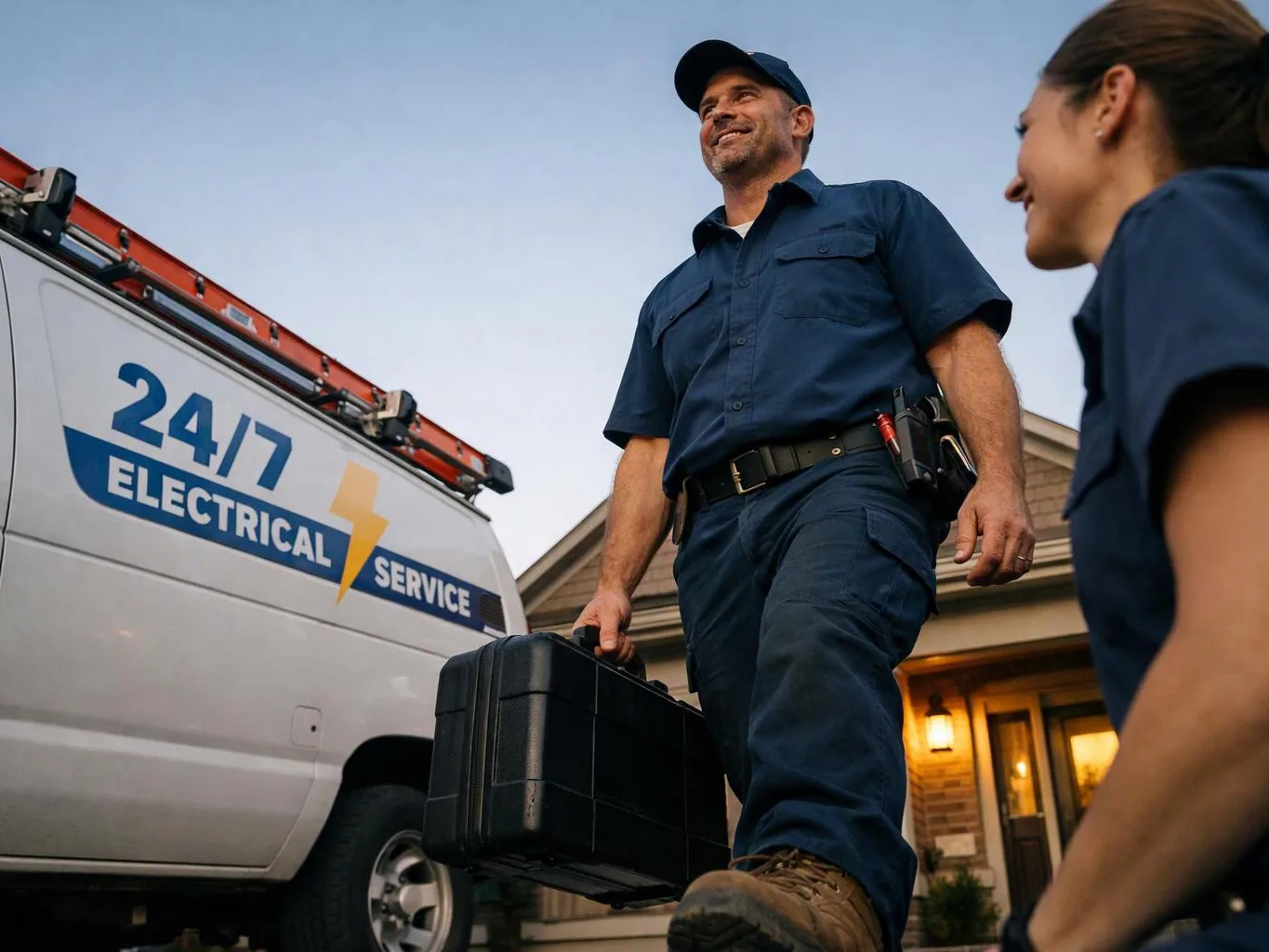
The repair visit moves from symptom review to inspection, testing, repair planning, and verification. We discuss the warning or outage first, then inspect the inverter and connections. After the agreed work, we test the repaired electrical path and explain what was found.