Questions about fire alarm system work
What does the crew look at first during installation?
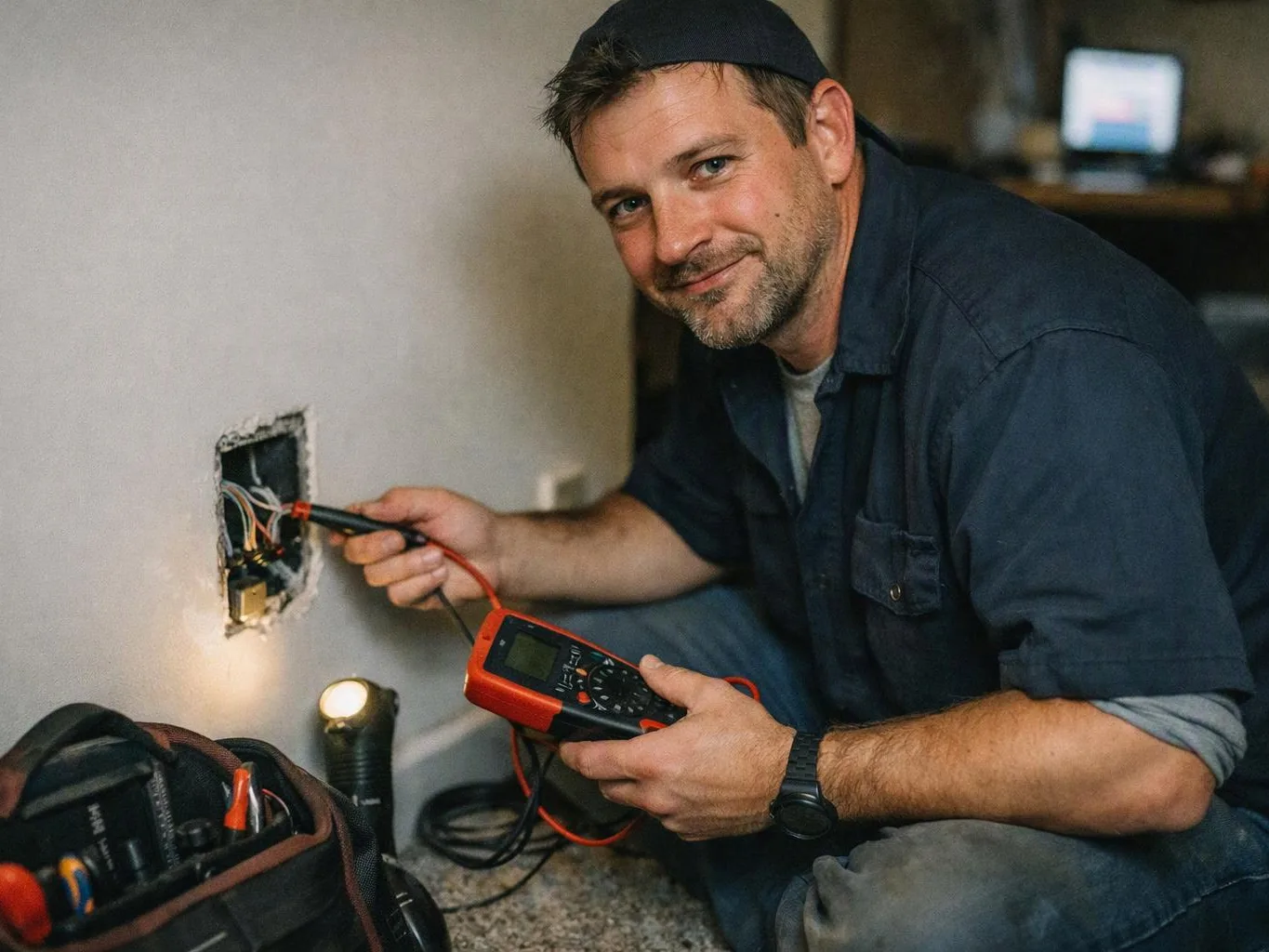
The property layout and existing electrical connections come first. We review access, device locations, wiring paths, control equipment, batteries, and sensor condition. That review helps us decide whether the job needs new installation, repair, or testing. We then separate alarm work from unrelated panel, outlet, or lighting service.
What should be checked before installation is scheduled?
The existing wiring, alarm locations, control equipment, access, and property use should be checked before scheduling. A clear scope helps prevent unrelated electrical repairs from being mixed into the installation. We review those details with the owner and identify the equipment and testing steps included in the quote.
Who is a good fit for fire alarm installation?
Homeowners and businesses planning a new alarm system, property upgrade, or replacement are good fits. GMB Electric installs and tests the electrical parts of the system. A general lighting repair, outlet issue, or unrelated power problem needs electrical service instead. We can review the issue and define the right work.
Which parts affect the installation quote?
Device count, wiring access, equipment condition, battery needs, sensor cleaning, and testing needs affect the quote. Property type and planned use also shape the work scope. We review those details before pricing the project, and added panel or wiring repairs remain separate parts of the job.
When should an existing alarm system be checked?
An existing alarm system should be checked after a failed test, repeated warning, equipment change, remodel, or change in property use. We inspect the alarm devices, batteries, sensors, connections, and signal path. The findings show whether the property needs cleaning, repair, replacement, or a new installation.
Why do batteries and sensors need separate checks?
Batteries and sensors can affect alarm response even when the visible device looks intact. We check battery condition, clean sensors when needed, and test the system after service. These checks help identify a maintenance issue before the property owner approves broader installation or electrical work.