
Skip to content

Generator Installation in Franklin, Indiana

Flickering lights or a strained panel can point to a needed load calculation in Franklin. We plan generator installation around your home's power needs.

Licensed & InsuredWarranty AvailableSame-Day ServiceUpfront, Transparent Pricing

Quick Summary: generator installation in Franklin, Indiana

Generator Installation in Franklin is provided by GMB Electric for homeowners and businesses throughout Indianapolis and surrounding communities. The service covers backup power planning, transfer switch work, fuel supply review, and concrete pad preparation, with 24-hour electrical service available for urgent electrical needs.

  • What we do: GMB Electric provides Generator Installation for homes and businesses in Franklin, Indiana, including load planning, transfer switch work, fuel supply review, and concrete pad preparation.
  • What is included: We inspect electrical panels, trace circuits, review grounding, plan transfer switch placement, and test installed connections.
  • What you get: The property receives a generator plan that matches its electrical load, fuel setup, transfer equipment, and installation site.

Why does a standby generator need a load calculation before installation?

A load calculation shows which electrical systems the generator must support and helps size the installation correctly. GMB Electric reviews the panel, circuits, transfer switch needs, and planned backup loads before recommending the installation scope. This step helps prevent an undersized system from carrying more demand than it can safely handle.
Generator Installation Planning for Franklin Properties

Generator installation is a planned electrical project for a property that needs backup power during an outage. The buyer's main decision is which circuits should stay powered and what the property can support.

A load calculation guides that decision. We review the electrical panel, intended backup loads, transfer switch needs, fuel supply, and concrete pad requirements before setting the work scope.

This page focuses on standby generator planning, not general emergency troubleshooting. A generator won't correct damaged wiring, an overloaded panel, or a failed circuit by itself, so we address those concerns as separate electrical work when needed.

  • Identify the circuits and equipment that need backup power.
  • Review the electrical panel and available service capacity.
  • Plan the transfer switch and its connection to the panel.
  • Check the fuel supply requirements for the selected generator.
  • Confirm that the concrete pad location supports the installation plan.
  • Test and verify the electrical connections after installation.
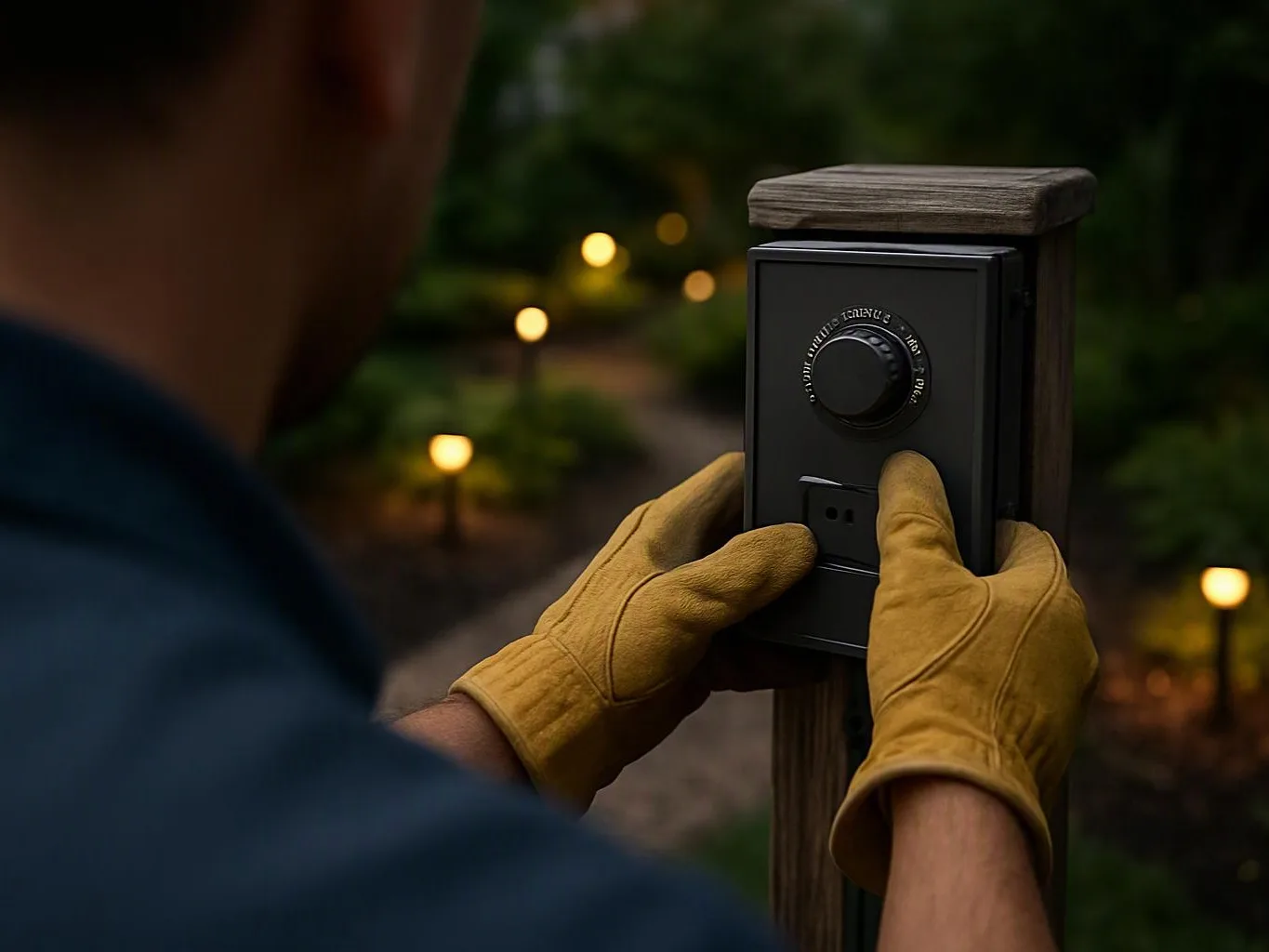
A gloved person adjusts a black outdoor control box mounted on a wooden post along a lit garden path

Service Overview

Generator Installation is a service that sets up standby power equipment, transfer controls, fuel connections, and the electrical parts needed for backup power.

  • Generator installation differs from generator repair because it plans and connects a new system, while repair work diagnoses a failed existing system.
  • GMB Electric provides this work for homes and businesses in Franklin and surrounding communities.

What Generator Installation Changes for Your Property

A planned generator helps keep selected electrical circuits available during an outage.

The transfer switch separates utility power from generator power during operation.

A load calculation helps match backup demand to the planned generator system.

Fuel supply planning gives the installation a clear path before electrical connections begin.

Concrete pad planning gives the generator a stable base for the installation.

A documented scope helps homeowners and businesses decide which backup loads matter most.

Process

How We Plan and Complete Standby Generator Work

1

Review the electrical panel

We inspect the panel and identify the circuits that need backup power. Circuit tracing helps connect the planned loads to the correct breakers.

2

Complete the load calculation

We compare the planned backup loads with the property's electrical demand. The result guides generator sizing and the number of circuits included.

3

Plan the transfer switch

We determine how the transfer switch will connect with the panel and selected circuits. The plan must keep utility and generator power properly separated.

4

Review fuel and pad needs

We check the fuel supply requirements and the concrete pad plan before installation begins. These site details affect access and the final work scope.

5

Install and verify connections

We complete the agreed electrical work, inspect the connections, and test the system so the planned backup circuits operate as intended.

What You Get From Our Generator Installation Work

A load-based equipment plan

The backup plan starts with the property's electrical demand, not a guess based on the building size. We review circuits and intended loads before selecting the installation scope.

Transfer switch coordination

The transfer switch must work with the panel and the selected backup circuits. We plan those connections and test them after the installation work is complete.

A clear site review

Fuel supply and concrete pad needs affect the work before wiring begins. We identify those requirements early so the installation plan fits the property.

Licensed and insured electricians

GMB Electric provides generator installation through licensed and insured electricians. This service is the wrong fit when the immediate issue is only a failed generator that needs repair.

A client scenario this service addresses

A typical Franklin property may need standby power for selected home circuits or business equipment. We inspect the panel, map the loads, review transfer switch needs, and set the installation scope around the available fuel supply and concrete pad. If the project requires permit coordination, we explain that part before work starts.

What Standby Generator Installation Includes

GMB Electric provides comprehensive Generator Installation in Franklin. Here's what you get:

  • We review the property's electrical panel and planned backup loads.
  • We complete a load calculation to guide generator sizing and circuit selection.
  • We plan the transfer switch connection between the generator and electrical panel.
  • We review the fuel supply needed for the planned generator setup.
  • We assess the concrete pad needs for the generator location.
  • We test and verify the installed electrical connections.

Standby Power Scope Decisions

These options help clarify which part of a property needs attention before generator installation.

Property needWhat we reviewPlanning result
Essential circuit backupPriority circuits at the electrical panelTransfer switch scope for selected loads
Whole-property backup planningOverall electrical demand and service capacityBroader equipment and panel review
Site-ready generator placementFuel supply and concrete pad needsSite work included in the installation scope

The GMB Electric Standard

  • Urgent Assistance
  • Problem Diagnosis
  • Safe Repairs
  • Clear Communication

Questions About Standby Generator Installation

Why is a load calculation needed before standby generator installation?

A load calculation identifies the electrical demand the generator must support. GMB Electric reviews the panel, priority circuits, and transfer switch needs before setting the installation scope. The review also helps separate essential loads from circuits that do not need backup power. That information guides the equipment plan and reduces the risk of sizing the system around the wrong demand.

How can I tell whether a standby generator fits my property?

A standby generator fits when the property has suitable electrical capacity, a workable fuel supply, and space for the planned equipment. We inspect the panel and review the backup circuits before recommending installation. The concrete pad and transfer switch also matter because both must fit the site and electrical layout. A quote follows the property assessment.

Which part of the property decides the installation scope?

The electrical panel and the circuits selected for backup decide much of the installation scope. We trace those circuits, inspect the service, and review the transfer switch connection. Fuel access and the concrete pad can change the site work. The final plan reflects the property's actual wiring and the equipment the customer wants to keep powered.

What should be checked before adding a transfer switch?

The electrical panel, service capacity, and selected backup circuits should be checked before adding a transfer switch. We confirm how the switch will connect with the panel and how utility power will be separated from generator power. Existing wiring problems must be addressed as separate electrical work when they affect safe installation.

Which material changes how long generator installation takes?

Concrete work can affect the installation schedule because the generator needs a suitable pad before final placement. We also review fuel supply materials and the electrical panel before setting the work sequence. Site access, required repairs, and transfer switch connections can add work. We explain those scope factors when preparing the quote.

What happens if the electrical panel cannot support the planned backup loads?

An unsupported panel requires electrical correction before the generator plan can proceed. We inspect the panel, trace the affected circuits, and explain whether panel service or another electrical upgrade is needed. Generator installation does not fix an overloaded or damaged panel. The quote separates that electrical work from the standby power scope.
Contact

Request a Generator Installation Quote in Franklin

Tell us about your property and backup power needs, and urgent requests get priority scheduling.

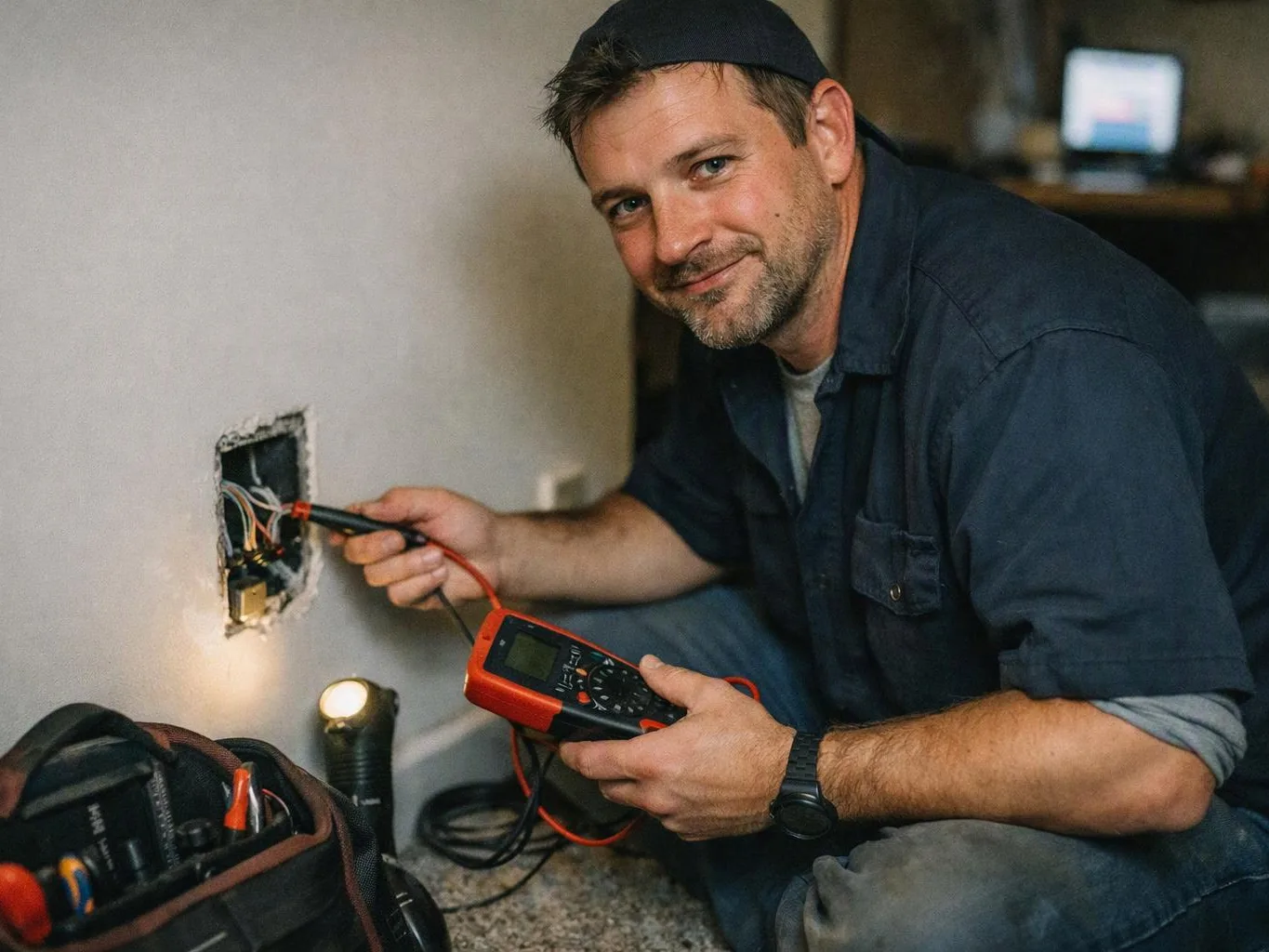
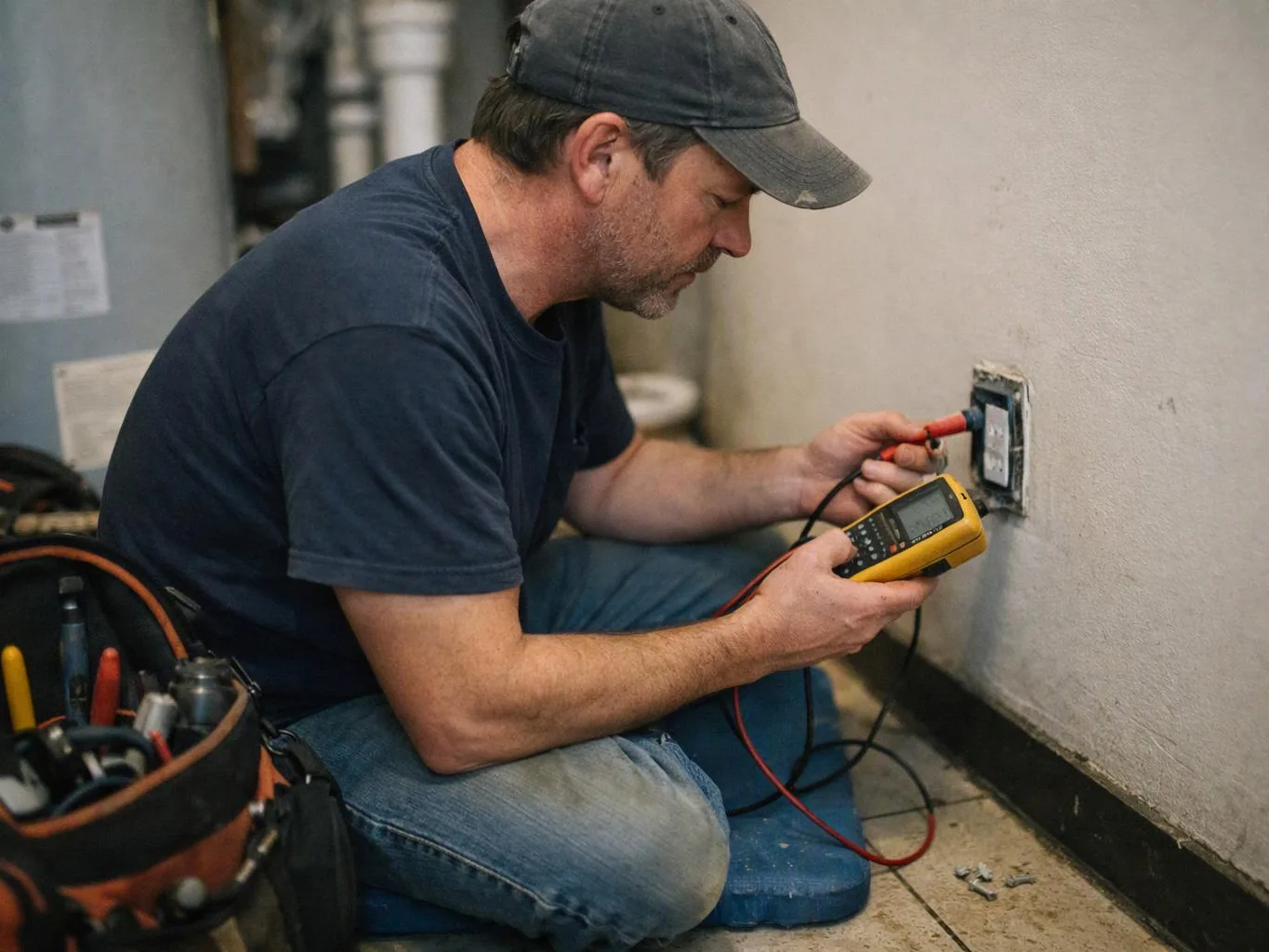
A man kneels by a wall outlet, testing it with a yellow multimeter in a work area

ZIP Codes We Serve in Franklin, Indiana

46131

Generator Installation in Other Areas

(317) 608-1220