Why does a clogged filter make my generator hard to start?
A clogged filter can restrict airflow and make the engine hard to start. GMB Electric checks the filter, intake path, fuel, battery, starter, and exhaust system. We then explain whether cleaning or replacement is needed. Repeated start attempts can add strain, so stop testing the unit if it produces unusual sounds or smells.
How is generator maintenance matched to the property before work starts?
The property type, generator use, equipment access, and starting symptom shape the inspection. Residential and commercial generators may serve different loads and operating needs. Our team asks about the building, recent symptoms, and access to the unit before we set the work scope.
What should be ready before generator maintenance starts?
The generator area should be accessible, and the starting symptoms should be noted. Keep warning lights, sounds, recent fuel changes, and prior electrical work available for review. Clear access helps us inspect the air filter, battery, starter, fuel path, and exhaust without guessing about the fault.
Which generator parts should be checked when the engine will not start?
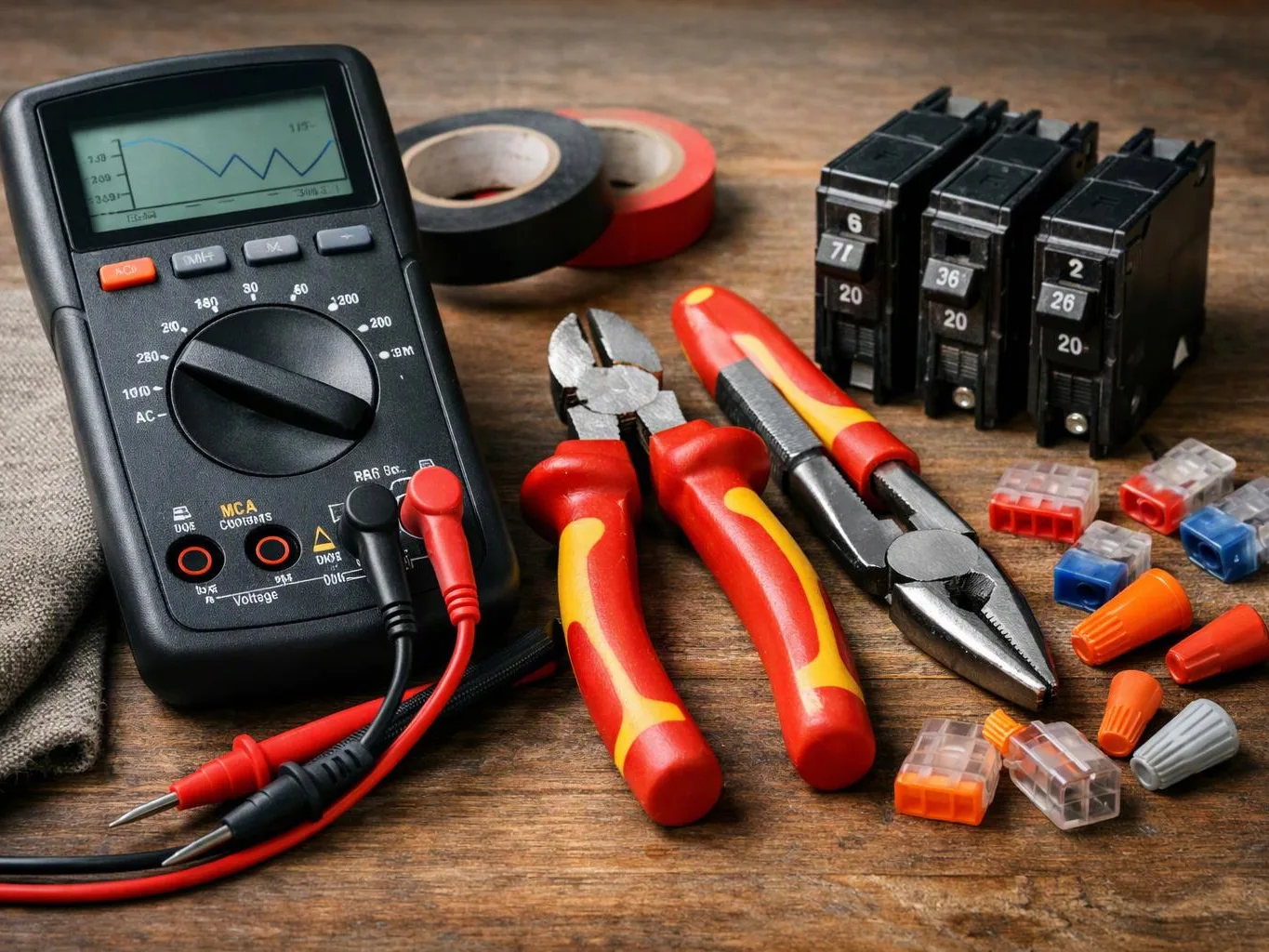
The air filter, battery, fuel path, starter, and exhaust path should be checked when a generator will not start. Each part affects a different stage of starting. We test the related systems and separate a maintenance issue from a wiring or control problem.
When does a starting problem need electrical troubleshooting?
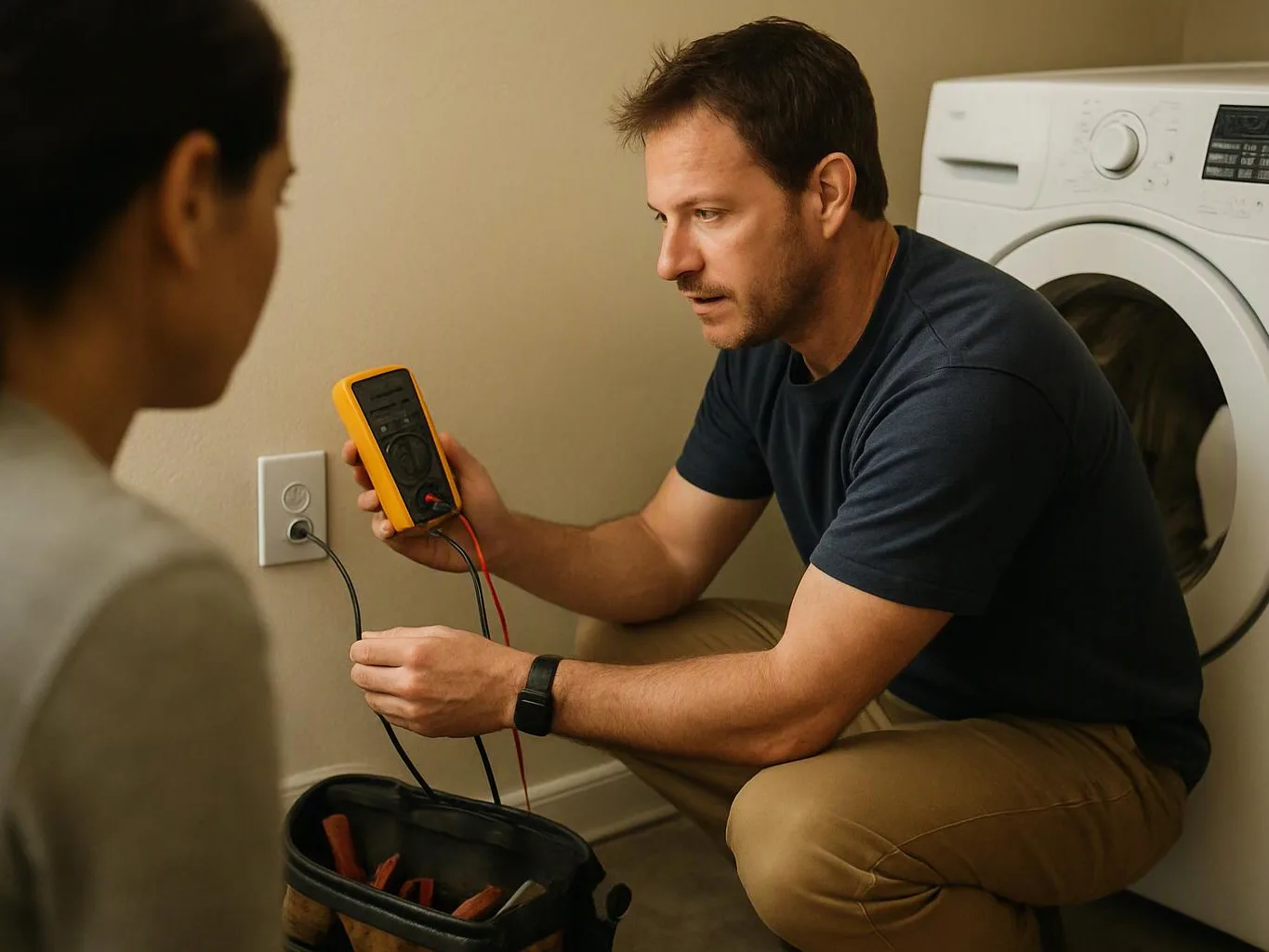
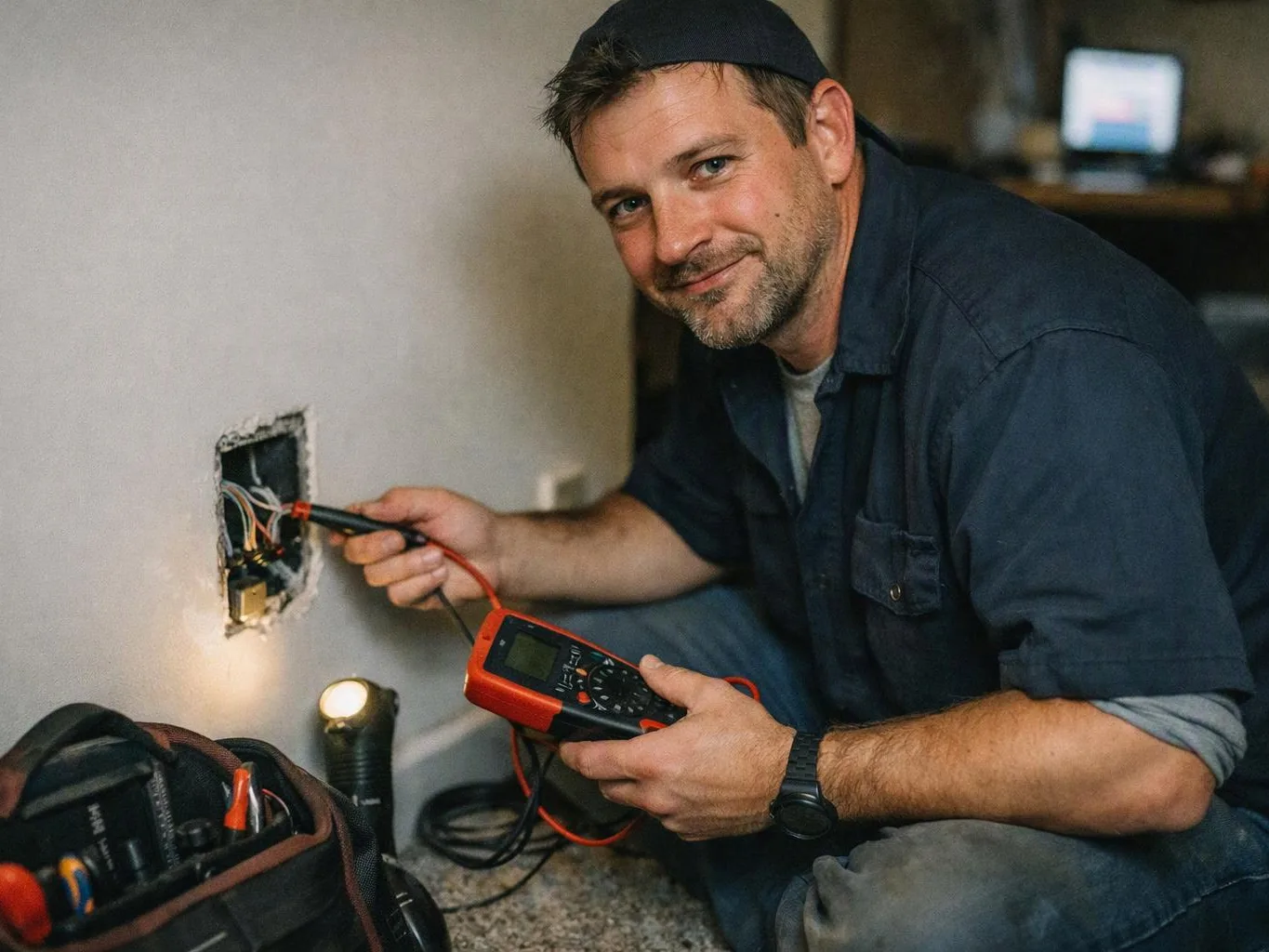
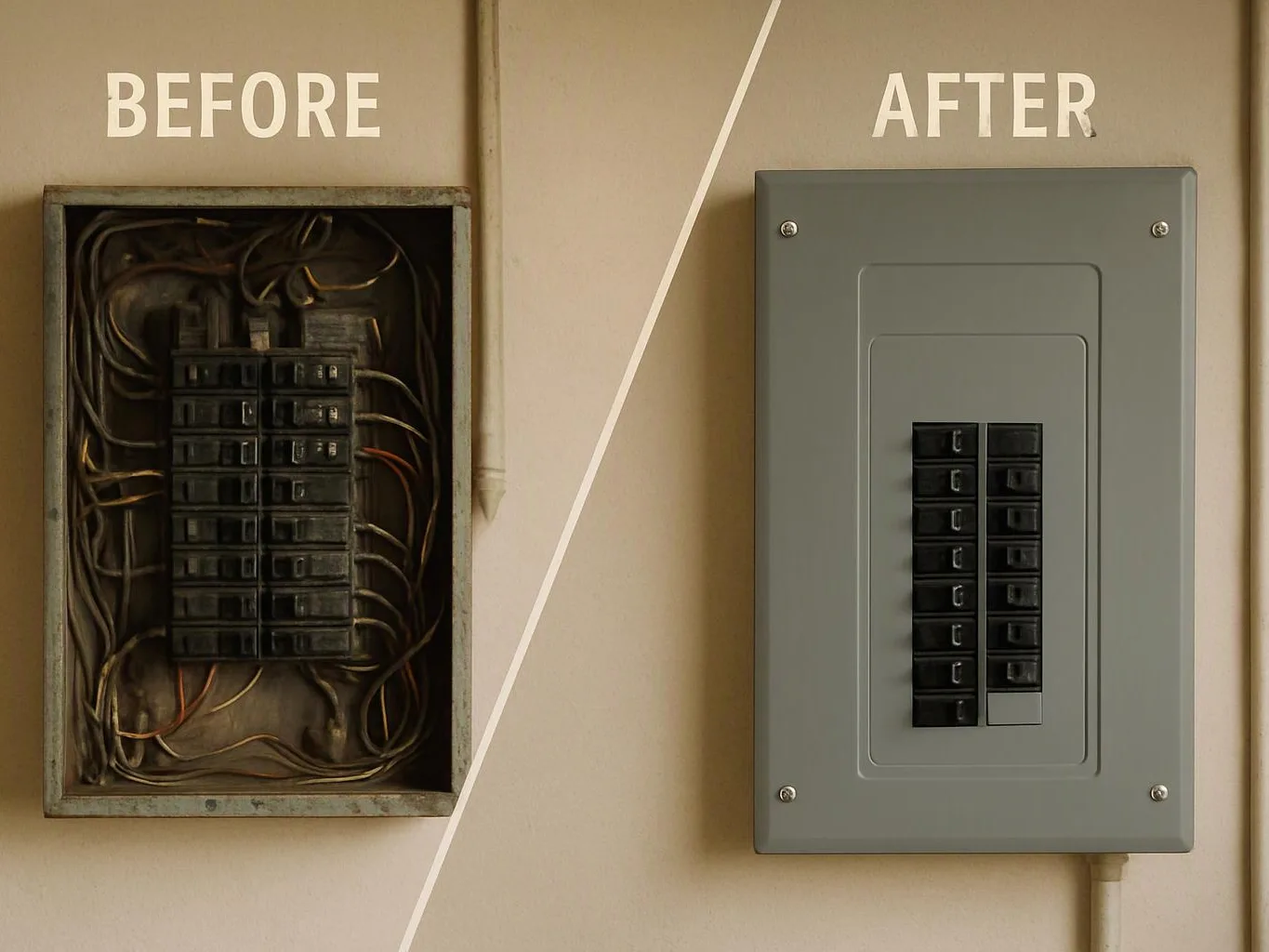
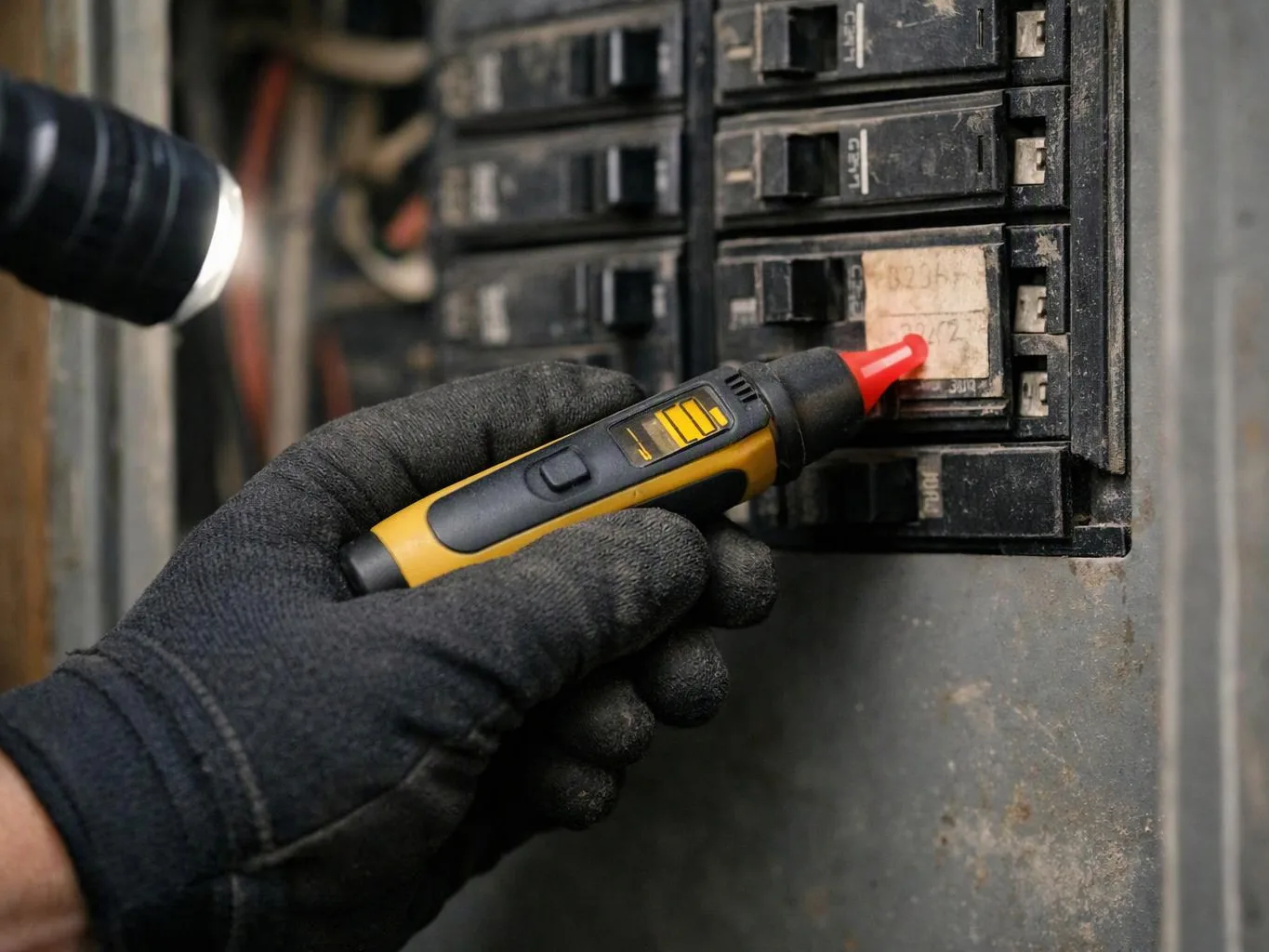
A starting problem needs electrical troubleshooting when the battery, starter circuit, controls, or wiring fail their checks. We inspect generator maintenance items first, then identify electrical faults that need a separate repair. GMB Electric also handles circuit, panel, and wiring service for residential and commercial properties.
What should I ask before agreeing to generator maintenance?
Ask which starting symptom the inspection will address and which parts will be checked. You should also ask whether the work includes testing the battery, starter, fuel path, and exhaust path. We explain the findings, the recommended repair, and any separate electrical work before moving forward.