Which smoke detector type is right for each room?
Combination alarms are useful where smoke and carbon monoxide detection belong together, but room use still guides the final choice. GMB Electric reviews the space, existing equipment, mounting point, and power connection before installation. Photoelectric sensors, ionization sensors, and heat sensors work through different detection methods. We explain which option fits the room and the property.
How does a smoke alarm visit move from the first call to the last step?
The visit moves from a scope review to equipment selection, installation, and testing. Customers share the property type and alarm concern first. We then check room use, mounting surfaces, power connections, and existing wiring. After installation, our team tests the equipment and explains the basic care needed.
Which part of the property decides the installation scope?
The room layout, room use, mounting surface, and existing power connection decide the installation scope. Ceiling access and hardwired connections can require different work from battery units. We review those conditions before giving a quote. A wider wiring fault can move the request into electrical repair or inspection work.
What material changes how long alarm installation takes?
The mounting surface and existing wiring affect the work time. Drywall, wood, finished ceilings, and hardwired connections each require different access and fastening checks. We inspect the surface before mounting the alarm. Customers receive a scope based on the actual property conditions, not a fixed assumption.
Why does a hardwired alarm fail after the unit is replaced?
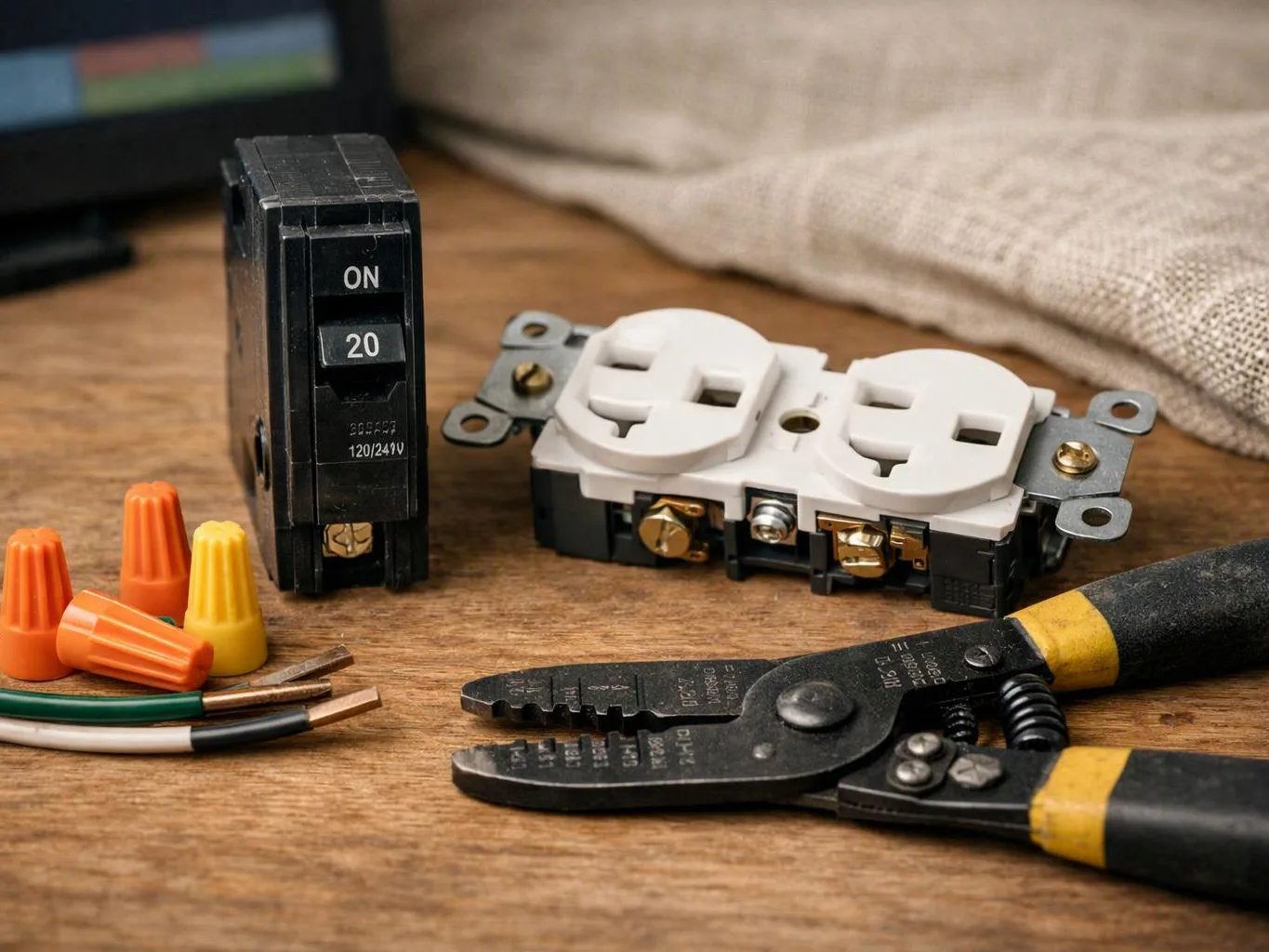
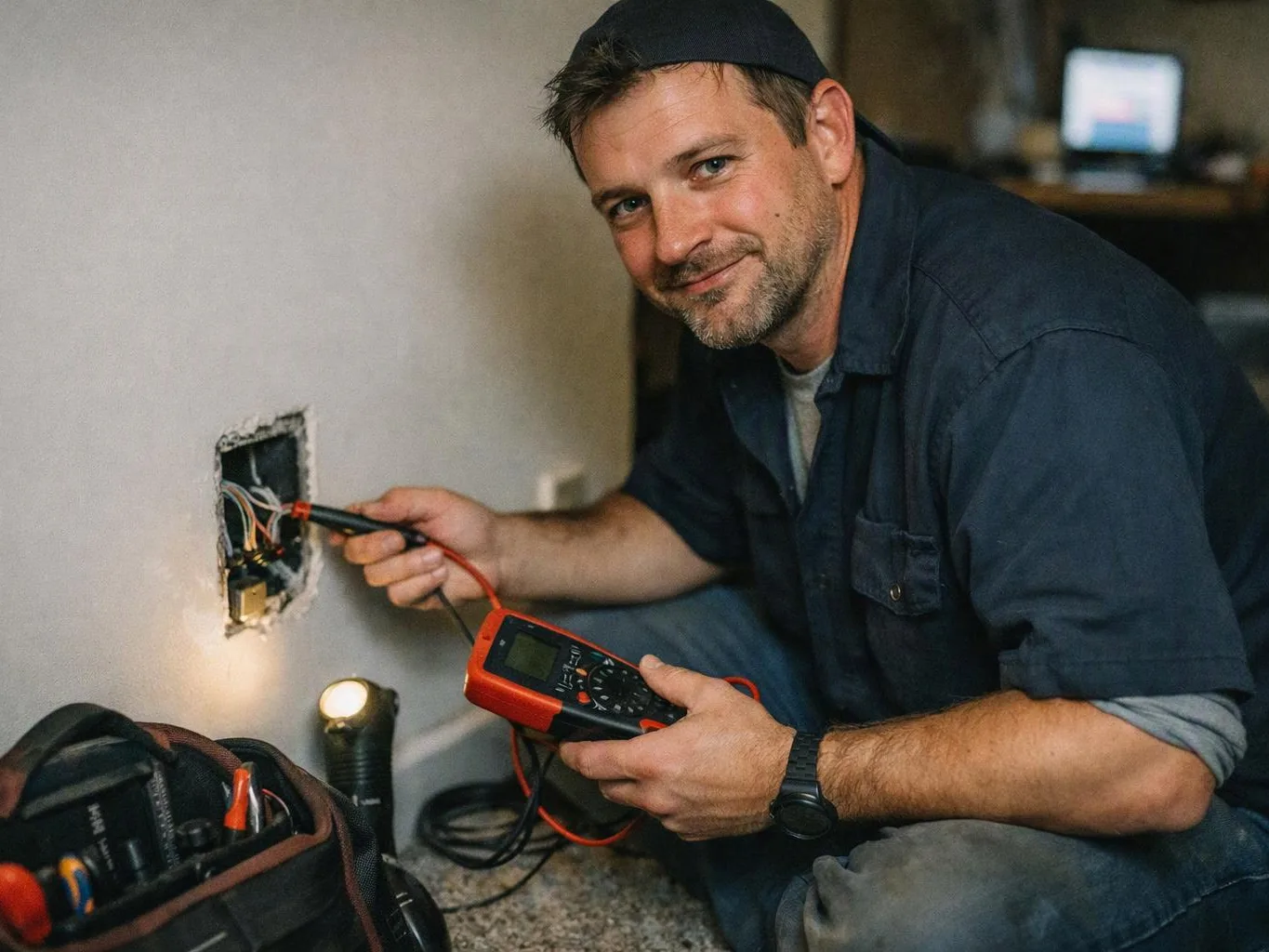
A hardwired alarm can fail after replacement when the power connection, wiring, or circuit has a fault. We test the new unit, inspect the connection, and check related wiring before treating the alarm as defective. The repair may need broader electrical troubleshooting when the alarm is not receiving proper power.
When should smoke alarm work become a full electrical inspection?
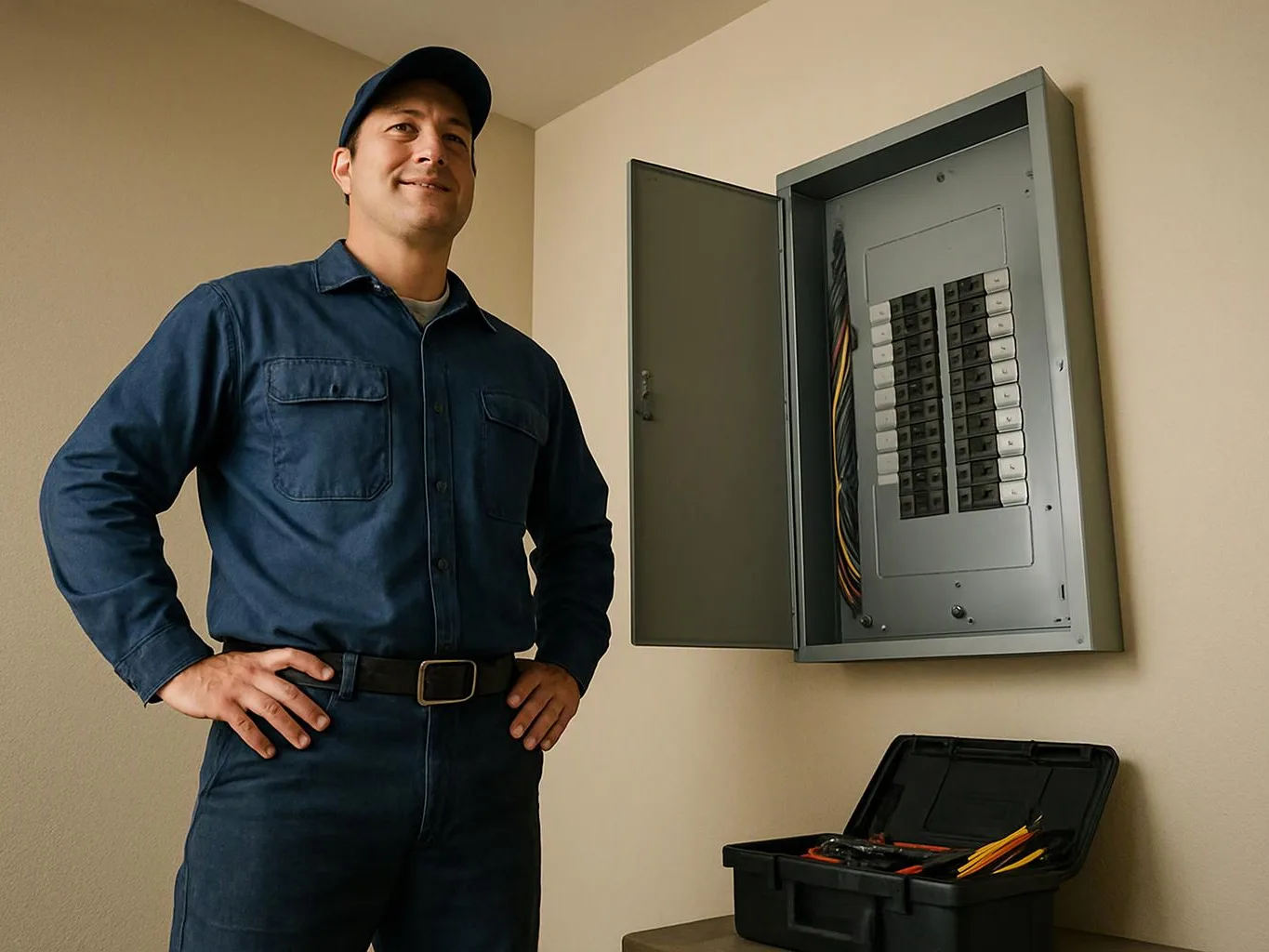
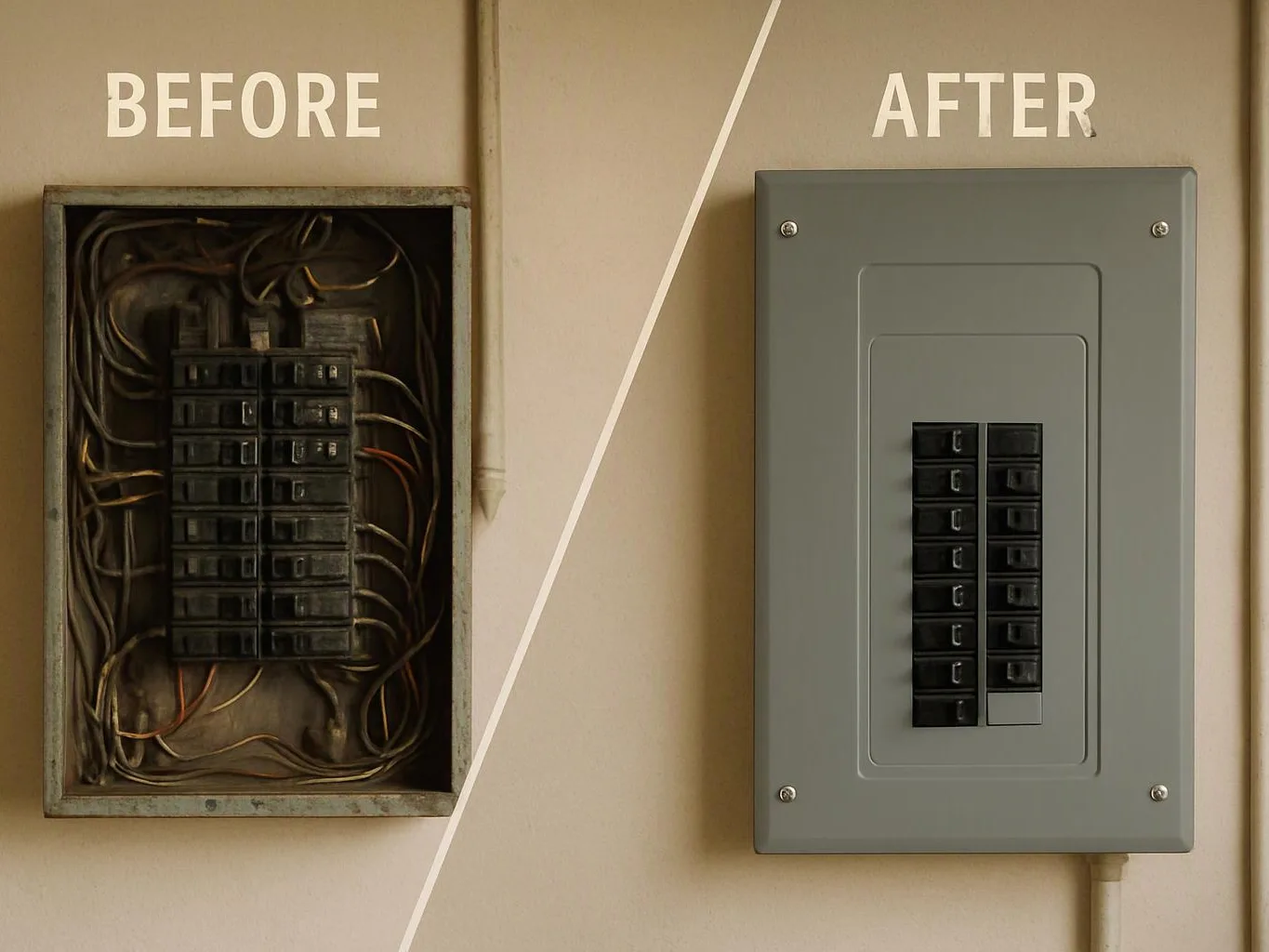
Smoke alarm work should become a full electrical inspection when the job reveals damaged wiring, an unsafe connection, panel trouble, or wider power symptoms. Flickering lights, a buzzing panel, or repeated breaker trips can signal a larger electrical hazard. We explain the added scope before performing separate inspection or repair work.
Who installs smoke alarms for homes and businesses?
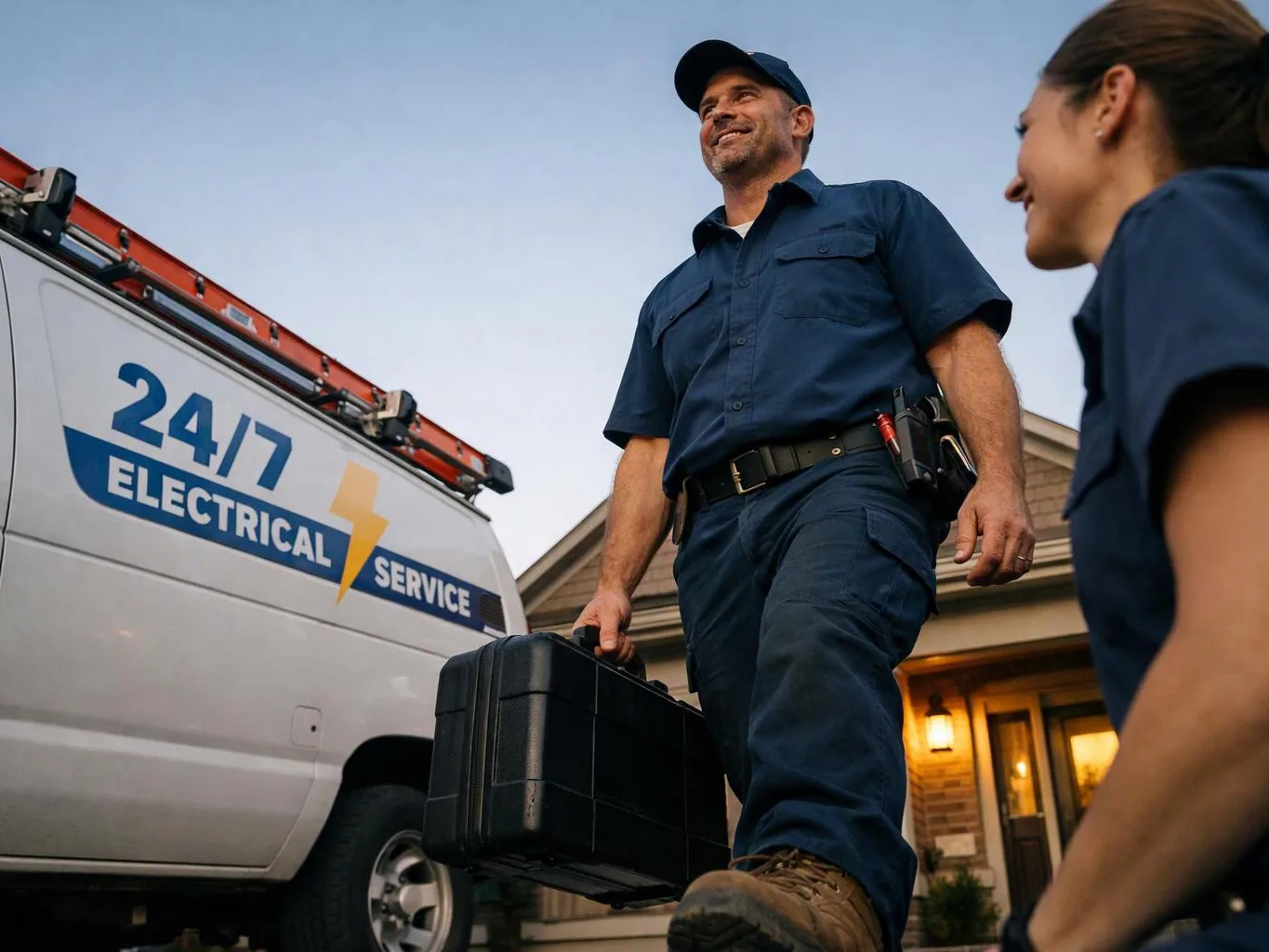
GMB Electric installs smoke alarms for residential and commercial properties. Our licensed and insured electricians handle alarm mounting, wiring checks, replacement units, and testing. Customers can request a quote or assessment and describe the property type, existing alarm setup, and reason for the work.