Which smoke detector type is right for each room?
Ionization sensors fit fast-flame fire risks, while photoelectric sensors, combination alarms, or heat sensors may better fit other rooms. We review room use, nearby conditions, power, and mounting points before choosing the alarm. Kitchens, utility spaces, sleeping areas, and commercial rooms can require different recommendations. GMB Electric installs and tests the selected alarms.
How does a smoke alarm installation visit move from the first call to the last step?
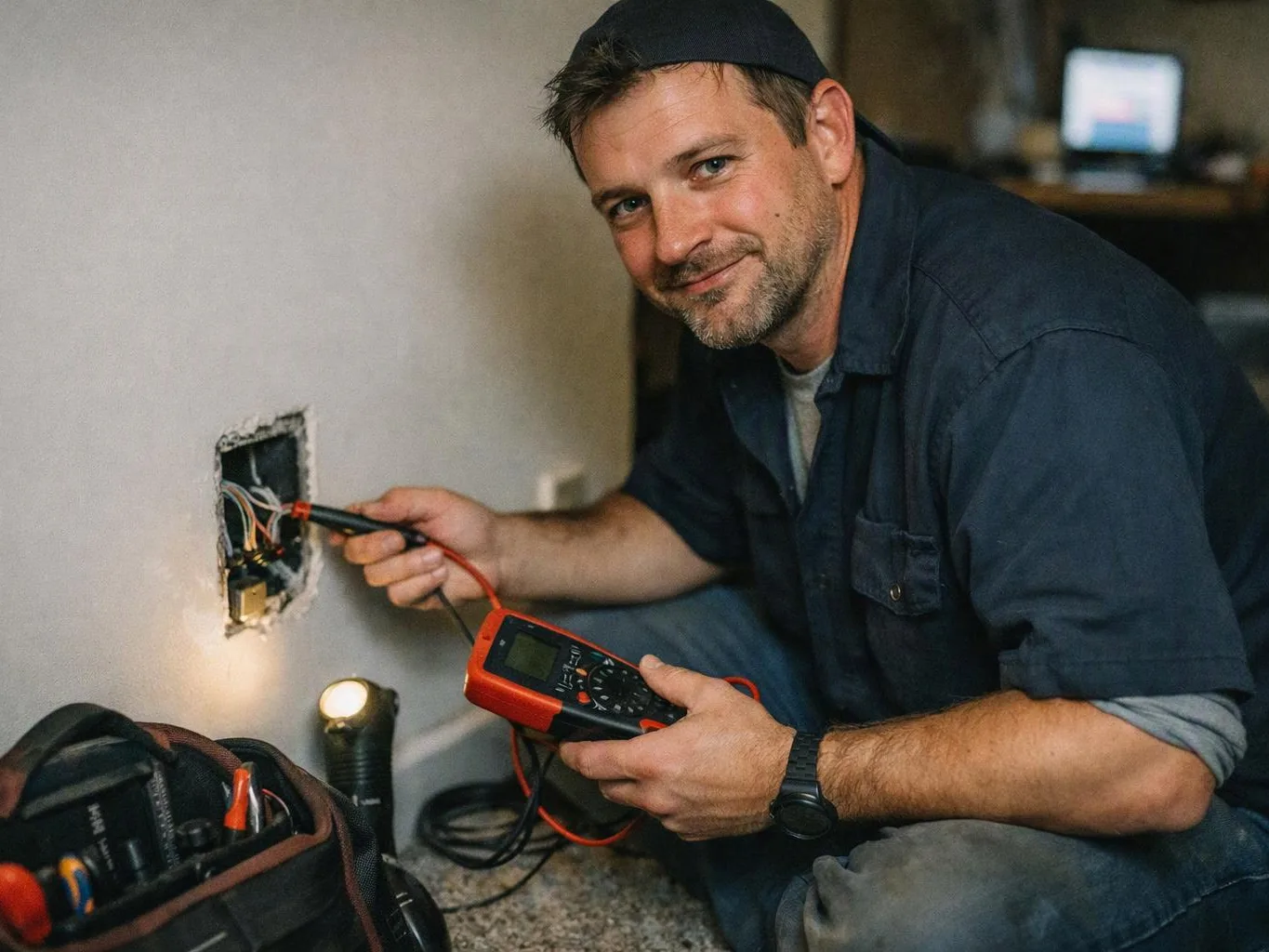
The visit moves from room review to power checks, sensor selection, mounting, connection, and final testing. We first identify the rooms and existing alarms. The electrical connection and mounting surface come next. After installation, we test each alarm and explain the result so you know what was completed.
What tells me whether this service fits my property?
New, missing, damaged, or poorly matched alarms indicate that this service may fit the property. Existing wiring and mounting points also shape the work. We inspect the rooms and explain whether alarm installation alone addresses the need. A panel fault or damaged circuit calls for a broader electrical repair.
Which part of the property decides the installation scope?
The rooms, mounting surfaces, power sources, and existing alarm wiring decide the installation scope. A property with ready connections may need less electrical work than one with missing or damaged wiring. We review access and room use before listing the work needed for each alarm.
When should a property owner replace an existing smoke alarm?
A property owner should request replacement when an alarm is damaged, unreliable, poorly matched to its room, or no longer suitable for the electrical setup. We inspect the alarm, connection, and mounting point before recommending replacement. The correct sensor type still depends on the room and its use.
Why might a heat sensor fit a room better than a smoke alarm?
Heat sensors may fit spaces where normal activity could make a smoke alarm unsuitable. The room's use and expected conditions guide that decision. We review the space, check the available connection, and explain whether heat detection or another alarm type fits the installation goal.
What changes the quote for this alarm installation?
Room count, alarm type, wiring access, mounting surfaces, and electrical repairs change the quote. Existing connections can affect the work needed at each location. We review those conditions and prepare a quote for the actual installation scope, without assigning a price before seeing the job details.