Preventing Electrical Emergencies With Maintenance and Follow-Up
Home electrical maintenance can prevent emergencies by identifying damaged wiring, overloaded circuits, panel defects, and generator problems before failure; GMB Electric checks the system, corrects hazards, and verifies related issues after repairs.
Request an Estimate
How Electrical Maintenance Helps Prevent Emergencies
Home electrical maintenance helps prevent emergencies by identifying unsafe conditions, correcting defects, and confirming that connected components operate safely.
An electrical system checkup can reveal problems that are not obvious during normal use. Our Electrical Safety Inspection examines accessible wiring, devices, protection, and connections so we can address an electrical hazard before it causes an outage, shock, fire, or equipment damage.
Preventive maintenance also includes troubleshooting unusual symptoms and checking whether completed repairs solved the original problem. We use those findings to guide Electrical Code Correction, repair work, and follow-up testing.
Ignoring Warning Signs From Outlets and Switches
An electrical outlet or light switch that shows burn marks, buzzing, or unusual warmth may have a loose connection, damaged component, or excessive electrical load.
These symptoms often happen when wear, poor connections, or a failing device is left unaddressed. We use Electrical Troubleshooting to identify the source, assess the connected wiring, and determine the needed correction.
The cost of correcting the problem depends on whether the fault is limited to the device or extends into the electrical wiring. We replace or repair affected parts and verify safe operation after the work.
Overloading Circuits With High-Demand Devices
An overloaded circuit carries more electrical load than its branch circuit, circuit breaker, wiring, or connected devices can safely support.
Overloads can develop when high-demand appliances share one circuit or when extension cords and power strips are used as permanent wiring. We review the load, inspect circuit protection, and identify safer connection options.
The cost depends on the correction required, such as rearranging connections, repairing wiring, or adding properly designed circuit capacity. Our Electrical Code Correction addresses the unsafe condition and includes verification of circuit operation.
Delaying Repairs for Damaged or Aging Wiring
Damaged electrical wiring can expose conductors when insulation is cracked, cut, deteriorated, or affected by heat.
Loose connections and damaged insulation can create arcing, heat, and intermittent power. We trace the affected section, determine why the damage occurred, and complete Electrical Wiring Repair where needed.
The cost depends on the location, accessibility, and extent of the wiring damage. We correct the affected connection or wiring and check nearby portions for a related electrical issue.
Treating a Tripping Breaker as a Resetting Problem
A circuit breaker that trips repeatedly signals a fault, excessive load, or problem with connected equipment.
A short circuit or ground fault can cause repeated tripping and may create heat or shock hazards. We test the circuit, isolate the cause, and determine whether the breaker, wiring, device, or load needs attention.
The cost depends on the source of the trip and the repair needed to restore safe circuit protection. Our Electrical Panel Repair work includes correcting the cause instead of treating the reset as the complete solution.
Skipping Electrical Panel Maintenance
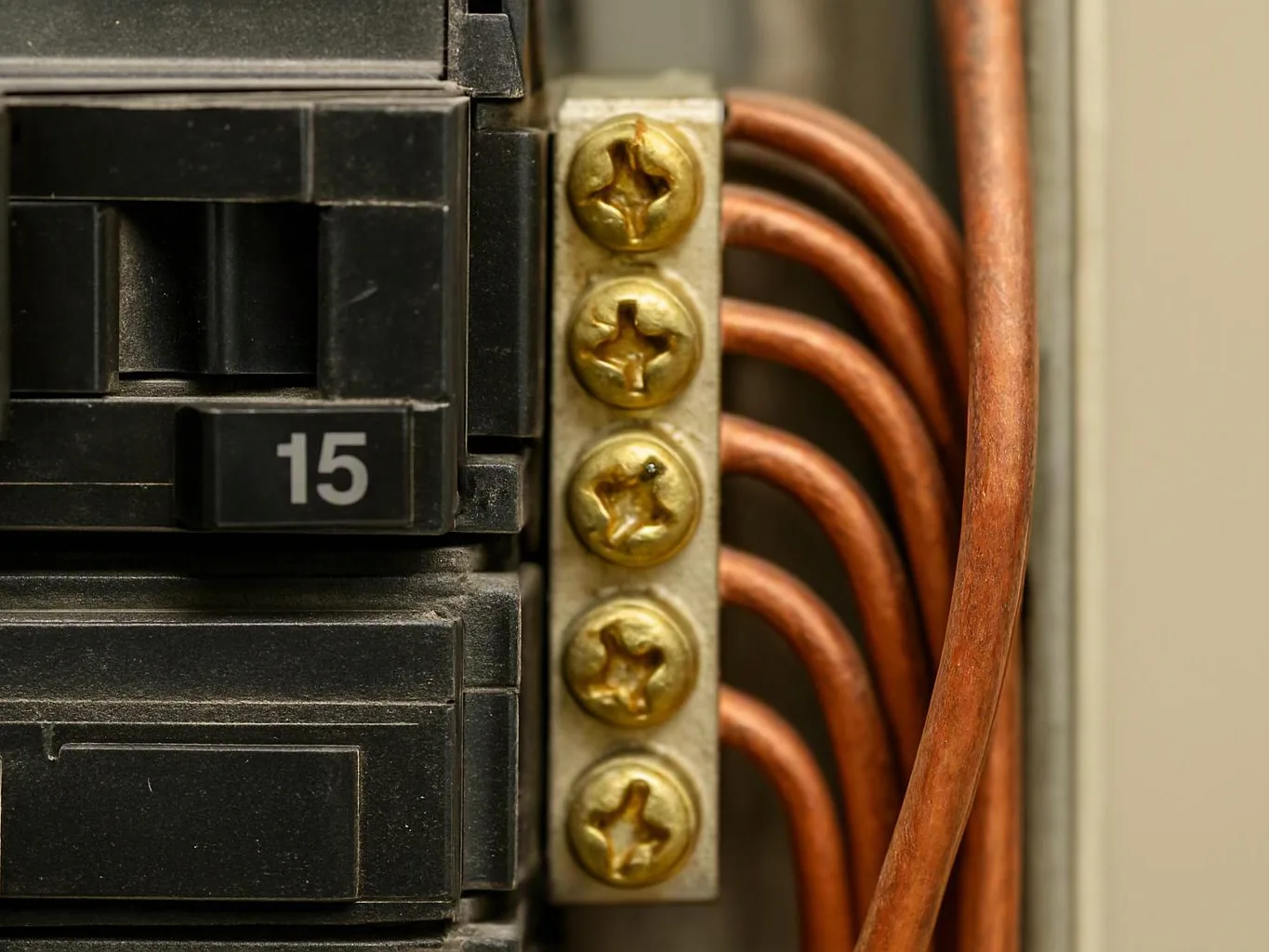
An electrical panel needs inspection when loose panel connections, worn components, or overheating may affect safe power distribution.
Heat, unusual noise, or visible damage can point to a connection or protection problem. We inspect the panel, assess the main breaker and branch protection, and check for signs of overheating.
The cost depends on whether the panel needs a connection correction, component repair, or broader work. Our Electrical Safety Inspection and Electrical Panel Repair process confirms that the panel and connected circuits operate safely.
Using a Generator Without Routine Maintenance
A generator can become an emergency hazard when its electrical, mechanical, or fuel-related systems are not maintained.
Standby generator and portable generator problems may involve the transfer switch, fuel system, exhaust setup, or carbon monoxide risk. We perform Generator Maintenance, inspect related connections, and check that the system is suitable for safe operation.
The cost depends on the generator type, condition, and maintenance or repair needs. We address identified defects and verify operation without bypassing required protection.
Making DIY Repairs Without Confirming the Cause
DIY electrical repairs can increase risk when the original cause has not been identified or the circuit has not been safely de-energized.
Replacing a device without testing can leave a short circuit, loose connection, or failed circuit protection in place. We perform electrical troubleshooting, follow electrical safety procedures, and trace the fault before completing wiring repair.
The cost depends on the condition discovered during testing and the work needed to make the circuit safe. We confirm circuit protection and safe operation after the correction.
Closing a Repair Without Checking Related Circuits
Electrical repair follow-up confirms that the original fault is resolved and that connected circuits remain safe.
A downstream connection, shared neutral, nearby outlet, or related circuit may still have a defect after the visible problem is repaired. We inspect related components, perform appropriate load testing, and look for signs of a related electrical issue.
The cost depends on the scope of the follow-up inspection and any additional fault found. Repair verification helps us close the work only after the affected system shows safe operation.
What to Check After an Electrical Repair
Electrical repair follow-up should confirm that the original fault is resolved and that connected wiring, devices, protection, and circuit operation remain safe.
Use the following checks as a guide for discussing repair verification with our team:
We use these checks to determine whether the repair solved one isolated fault or whether a related electrical issue needs attention.
How to Prepare Your Electrical System for Emergency Service
Emergency electrical service is easier and safer when you know the location of the electrical panel, keep access clear, identify urgent symptoms, and avoid touching damaged equipment.
Keep the area around the panel accessible so our crew can reach circuit protection safely. Labeling circuits helps identify affected areas, but you should not remove panel covers or handle exposed conductors.
Write down what happened, including smoke, a burning smell, buzzing, sparks, a warm switch, or a tripped breaker. Keep appliance information and relevant safety details available so we can trace the problem efficiently.
Use the emergency shutoff only when you can do so safely and without approaching damaged equipment. Leave damaged outlets, switches, wiring, and appliances untouched until we assess the condition.
When to Call GMB Electric Instead of Troubleshooting Alone
GMB Electric should handle electrical conditions involving exposed wiring, smoke or burning, repeated breaker trips, or damage that cannot be safely isolated.
Call us when a condition could involve energized parts, hidden wiring damage, or failed circuit protection. Our team can determine whether the issue requires inspection, troubleshooting, code correction, panel repair, or wiring repair.
How GMB Electric Handles Maintenance and Follow-Up
GMB Electric handles maintenance and follow-up by inspecting the electrical system, tracing the cause of defects, completing needed corrections, and checking related components after repair.
We begin by reviewing the symptoms, visible conditions, and affected circuits. Our team then uses Electrical Safety Inspection and Electrical Troubleshooting methods to identify the source rather than relying on a reset or surface-level repair.
When we find a defect, we complete the appropriate Electrical Code Correction, Electrical Panel Repair, Electrical Wiring Repair, or Generator Maintenance. We explain what the work addresses and what connected components need review.
After the repair, we perform repair verification through appropriate testing and follow-up inspection. This process helps confirm safe operation and reduces the chance that a related fault will become an electrical emergency.
Request an exact quote by contacting us with the affected equipment, symptoms, and any known circuit information. The quote depends on the condition found, access to the work area, and the correction required.
Questions About Preventing Electrical Emergencies
What should I check after an electrical repair?
Electrical repair follow-up should confirm that the original symptom is gone and that the repaired device, related wiring, circuit protection, and connected circuits operate safely. GMB Electric checks these conditions through inspection, troubleshooting, and appropriate testing.
Can regular electrical maintenance prevent a circuit breaker emergency?
Yes, regular electrical maintenance can reduce the risk of a circuit breaker emergency by identifying overloaded circuits, loose connections, damaged wiring, and protection problems before failure.
What electrical warning signs should homeowners never ignore?
Homeowners should not ignore smoke, a burning smell, buzzing, sparks, warm switches, discolored outlets, exposed wiring, or repeated breaker trips. Stop using affected equipment when safe and contact us for an assessment.
How can I prepare my electrical system for emergency service?
Prepare your electrical system for emergency service by keeping electrical panel access clear, knowing the emergency shutoff location, identifying circuits, recording urgent symptoms, and avoiding damaged equipment.
Related Resources
Emergency Electrician Cost Factors: What Affects a 24-Hour Electrical Repair Quote?
What It CostsGenerator Installation Cost Factors: Equipment, Wiring, and Site Requirements
What It SolvesEmergency Outlet, Switch, and Appliance Circuit Troubleshooting
What It SolvesEmergency Generator and Home Battery Backup Troubleshooting