Urgent EV Charger and Bidirectional Charging Troubleshooting
Urgent EV charger and bidirectional charging troubleshooting is needed when a charger shows electrical hazard signs, repeatedly fails, overheats, or disrupts energy transfer; GMB Electric checks the charger, circuit, protection equipment, and connected energy system to identify the fault and repair it safely.
Request an EstimateWhen an EV Charger Problem Needs Urgent Service
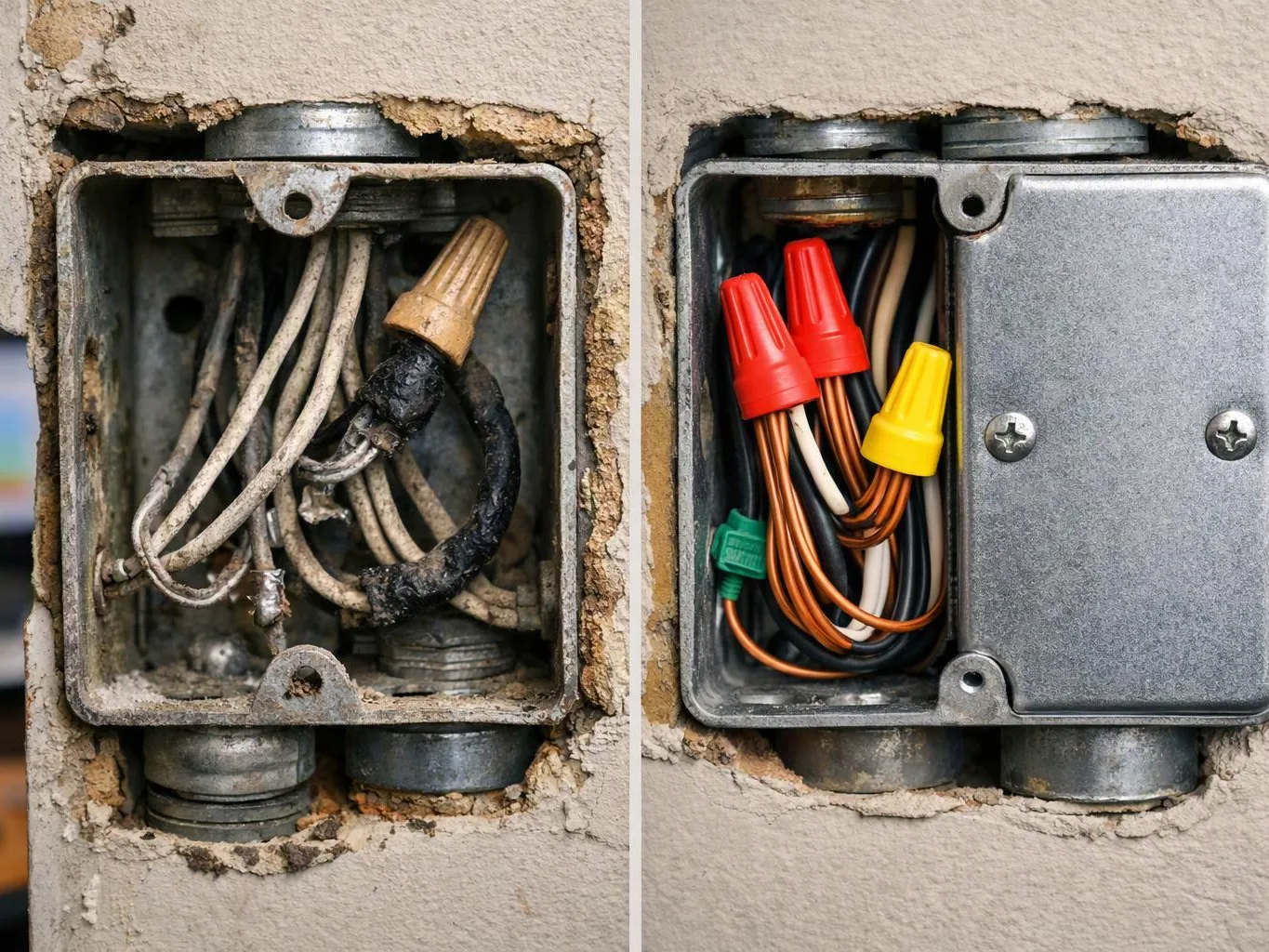
Urgent EV charger service is needed when the equipment creates a shock, fire, overheating, arcing, burning odor, exposed wiring, or repeated electrical protection concern.
An EV charger not working can result from a simple connection issue or a fault in the electrical path. GMB Electric checks the charging equipment, electrical panel, branch circuit, and protection devices to locate the cause safely.
Stop using the charger when a charging fault is paired with smoke, sparking, heat damage, or an electrical shock hazard. Our team can assess the equipment and determine whether a safe charger reset, repair, or isolation is appropriate.
Signs Your EV Charger Needs Immediate Attention
These symptoms can point to a charging interruption or an unsafe electrical condition. Do not keep restarting equipment that shows physical damage or repeated protection trips.
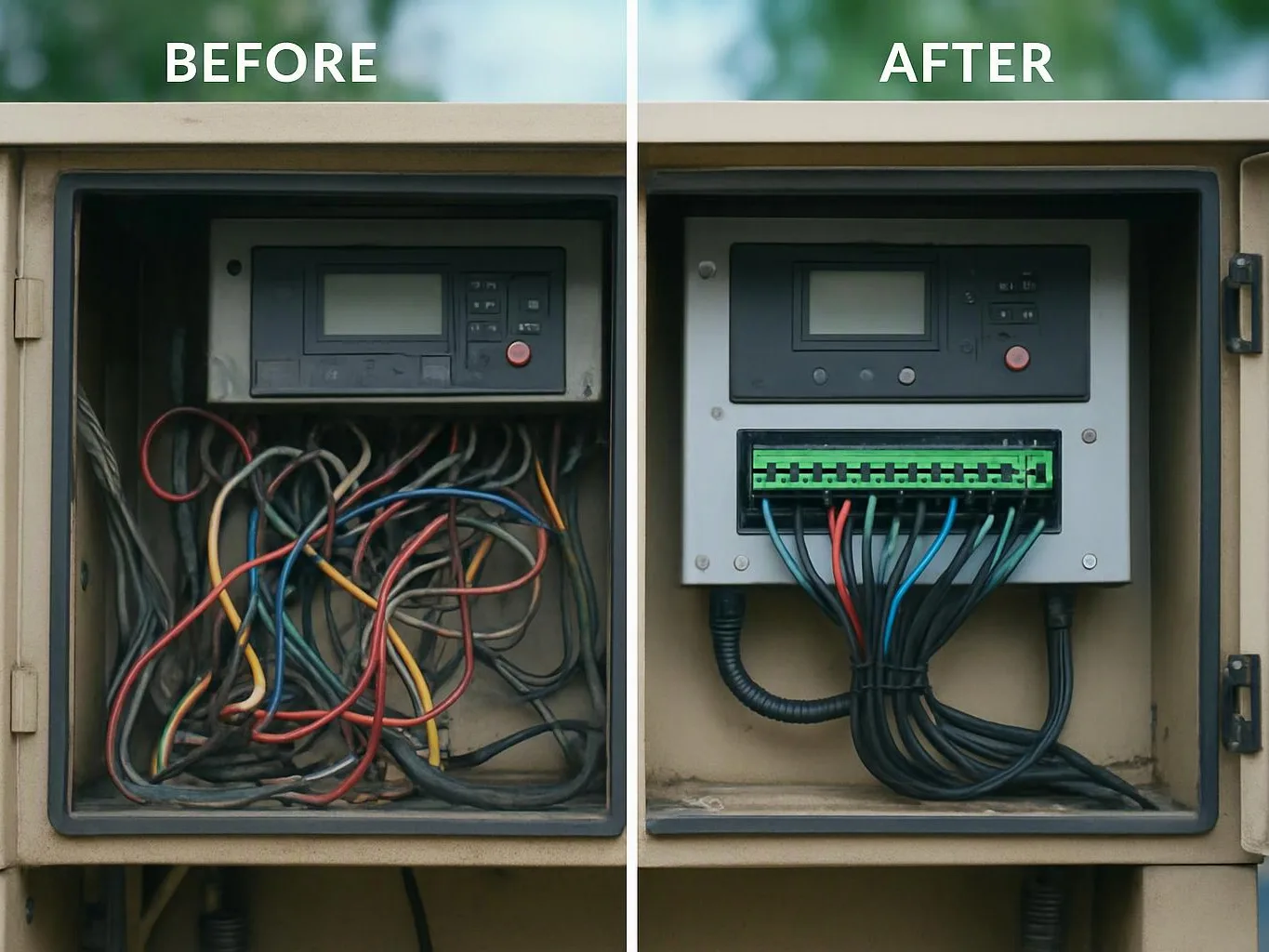
GMB Electric traces these symptoms through the complete circuit instead of treating the warning light as the entire diagnosis. We inspect the charger and connected electrical equipment for heat, damage, grounding problems, and loose connections.
Common Causes of EV Charger and Bidirectional System Faults
Common faults can begin in the supply circuit, the charger, or the equipment that controls bidirectional power flow. Our team tests each relevant part so the repair addresses the source of the problem.
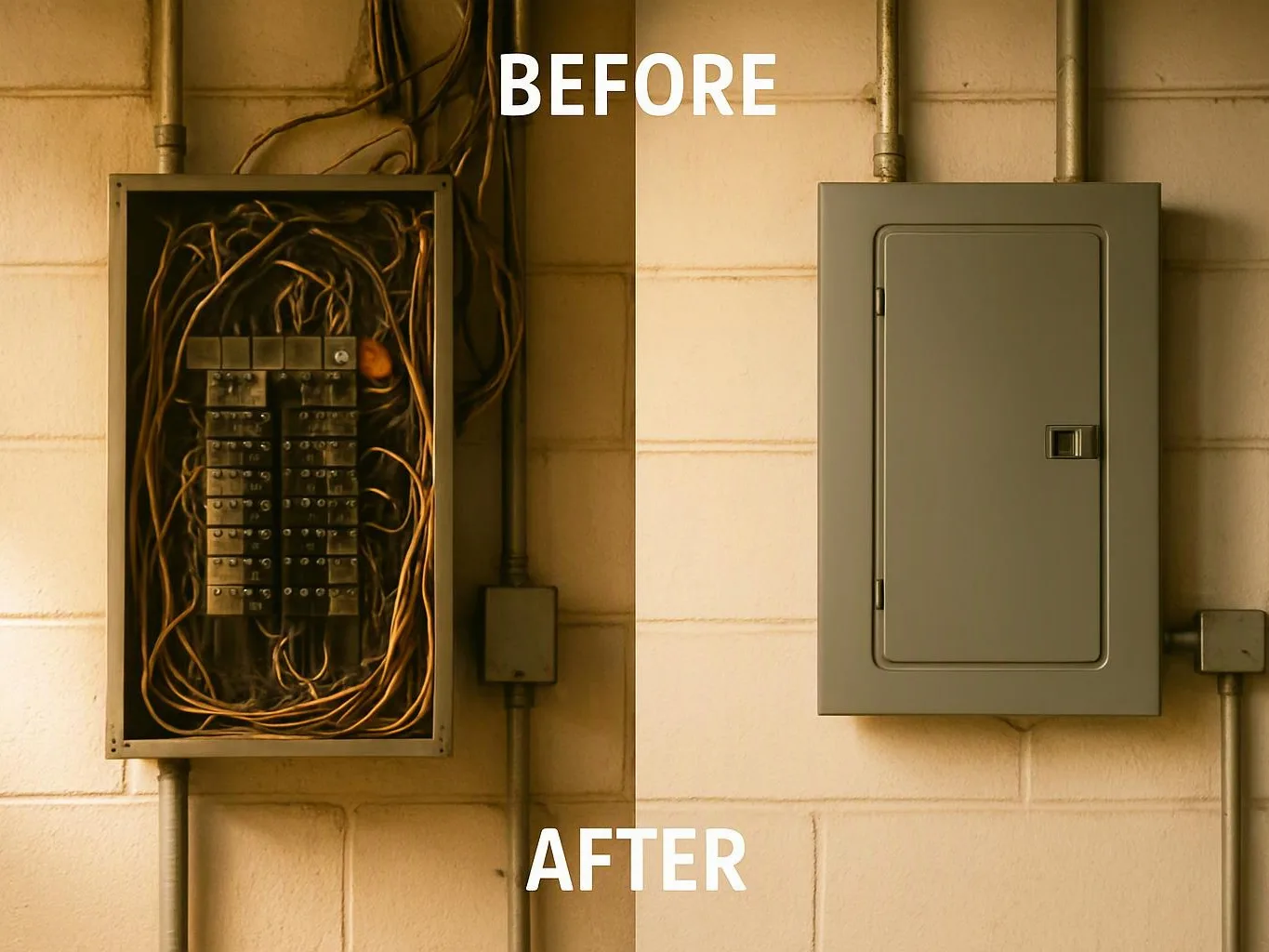
We also check the electrical panel, electrical wiring, circuit breaker, and grounding path. A fault code may identify a symptom, but voltage testing and continuity testing help confirm the failed part.
How Bidirectional Charging Troubleshooting Differs
Bidirectional charging troubleshooting examines both the EV charger and the connected power-flow equipment because faults can affect charging, energy export, backup operation, or grid interaction.
Vehicle-to-home charging sends energy from the electric vehicle to selected home circuits through an inverter and transfer equipment. Vehicle-to-grid charging sends energy toward the utility connection under the rules set by the system and its controls.
A fault may involve the battery energy storage interface, bidirectional inverter, transfer switch, or energy management system. GMB Electric follows the bidirectional power flow across these connected parts to identify whether the problem affects charging, backup power, or power export.
Our team also checks system controls and protective functions before restoring operation. A vehicle-to-home fault can appear to be a charger problem even when the cause is in the inverter or energy management system.
What You Can Check Safely Before Service
You can complete a few low-risk checks without opening the charger, electrical panel, or other energized equipment. Stop immediately if you see heat damage, moisture, exposed conductors, smoke, or sparking.
GMB Electric handles electrical testing when these checks do not restore safe operation. Our crew does not treat a successful reset as proof that the underlying fault is resolved.
How GMB Electric Diagnoses the Electrical Fault
GMB Electric begins with an electrical inspection of the charger, EV charging circuit, electrical panel, and visible wiring. We review the reported symptoms and any stored fault codes before testing the circuit.
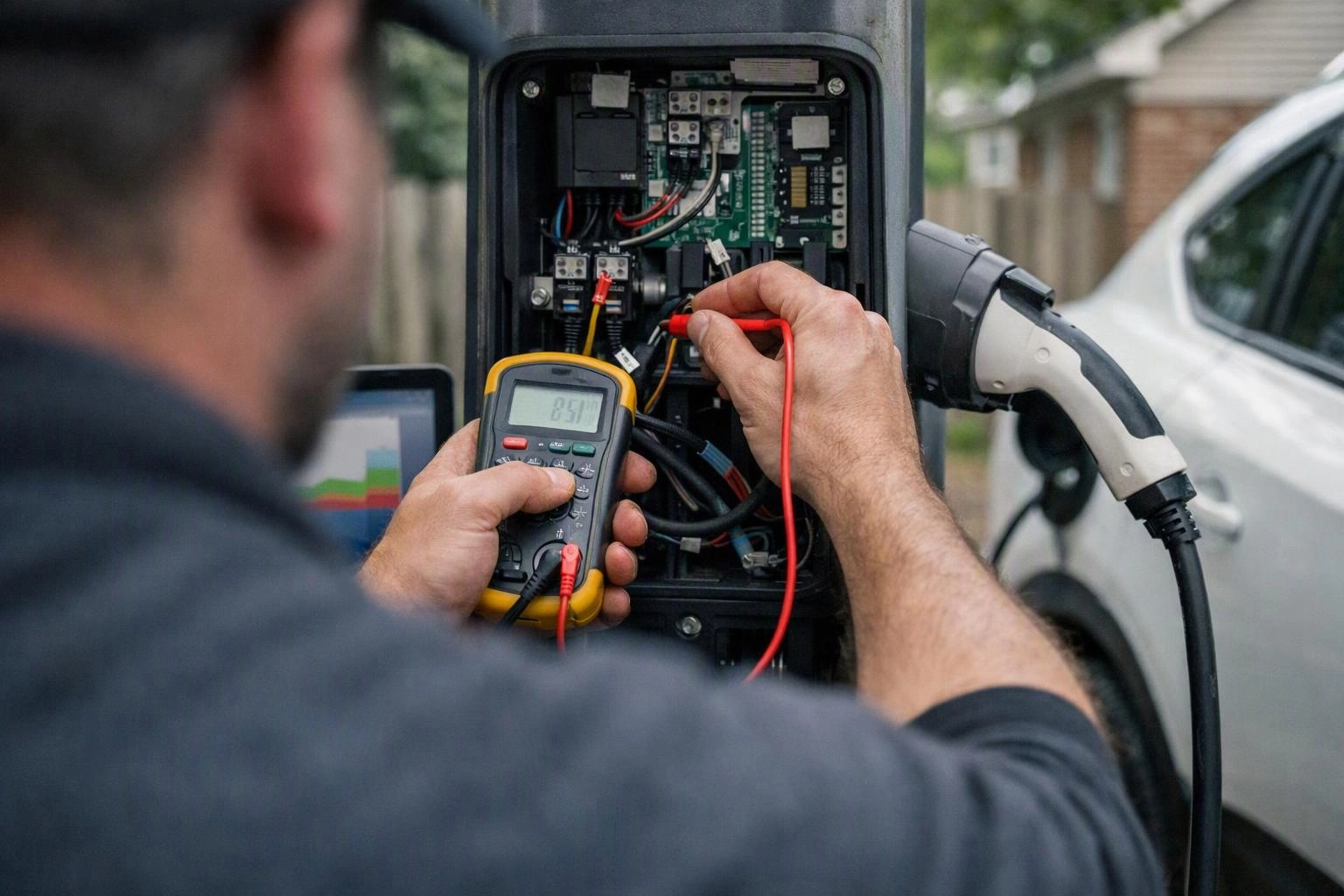
Our team checks grounding, ground fault protection, overcurrent protection, connections, and circuit condition. We use voltage testing and continuity testing to determine whether power and control signals move through the expected path.
For a bidirectional system, we inspect the inverter, transfer equipment, battery energy storage interface, and bidirectional system controls. We then explain the fault location and the repair path before work proceeds.
What Changes the Cost of EV Charger Troubleshooting
The cost of EV charger troubleshooting depends on the fault location, equipment condition, circuit access, required testing, and whether repair or replacement work is needed.
A fault in the charger may require a different repair path than a problem in the electrical panel, branch circuit, or wiring. Bidirectional equipment can add diagnostic steps because the inverter, transfer equipment, battery energy storage, and energy management system must work together.
GMB Electric explains what the quote covers, including the inspection, testing, identified repair, replacement parts, and any required circuit work. You can request an EV charger troubleshooting quote after we review the system.
Preventing Repeat EV Charging Problems
Preventing repeat charging problems starts with keeping the charging equipment, circuit, and connected controls in good condition. Our team can identify conditions that may cause another charging fault during service.
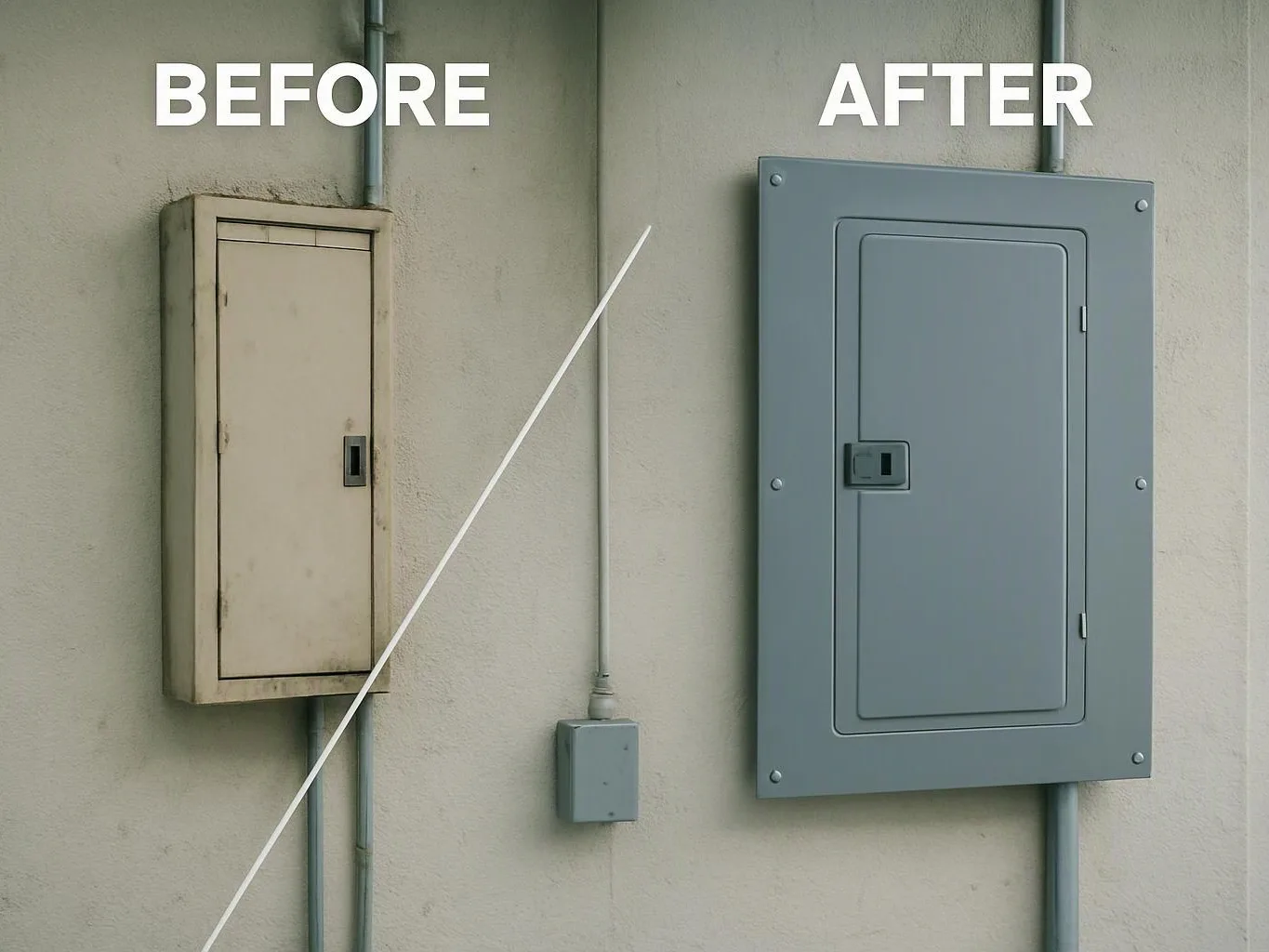
We also check whether changes to the home electrical system have affected circuit capacity. A new appliance, battery system, or backup power system can change how the EV charger operates.
When to Stop Using the Charger
Electrical safety requires you to stop using the charger immediately when smoke, burning odor, heat damage, sparking, exposed conductors, water intrusion, or repeated breaker trips appear.
Do not touch damaged equipment if an electrical shock hazard may be present. Keep the vehicle and other people away from the affected charger, and do not open the charger or electrical panel.
GMB Electric can determine whether charger isolation, circuit testing, equipment repair, or replacement is needed. We treat fire hazards, damaged equipment, and repeated protection trips as urgent electrical repair concerns.
Get Emergency EV Charger Troubleshooting
Emergency EV Charger Repair addresses unsafe charging equipment, charging interruptions, breaker trips, overheating, and visible electrical damage. GMB Electric checks the full electrical path and explains the safest repair option.
We also provide Bidirectional Charging System Troubleshooting for vehicle-to-home charging, vehicle-to-grid charging, inverter faults, backup power failure, and energy management system problems.
Contact GMB Electric to arrange electrical troubleshooting for an EV charger or bidirectional charging system.
Contact GMB ElectricQuestions About EV Charger Troubleshooting
Can a tripped breaker damage an EV charger?
A tripped breaker can indicate an overload, short circuit, ground fault, or equipment problem that may stress the charging system. GMB Electric tests the breaker, branch circuit, charger, and protection equipment before the charger is returned to service.
Why does my bidirectional charger stop exporting power?
A bidirectional charger can stop exporting power because of an inverter fault, battery condition, transfer equipment problem, communication failure, grid condition, or energy management control. We inspect the complete bidirectional power-flow path to locate the cause.
Is an EV charger safe to use after it gets wet?
An EV charger is not safe to use after water intrusion until the affected equipment and circuit have been checked. Keep the charger disconnected when safe to do so, avoid touching damaged parts, and contact GMB Electric for an electrical safety inspection.
What should I do if my EV charger smells like burning?
Stop charging immediately if your EV charger smells like burning, keep away from the damaged equipment, and contact GMB Electric for urgent electrical troubleshooting. Do not reset the breaker repeatedly or continue using a charger with a burning odor.
Related Resources
Emergency Electrician Cost Factors: What Affects a 24-Hour Electrical Repair Quote?
Everything About ItHow to Choose an Emergency Electrician in Indianapolis
Compared ToLocal Specialist vs National Electrical Troubleshooting Providers in Indianapolis: Cost & Service Compared
What Goes With ItHow Emergency Electrical Troubleshooting Finds Intermittent Problems