How Emergency Electrical Troubleshooting Finds Intermittent Problems in Indianapolis
Emergency electrical troubleshooting finds intermittent power problems by documenting when the fault appears, isolating the affected circuit, testing connections and components, and checking for related safety issues. GMB Electric uses this process to connect symptoms such as flickering lights, partial outages and overheated components to the underlying electrical fault.
Request an EstimateWhat Makes an Intermittent Power Problem Difficult to Trace?
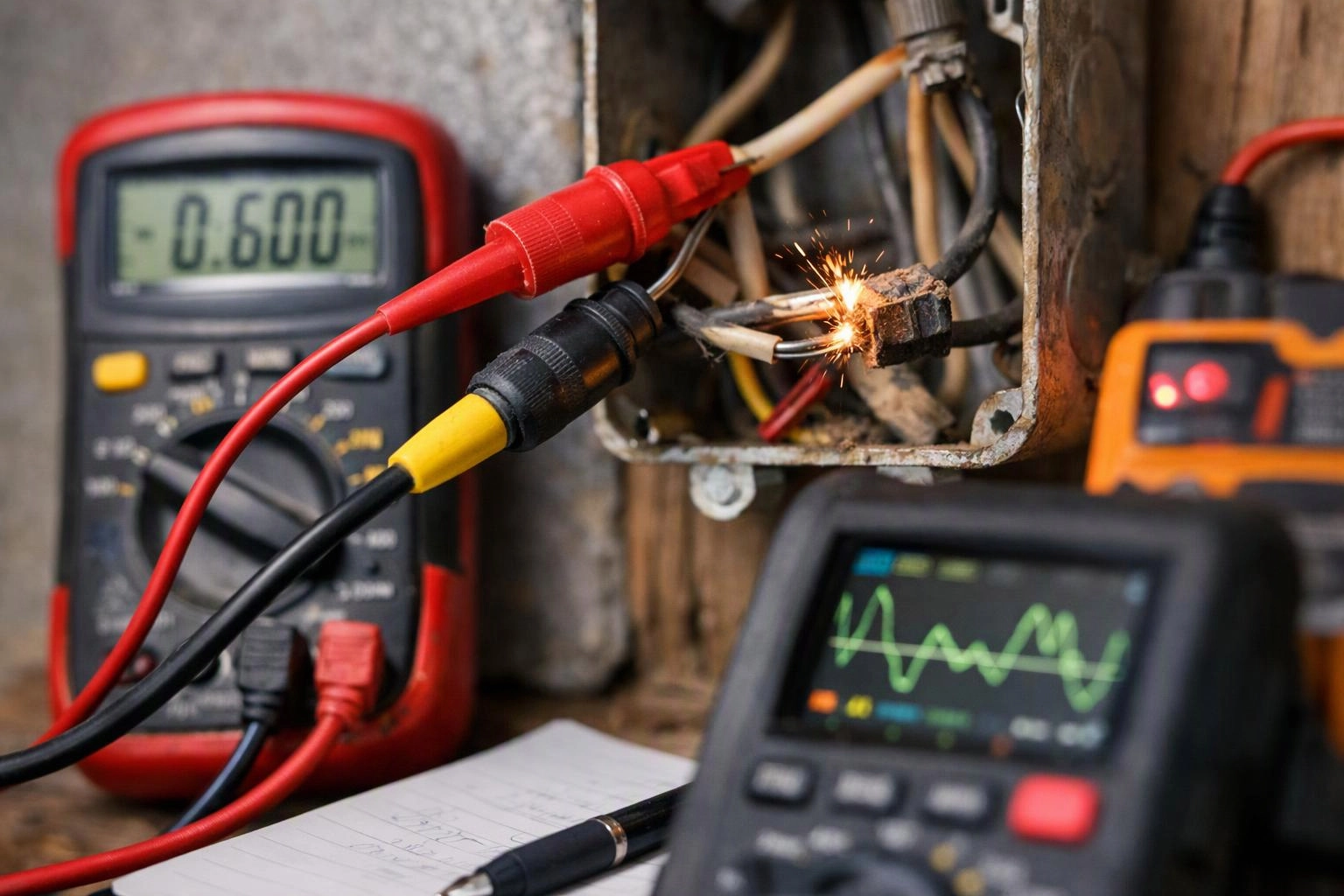
An intermittent power problem is an electrical fault that appears and disappears, so GMB Electric connects the timing, location and affected loads before testing the circuit.
A partial power outage may affect only one room, branch circuit or group of outlets. Flickering lights can point to a loose electrical connection, circuit overload or voltage disturbance, but the visible symptom may occur away from the original fault.
We compare which fixtures, outlets and appliances lose power together. That pattern helps us trace an electrical fault without assuming that the first affected device caused the problem.
How We Diagnose Intermittent Power Problems
Electrical troubleshooting diagnoses intermittent power problems by recording the symptoms, isolating the affected circuit, testing energized and de-energized conditions, inspecting connections and confirming the repair.
What We Record Before Testing the Circuit
Power loss pattern records help us connect a flickering light or tripped circuit breaker to the affected appliance and circuit. We ask what was running, whether several rooms changed at once and whether the issue followed weather-related electrical damage.
These details help us choose safe testing points. They also show whether the problem resembles partial power loss, a device-specific fault or a wider voltage disturbance.
How We Isolate the Fault
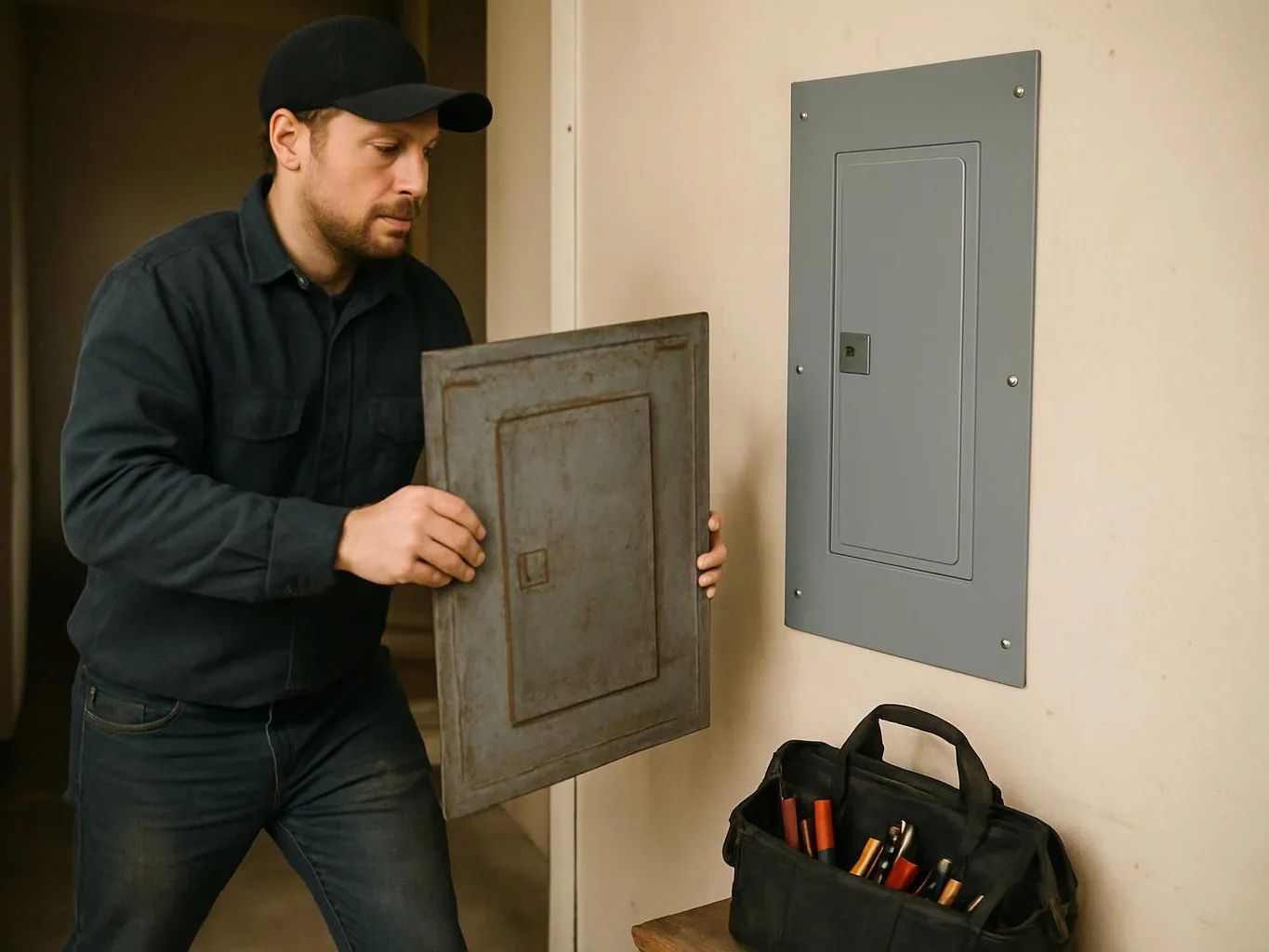
Branch circuit isolation narrows the fault to the circuit breaker, electrical panel, receptacle, switch, junction box or another electrical connection. We trace the circuit in a controlled sequence so a hidden loose connection does not remain untested.
Our team checks accessible wiring and connected devices for signs that the fault moves when a load operates. We then compare test results with the original symptoms before selecting the repair.
When Electrical Troubleshooting and a Safety Inspection Belong Together
Electrical troubleshooting and an electrical safety inspection belong together when an intermittent fault may indicate a wider wiring, connection or equipment hazard. The symptoms can show where the problem appears, while the inspection helps us look for related risks.
Seasonal thunderstorms and winter storms in Marion County create recurring exposure to outages, voltage disturbances and weather-related electrical damage. That makes post-storm troubleshooting relevant for homes and businesses in Indianapolis.
How Troubleshooting and Safety Inspection Work Together
Electrical troubleshooting identifies the active fault, while an electrical safety inspection checks nearby and related components so GMB Electric can plan the appropriate repair.
Testing may lead to electrical wiring repair, electrical panel repair or another targeted correction. We also check whether connected lighting, outlets and switches show symptoms that need separate attention.
How the Two Services Affect the Work and Quote
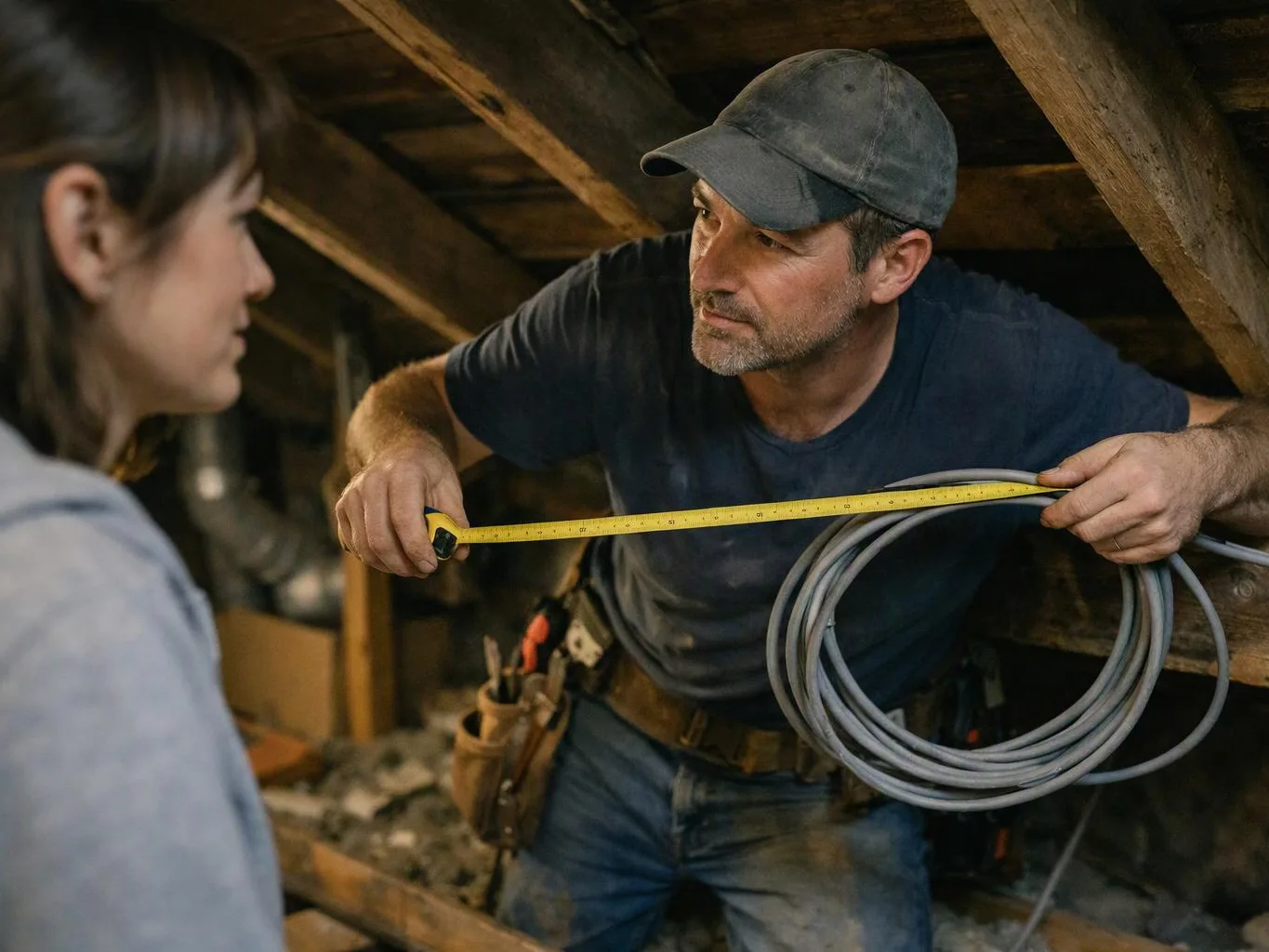
The work and quote depend on the fault location, circuit accessibility, wiring condition and electrical panel condition. We review those findings with you so the quote reflects the actual repair scope.
We explain the recommended work before proceeding. Requesting a quote from us gives you a clear view of the repair scope identified during troubleshooting and inspection.
What to Inspect After an Electrical Storm
After an electrical storm, GMB Electric checks for recurring power symptoms, damaged connections, panel concerns and other signs of voltage disturbance before recommending repair.
We inspect the electrical panel, circuit breaker, outlets and indoor lighting for burn marks or unusual heat. We also consider whether surge protection is appropriate when storm-related electrical damage may have affected connected equipment.
Do not handle a damaged outlet or panel when you see smoke, burning, arcing or severe heat. Keep clear of the area and contact us so our crew can assess the circuit safely.
Which Signs Mean an Intermittent Electrical Fault Needs Attention?
Flickering lights, recurring partial power loss, unusual heat, burning odors and repeated breaker trips indicate that GMB Electric should assess the electrical system for an intermittent fault.
A warm outlet, buzzing sound or overheated electrical component can signal a failing connection or excessive load. We inspect the affected device, wiring and protective equipment instead of treating the symptom as a normal operating condition.
Stop using equipment that produces a burning odor, visible damage or unusual heat. Contact us when the problem returns, especially after a circuit breaker resets and the symptom comes back.
How We Confirm the Repair and Check for Related Issues
Repair verification confirms an intermittent electrical repair by retesting the affected circuit, checking connected devices and reviewing the original symptoms for recurrence.
Indoor lighting installation may be relevant when a damaged fixture or outdated lighting connection contributes to the symptoms. We keep that work separate from the troubleshooting findings so the repair plan stays clear.
What Determines the Scope of Intermittent Power Troubleshooting?
Intermittent power troubleshooting depends on where the fault is located, how accessible the wiring is, the condition of connected equipment and whether repair extends into the panel or branch circuit.
Our team reviews the electrical system configuration, panel condition and repair type before describing the work. An electrical safety inspection may broaden the review when the symptoms suggest related hazards.
The quote reflects the parts of the system we need to access, test and repair. We explain those cost drivers and the proposed work before starting.
Request Electrical Troubleshooting in Indianapolis
Electrical troubleshooting from GMB Electric can assess intermittent power problems in Indianapolis and explain whether troubleshooting, an electrical safety inspection or related repair addresses the observed symptoms.
Contact us with the affected rooms, recent breaker activity, unusual heat, burning odors and any storm-related changes. That information helps our team prepare for circuit testing and safety inspection.
Contact GMB Electric to request an assessment and discuss the appropriate repair scope.
Questions About Intermittent Power Troubleshooting
Can an intermittent power problem come from a loose electrical connection?
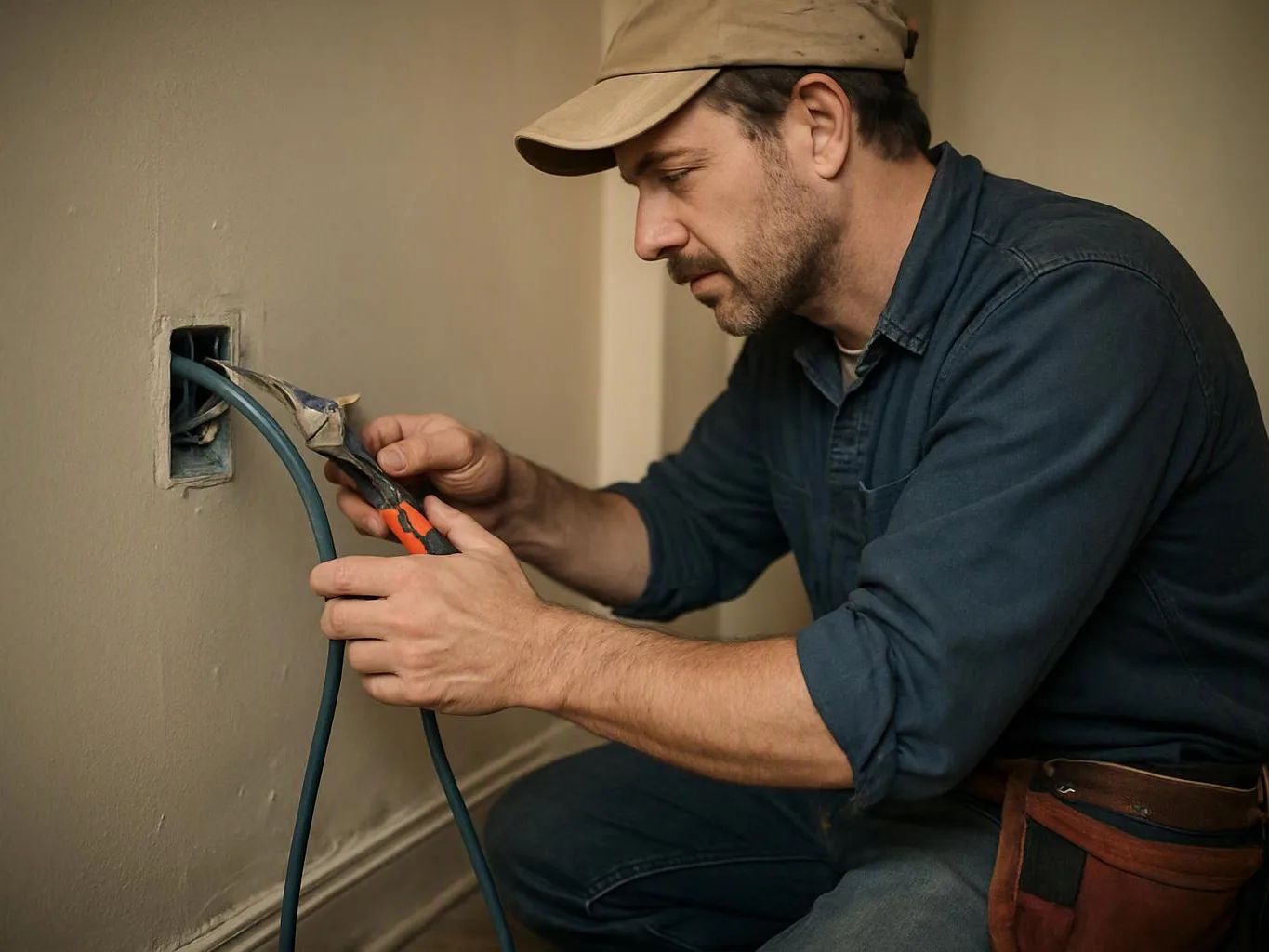
Yes, a loose electrical connection can cause an intermittent power problem when contact changes as the circuit operates or components warm. GMB Electric tests the affected circuit and inspects accessible connections to locate the fault safely.
What should I do if only part of my Indianapolis home loses power?
A partial power outage calls for a safe check of the affected circuit and circuit breaker without opening the electrical panel. Stop using damaged or hot devices, and contact GMB Electric when power loss returns or the breaker trips again.
Why do lights flicker after an electrical storm?
Lights can flicker after an electrical storm when a voltage disturbance, damaged connection or affected circuit causes unstable power. We inspect the lighting circuit, panel connections and related equipment for storm-related electrical damage.
What should I do if an outlet feels warm during an intermittent power problem?
A warm outlet should not remain in use during an intermittent power problem. Unplug equipment if you can do so safely, avoid touching damaged parts and contact us for an inspection of the receptacle, wiring and circuit.
Can an electrical safety inspection find related issues after a wiring repair?
Yes, an electrical safety inspection can identify related issues near a completed wiring repair, including heat damage, weak connections or concerns at connected devices. We use the inspection findings to guide repair verification and identify any additional circuit safety work.
Related Resources
Emergency Electrician Cost Factors: What Affects a 24-Hour Electrical Repair Quote?
What It SolvesEmergency Outlet, Switch, and Appliance Circuit Troubleshooting
What It SolvesEmergency Generator and Home Battery Backup Troubleshooting
What It SolvesUrgent EV Charger and Bidirectional Charging Troubleshooting