How is a new appliance circuit tested after installation?
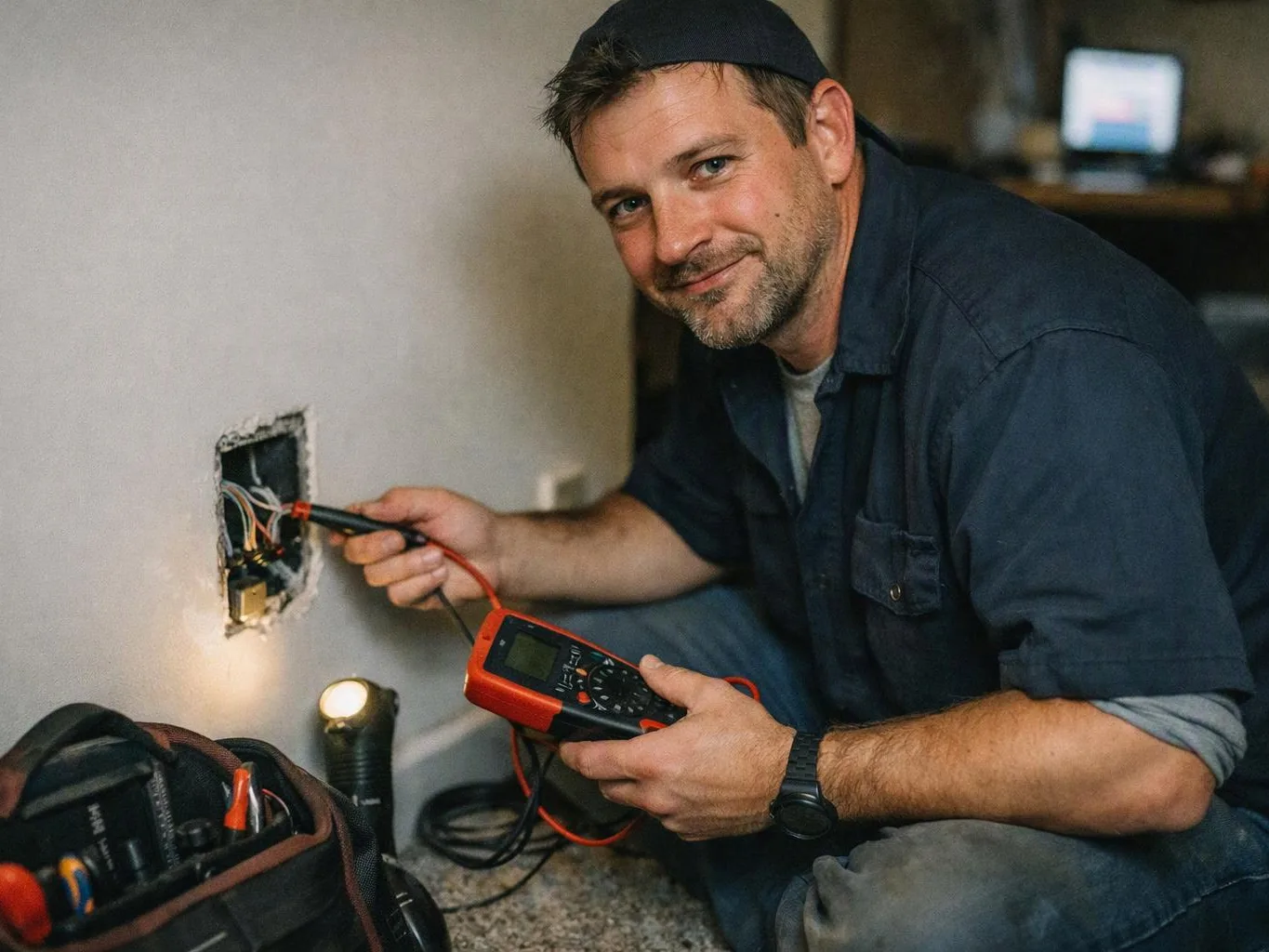
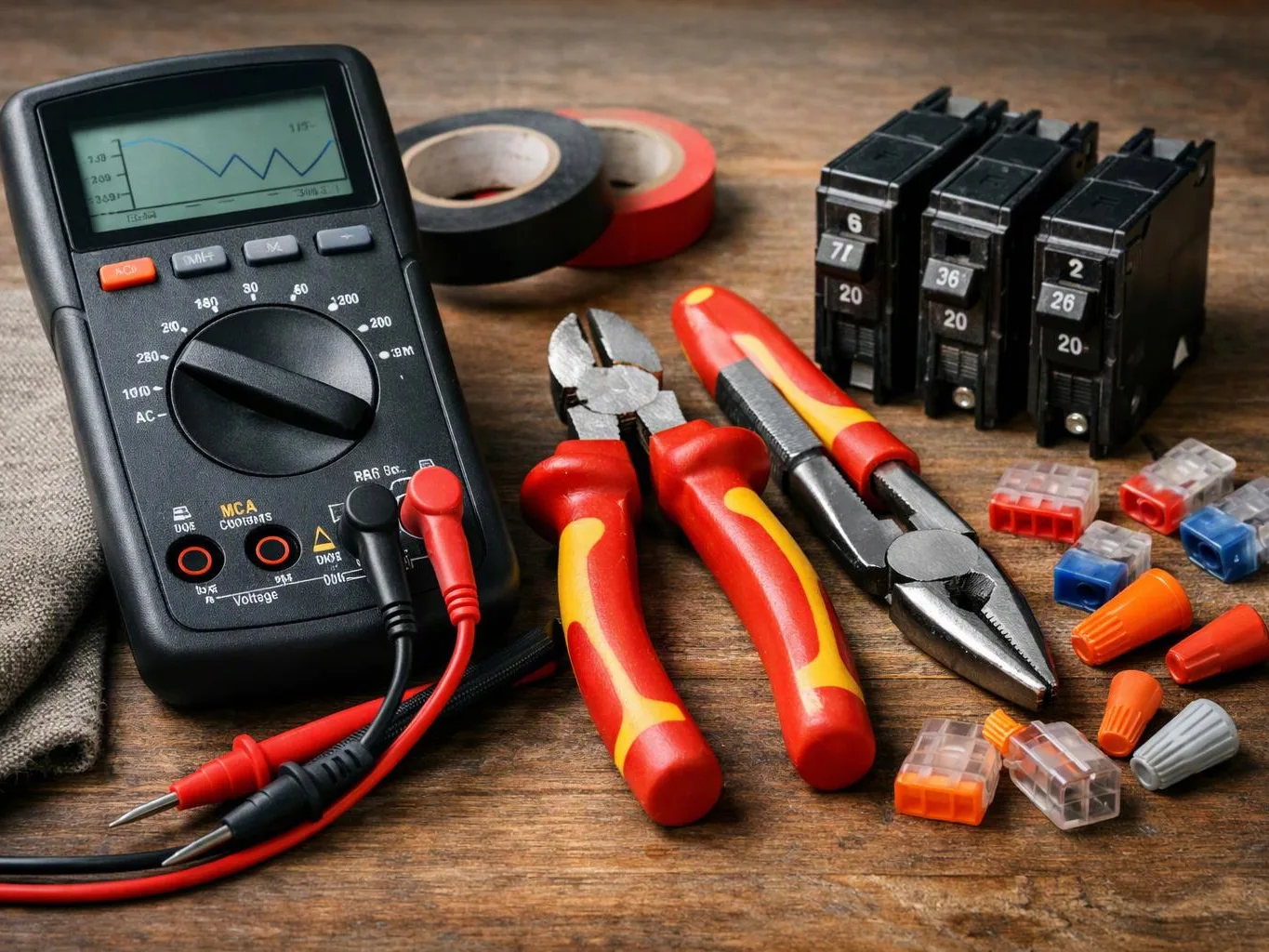
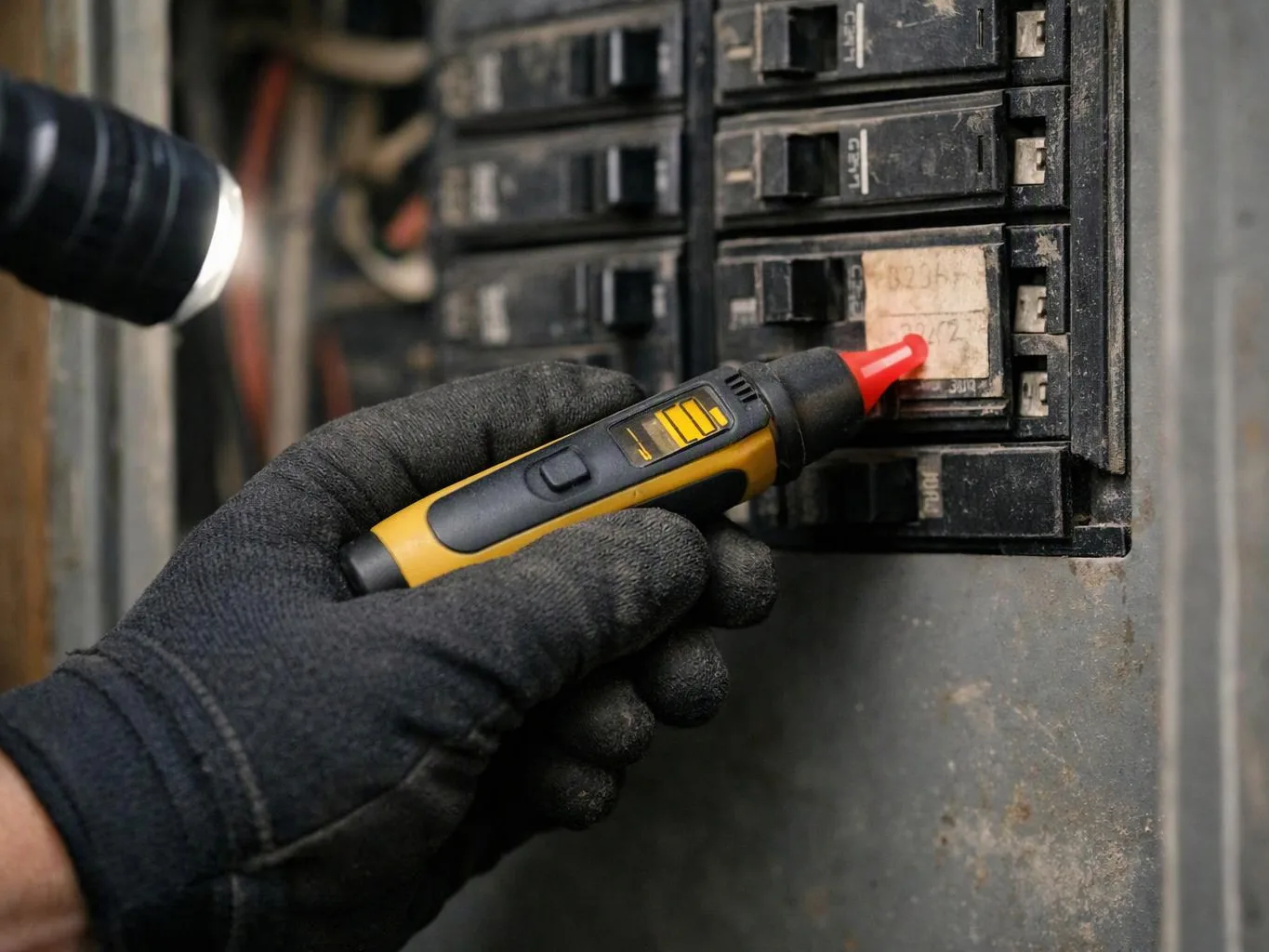
Load testing confirms that the new circuit handles the planned appliance demand. GMB Electric also checks voltage, polarity, grounding, and breaker operation after connection. These checks help identify wiring, connection, or breaker problems before regular use. We explain any issue found and outline the next step.
What should I ask before agreeing to appliance circuit installation?
The main questions concern panel capacity, circuit routing, outlet placement, testing, and the work included in the quote. Ask whether the existing panel can support the added load and how the finished circuit will be checked. A clear scope should identify the wiring, breaker, receptacle, panel labeling, and verification work.
Which property condition changes the installation time?
Panel access, wiring distance, wall access, and available breaker space can change the installation time. Older or crowded panels may need more tracing before the circuit route is set. We inspect those conditions first, then explain the work scope and any access issue that affects the plan.
When does a new appliance need a separate circuit?
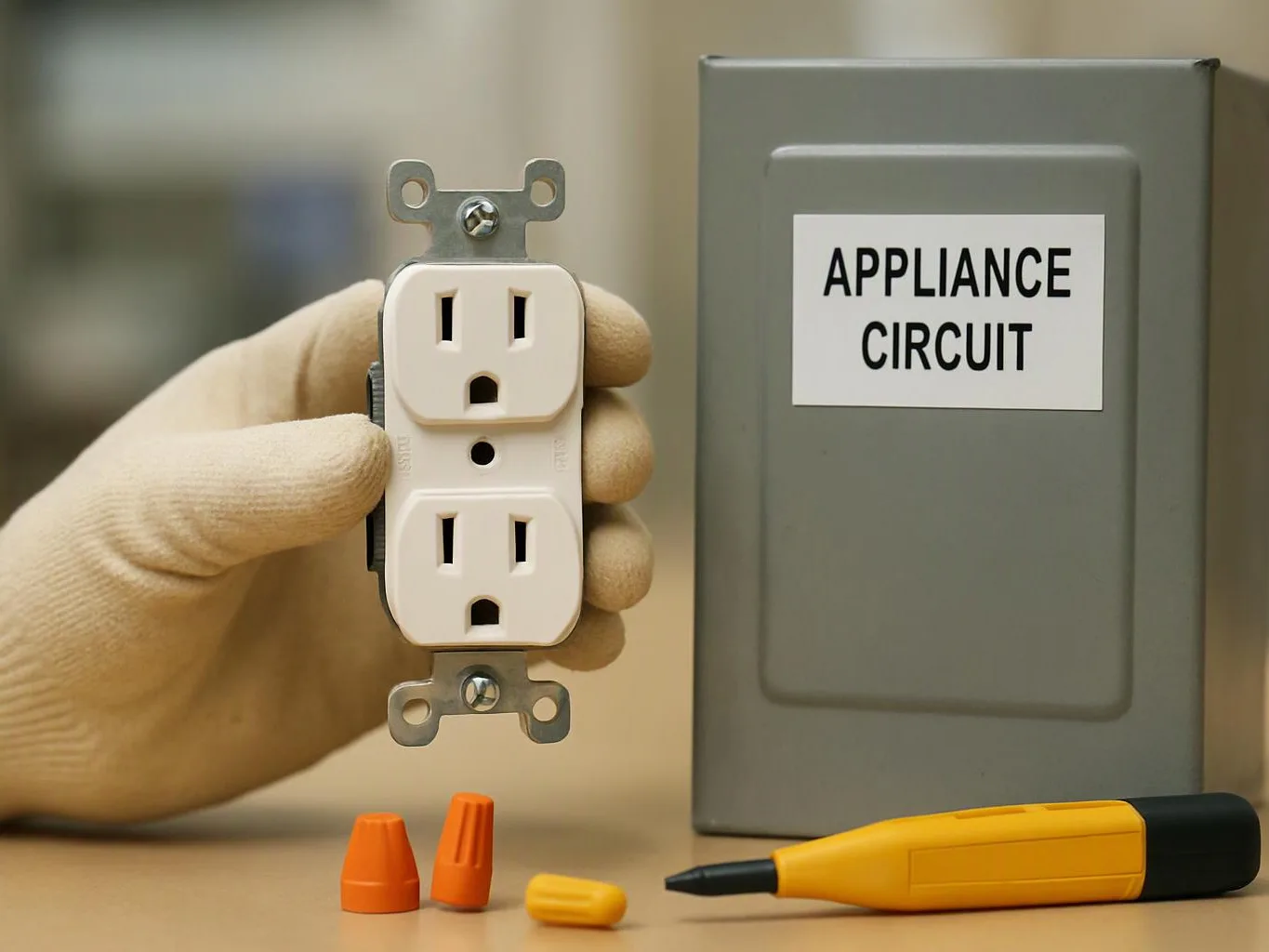
A separate circuit is needed when the appliance requirements and existing circuit capacity do not match. We review the appliance information and trace the current circuit before making that decision. The right answer depends on the panel, wiring, breaker, outlet, and other loads sharing the circuit.
Why should the circuit be matched to the property before work starts?
Circuit planning must match the appliance load, panel capacity, wiring route, and outlet location. A circuit that ignores those conditions can create a poor fit or require added work later. We inspect the property first, then choose the connection path and explain the recommended scope.
Can you install a circuit if the panel has no open breaker space?
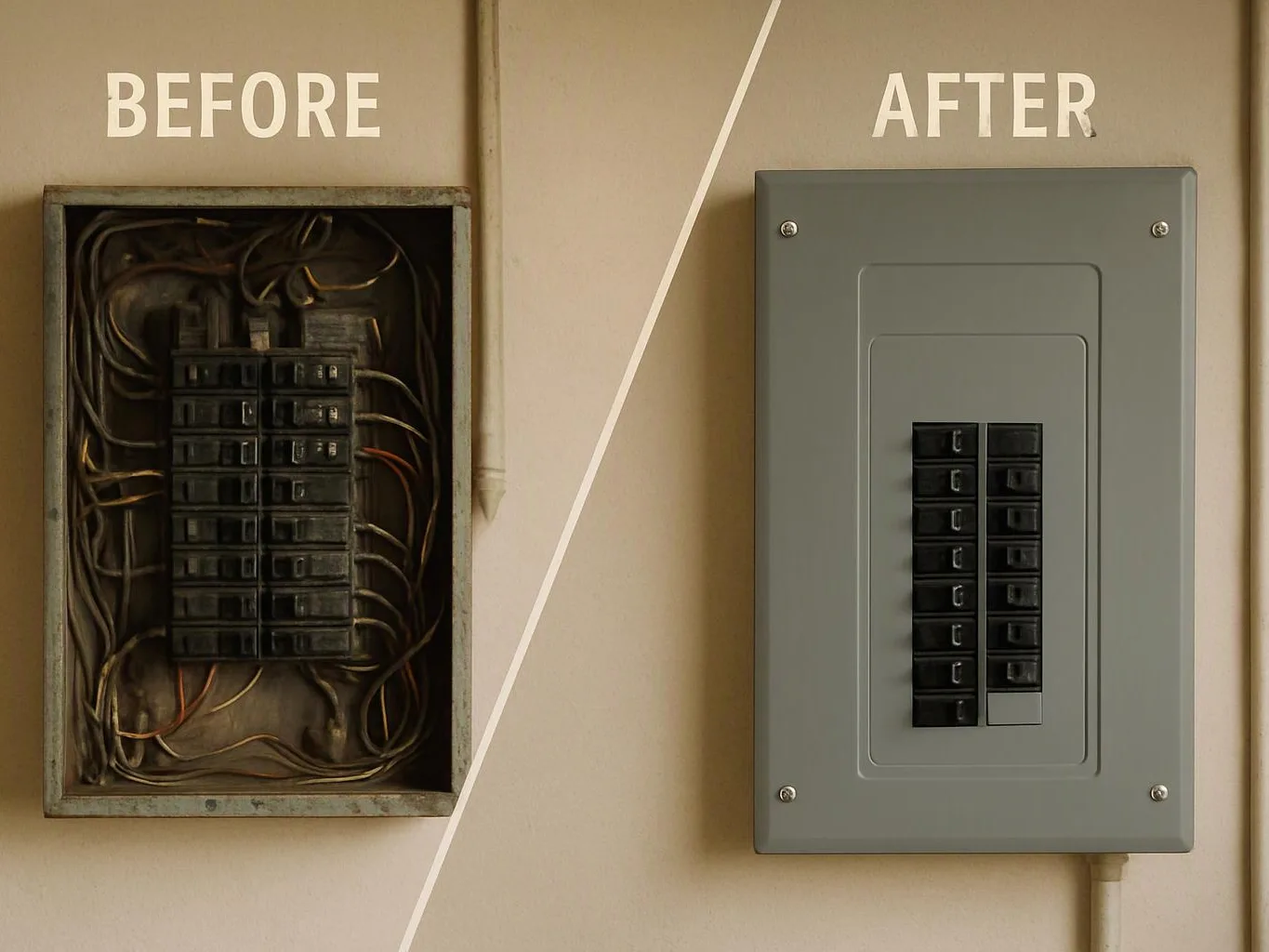
A panel without open breaker space requires a capacity review before circuit work proceeds. We inspect the panel and assess the available options for the property. The outcome could involve a different circuit plan or panel service, depending on the panel condition and electrical demand.
What should I do if the appliance causes a burning smell or buzzing?
A burning smell or buzzing near an appliance circuit requires you to stop using the appliance and seek electrical help. We inspect the outlet, wiring, breaker, and panel to locate the hazard. Do not keep resetting a breaker that trips, and do not touch warm or damaged electrical parts.