Skip to content

Appliance Circuit Installation in Indianapolis, Indiana

We install dedicated power circuits for appliances in Indianapolis homes and businesses. Our licensed and insured electricians check the existing electrical system before recommending the work.

Licensed & InsuredWarranty AvailableSame-Day ServiceUpfront, Transparent Pricing
GMB Electric provides Appliance Circuit Installation for homeowners and businesses in Indianapolis. A breaker that keeps tripping, a dead outlet, or a new high-load appliance can signal that the existing circuit needs review. We trace the current wiring, check panel capacity, and plan a suitable circuit route. Our electricians then explain the recommended work before installation begins.

What a dedicated appliance circuit changes

The appliance gets a circuit planned for its electrical load.

A new outlet location can reduce reliance on extension cords.

Circuit testing gives you a clearer record of the installed connection.

The work can separate appliance demand from other outlets and lights.

Appliance Circuit Installation is electrical work that creates a dedicated power path for a fixed or high-load appliance.
  • Appliance Circuit Installation differs from outlet replacement because it may require new cable, breaker space, and panel capacity.
  • The service scope includes circuit planning, wiring, outlet connection, testing, and recommendations for residential or commercial properties.
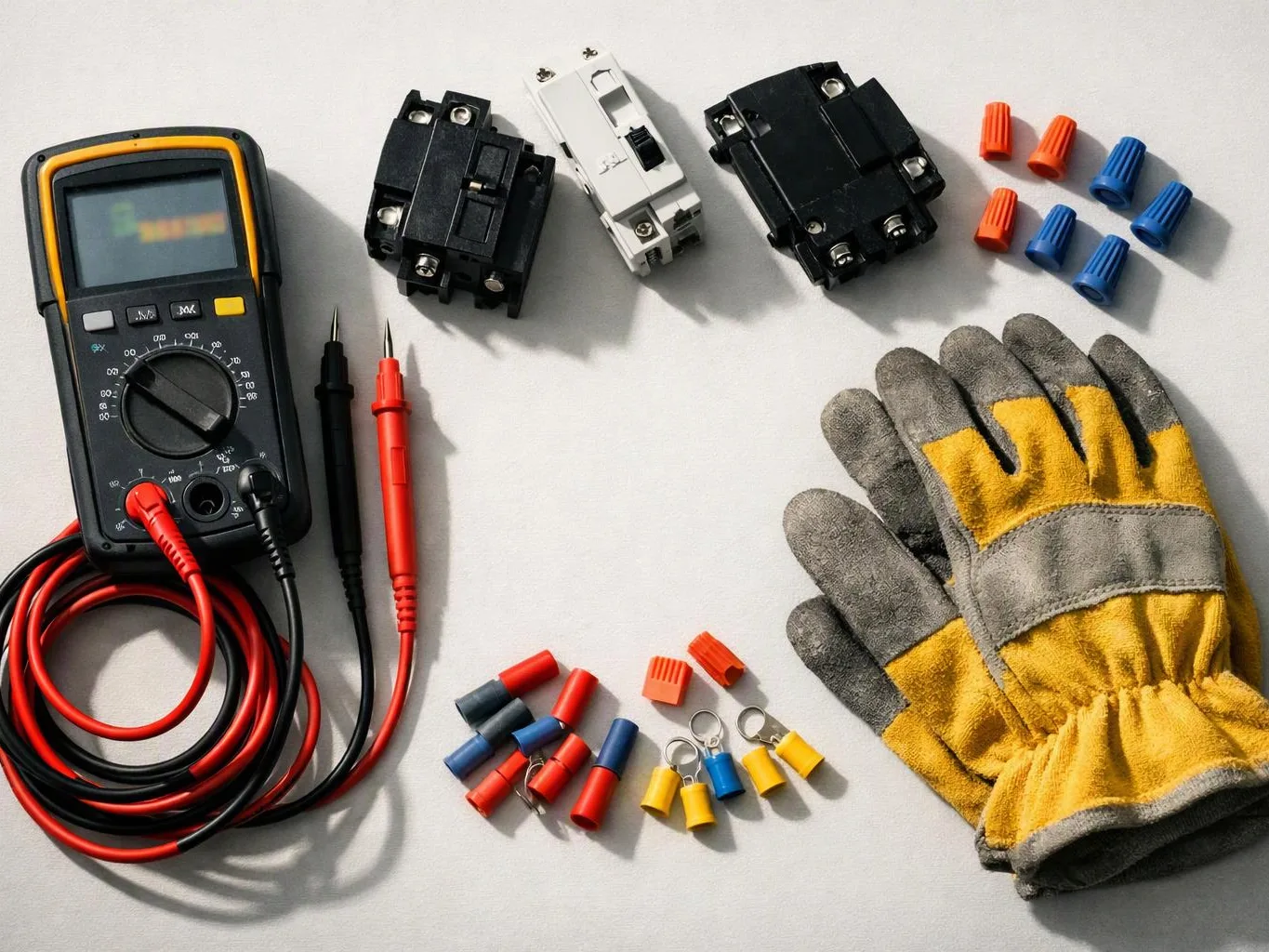
A digital multimeter, wire connectors, and work gloves are arranged on a bright tabletop
About

What appliance circuit installation covers

Appliance circuit installation creates a planned electrical path from the panel to the appliance connection. We review the appliance needs, inspect the existing panel, and identify a route for the cable. The work may include a breaker, cable, receptacle, junction box, and grounding connections. The final scope depends on panel space, wiring access, wall construction, and the appliance load. Cost trade-offs matter on this work. A short accessible cable route may need less labor than a route through finished walls, while a crowded panel may require a different plan. We focus the quote on the parts and access the job actually needs. Our electricians don't add a circuit before checking the cause of the problem. If the appliance itself, the panel, or an existing connection is faulty, diagnosis comes first.

Process

How we install an appliance circuit

1

Review the appliance and panel

We identify the appliance connection, inspect the panel, and check available capacity before planning the circuit.

2

Trace the cable route

We examine access from the panel to the appliance location and identify the cable path, outlet position, and connection points.

3

Install the circuit parts

We install the required wiring, breaker, outlet, grounding connections, and boxes for the approved scope.

4

Test the completed circuit

We test the breaker, outlet, connections, and appliance supply before explaining the completed work.

What to prepare before appliance circuit installation

A few details help us assess the appliance and plan the circuit without wasted site work.

  • Share the appliance name and electrical requirements if available.
  • Clear access to the electrical panel and appliance location.
  • Tell us whether a breaker trips or an outlet feels warm.
  • Identify any recent appliance, kitchen, laundry, or equipment changes.

The GMB Electric Standard

Problem Diagnosis

We diagnose the existing circuit, panel capacity, and appliance load before recommending new wiring or repairs.

Safe Repairs

We check breaker connections, grounding, outlet condition, and cable routing while installing the appliance circuit.

Clear Communication

We explain the circuit scope, identified faults, testing results, and recommended next steps after the work.

Questions about appliance circuit installation

Who installs appliance circuits in Indianapolis?

GMB Electric installs appliance circuits for residential and commercial properties in Indianapolis. We review the appliance, panel, wiring route, and outlet location before work begins. Our licensed and insured electricians diagnose related circuit problems and explain the recommended scope. We also provide electrical service for urgent needs and planned installations.

What changes the cost of an appliance circuit installation?

The circuit route, panel capacity, access, wiring needs, outlet type, and required repairs affect the cost. A route through open accessible areas differs from one through finished walls. We inspect the job, identify the parts and work involved, and provide a quote based on the actual property conditions.

Can you install a circuit if my panel has no open breaker space?

A panel without open breaker space requires a capacity review before circuit work proceeds. We inspect the panel, assess the existing load, and explain the available path. The solution may involve a different circuit plan or panel service, but we don't recommend a change until the inspection supports it.

What should I do if the appliance breaker keeps tripping?

A repeatedly tripping breaker needs diagnosis before continued use. Turn off the appliance and avoid repeated resets, especially if you notice heat, sparks, or a burning smell. We trace the circuit, check the breaker and outlet, and determine whether the fault belongs to the appliance, wiring, or circuit load.

Does a new appliance always need its own circuit?

A new appliance needs its own circuit when its load or installation requirements call for dedicated power. We review the appliance information, existing circuit, panel capacity, and connected loads before deciding. That review helps avoid paying for new wiring when the current circuit is suitable.

What happens after you install the appliance circuit?

Testing confirms that the new circuit supplies the appliance connection safely. We check the breaker, outlet, wiring connections, grounding path, and circuit operation. We then explain the completed work and any recommendations tied to the appliance or electrical system.

Can you install appliance circuits for businesses?

Yes, GMB Electric installs appliance circuits for businesses as well as homes. Commercial equipment can share power with other loads, so we review the equipment location, panel, access, and use of the space. We plan the circuit around the property's electrical needs and explain any work that affects access or operations.

Common Mistakes With Appliance Circuit Installation

  • Connecting a high-load appliance to a shared outlet can overload the circuit. We check the appliance load and connected devices before selecting a circuit plan.
  • Choosing a breaker without checking the panel and cable can create an unsafe mismatch. Our electricians inspect panel capacity, wiring, and grounding before installation.
  • Running cable without planning the route can waste labor and damage finished areas. We map access from the panel to the appliance location before work begins.
  • Replacing a tripping breaker without finding the fault can leave the real problem in place. We trace the circuit and test the outlet before recommending new wiring.

Key Points About Appliance Circuit Installation

  • A high-load appliance may need dedicated power.
  • Panel capacity affects the circuit plan.
  • Repeated trips need diagnosis before installation.
  • Cable access can change the work scope.
  • We test the circuit after installation.
Contact

Request an appliance circuit installation quote

Tell us about your appliance, panel, and property so we can plan the work; urgent requests get priority scheduling.
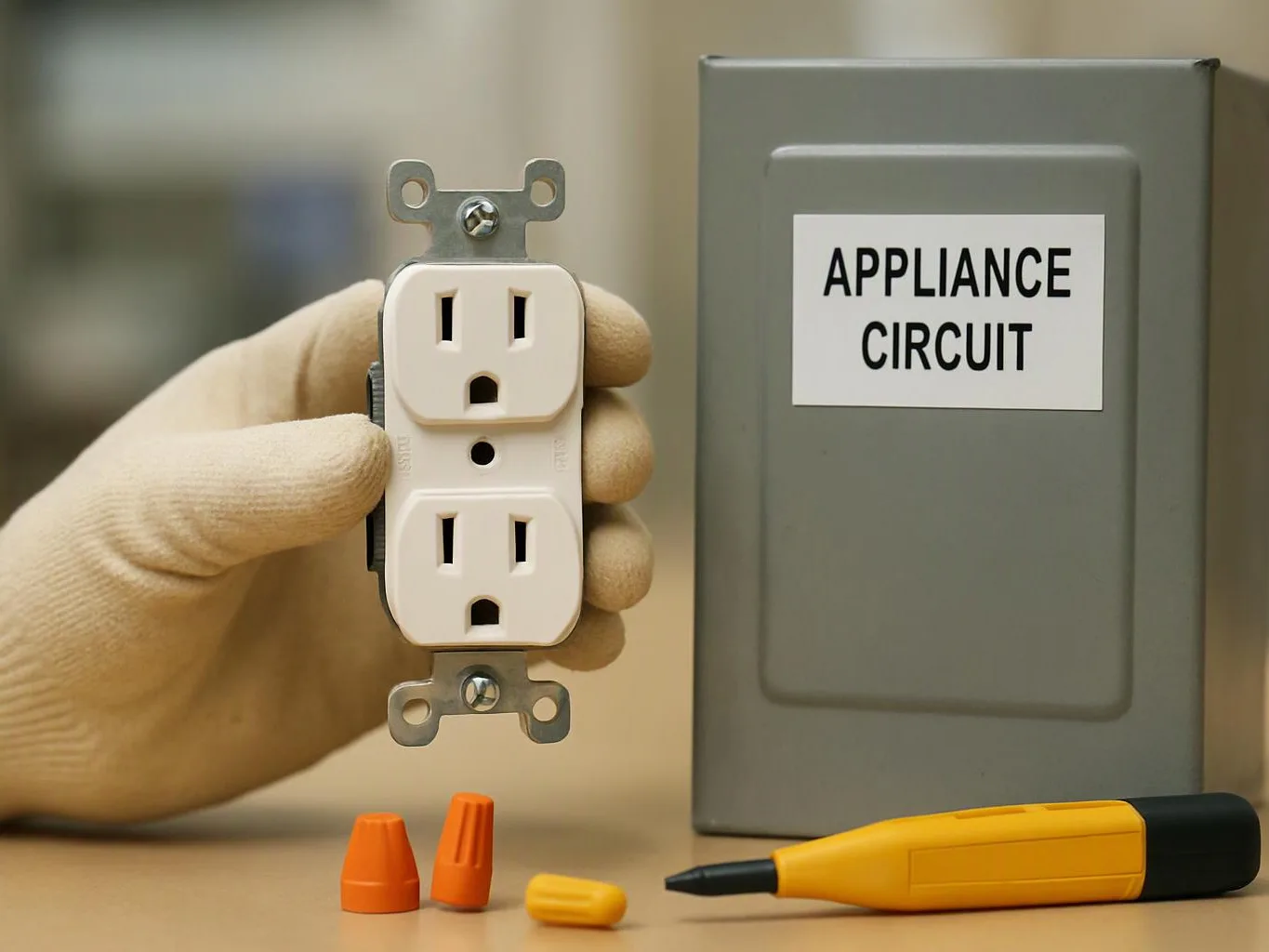
A gloved hand holds a duplex electrical outlet beside a gray box labeled “APPLIANCE CIRCUIT”
Scenarios

When Customers Call Us About Appliance Circuit Installation

1

New high-load kitchen appliance

A new range or other high-load appliance may not fit safely on an existing shared circuit. The panel capacity, appliance load, outlet type, and cable route all affect the work. Keep the appliance disconnected until we review the connection, then provide the appliance details so we can plan the circuit around its actual needs.

2

Repeated trips during appliance use

A breaker that trips whenever an appliance runs can come from excess load, damaged wiring, or a fault inside the appliance. Repeatedly resetting it can hide the source and increase risk. Stop using the affected circuit, note what was running, and let us trace the circuit before choosing between repair and new installation.

3

Commercial equipment needs new power

A business may need a separate circuit for equipment that shares power with outlets, lighting, or other loads. Downtime and access can affect how we plan the route and work area. Tell us what the equipment does, where it will sit, and which panel supplies the space so we can assess the circuit scope.
Our Other Services

Ceiling Fan InstallationA new ceiling fan needs secure mounting and correct wiring before it can run quietly. We install the fan-rated box, connect wall controls, and balance the fixture for comfortable airflow.
Generator RepairA generator that fails during an outage needs more than a quick reset. We diagnose starting systems, batteries, transfer switches, and fuel delivery to return backup power equipment to dependable operation.
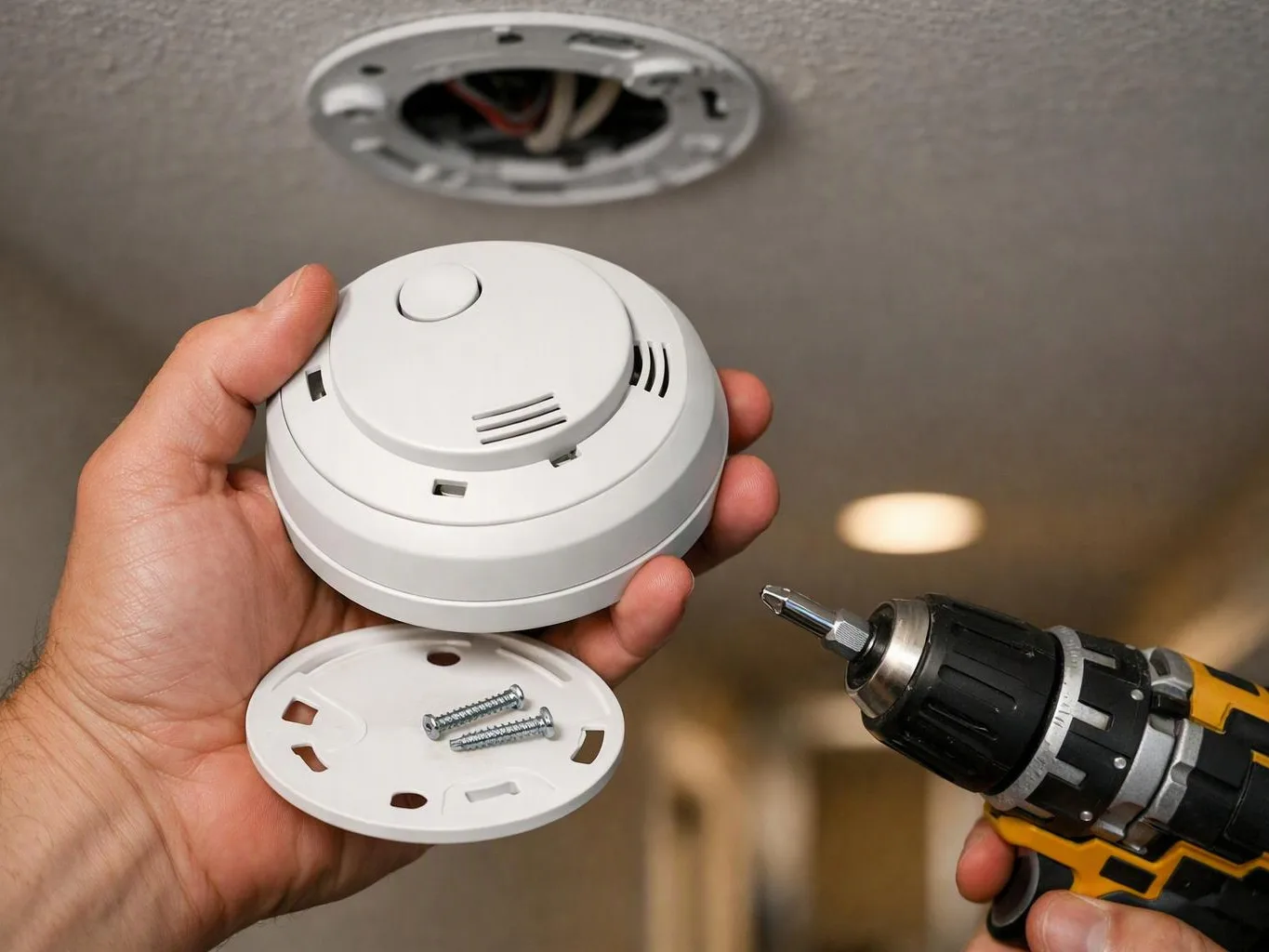
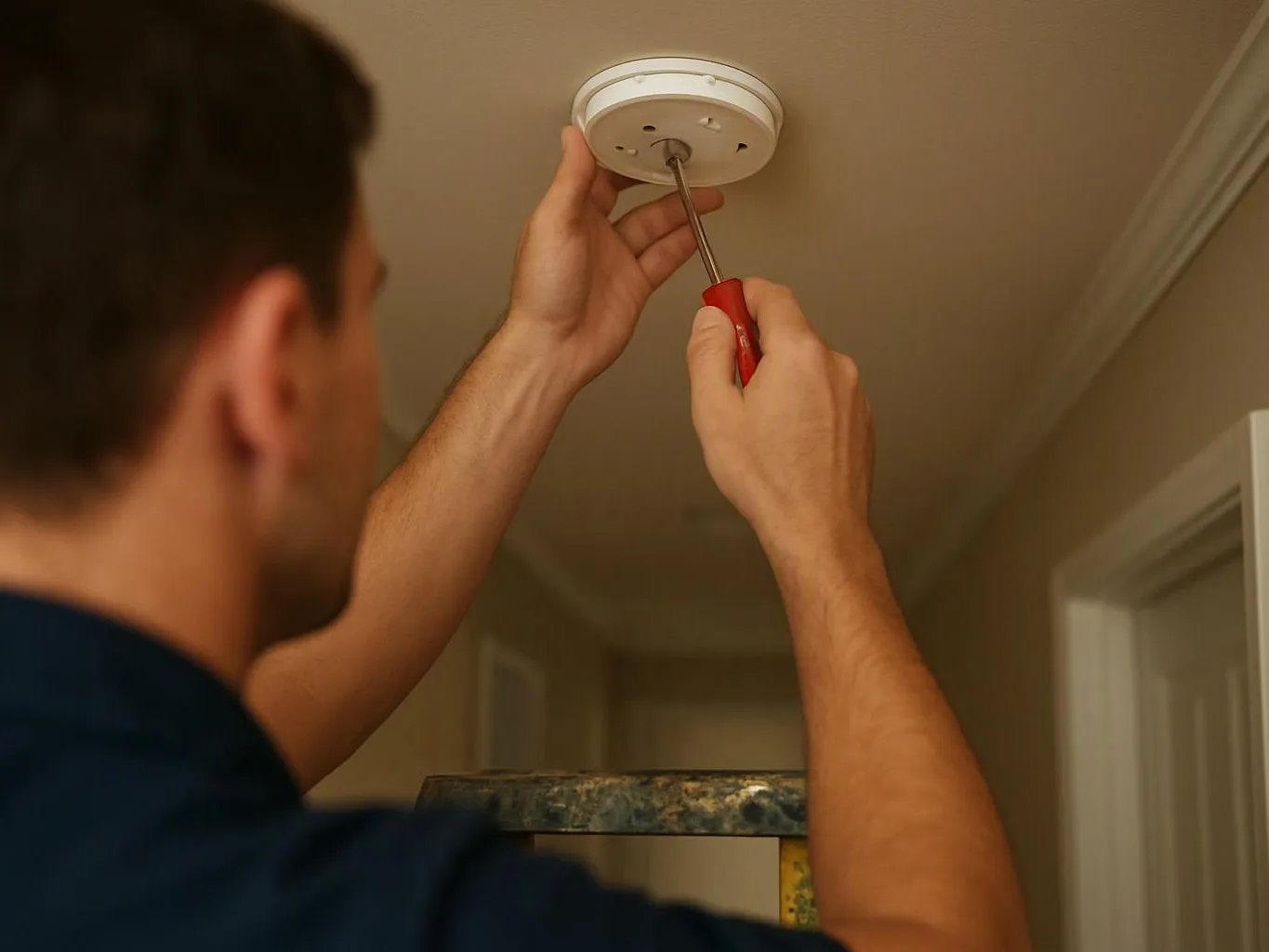
Smoke Detector InstallationWorking smoke alarms give occupants earlier warning when a fire starts. We install interconnected detectors, replace missing units, and position alarms according to room use and manufacturer requirements.
Fire Alarm InstallationBusinesses need fire alarm equipment that can alert occupants and support required safety procedures. We install compatible initiating devices, notification appliances, and control panels for a clearly monitored alarm system.
Generator InstallationA standby generator keeps essential circuits available during utility outages. We install the generator, transfer switch, fuel connection, and selected-load wiring so critical heating, refrigeration, or medical equipment can continue operating.
Generator MaintenanceRegular generator care helps expose worn parts before the next outage. We inspect batteries, connections, belts, controls, and transfer equipment, then identify service needs that could affect reliable backup power.
(317) 608-1220