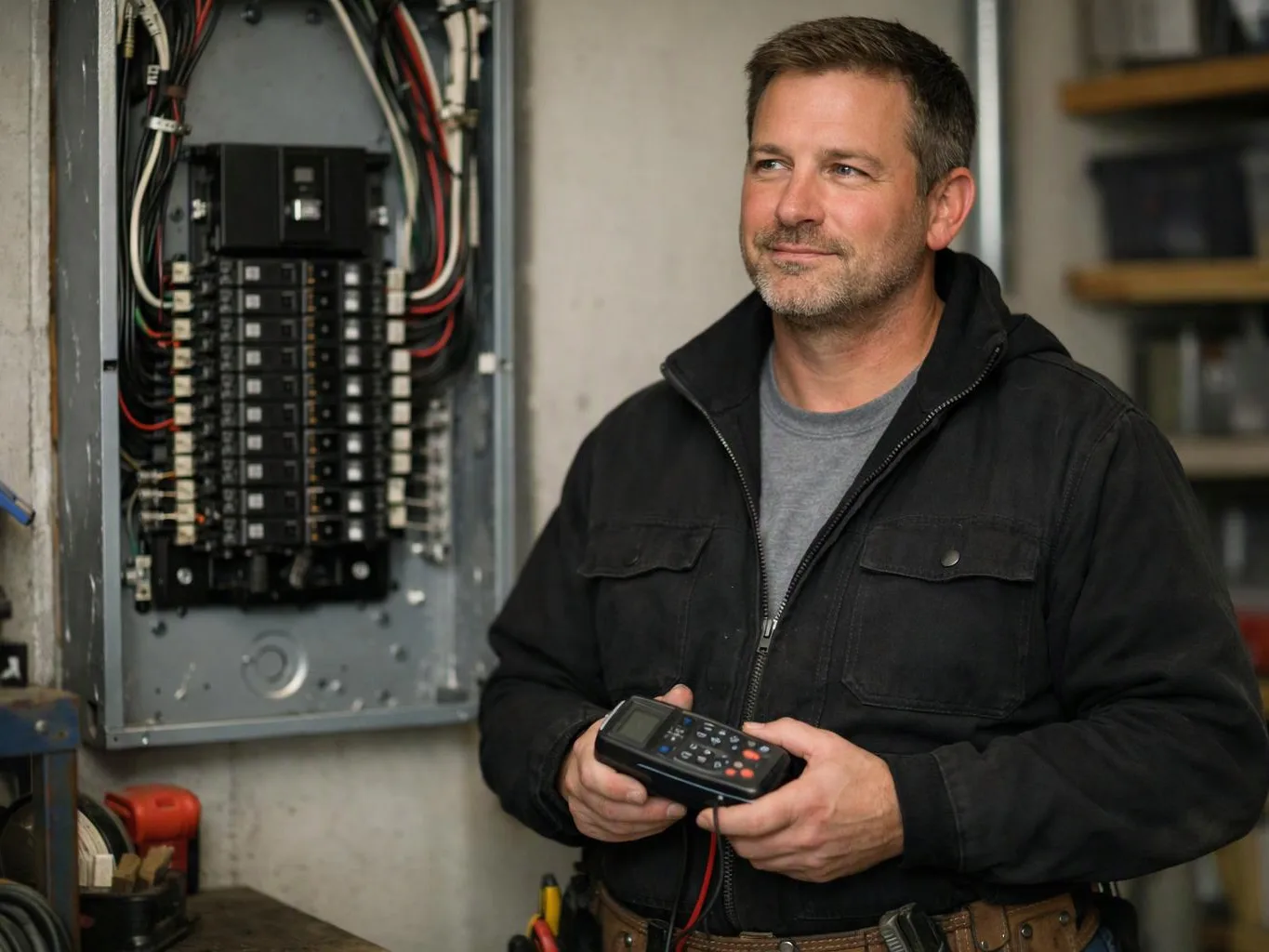
Inspect the equipment and existing circuit
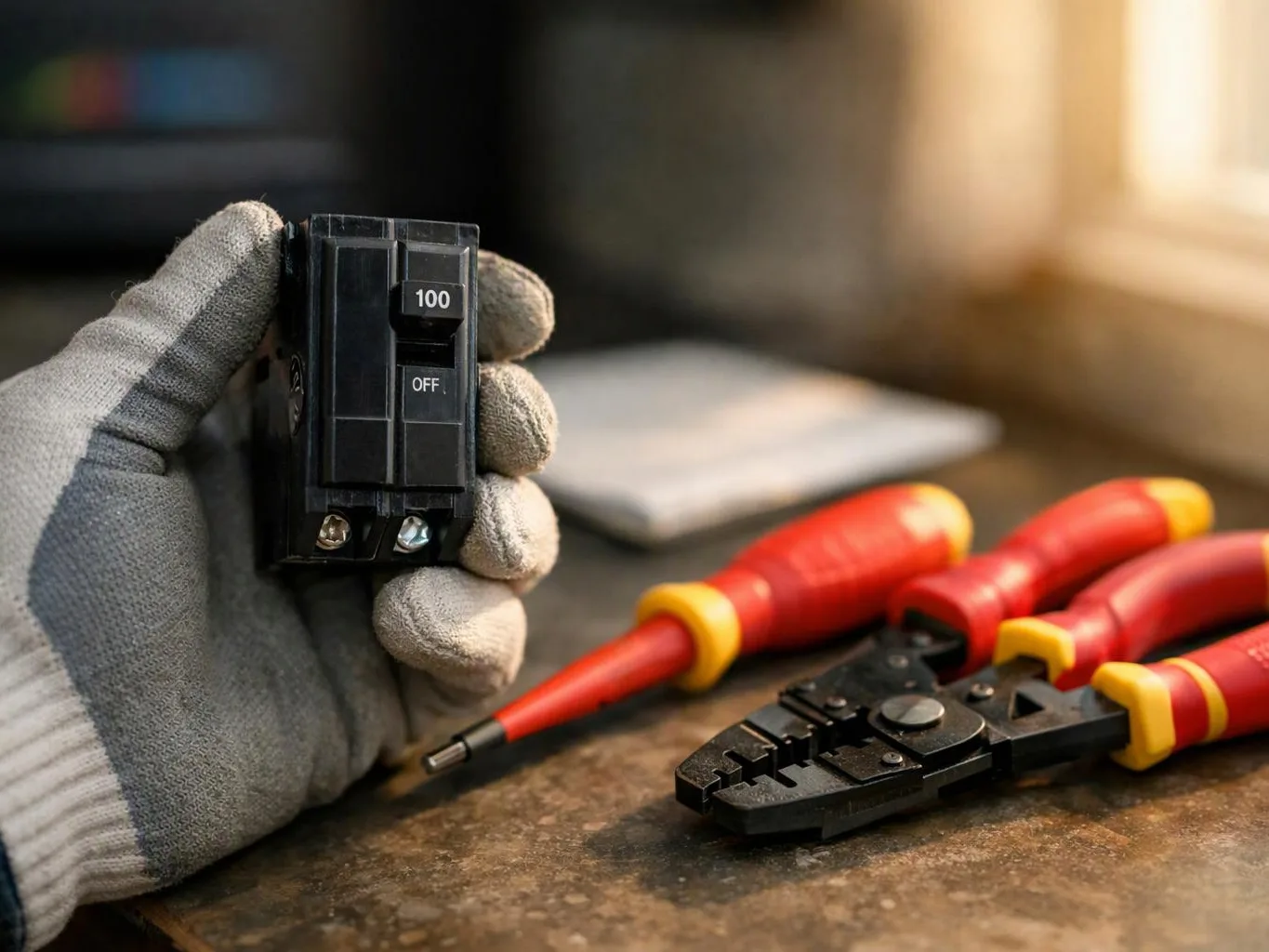
We identify the equipment, review its electrical needs, and inspect the outlet, wiring, breaker, and panel.
A dedicated circuit gives one major appliance or system its own power path. We plan the circuit around your property, panel, and electrical needs.
A dedicated circuit reduces shared demand at the equipment connection.
The installation gives us a defined circuit to test and trace later.
A planned circuit can support a property upgrade without relying on an overloaded outlet.
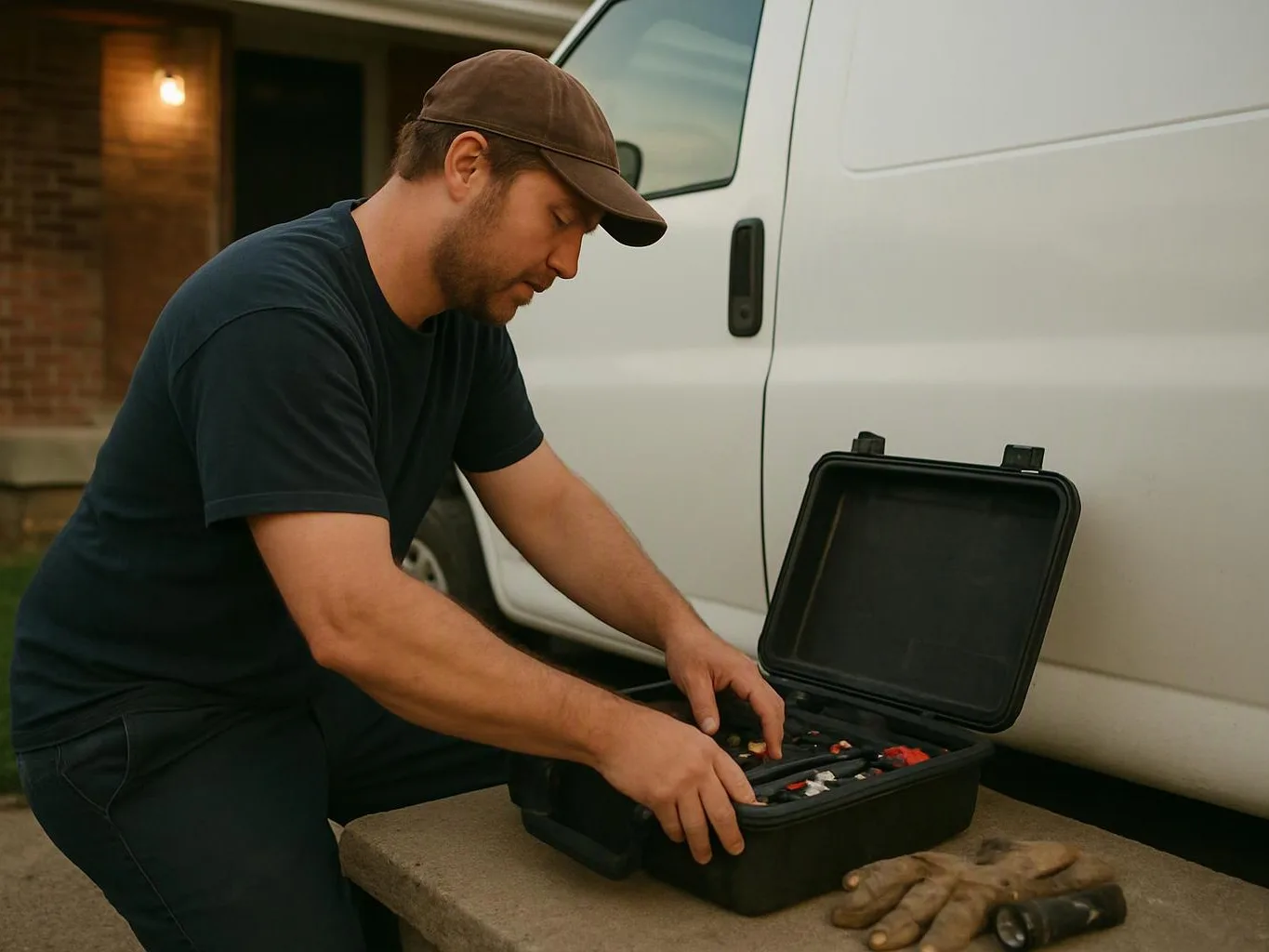
Dedicated circuit installation gives one appliance or system a branch circuit that does not share its working load with general outlets. Common applications include equipment that draws substantial power or causes trips when connected to an existing circuit. We start with the equipment needs and the current panel. A load calculation helps us judge available capacity, while circuit tracing shows how existing wiring is arranged. The work may involve routing cable, adding a breaker, connecting an outlet or disconnect, and testing the finished circuit. Cost depends on the panel's capacity, the route between the panel and equipment, access to walls or ceilings, wiring needs, and the final connection. Budgets are often wasted when a circuit is added without checking the panel first. We recommend the work that fits the actual load and property, not extra equipment that the job does not need.
Dedicated circuit installation is an electrical service that gives one appliance or system its own branch circuit.
We identify the equipment, review its electrical needs, and inspect the outlet, wiring, breaker, and panel.
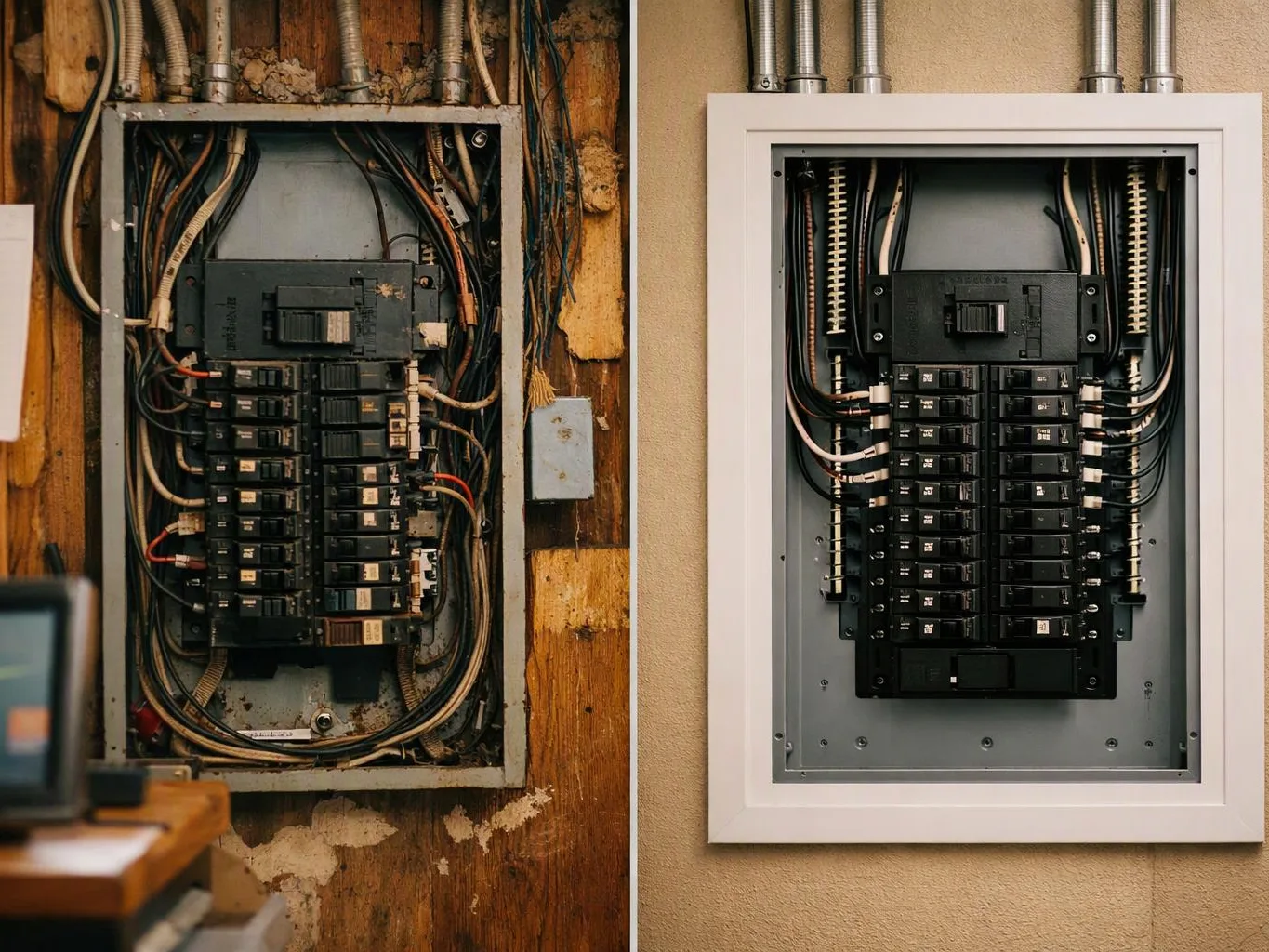
We complete a load calculation and confirm the panel can support the proposed circuit without creating a new overload.
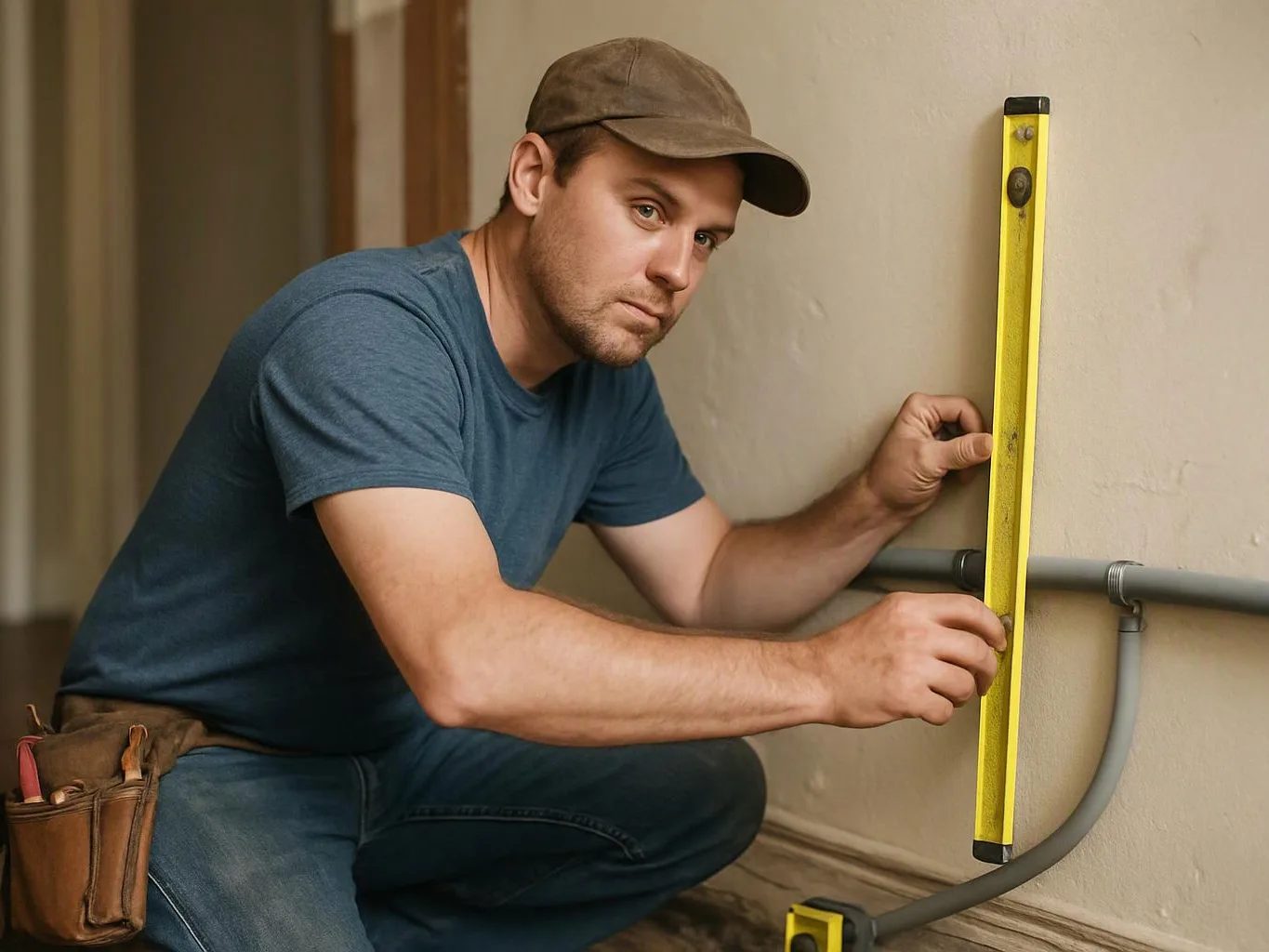
We choose a practical route from the panel to the equipment location, based on access and the property's layout.
We install the required wiring, breaker, outlet, or disconnect, then connect the equipment point to the new circuit.
We perform testing and verification, check the circuit operation, and explain any follow-up work the property may need.
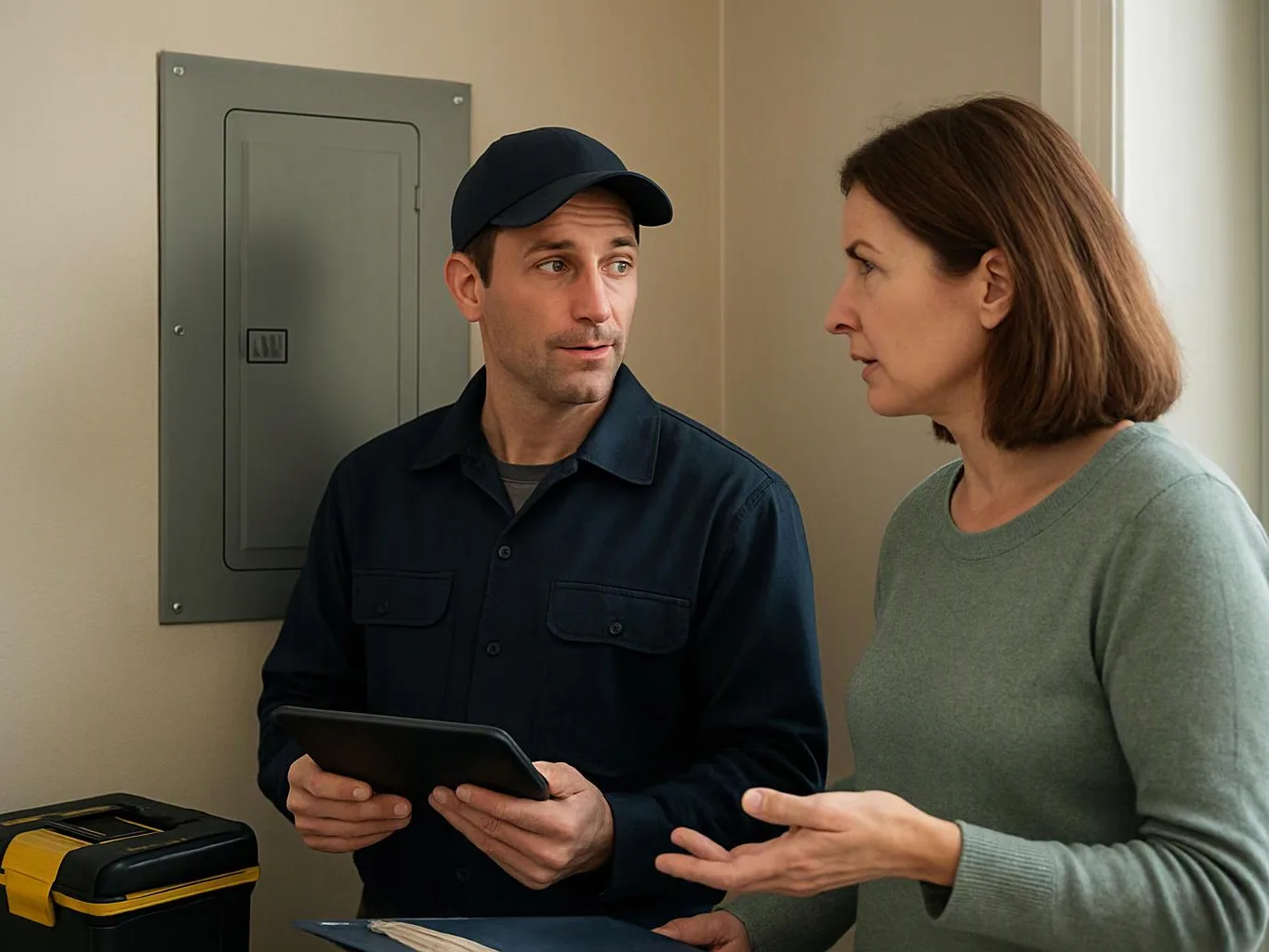
A few details help us plan the circuit and identify access needs before work begins.
We diagnose the existing circuit, panel capacity, and equipment load before recommending a separate branch circuit.
We inspect wiring routes, breaker connections, and equipment points for safe work that meets local requirements.
We test the completed circuit and confirm the intended equipment connection supports safe, reliable electrical service.
Tell us about your equipment and property, and urgent requests get priority scheduling.
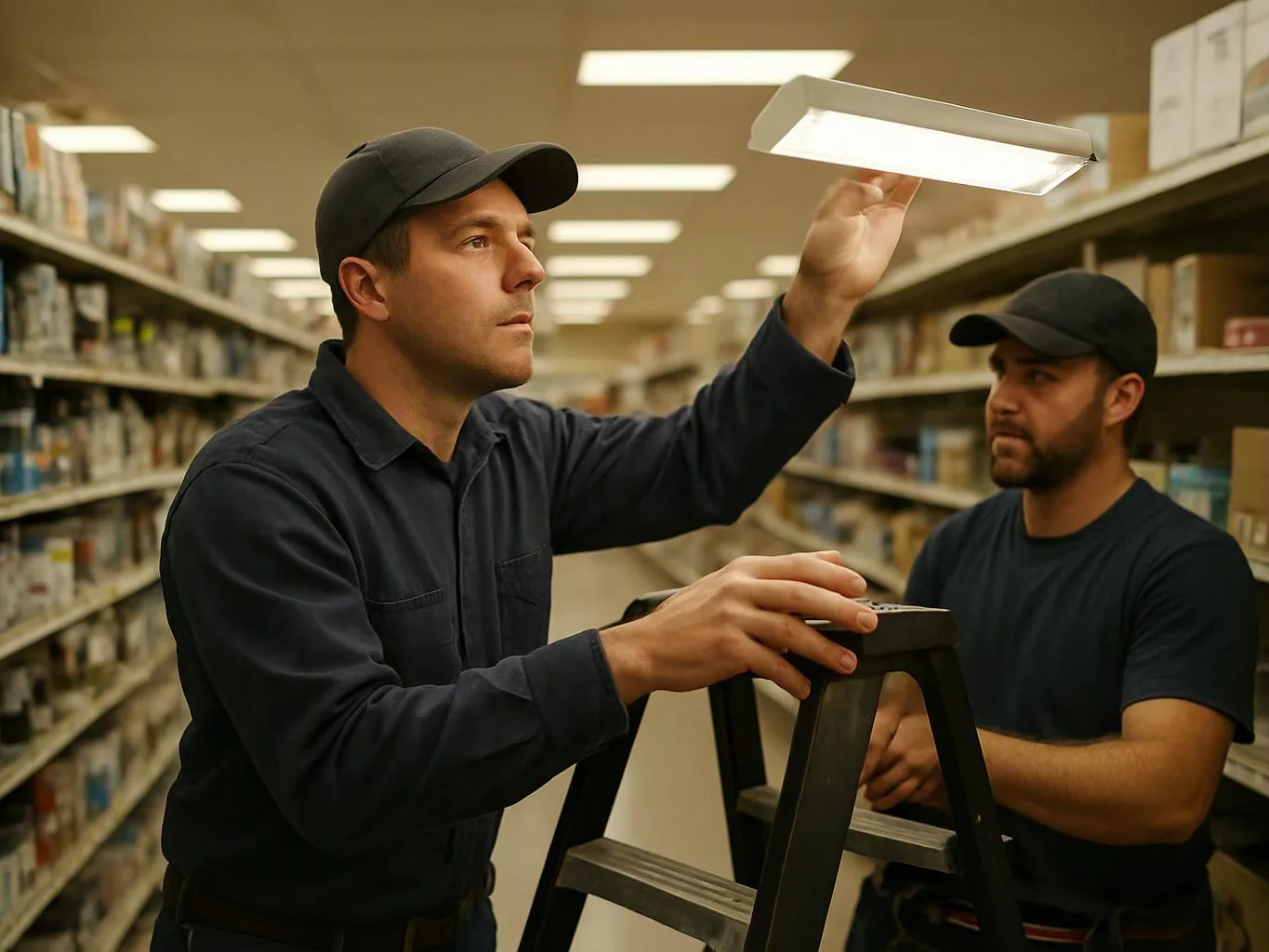
A new appliance may need its own circuit when the existing outlet shares power with other loads. The panel still needs enough capacity, and the wiring route must reach the equipment safely. Keep the appliance information available and leave the panel accessible, so we can inspect the setup and plan the correct circuit.
Repeated breaker trips can point to an overloaded shared circuit, a wiring fault, or equipment trouble. Adding a circuit without finding the cause can leave the main problem in place. Stop using the affected equipment if you notice heat, sparks, or a burning smell, then have us diagnose the circuit.
Commercial equipment can compete with other loads when several devices share one branch circuit. The work needs to account for the panel, equipment location, access, and disruption to the space. Tell us what the equipment does and where it will sit, so we can review the load and recommend the right circuit path.