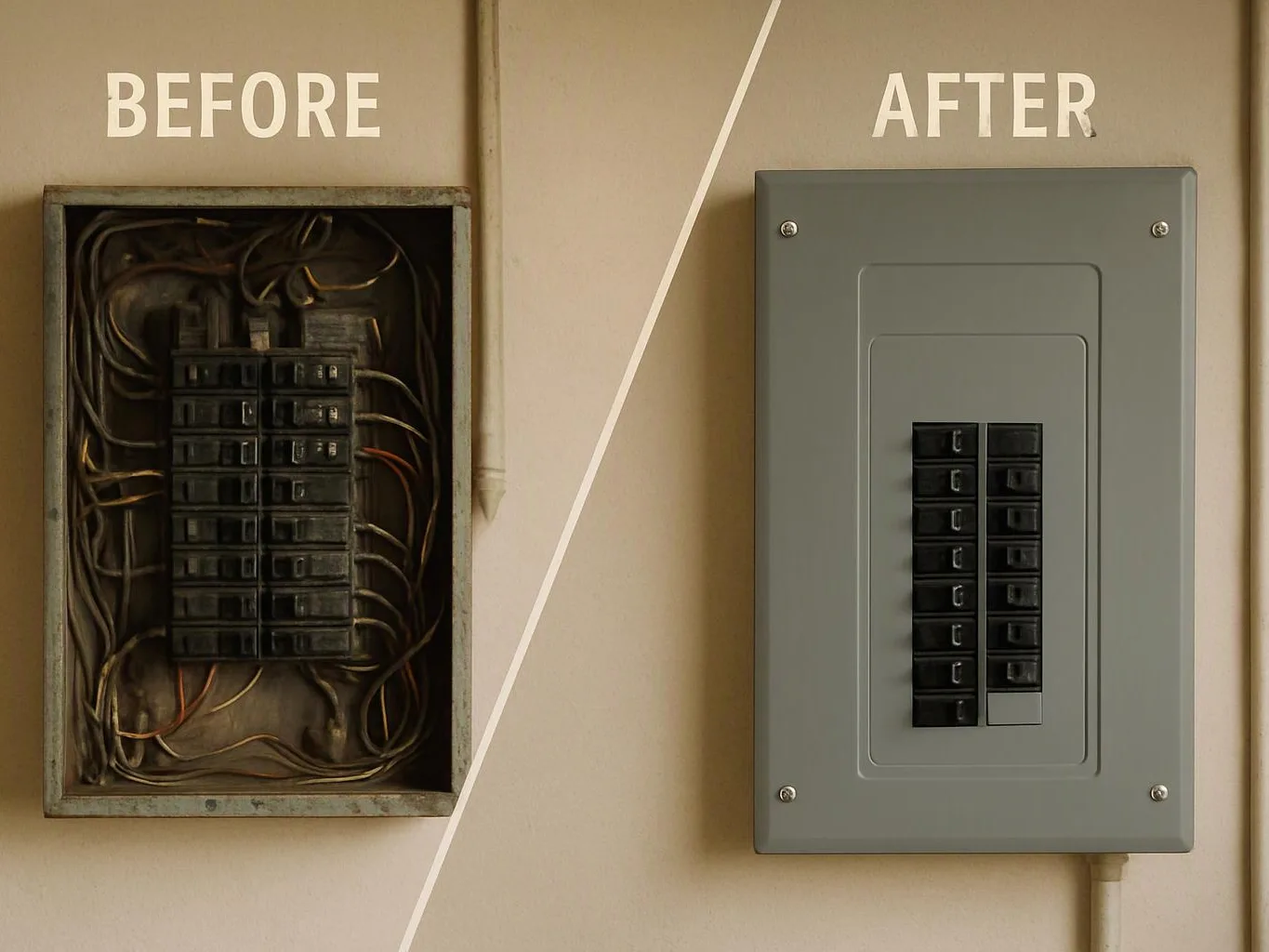
How are outdated electrical systems brought up to code?
AFCI breakers help bring older branch circuits up to current protection needs when the wiring and panel support them. We inspect the circuit, test connected devices, and check grounding before choosing a correction. The work may include circuit upgrades, wiring changes, GFCI protection, or conduit installation. We explain the needed scope before completing the approved work.
Which part of the property decides the correction scope?
The affected circuit usually decides the initial correction scope. We inspect the panel, branch wiring, outlets, switches, grounding, and connected equipment. A wider repair is needed when the fault reaches more than one device or when circuit capacity is too limited. The property’s intended use also matters when new equipment or added load is planned.
Which material changes how long the correction takes?
The existing wiring material and access route can change the work involved. Concealed wiring, damaged insulation, aluminum conductors, and rigid access paths may require more tracing or opening work. We check the material and route before setting the scope. Customers should share photos of the panel and visible wiring when taking them is safe.
What should happen before new equipment is connected?
A load and circuit review should happen before new equipment is connected. We check available capacity, panel condition, grounding, and the planned connection point. Customers should avoid using a suspected overloaded circuit until the issue is assessed. Our recommendations may include a circuit upgrade, panel service, or a dedicated connection.
When does a breaker problem need more than a reset?
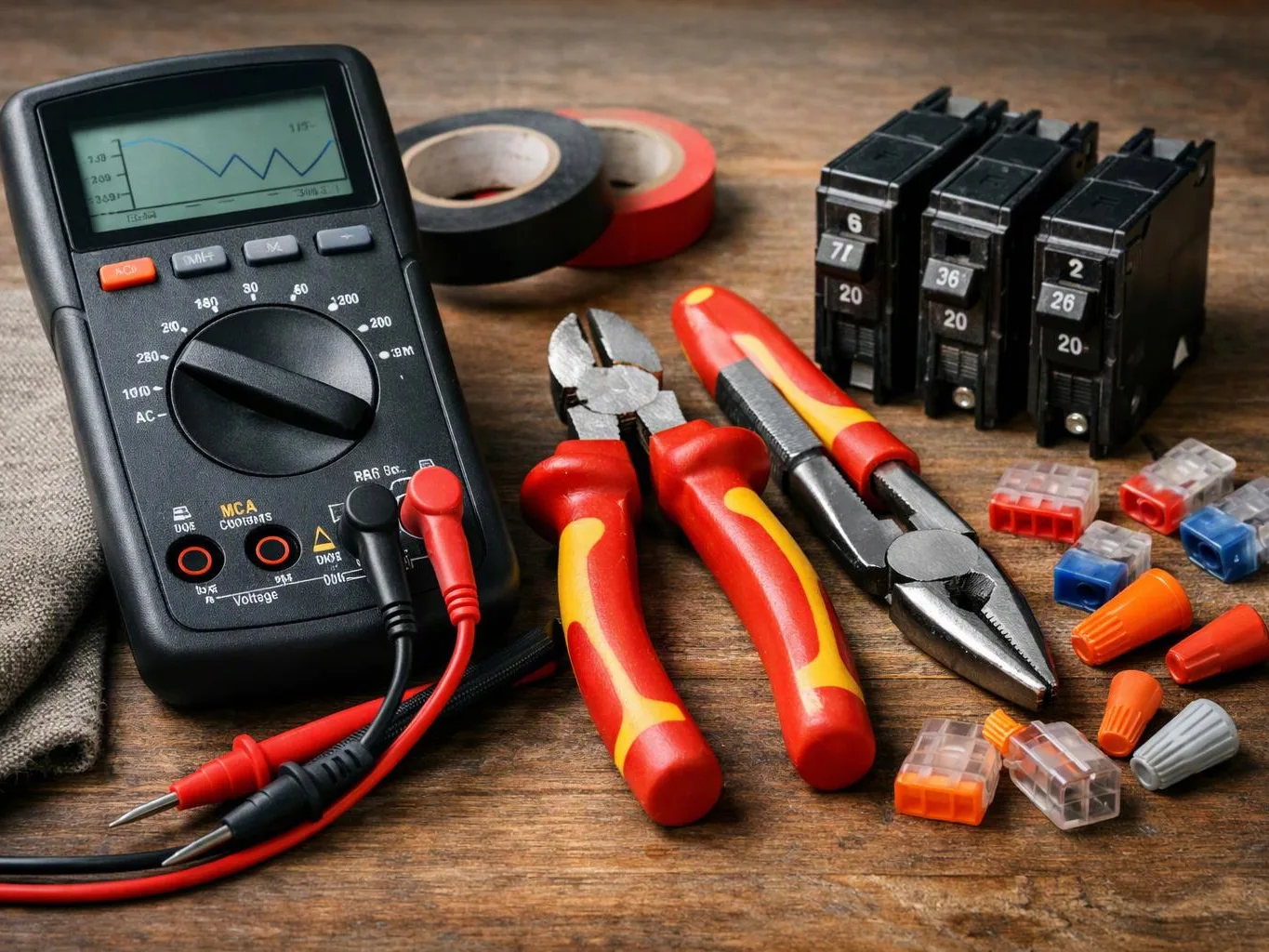
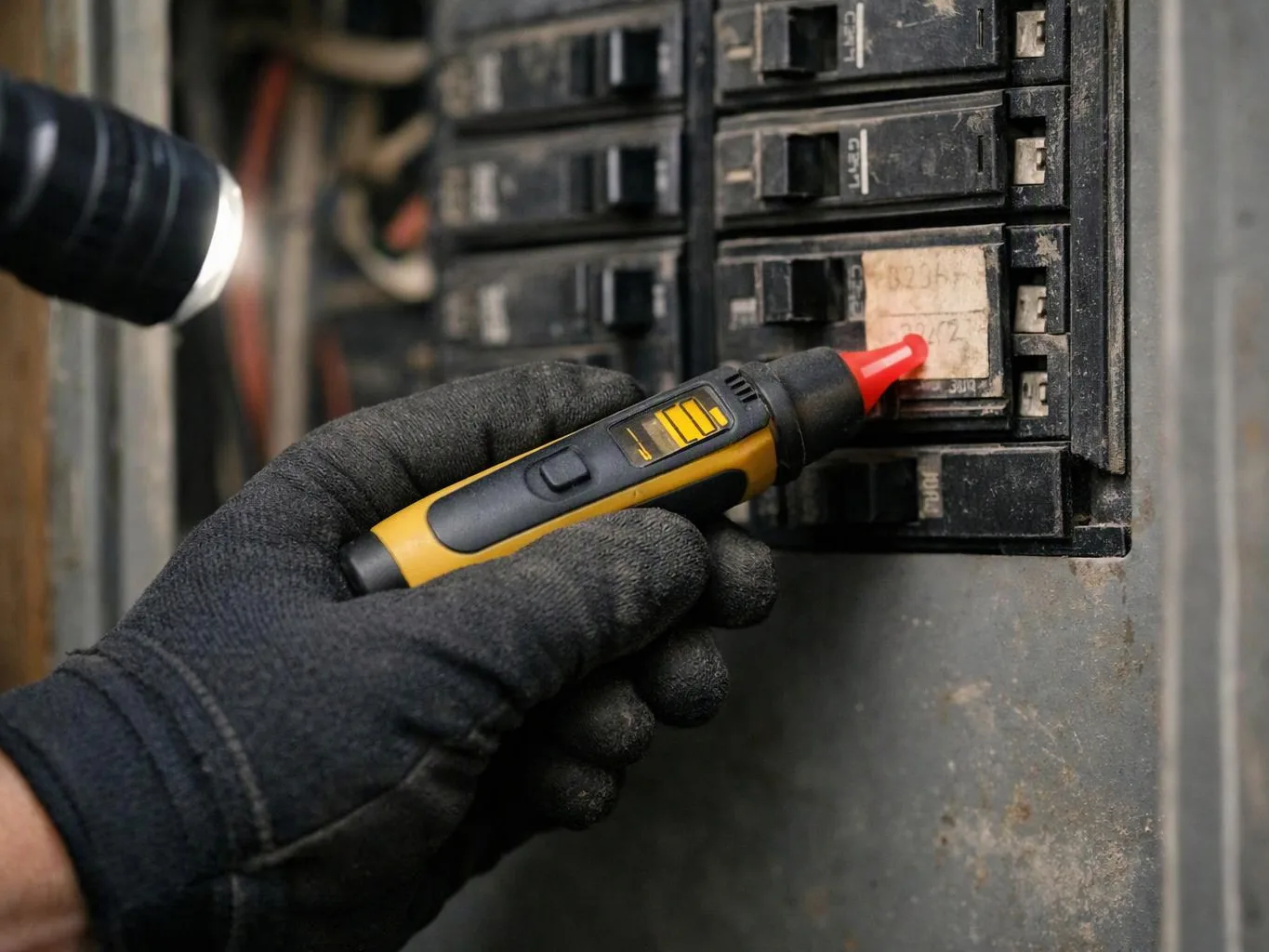
A breaker problem needs inspection when it trips repeatedly, feels hot, buzzes, or will not stay on. We isolate the circuit and test the breaker, wiring, devices, and load. Repeated resets can leave the underlying fault in place. Customers should stop using the affected circuit if they notice smoke, burning odor, or visible sparking.
Why might an inspection find both wiring and device issues?
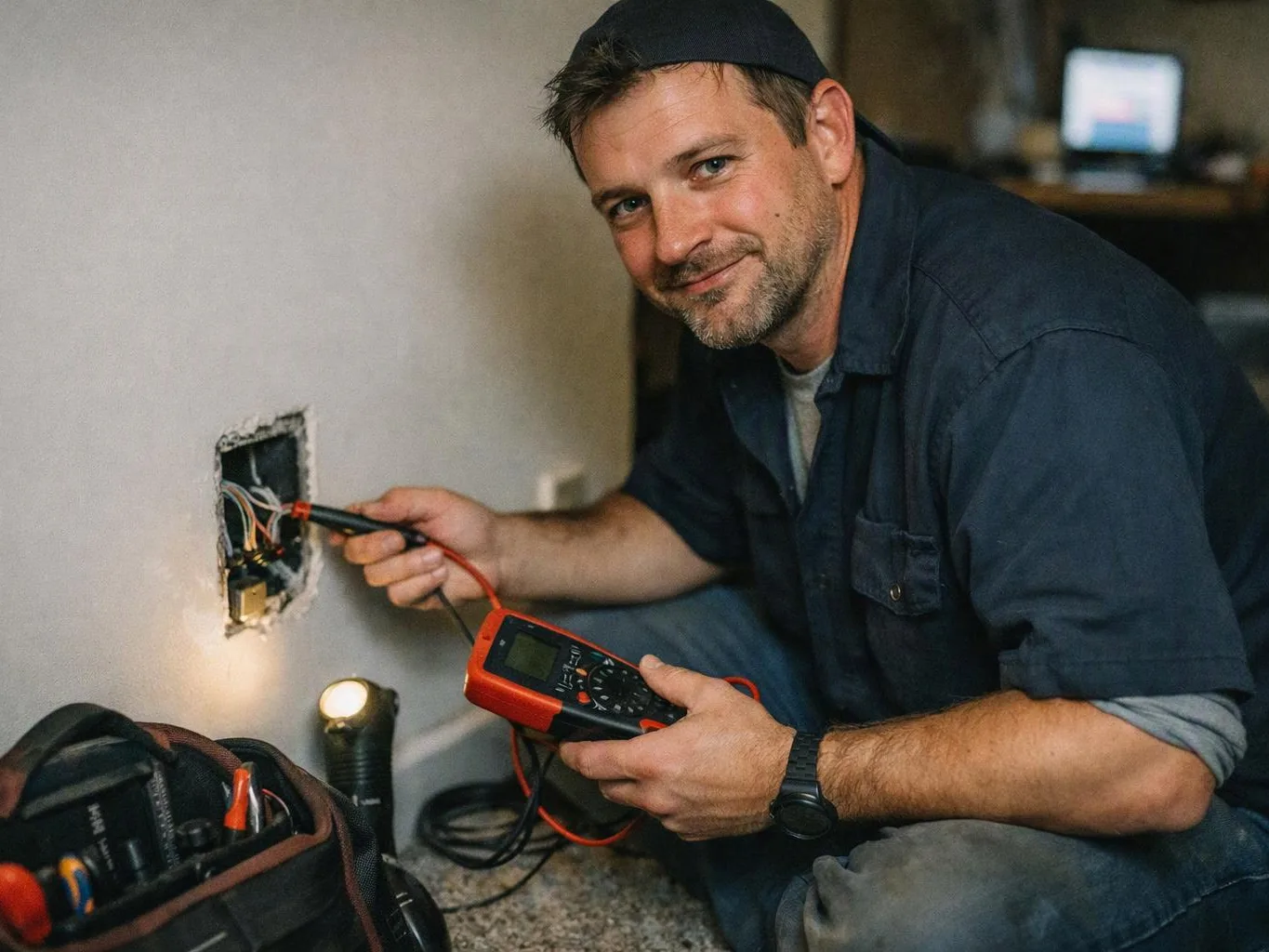
A wiring fault can damage connected devices or create symptoms at more than one outlet. We trace the circuit and test each related connection so the repair does not stop at the visible symptom. The final scope may address a receptacle, switch, conductor, grounding point, or panel connection. We separate those findings in our recommendations.
How does a correction visit move from the first call to the last step?
The visit moves from reported symptoms to inspection, circuit testing, repair planning, approved work, and final checks. Customers describe the issue and provide safe access to the panel and affected area. We then trace the circuit, explain the findings, complete the agreed correction, and review the final condition with the customer.