Which electrical issues commonly require code correction?
Improper wiring commonly requires code correction when it creates unsafe connections, poor grounding, or circuit faults. GMB Electric checks wiring, outlets, switches, panels, and connections tied to the finding. The repair may involve circuit tracing, grounding correction, wiring work, or panel service. The inspection result determines the proper scope.
How does a code correction visit move from the first call to the last step?
The visit moves from issue review to circuit tracing, condition checks, repair work, and testing. We begin with the reported symptom or inspection note. The wiring and related panel parts are checked next. After the approved correction, testing and verification confirm the affected electrical area before we explain the work.
Which material changes how long code correction takes?
The wiring material and access to the affected circuit can change the work involved. Copper wiring, aluminum wiring, damaged insulation, and concealed connections require different checks. We inspect the material and route before setting the scope. That review helps determine whether the work stays focused or reaches related wiring.
How can a customer tell whether code correction fits the property?
Code correction fits a property when an inspection, wiring symptom, or electrical repair reveals a safety or compliance concern. A general installation request does not by itself need this service. We review the reported condition and inspect the affected circuit to decide whether correction, troubleshooting, or another electrical service fits.
What makes a panel issue part of the correction work?
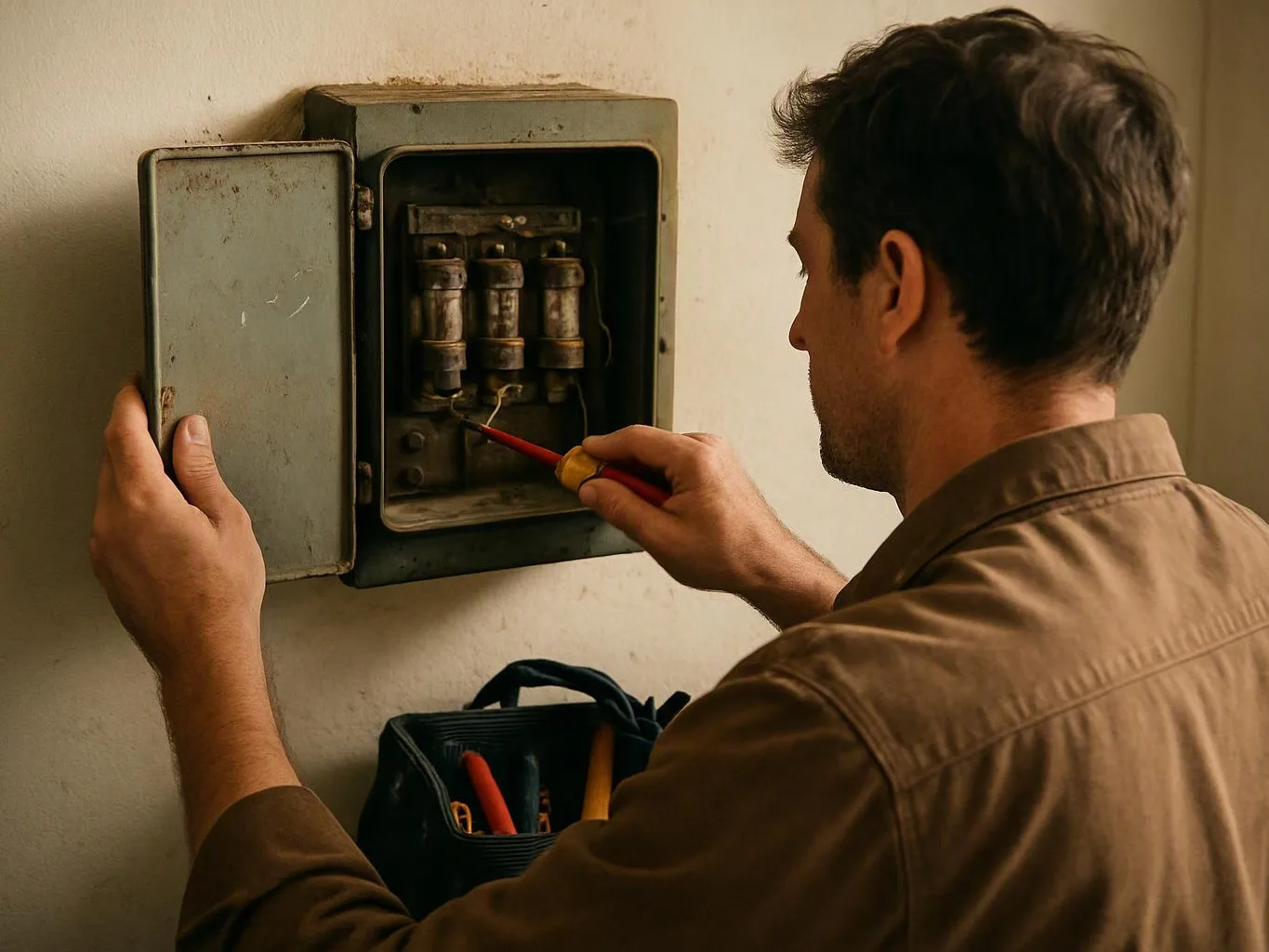
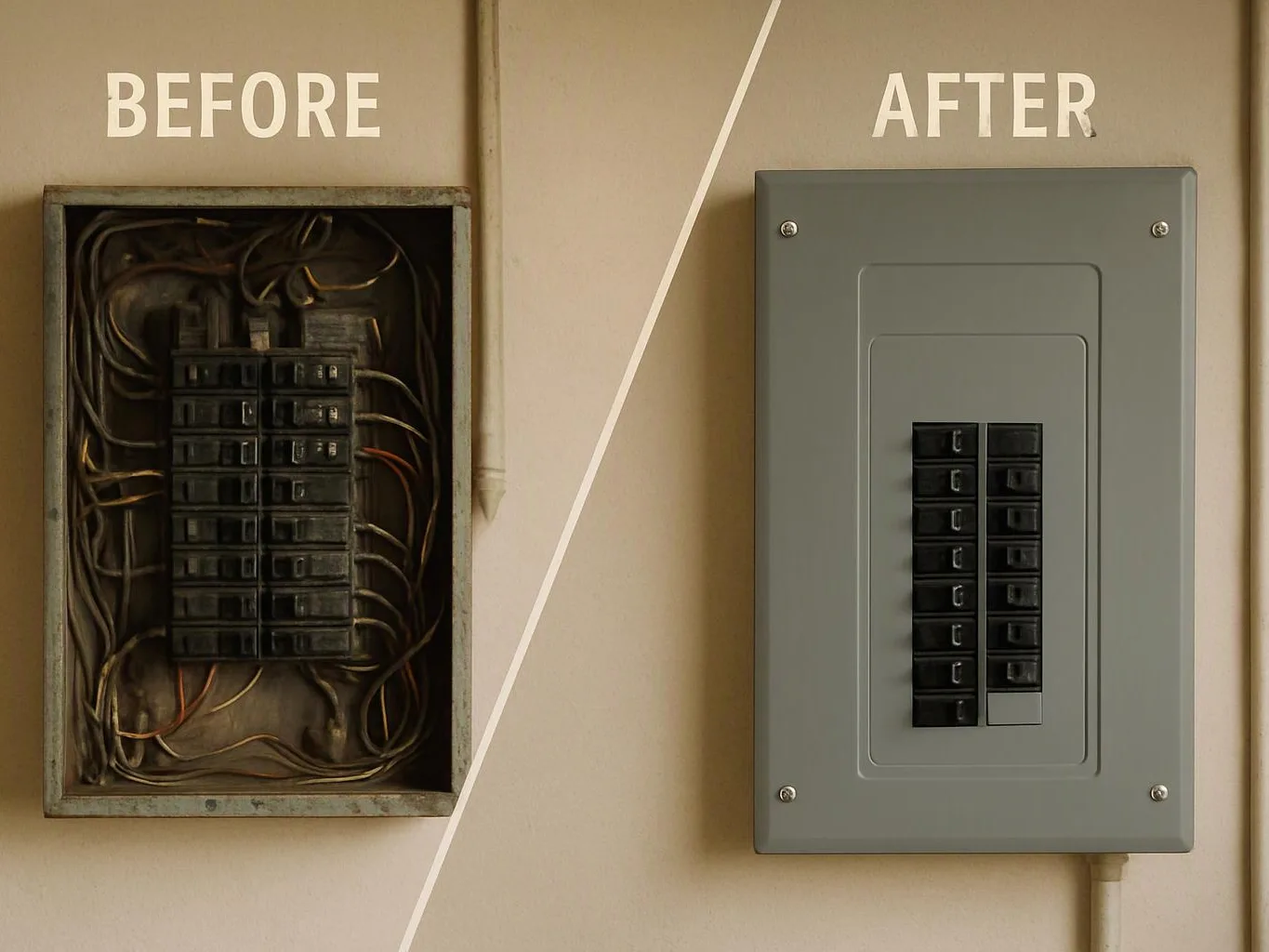
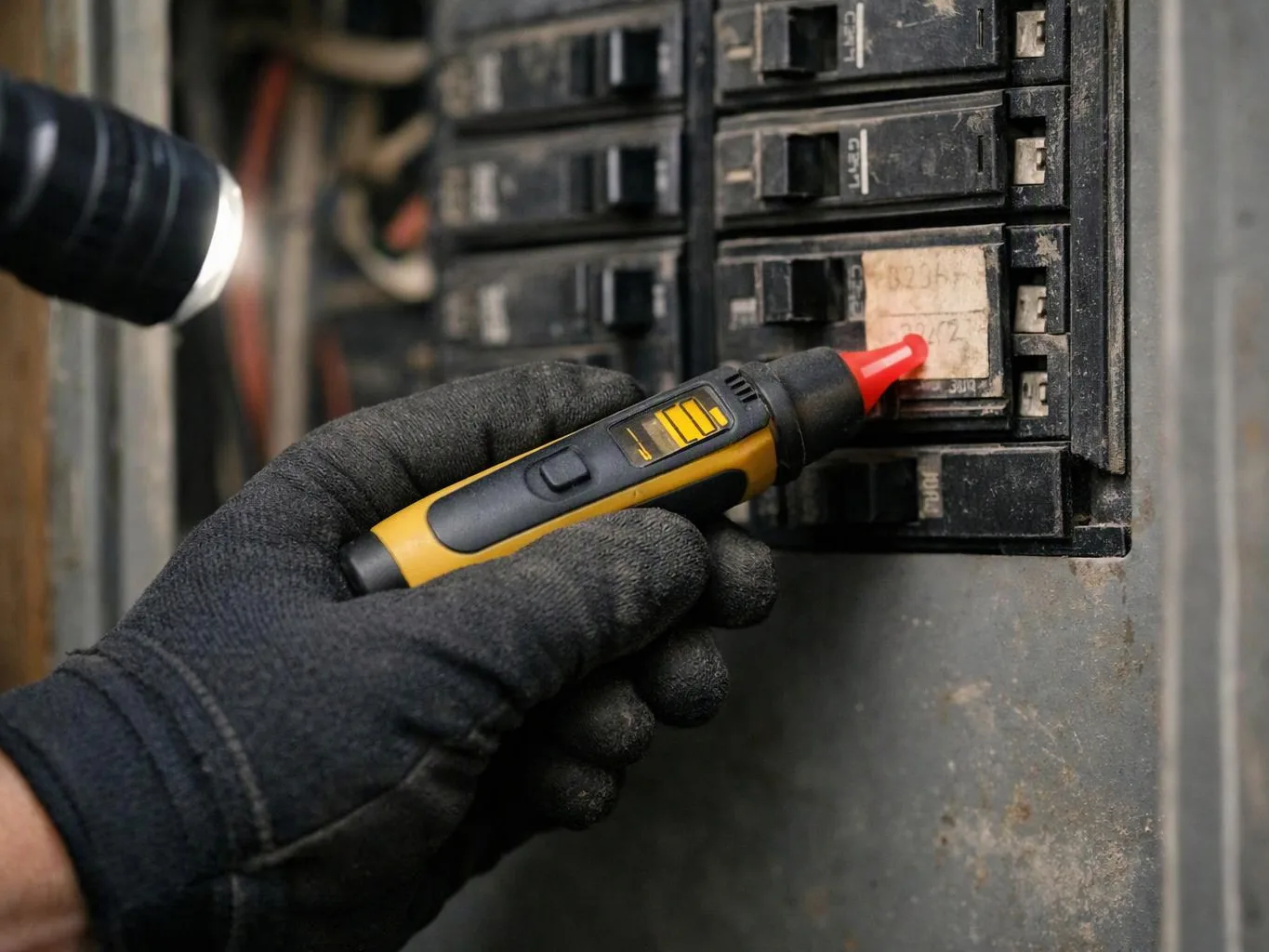
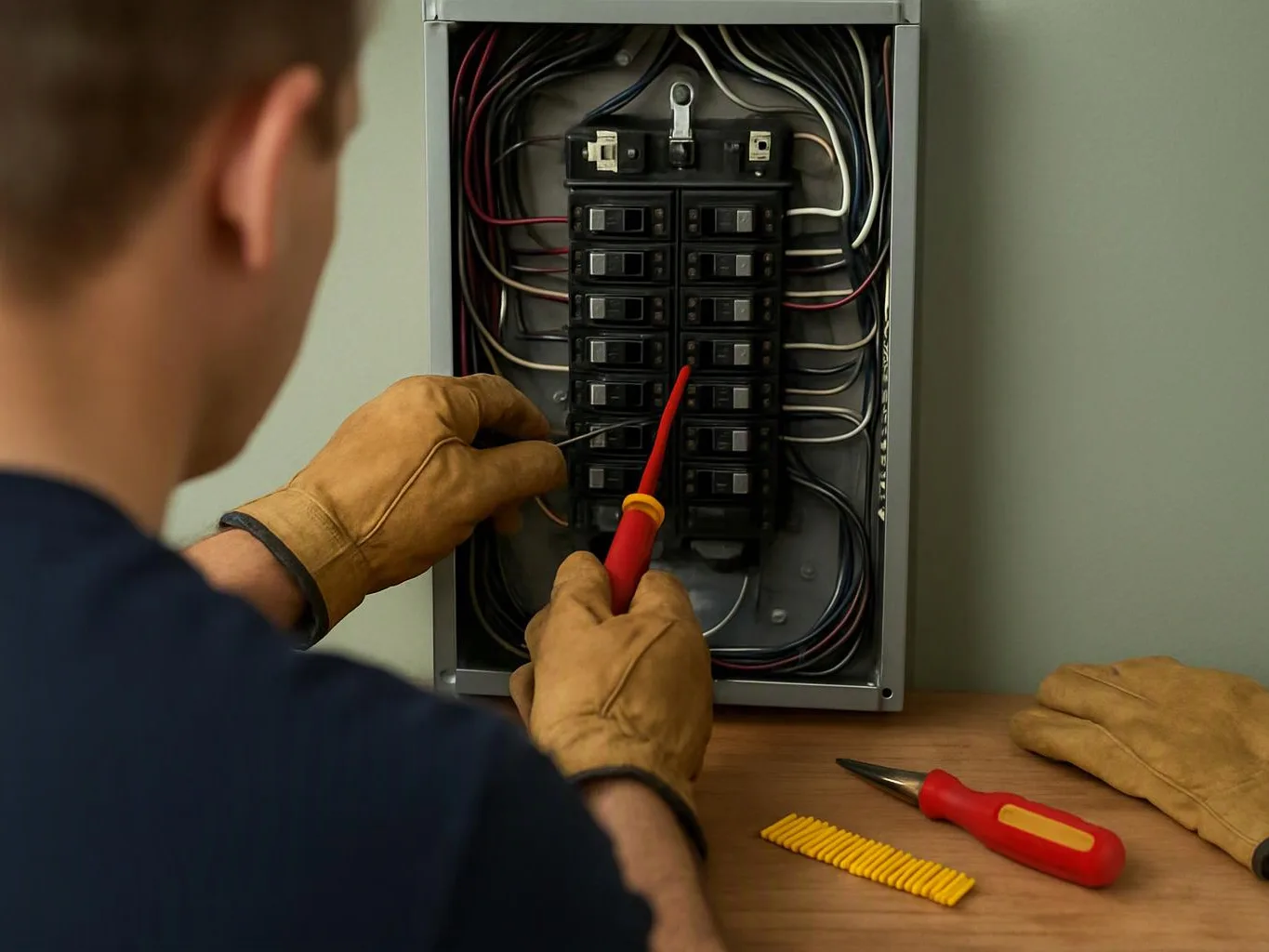
A panel issue becomes part of the correction work when the panel, breakers, wiring, or connections contribute to the reported electrical concern. We check breaker condition, wiring space, terminals, and circuit connections. The findings show whether the work needs panel service, a circuit repair, or a broader electrical assessment.
Why might an outlet need more than a new faceplate?
An outlet needs deeper correction when the wiring, grounding, box, or connection behind it is unsafe. We inspect the outlet and trace its circuit before replacing or repairing it. A loose connection, dead outlet, warm switch plate, or two-prong ungrounded outlet can point to related wiring that needs review.
Which information helps start a correction assessment?
The affected room, outlet, breaker, inspection note, and visible symptom help start the assessment. Photos can show labels or visible damage, but they cannot replace an electrical check. We use the information to identify the first area for circuit tracing and to discuss the next step for the property.