Inspect the existing panel
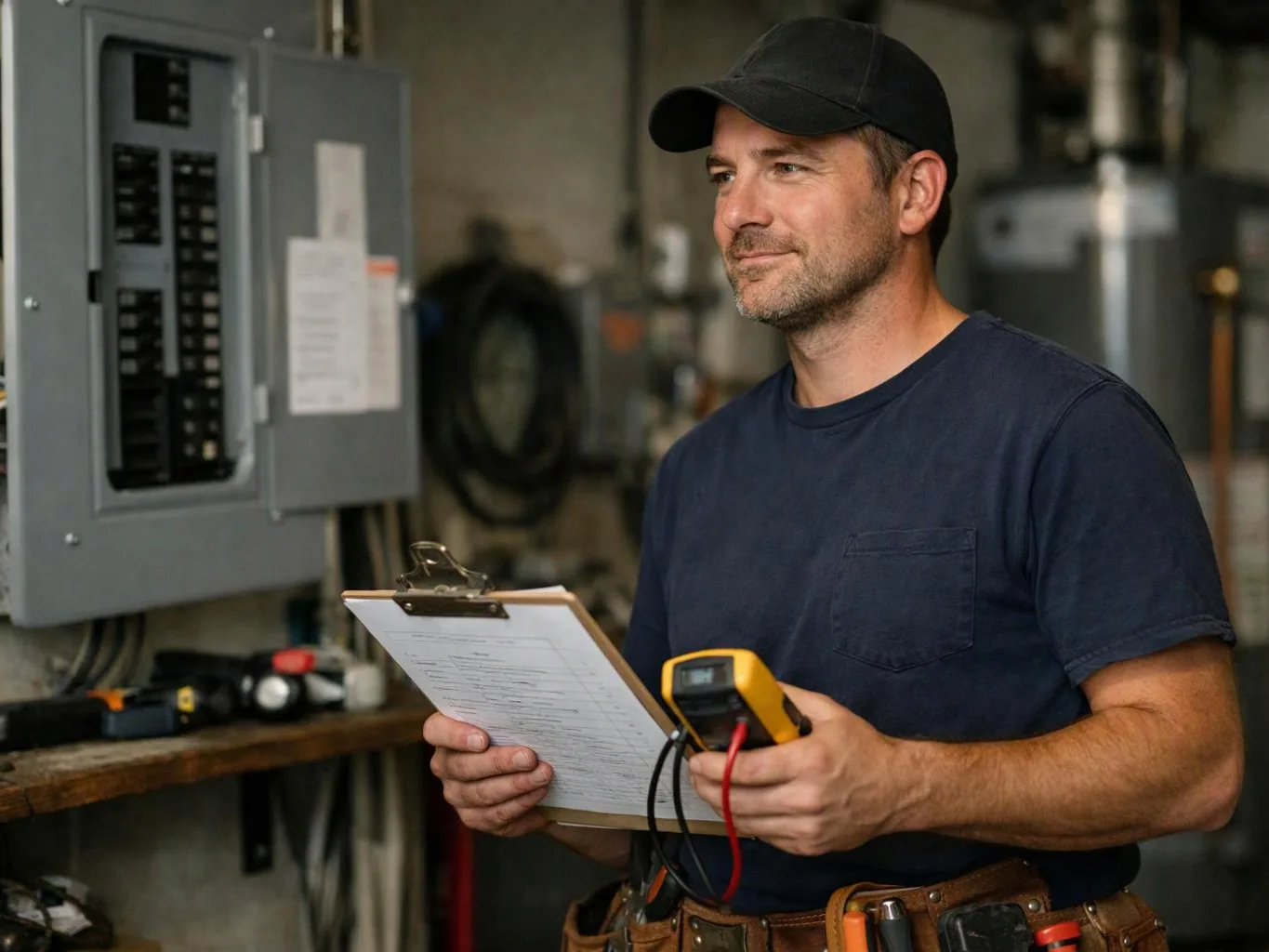
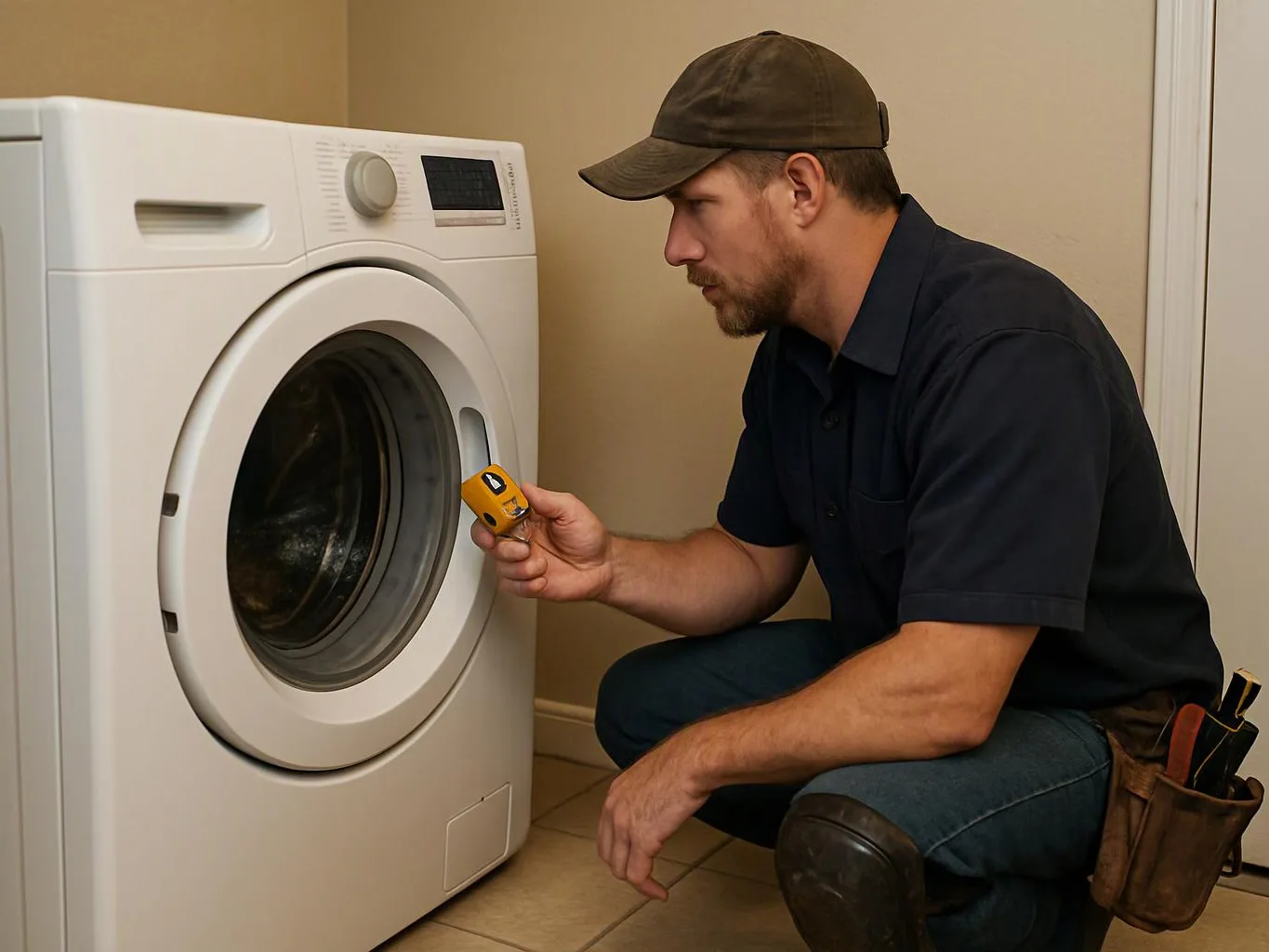
We examine the panel, breakers, conductors, grounding, and visible heat or damage. We also ask about trips, outages, and planned electrical additions.
We replace electrical panels for homes and businesses across Indianapolis. Our licensed and insured electricians focus on safe connections, correct breaker sizing, and dependable power.
A replacement removes damaged panel parts and gives circuits a new connection point.
Better circuit space can support planned lighting, appliances, or other electrical work.
Testing after installation helps confirm breaker operation and secure terminations.
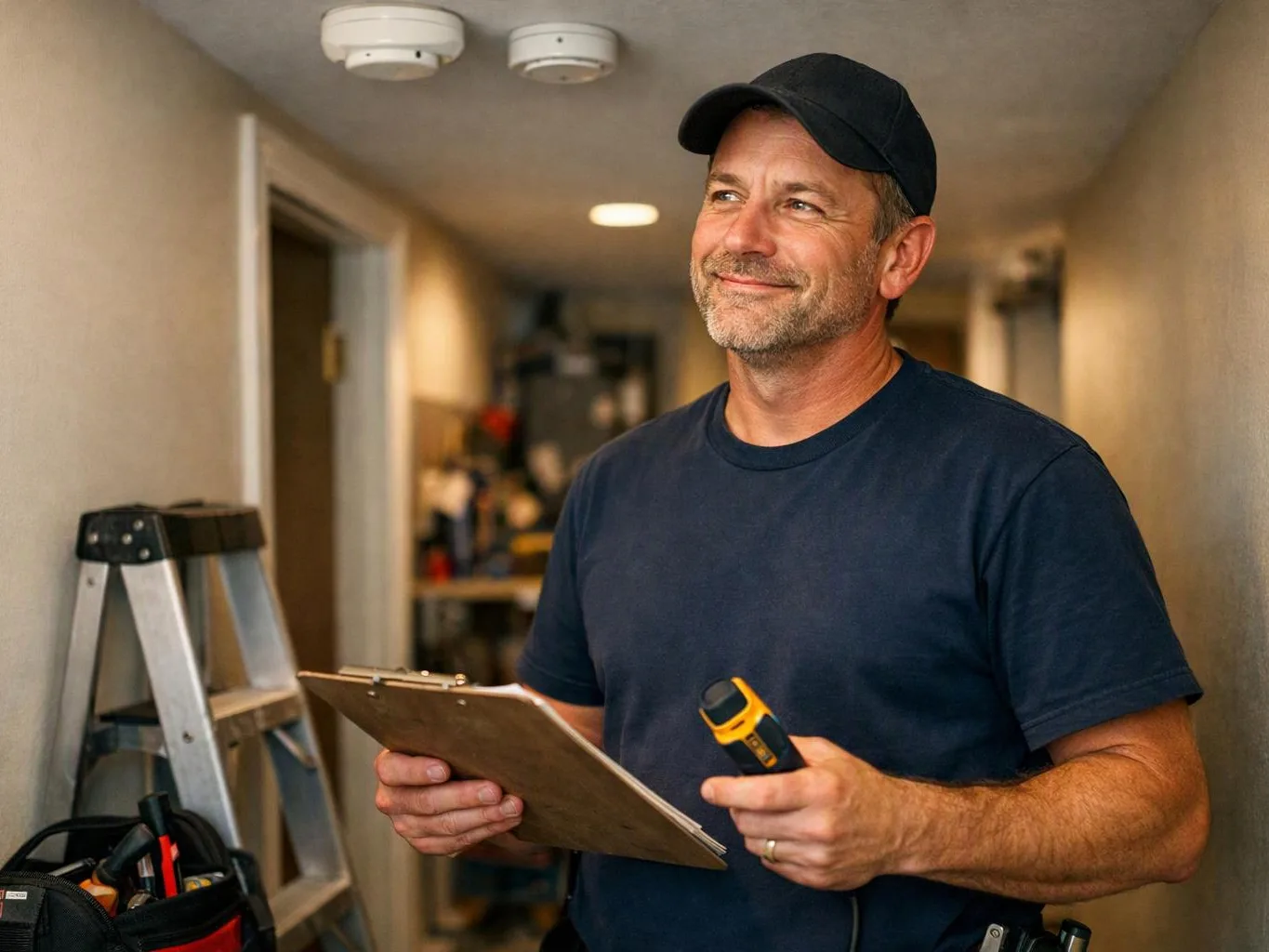
Panel replacement changes the main point where branch circuits connect to the electrical system. We remove the old panel, inspect the conductors, install the replacement equipment, and reconnect circuits with attention to safe workmanship. The right choice depends on the panel condition, circuit layout, grounding, available capacity, and the property's electrical needs. A panel swap won't correct every wiring fault, so we trace problems before recommending the work. Our electricians check breaker operation and circuit connections after installation. The finished system should show stable breaker function, secure terminations, and clear circuit identification.
Electrical panel replacement is the removal of an existing breaker panel and installation of a suitable new panel.
We examine the panel, breakers, conductors, grounding, and visible heat or damage. We also ask about trips, outages, and planned electrical additions.
We identify circuit paths and review the system's load needs. This helps us match the replacement panel to the property's actual use.
We explain the recommended panel work and provide a free estimate for planned service. The estimate reflects the panel, wiring condition, access, and required repair scope.
We remove the old assembly, fit the new panel, reconnect circuits, and check terminations. We address damaged wiring when the inspection finds it.
We test breaker operation, circuit function, grounding, and panel labeling. We then explain the work completed and any further electrical needs we identify.
A few details help us assess the panel and plan the work accurately.
We diagnose panel faults, circuit issues, and grounding concerns before recommending replacement work.
We check terminations, breaker connections, grounding, and circuit function during panel replacement.
We test the replacement panel and connected circuits before explaining the restored electrical service.
Clear access to the panel and record any breaker trips, flickering lights, dead outlets, or burning smells.
We use these details with our inspection to plan the work.
Does your panel trip, buzz, or lack room for new circuits? Request your estimate, and urgent requests get priority scheduling.
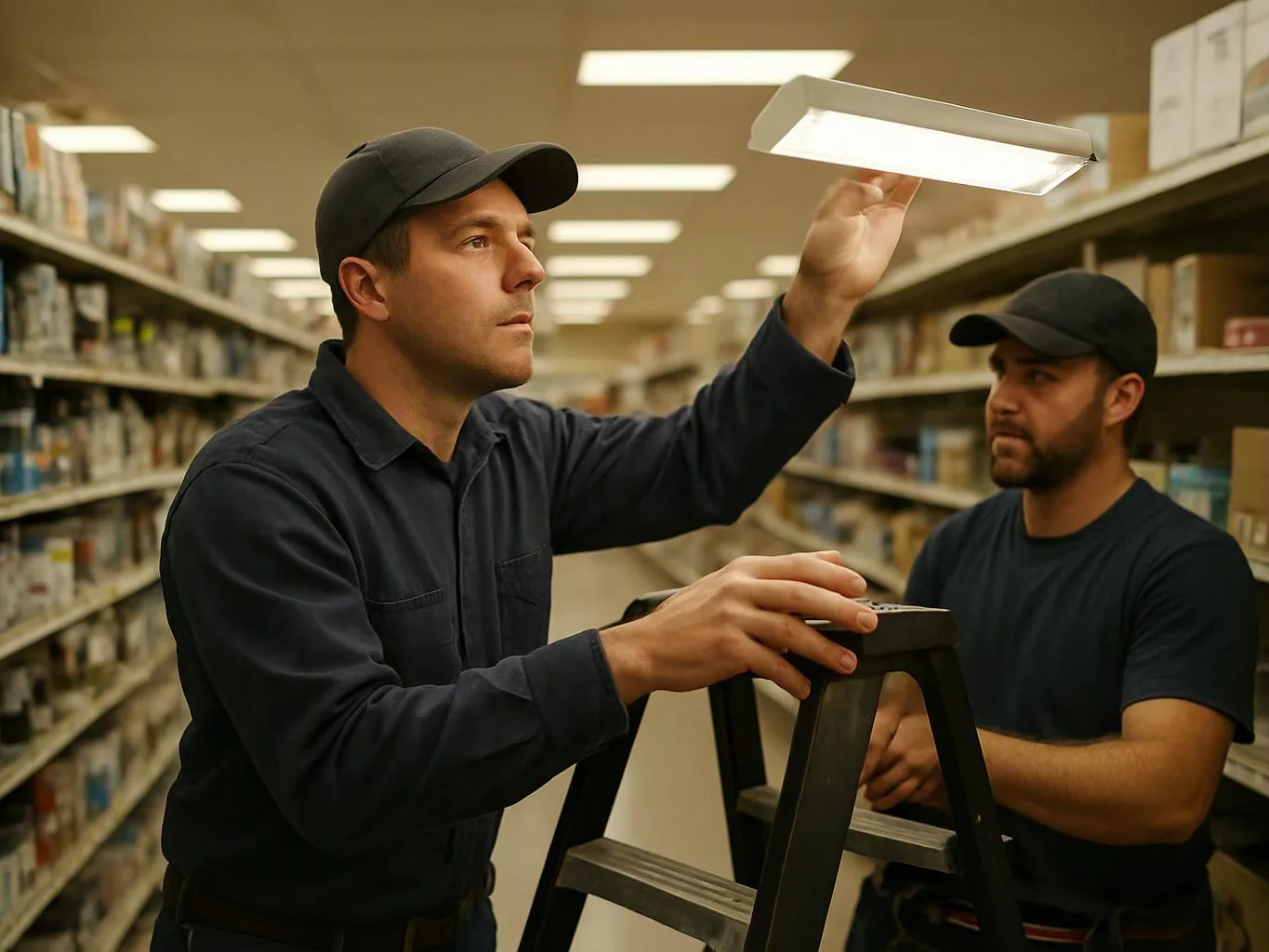
A breaker that trips during ordinary appliance use can point to an overload, damaged breaker, or wiring fault. The panel condition matters because replacement alone won't fix a fault elsewhere in the circuit. Turn off affected equipment and avoid repeated resets, then request a diagnosis so we can trace the circuit and recommend the correct repair path.
A burning smell near the panel needs prompt attention because heat can come from a loose termination, overloaded circuit, or damaged part. Keep clear of the panel and shut off power only if you can do so safely. Tell us what you noticed, and we'll inspect the panel before discussing replacement or repair.
A home or business planning new equipment may find that the existing panel lacks usable space or capacity. The circuit layout, grounding, and expected electrical load all shape the replacement decision. List the planned equipment when you request an estimate, so we can assess the panel and recommend a suitable configuration.