Skip to content

Electrical Safety Inspection in Whitestown, Indiana

A panel replacement changes the inspection scope, while a panel adjustment keeps the review focused in Whitestown. We check safe access before testing.

Licensed & InsuredWarranty AvailableSame-Day ServiceUpfront, Transparent Pricing

Quick Summary: Electrical Safety Inspection in Whitestown, Indiana

Electrical Safety Inspection in Whitestown covers panels, wiring, outlets, switches, and visible safety concerns. GMB Electric provides this work for homes and businesses throughout Indianapolis and surrounding communities, with licensed and insured electricians.

  • What we do: GMB Electric provides Electrical Safety Inspection for homes and businesses in Whitestown, Indiana.
  • What is included: We inspect panels, wiring, outlets, switches, grounding, and visible electrical hazards.
  • What you get: The customer receives a clear condition report and practical recommendations for repair, replacement, or continued monitoring.

Why do lights flicker after an outlet or breaker problem?

Flickering lights can point to a loose connection, overloaded circuit, failing breaker, or damaged wiring. An electrical safety inspection traces the affected circuit and checks related outlets, switches, and panel connections. Stop using an outlet that feels warm, sparks, or smells burnt, and request urgent electrical help when a fire risk appears.
Electrical Safety Inspection for Whitestown Properties

An electrical safety inspection gives buyers, owners, property managers, and businesses a condition-based view of their electrical system. We check the panel, circuit connections, outlets, switches, grounding, and visible wiring that we can safely access.

Customers use this service when a property changes hands, a business prepares for a busy period, or recurring symptoms need a wider review. The main decision is whether the property needs repair, replacement, further diagnosis, or no immediate electrical work.

This page focuses on preparation and access. Customers who gather appliance details, repair history, and clear outlet access help us review the property with better context. We still verify conditions at the property, because notes alone don't prove that a circuit is safe.

  • Make the electrical panel and service area safe to reach.
  • List appliances that share circuits or draw heavy power.
  • Gather records of past electrical repairs and upgrades.
  • Clear access to outlets, switches, and visible wiring.
  • Write down flickering lights, dead outlets, warm plates, or tripping breakers.
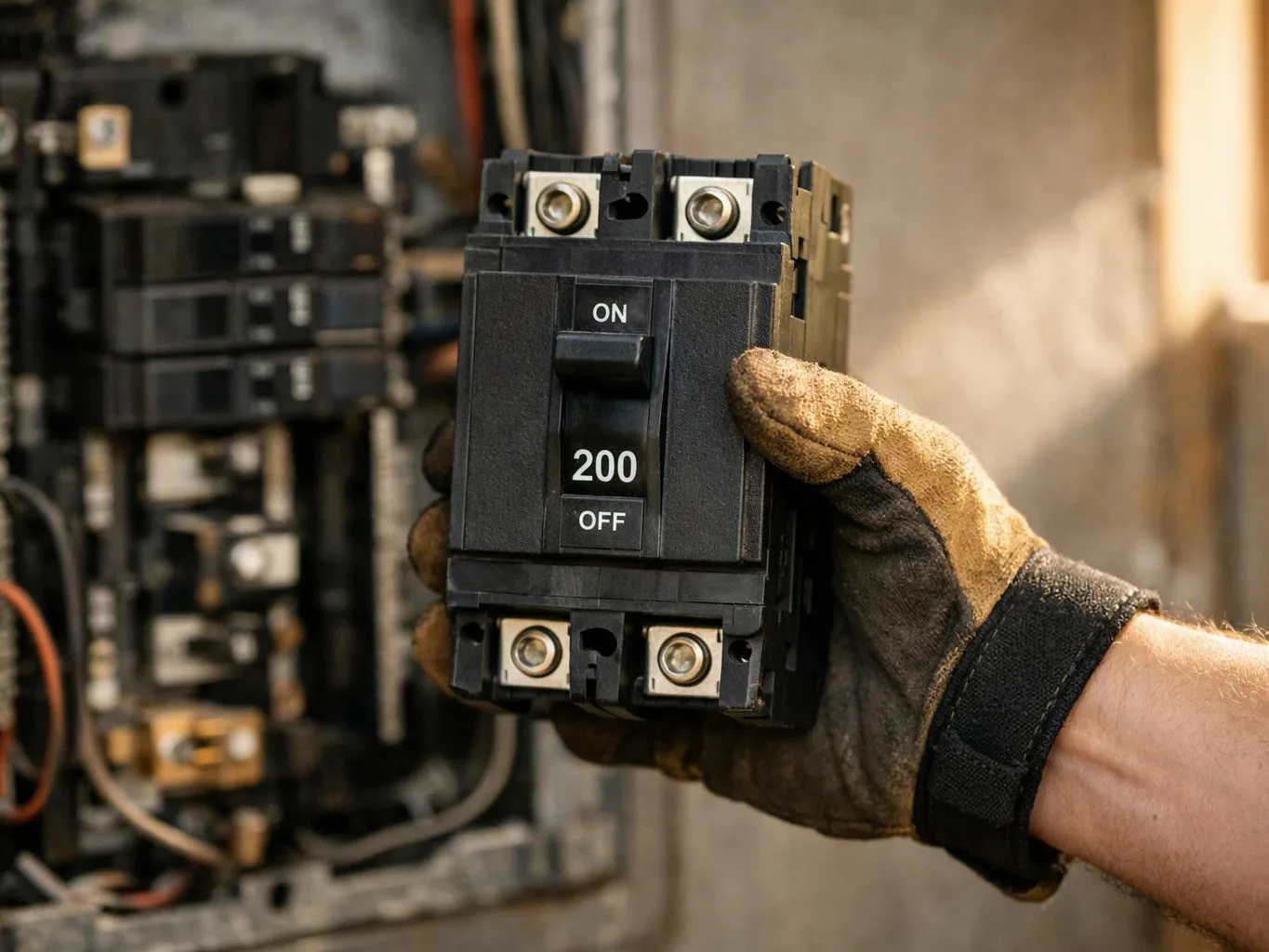
A gloved hand holds a 200-amp circuit breaker in front of an open electrical panel

Service Overview

Electrical safety inspection is a planned review that checks electrical parts for visible damage, unsafe connections, and signs of wear.

  • It differs from troubleshooting because the inspection reviews overall safety, while troubleshooting targets one fault or symptom.
  • GMB Electric provides this inspection for homes and businesses in Whitestown.

What This Inspection Helps You Decide

You learn which visible conditions need attention before they become a larger electrical problem.

A written repair discussion helps you separate a focused fix from a wider panel or wiring project.

Appliance details give us useful context when a breaker keeps tripping or outlets lose power.

Repair records help connect past work with current symptoms and avoid repeated diagnosis.

Clear outlet access lets us inspect the parts that affect daily use.

The inspection supports safer planning for residential and commercial electrical work.

What This Electrical Safety Inspection Covers

GMB Electric provides comprehensive Electrical Safety Inspection in Whitestown. Here's what you get:

  • We inspect the accessible panel, breaker connections, labels, and visible signs of heat or damage.
  • We review accessible outlets and switches for loose parts, damage, unusual warmth, or poor fit.
  • We trace reported symptoms to related circuits when the inspection needs more diagnosis.
  • We check visible wiring and grounding points that can be reached safely.
  • We discuss appliance loads when equipment appears to share a circuit or needs more amperage.
  • We provide clear recommendations for repair, replacement, or further electrical testing.
Process

How We Complete This Electrical Safety Inspection

1

Review the property and symptoms

We discuss the property type, appliance list, repair history, and reported symptoms before inspecting the electrical system.

2

Check access and visible conditions

Customers clear the panel, outlets, switches, and related work areas. We inspect reachable parts for damage, heat marks, loose connections, and other visible concerns.

3

Trace the affected circuit

When a breaker trips or an outlet loses power, we trace the related circuit and compare its use with the reported problem.

4

Test and verify accessible points

We test reachable electrical points and verify findings against the panel, wiring, outlets, and switches involved.

5

Explain repair or replacement needs

We explain what needs attention, what requires more diagnosis, and which work may involve repair, replacement, or an upgrade.

A situation this service fits

A property owner in Whitestown may request an inspection before a sale, lease, or major equipment change. We review the panel, circuit use, outlets, and repair records, then separate visible safety concerns from work that needs deeper diagnosis.

What You Get From This Electrical Safety Inspection

A decision based on visible conditions

Customers receive findings tied to actual panels, circuits, outlets, and wiring. This service is the wrong fit when power has failed completely and the property needs immediate emergency troubleshooting first.

Preparation that improves the review

An appliance list and repair history help us compare reported symptoms with the electrical layout. Our team then explains which details need repair or more testing.

Residential and commercial coverage

We inspect electrical systems for homeowners and businesses. Licensed and insured electricians handle the review and discuss practical next steps for the property.

Inspection, Troubleshooting, and Electrical Repair

These service choices differ by the customer’s main question and the condition found at the property.

Service choiceBest fitWhat we focus on
Electrical safety inspectionA planned review of accessible electrical partsPanel, circuits, outlets, switches, wiring, and visible safety concerns
Electrical troubleshootingA recurring or unclear electrical symptomCircuit tracing and testing tied to the reported fault
Electrical repairA known damaged or failed electrical partRepair or replacement of the affected component

The GMB Electric Standard

  • Urgent Assistance
  • Problem Diagnosis
  • Safe Repairs
  • Clear Communication

Questions About This Electrical Safety Inspection

How can I prepare for an electrical safety inspection?

Accessible panels make preparation easier and help us inspect the electrical system safely.

  • Clear the panel and service area.
  • List major appliances and equipment.
  • Gather repair records.
  • Clear outlets, switches, and visible wiring.

Customers should write down flickering lights, dead outlets, warm plates, or breaker trips before the visit.

What does an appliance list change during the inspection?

An appliance list shows which equipment may affect circuit demand and helps us focus the inspection. Include large appliances, recent additions, and equipment that shares a circuit. We compare that information with breaker labels, outlets, and reported power loss. Customers don't need technical terms, but they should note which appliance was running when the symptom appeared.

Which part of the property decides the inspection scope?

The accessible electrical system and the reported symptoms decide the inspection scope. Panel condition, circuit layout, outlet access, visible wiring, appliance demand, and repair history guide the review. We inspect reachable parts first, then explain when a hidden fault, damaged cable, or larger upgrade needs separate work.

When does an inspection need circuit tracing?

Circuit tracing is useful when a symptom affects several outlets, returns after resets, or has no clear source. We follow the related breaker, outlets, switches, and visible wiring to narrow the affected path. Customers should note every location that loses power, because that pattern helps us choose where to test.

Why should I bring repair history to the inspection?

Repair history helps connect current symptoms with past electrical work. Notes about panel service, rewiring, outlet changes, or repeated breaker trips give us useful background. We still verify conditions at the property, but those records can show where earlier work occurred and which concerns deserve closer review.

How does the visit move from the first call to the last step?

The visit starts with the property details and ends with findings and repair recommendations. We review symptoms and records, check access, inspect visible parts, trace affected circuits, and test reachable points. Customers then receive an explanation of the work that needs attention and any further diagnosis that the property requires.

What makes an inspection different from emergency troubleshooting?

An inspection reviews electrical safety across accessible areas, while emergency troubleshooting focuses on restoring a specific failed function. We can discuss both needs when a property has urgent symptoms and a broader safety concern. A burning smell, sparking outlet, or buzzing panel calls for urgent electrical attention before routine inspection planning.
Contact

Request a Quote for an Electrical Safety Inspection in Whitestown

Tell us about the property, accessible panels, appliance list, repair history, and outlet access, and urgent requests get priority scheduling.

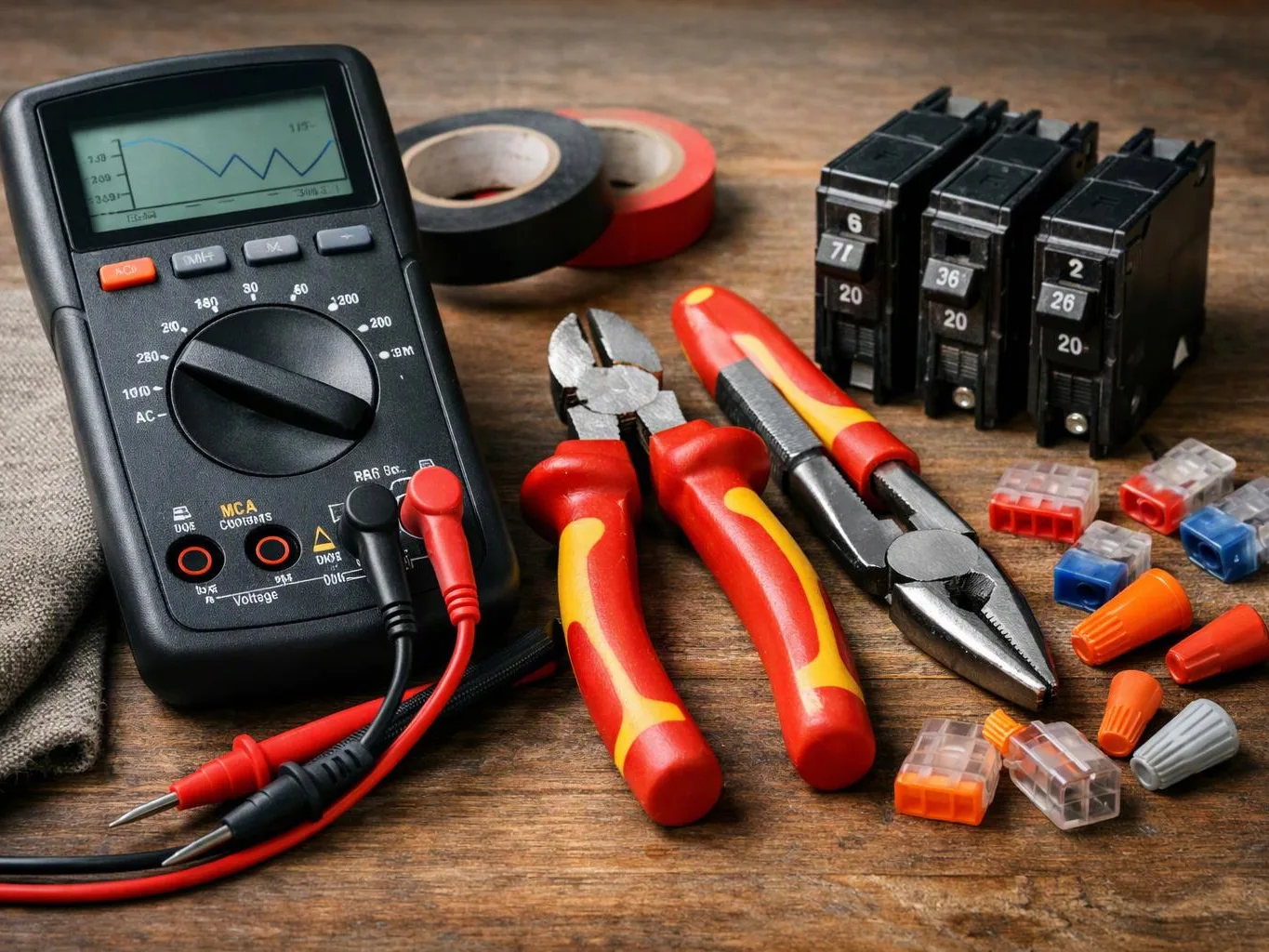
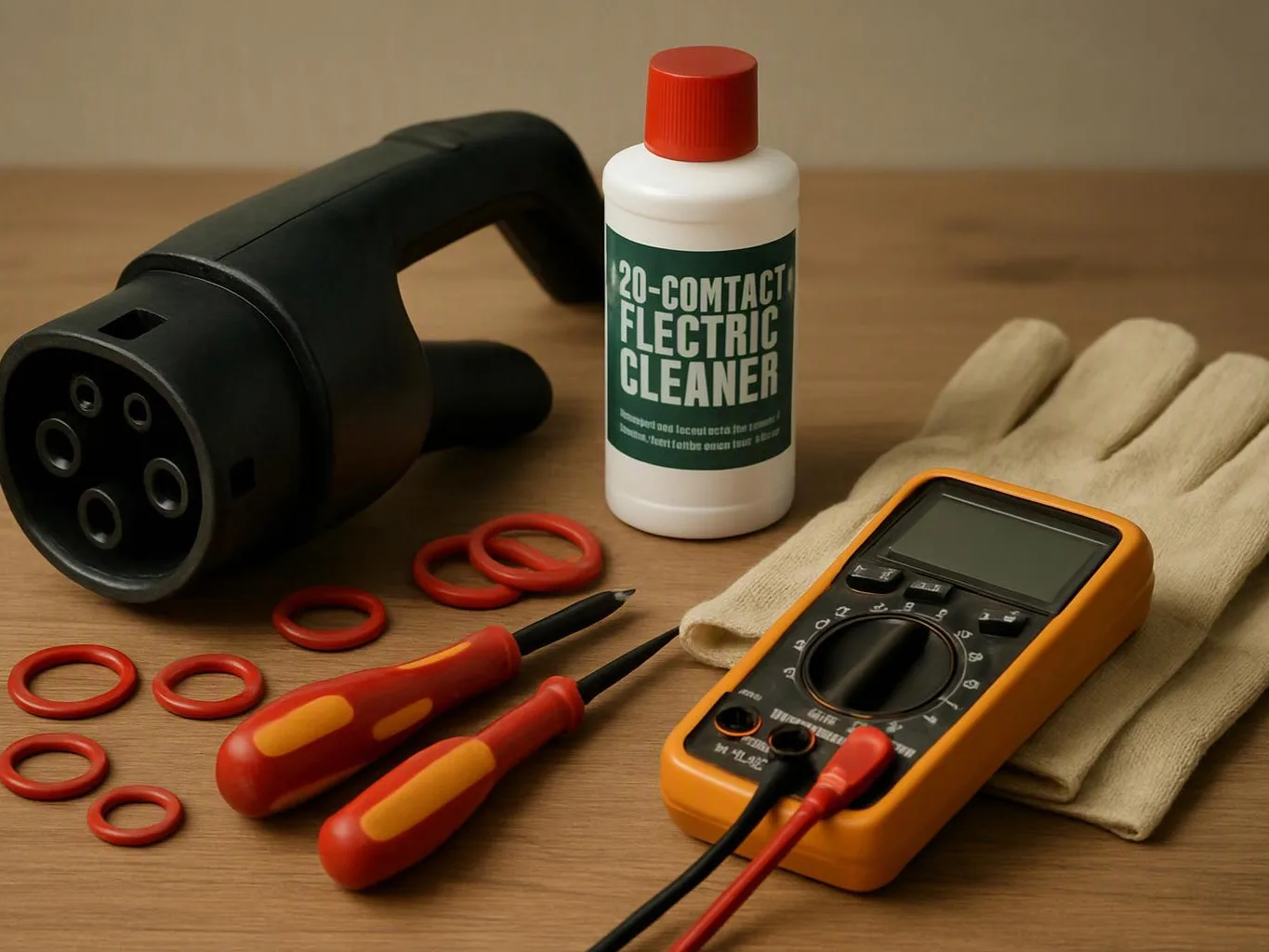
Electrical repair tools and parts lie on a wooden table, including a connector, cleaner bottle, gloves, multimeter

ZIP Codes We Serve in Whitestown, Indiana

46075

Electrical Safety Inspection in Other Areas

(317) 608-1220