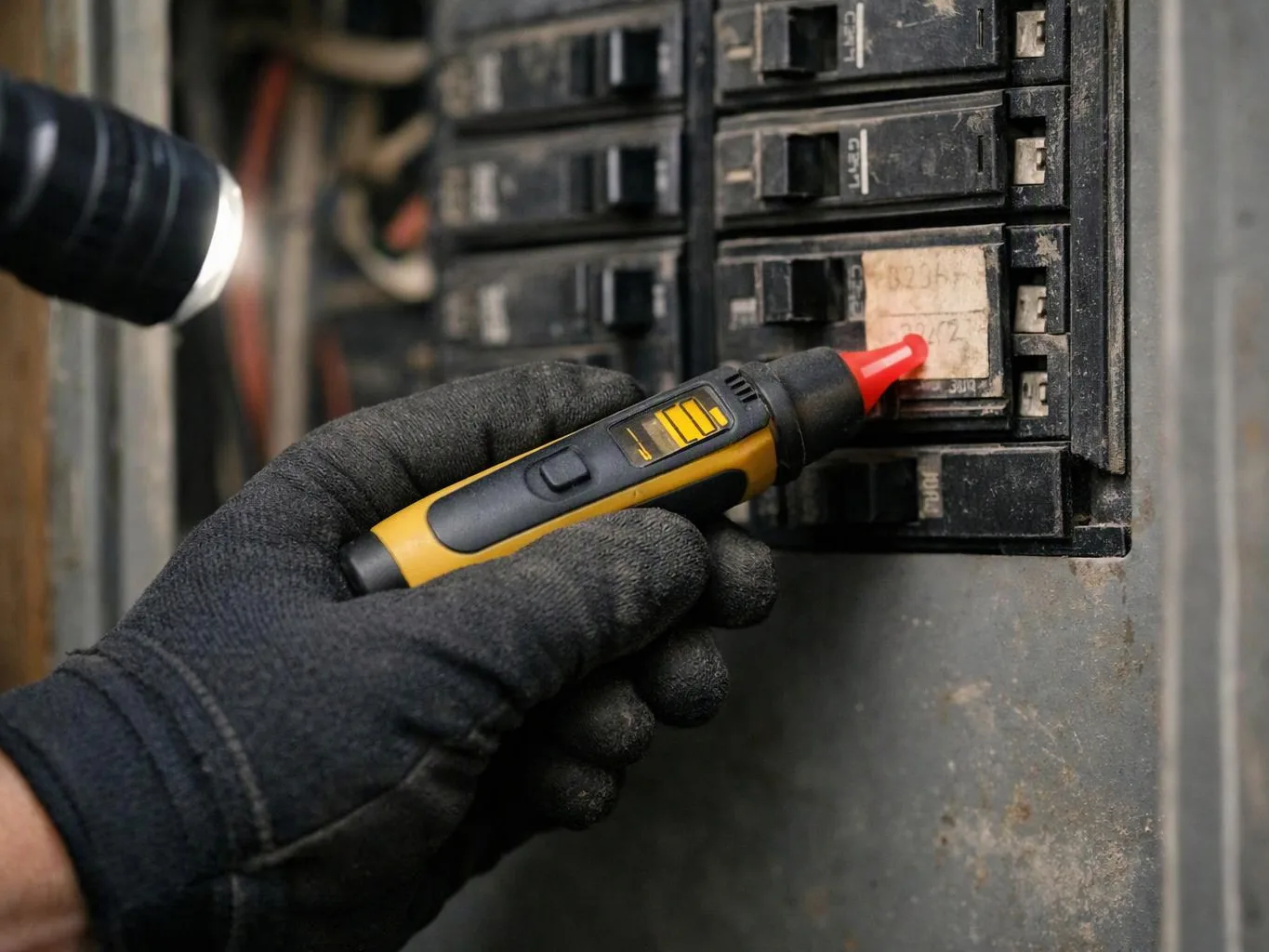
What are the signs that home wiring needs repair?
Frayed insulation, flickering lights, burning odors, and warm outlets can signal wiring trouble. GMB Electric checks the affected circuit, connections, and accessible cable to identify the source. Stop using an outlet that smells burned, sparks, or feels hot. Share the symptom and its location when you request an assessment.
Which part of the property decides the scope of wiring repair?
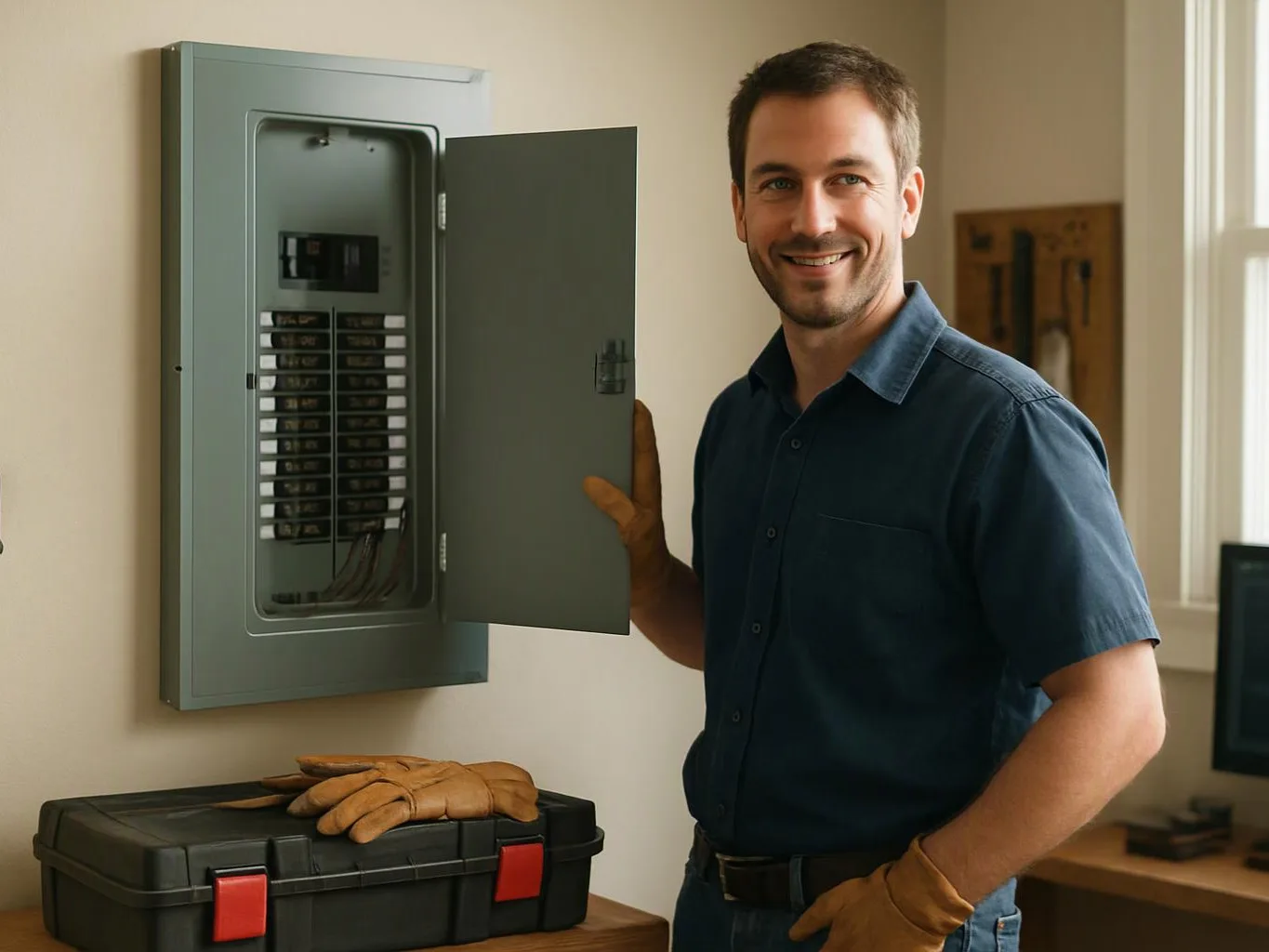
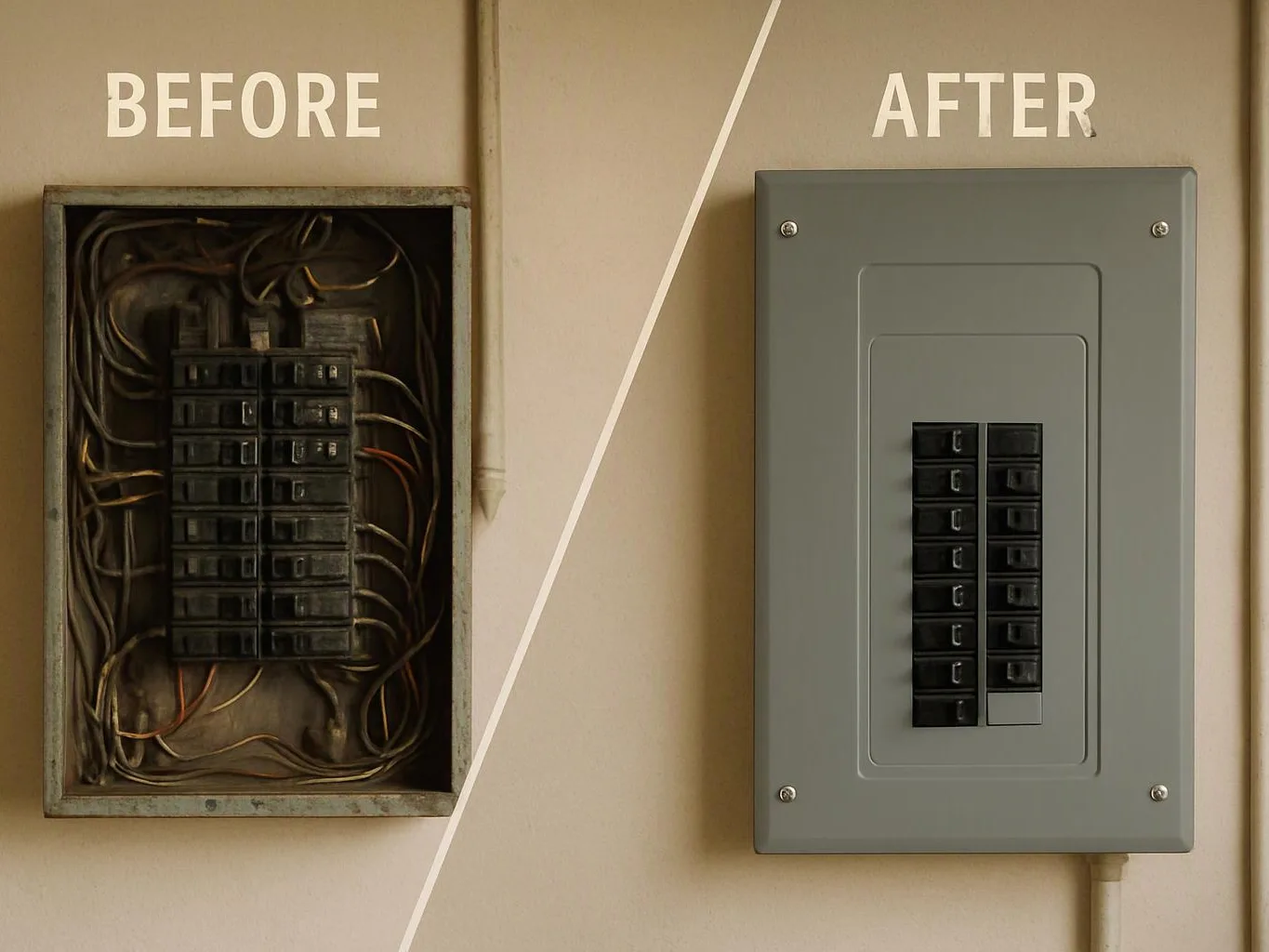
The affected circuit decides the initial repair scope. The panel, cable path, junction boxes, outlets, switches, and connected fixtures all matter. We trace the circuit and inspect accessible points before choosing a local repair or broader rewiring. A panel upgrade becomes a separate discussion when the distribution equipment is the main issue.
Which material changes how long wiring repair takes?
The wiring material and its access points can change the work involved. Copper, aluminum, older cable types, and concealed wiring each require different checks. We identify the material, inspect its connections, and explain the repair path. The location behind finished walls can also affect access and the work scope.
How does a wiring repair visit move from the first call to the last step?
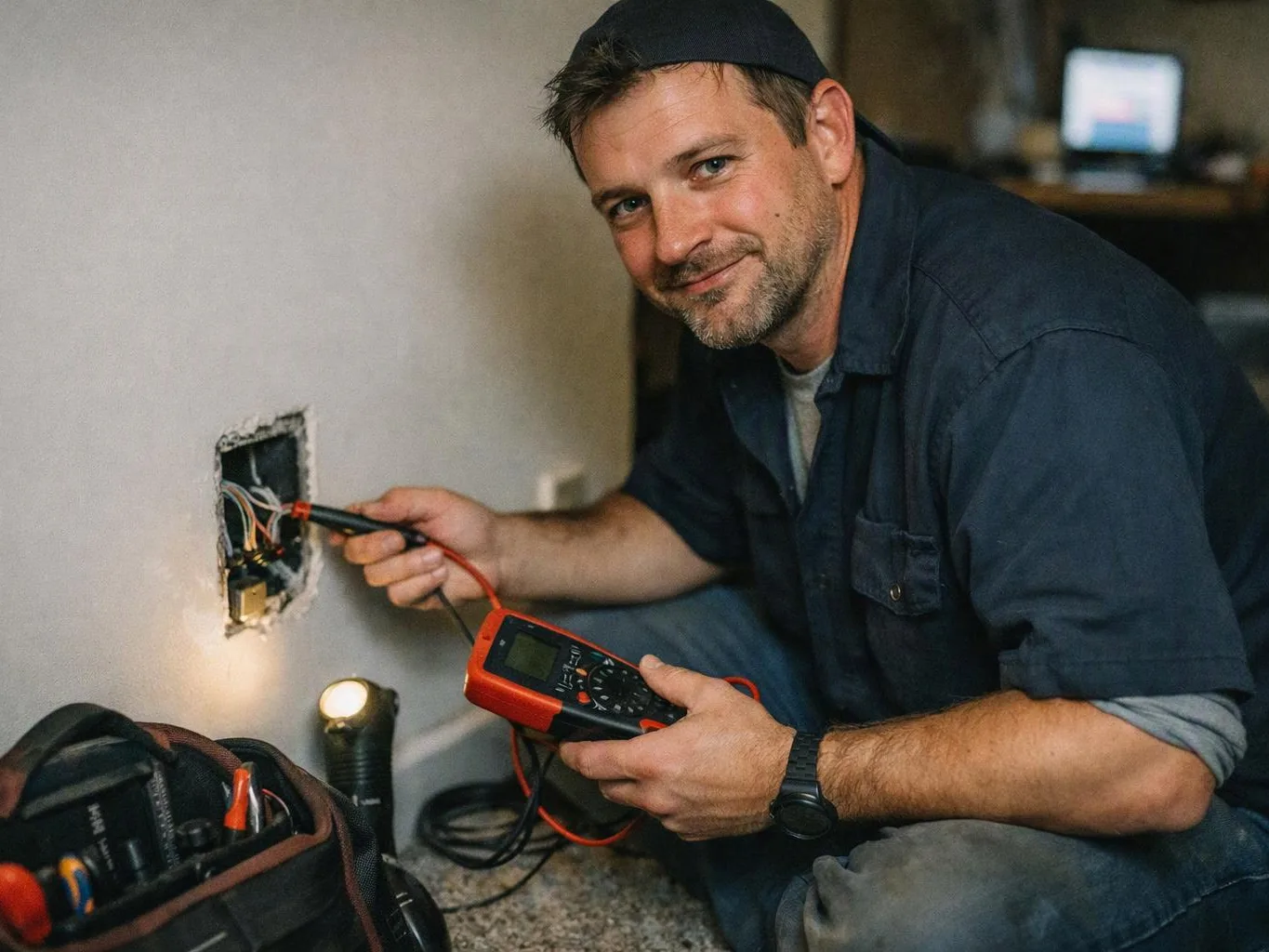
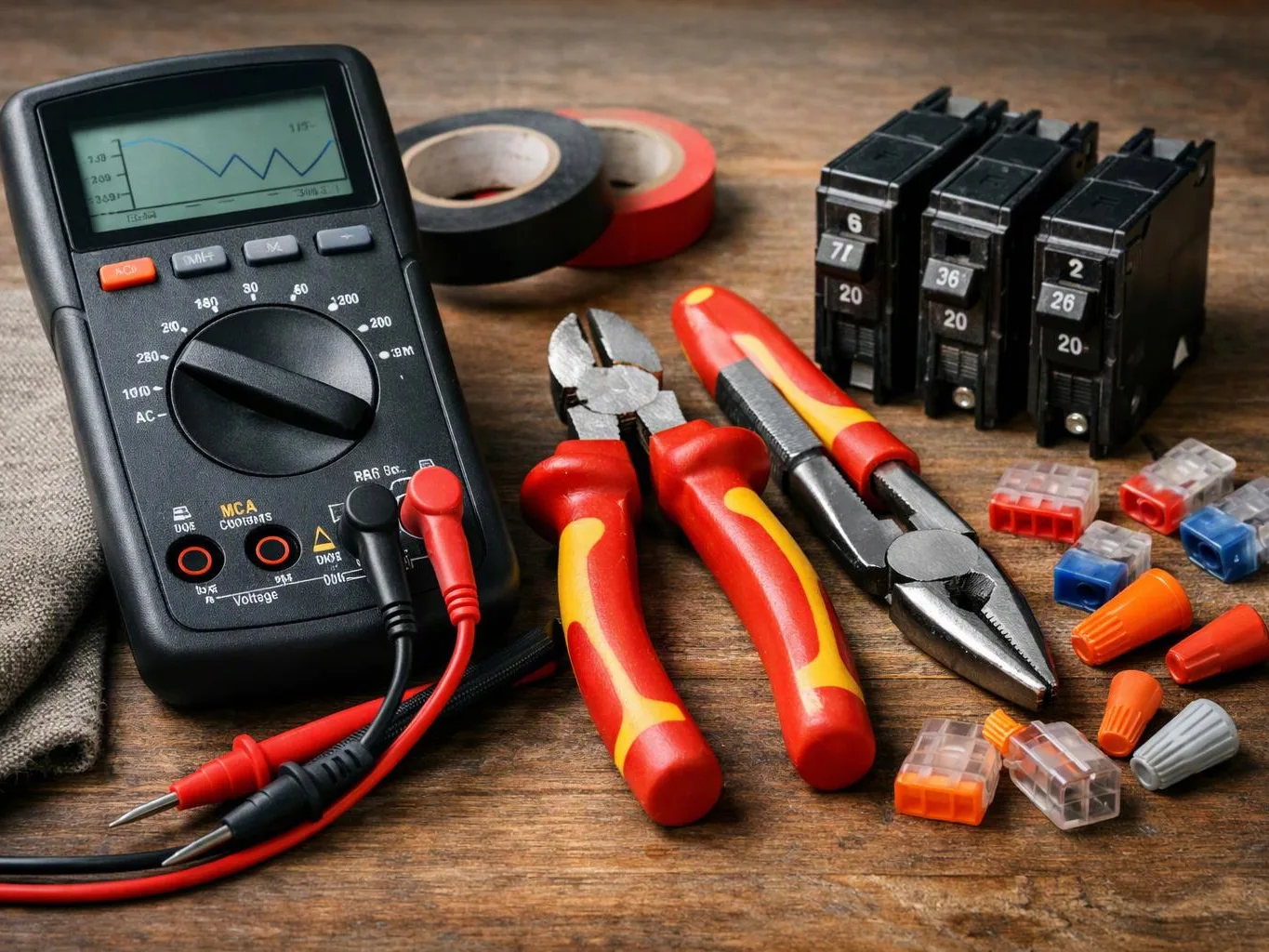
A wiring repair visit moves from symptom review to circuit isolation, tracing, repair, and testing. We first record the affected area and safety signs. Next, we inspect the circuit and set the scope. After the repair, we test the circuit and explain the work completed and any remaining recommendation.
When does a wiring problem need rewiring instead of a local repair?
Rewiring fits when damage extends across the circuit or the existing wiring cannot support a safe repair. We inspect the cable, connections, insulation, and circuit use before making that recommendation. A single damaged connection may need a smaller repair, while widespread deterioration calls for a broader plan.
Why does one outlet feel warm during normal use?
A warm outlet can indicate a loose terminal, overloaded circuit, damaged receptacle, or poor connection. We inspect the outlet, box, wire terminations, and related circuit load. Stop using the outlet if it becomes hot, discolors, smells burned, or sparks. Those signs need prompt electrical attention.