Who installs indoor lights and connects the switches?
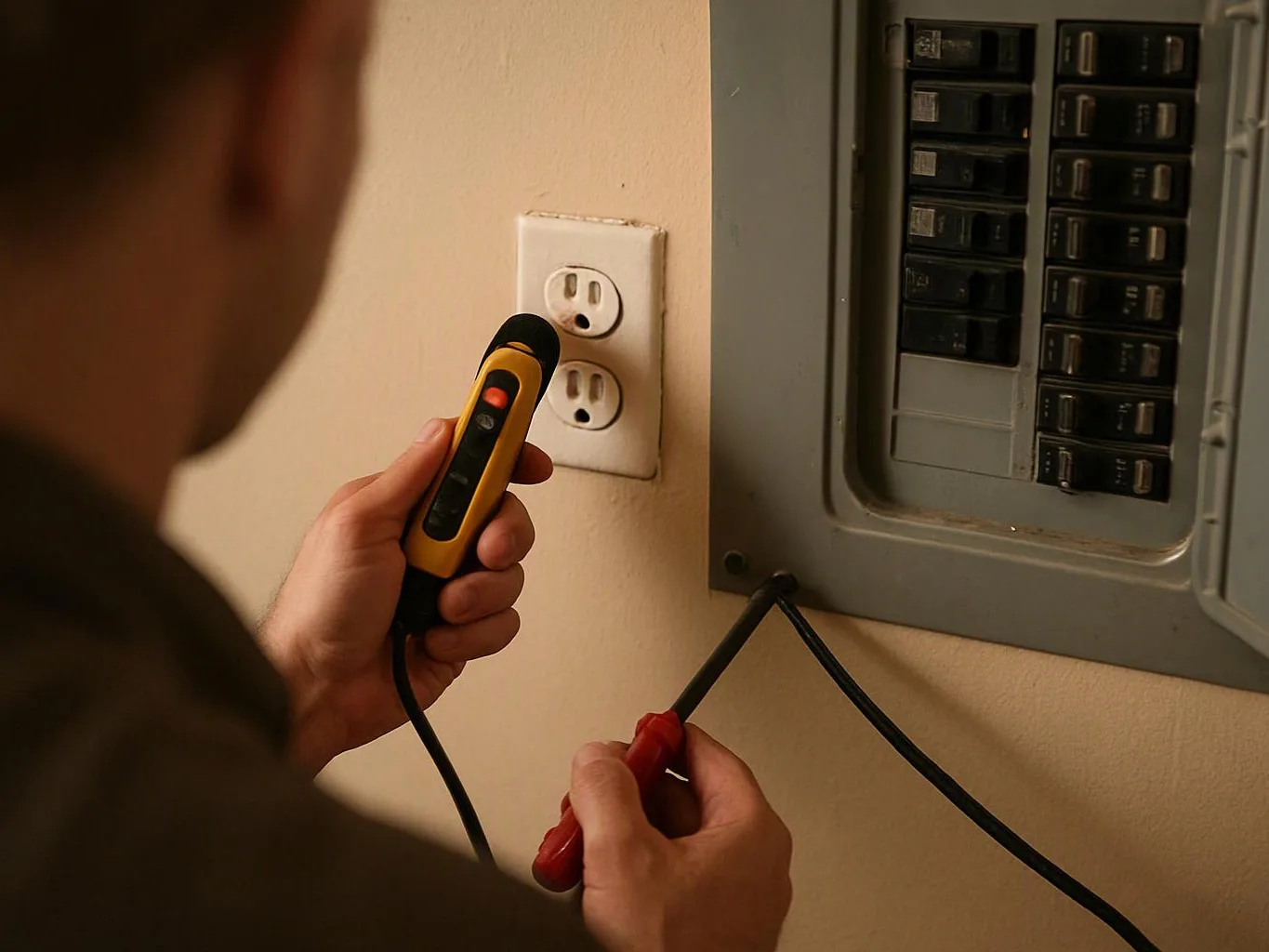
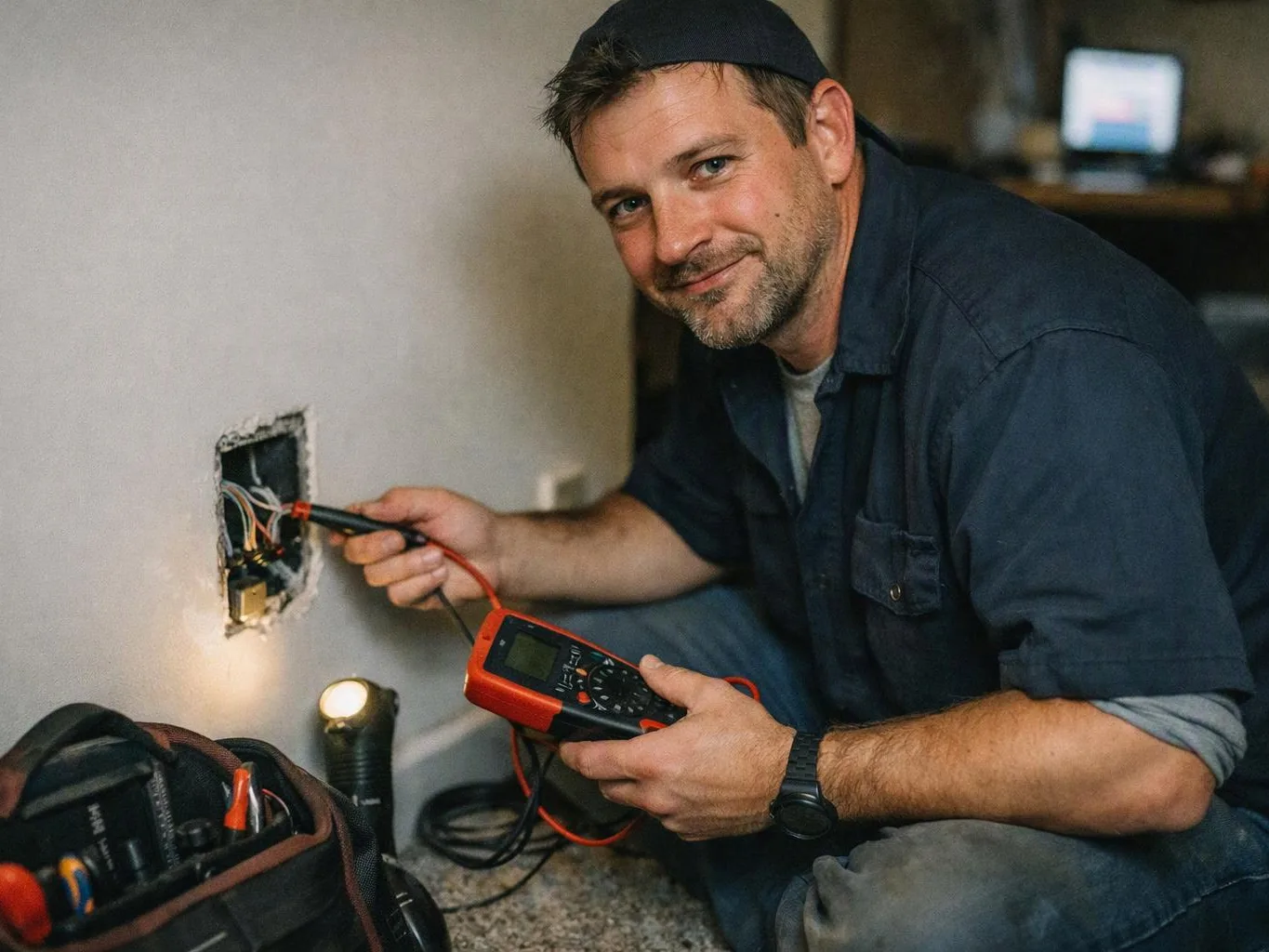
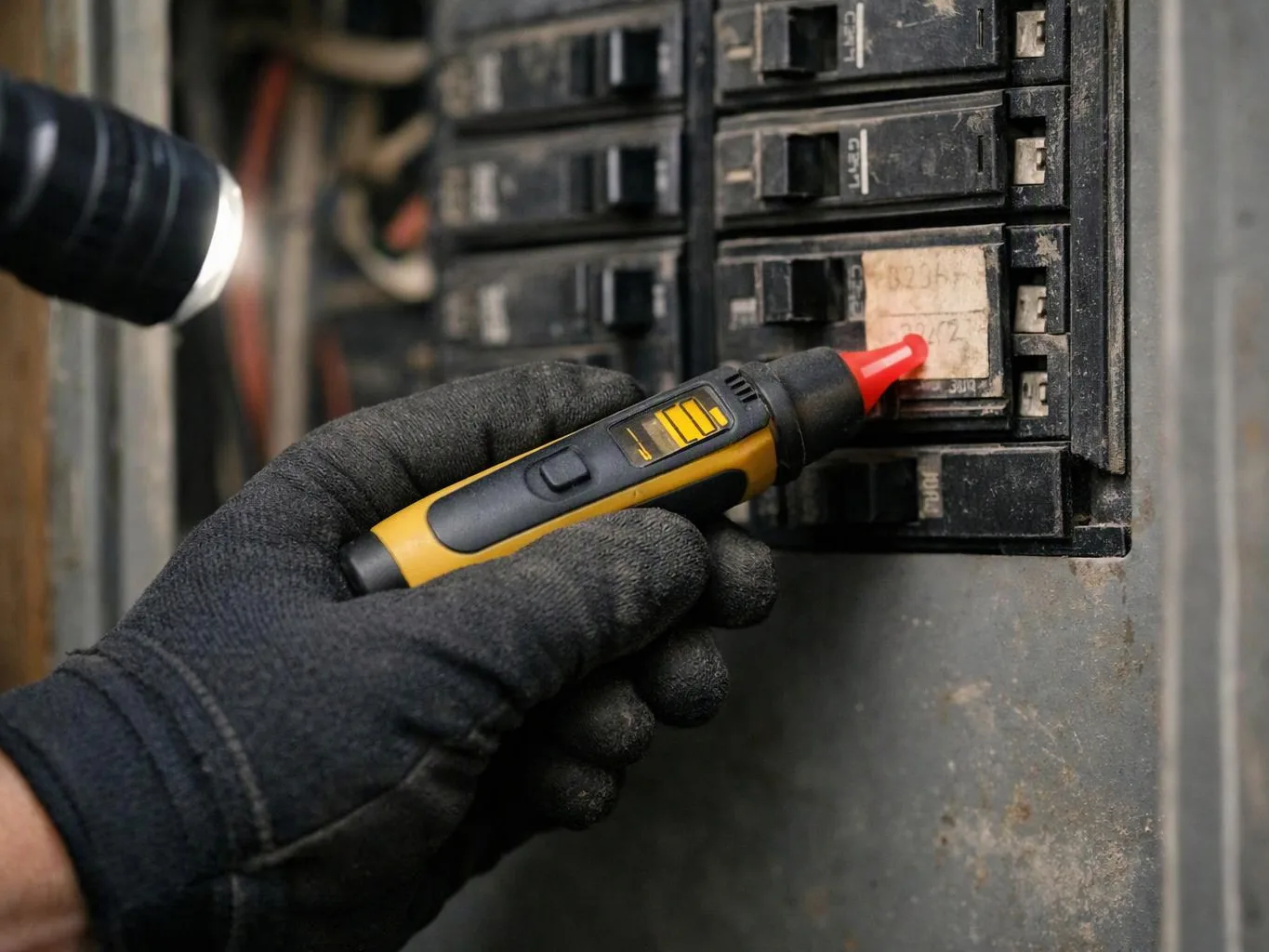
GMB Electric installs indoor fixtures and connects their switches for homes and businesses. The work includes reviewing the room layout, checking the circuit, making the connections, and testing the finished controls. Our licensed and insured electricians also identify wiring conditions that need attention before the lighting installation continues.
How does a lighting visit move from the first call to the last step?
The visit moves from planning and circuit checks to installation and testing. We review the room, fixture locations, switch controls, and current symptoms first. The agreed scope then guides the wiring and fixture work. Testing follows the connections, and we explain any separate electrical repair identified during the assessment.
Which material changes how long indoor lighting installation takes?
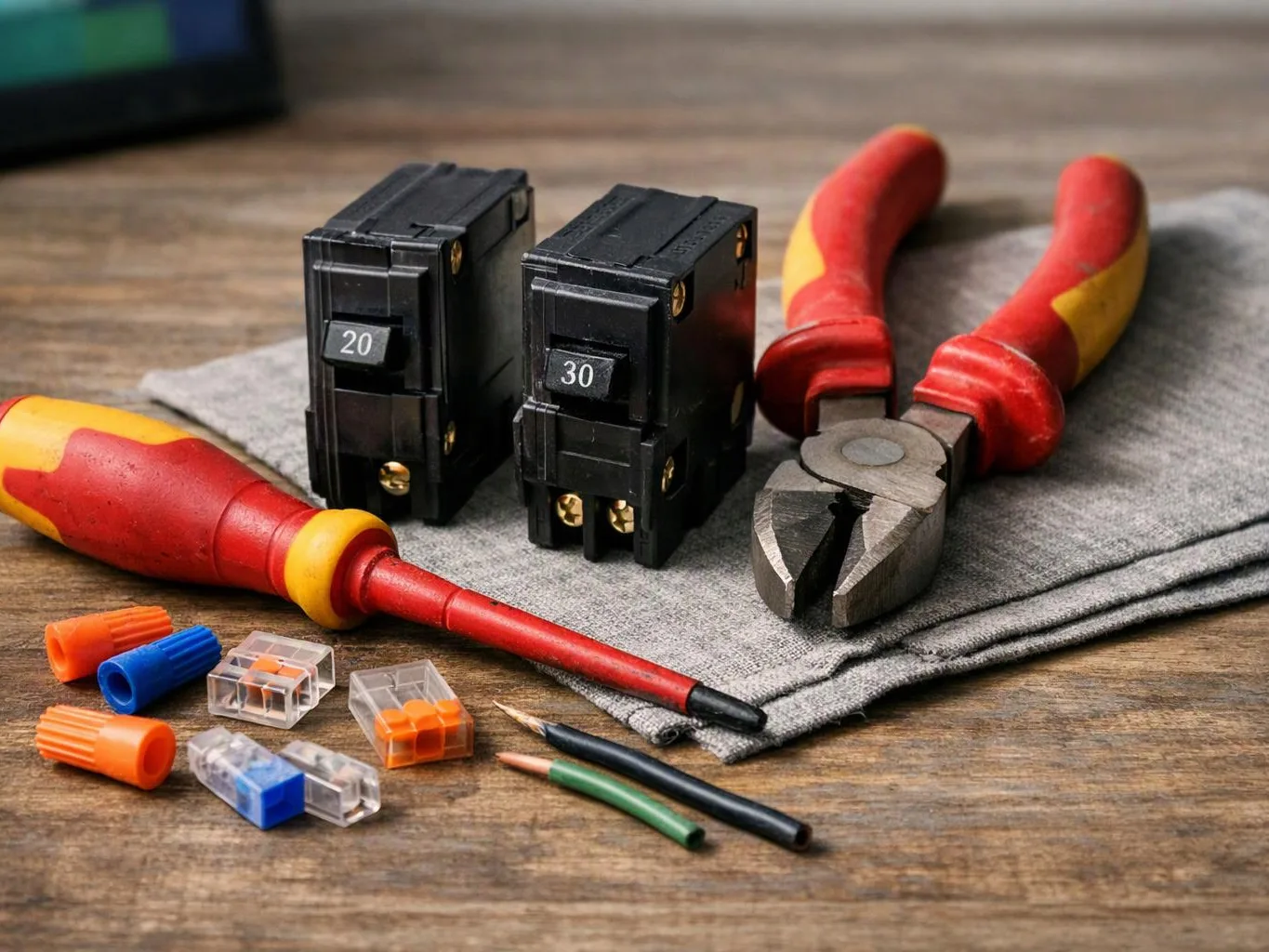
Existing wiring material and access conditions can change the work needed for indoor lighting installation. Copper or aluminum wiring, finished ceilings, wall access, and the fixture type all affect the installation steps. We inspect the accessible wiring and layout first, then explain any repair or access work that belongs in the quote.
When does indoor lighting installation fit a property?
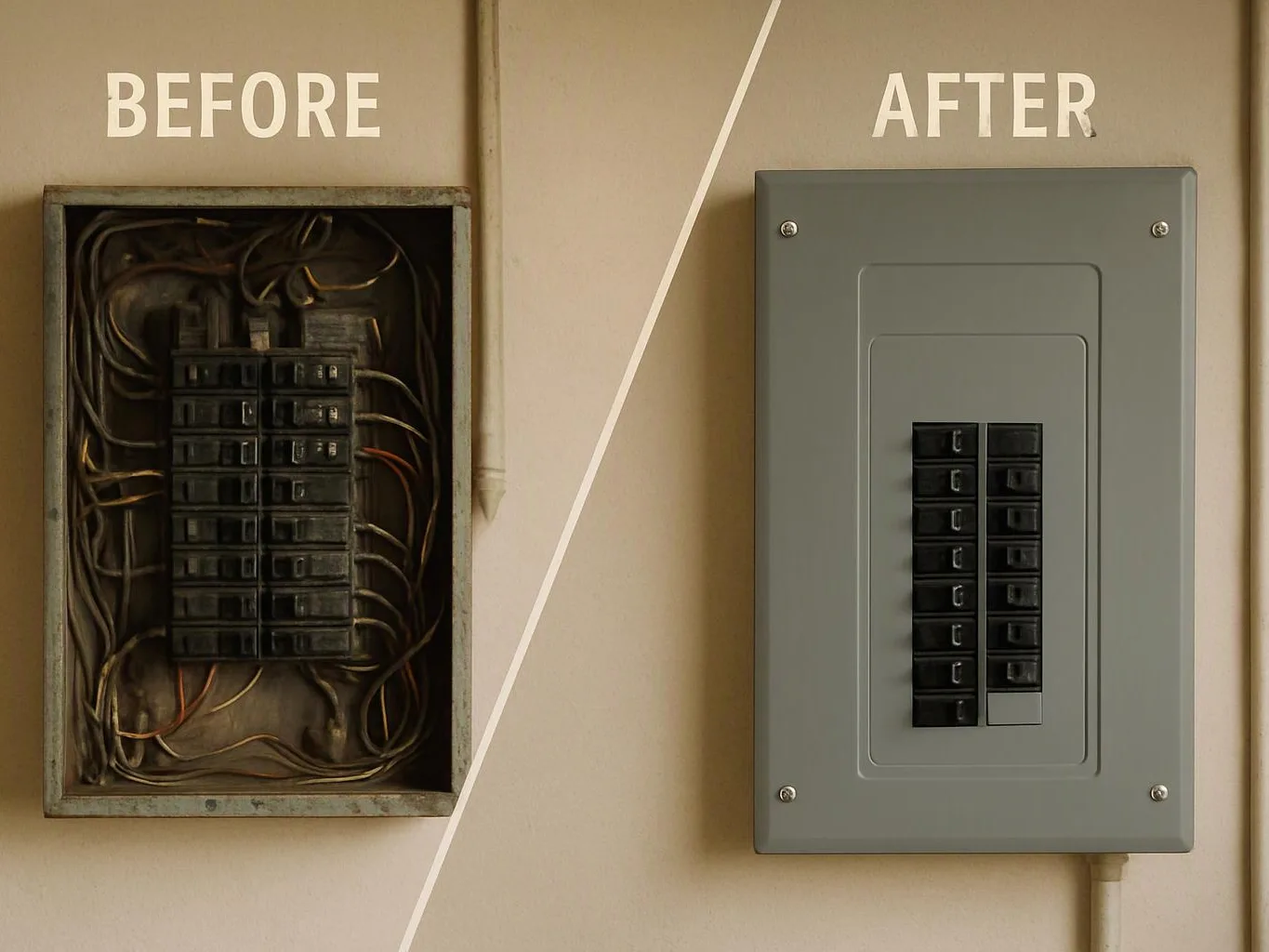
Indoor lighting installation fits a property when the goal is to add, replace, relocate, or improve interior fixtures and controls. The service suits homes, businesses, remodels, and room updates. A panel fault, burning smell, sparking outlet, or unsafe wiring condition needs electrical troubleshooting before new lighting work begins.
What changes the price of a lighting installation quote?
Fixture count, fixture type, switch changes, wiring access, circuit condition, and repair needs change the quote. A recessed fixture may require different access work than a surface-mounted light. We review the room and electrical layout, then provide a scope-based quote. Free estimates are available.
Why do indoor lights flicker after a new fixture is installed?
Flickering after a new fixture is installed often points to a loose connection, faulty switch, incompatible control, or circuit fault. We check the fixture, switch, wiring, and circuit behavior to isolate the cause. Turn the light off if it buzzes, heats up, sparks, or produces a burning smell.