Who installs recessed ceiling lights for homes and businesses?
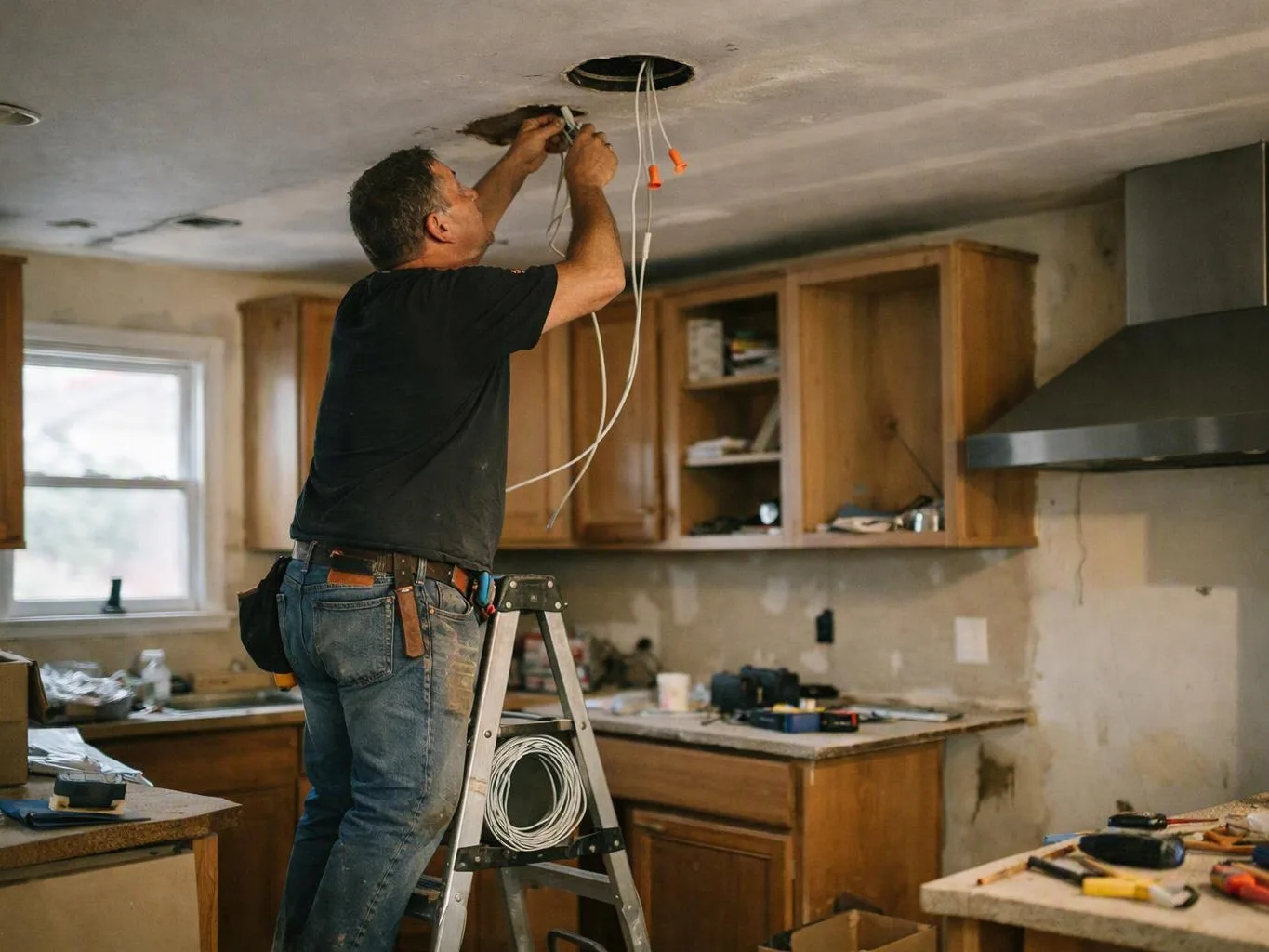
GMB Electric installs recessed ceiling lights for residential and commercial properties. We review fixture placement, ceiling access, wiring, switches, and circuit operation before completing the work. Our licensed and insured electricians also handle related lighting installation, troubleshooting, and electrical inspections when the project needs broader service.
How does the lighting visit move from the first call to the last step?
The visit moves from a room review to wiring checks, fixture placement, installation, and testing. We start by discussing the lighting goal and checking access. Next, we trace the circuit and set the scope. After installation, we test the lights and controls and explain any remaining electrical needs.
What makes recessed lighting fit one property but not another?
Ceiling access, circuit capacity, room layout, and switch placement decide whether recessed lighting fits the property. We inspect those points before installation. Tight access or an overloaded circuit can change the work scope, so we explain the available approach before connecting new fixtures.
Which part of a property decides the lighting scope?
The ceiling structure and existing electrical circuit usually decide the lighting scope. We check access above the ceiling, fixture locations, wiring paths, switch controls, and panel capacity. Those findings determine whether the work stays within lighting installation or includes circuit, panel, or wiring service.
When should a lighting issue become an urgent electrical call?
A lighting issue becomes urgent when it includes a burning smell, sparking, a buzzing panel, or repeated breaker trips. Stop using the affected circuit when it is safe to do so, and request emergency electrical service. We inspect the hazard before any planned lighting work continues.
Why do recessed lights fail more often than expected?
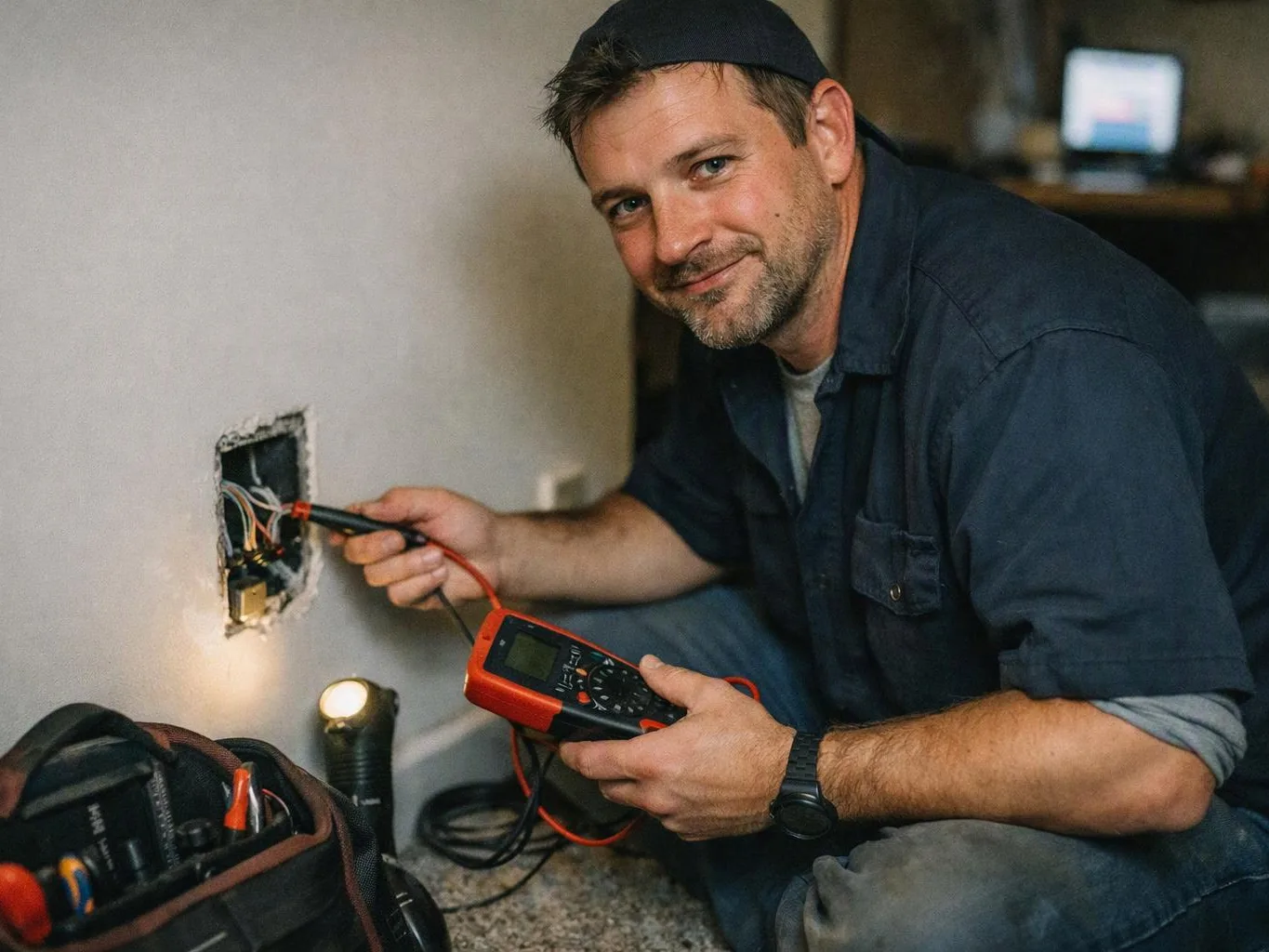
Frequent recessed light failure can result from a loose connection, a faulty control, heat around the fixture, or a circuit issue. We inspect the fixture, switch, wiring, and circuit rather than replacing bulbs without a diagnosis. The repair may involve lighting parts or broader electrical troubleshooting.
What information helps set the lighting work scope?
Room photos, ceiling access details, current switch locations, and the areas needing more light help define the scope. We also need to know about flickering, dead outlets, or breaker trips near the planned work. That information helps us plan the inspection and explain related electrical needs.