
Map the access areas
We review doors, walkways, parking edges, service areas, and sight lines to identify where added light would help.
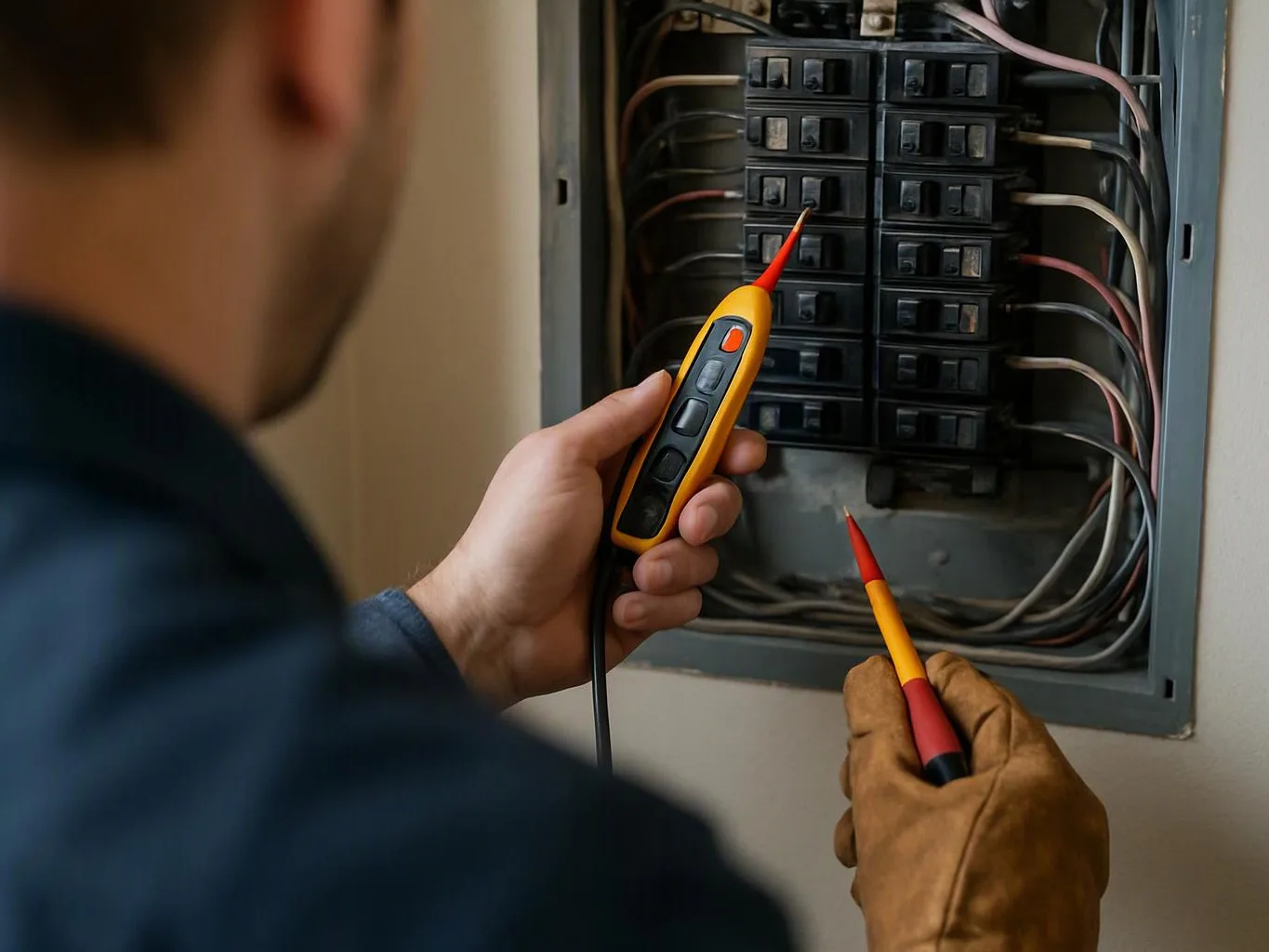
Our electricians check placement, wiring, controls, and safe operation.
Part of Outdoor Lighting Installation
Entry areas gain more usable visibility after dark.
Motion controls can limit unnecessary operation.
Proper fixture direction reduces glare across windows and neighboring areas.
Circuit and control checks help identify faults before installation is finished.
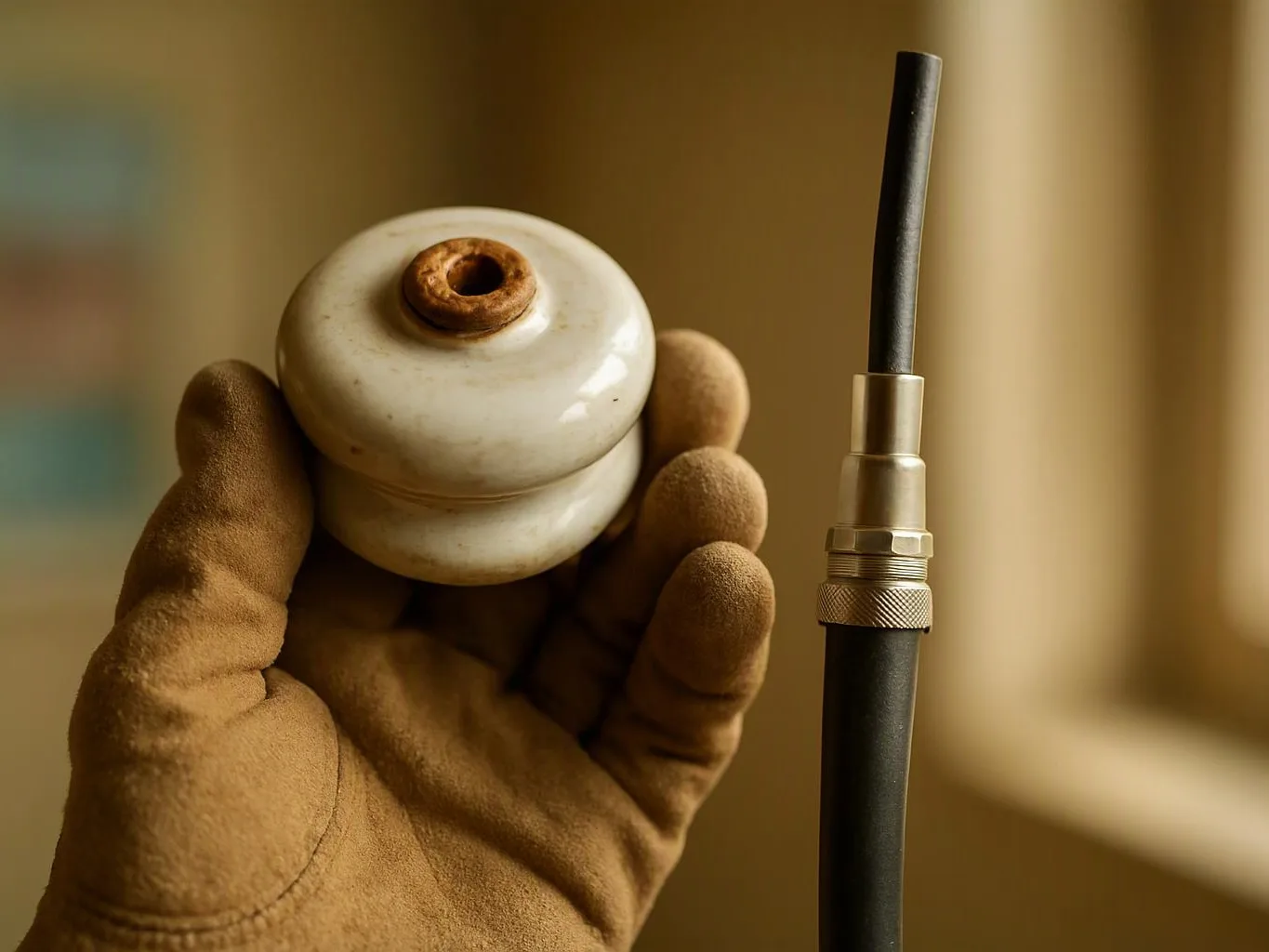
Security lighting installation focuses on visibility and control around places where people enter, leave, or move near a property. We work with outdoor fixtures, wall switches, motion sensors, existing circuits, and new wiring where needed. The layout matters as much as the fixture. A light aimed at a window can create glare, while a sensor pointed toward a busy access path can trigger too often. We review the intended coverage and check how the control should respond. Our deeper focus is failure diagnosis. We trace flickering, false activation, dead fixtures, and weak coverage back to the fixture, control, connection, or circuit. Then we explain whether the job calls for repair, adjustment, or new installation.
We review doors, walkways, parking edges, service areas, and sight lines to identify where added light would help.
We inspect the available circuit, junction points, switch location, and wiring path before connecting new equipment.
We choose placement and control operation based on coverage, glare, movement, and the customer's preferred use.
We mount the fixture, connect the wiring, and fit the selected switch or motion control with attention to safety and local requirements.
We test switching, sensor activation, fixture output, and unwanted triggers, then provide clear recommendations for any remaining issue.
A few details help us assess the lighting layout and electrical access before work begins.
We diagnose sensor, fixture, switch, and circuit faults before recommending security lighting repairs or changes.
We check mounting, connections, controls, and fixture operation with attention to safety and local requirements.
We explain the lighting layout, identified fault, recommended work, and testing results in plain language.
Tell us about the lighting layout, fixture fault, or access area, and urgent requests get priority scheduling.
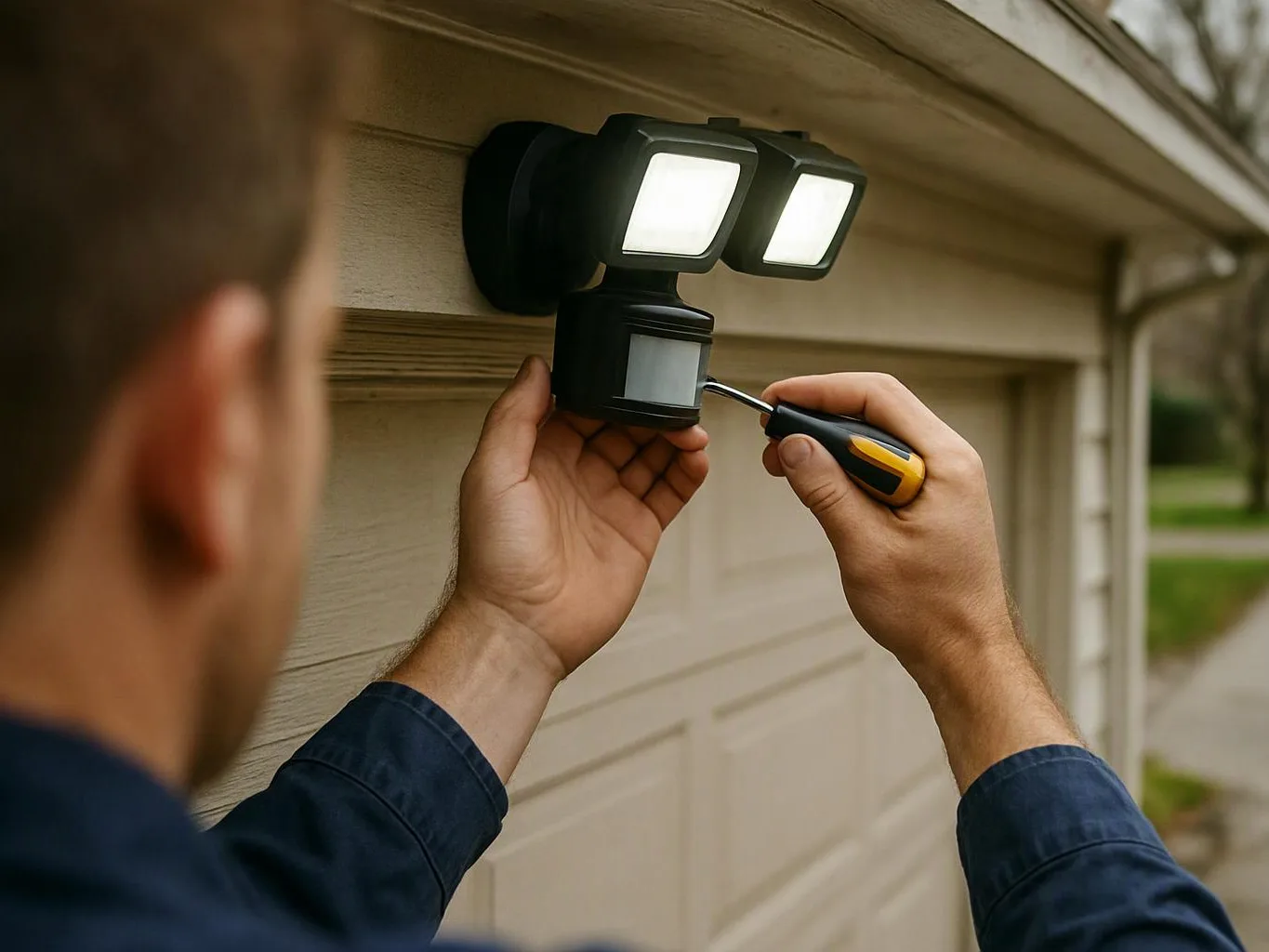
A home or business may have a working light that still leaves an entry, side door, or walkway poorly covered. Fixture angle, mounting position, and circuit access all affect the result. Mark the area that stays dark and share any existing light photos, so we can assess placement and the wiring path.
A motion fixture can activate from traffic, shifting heat, or movement outside the intended zone. The problem may sit in sensor direction, control settings, or the circuit itself. We inspect those points and test the coverage before recommending an adjustment, control repair, or new installation.
Flickering can signal a loose connection, damaged fixture, or fault in the supplying circuit. Outdoor exposure also makes sound connections and secure mounting important for long-term operation. Turn the light off if it smells hot or shows visible damage, then request an electrical inspection from our team.