Shielded fixtures can direct light toward the property while limiting glare into windows and nearby sight lines. GMB Electric checks the fixture angle, mounting point, light spread, and motion settings. We adjust the existing setup when the parts remain sound. A damaged or poorly suited fixture may need replacement so the final pattern supports visibility.
Who installs security lighting for homes and businesses?
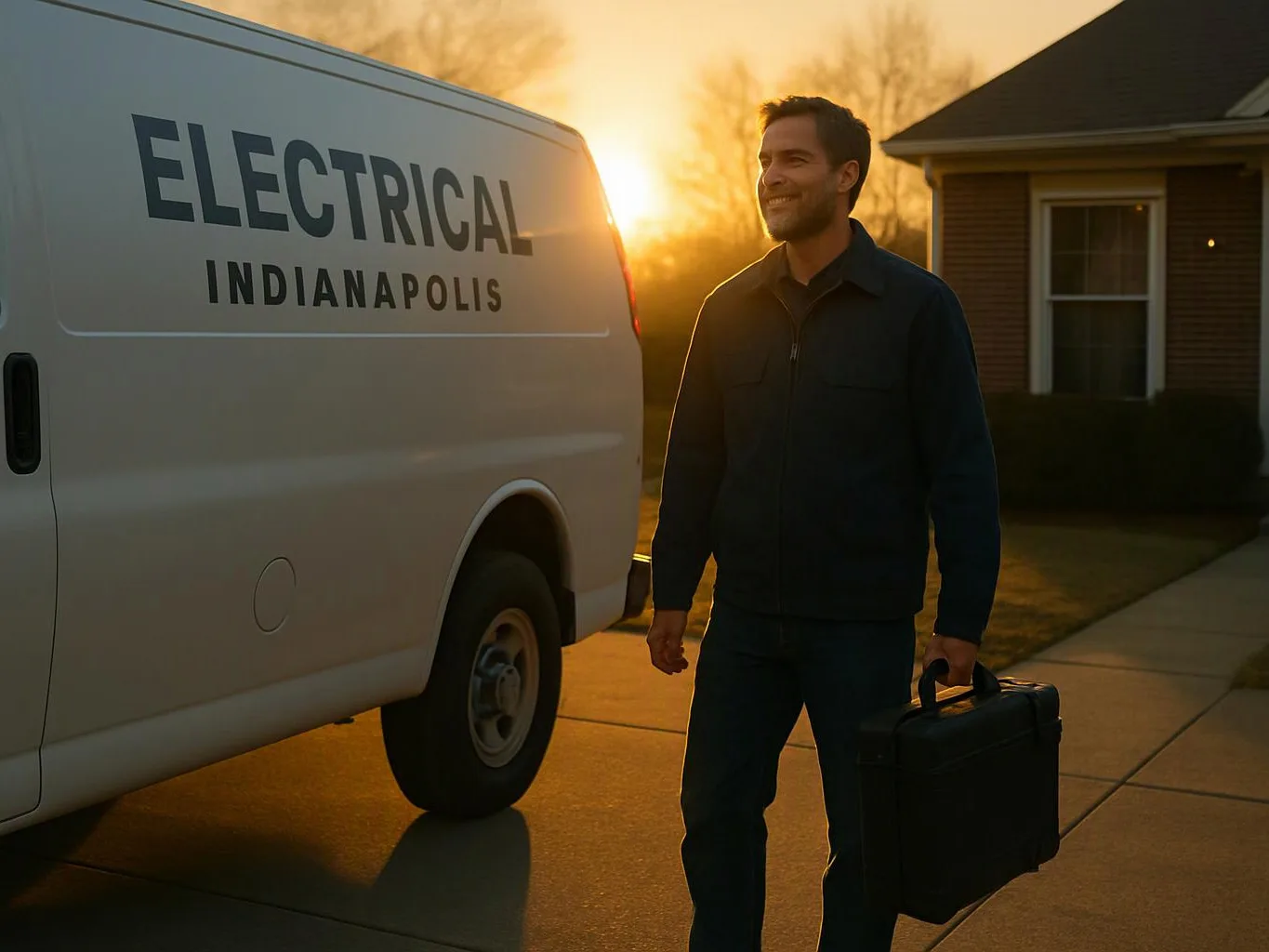
GMB Electric installs security lighting for residential and commercial properties. We handle fixture installation, wiring checks, switch work, motion controls, and testing. Our licensed and insured electricians also provide related electrical repairs and inspections when the lighting issue connects to a wider problem.
Which material changes how long security lighting work takes?
The existing wiring and mounting surface often have the greatest effect on the work time. We check whether the fixture has usable power, whether the access point is clear, and whether the mounting area can support the light. New wiring, damaged connections, or difficult access can add work to the installation.
How does a security lighting visit move from the first call to the last step?
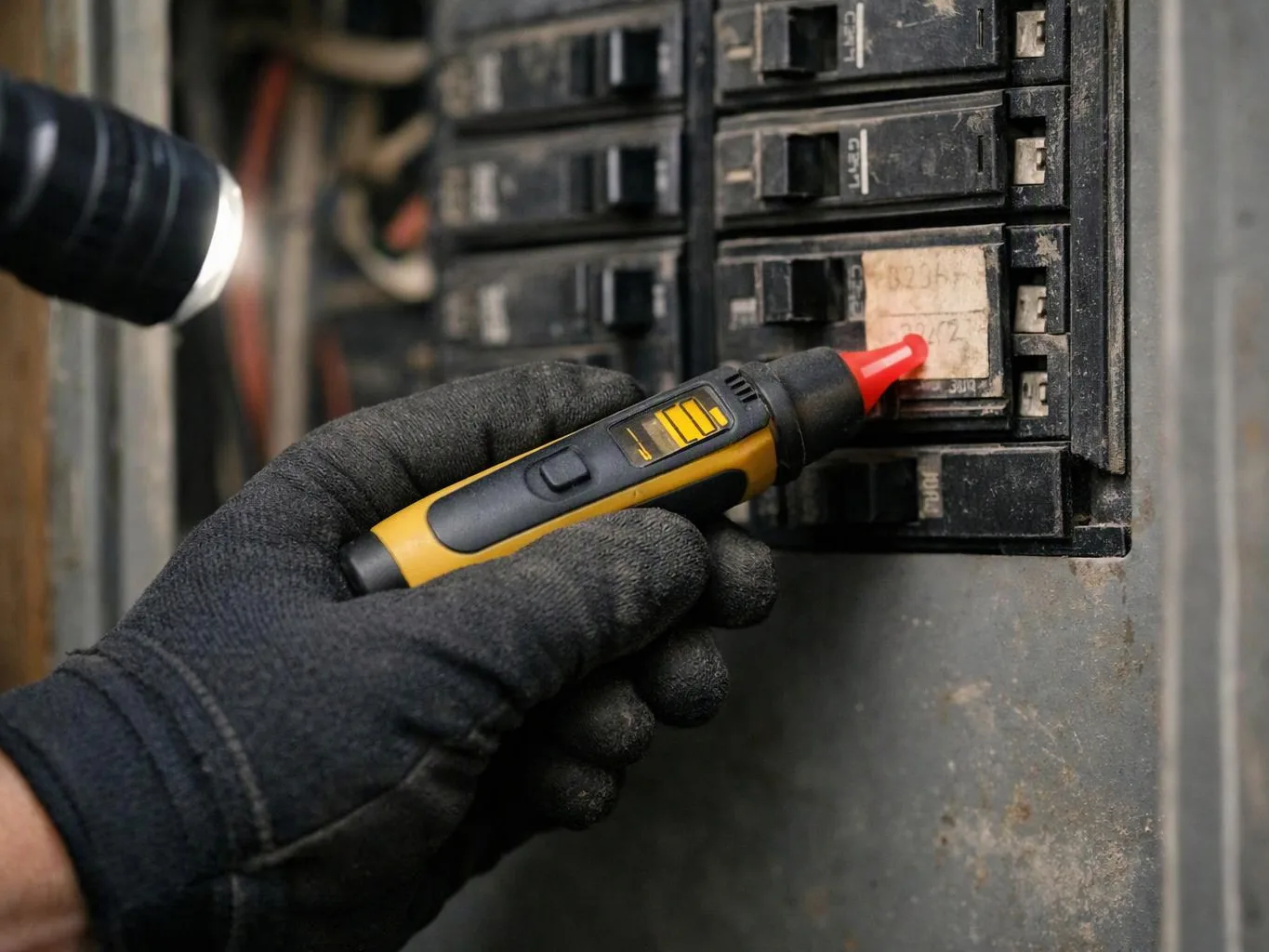
The visit moves from an electrical check to scope planning, installation or adjustment, and final testing. We first review the fixture, power, placement, and controls. Next, we explain the recommended work and provide an estimate. After the work, we test activation, aiming, and the light pattern.
When does security lighting fit a property?
Security lighting fits a property when better visibility is needed around access points, paths, parking areas, or work entrances. We review the layout, existing power, fixture position, and control needs. The service is a poor fit when the main concern involves locks, doors, cameras, or another system outside electrical lighting.
Why do security lights turn on but leave dark areas?
Poor placement, limited light spread, or incorrect motion settings can leave dark areas after activation. We inspect the fixture direction, sensor range, wiring, and nearby obstructions. Our recommendation may involve aiming the light, changing its control settings, or replacing a fixture that cannot cover the needed area.