What Is a Conduit?
A conduit is a protective tube or channel that routes electrical wires and shields them from physical damage, moisture, and other site conditions. Conduit may be made from metal or plastic, and it can run through walls, across ceilings, underground, or along exposed surfaces. Its size and path must suit the wiring inside.
Quick Facts About Conduit
Category
Electrical wiring protection
Used for
Routing and shielding conductors
Common confusion
Conduit is not electrical cable
Often discussed with
Electrical Wiring Repair, Electrical Code Correction
Key Takeaways About Conduit
- Conduit forms a protective path around electrical conductors.
- Metal and plastic types suit different installation conditions.
- Conduit is not the same as the wire inside it.
How Conduit Works
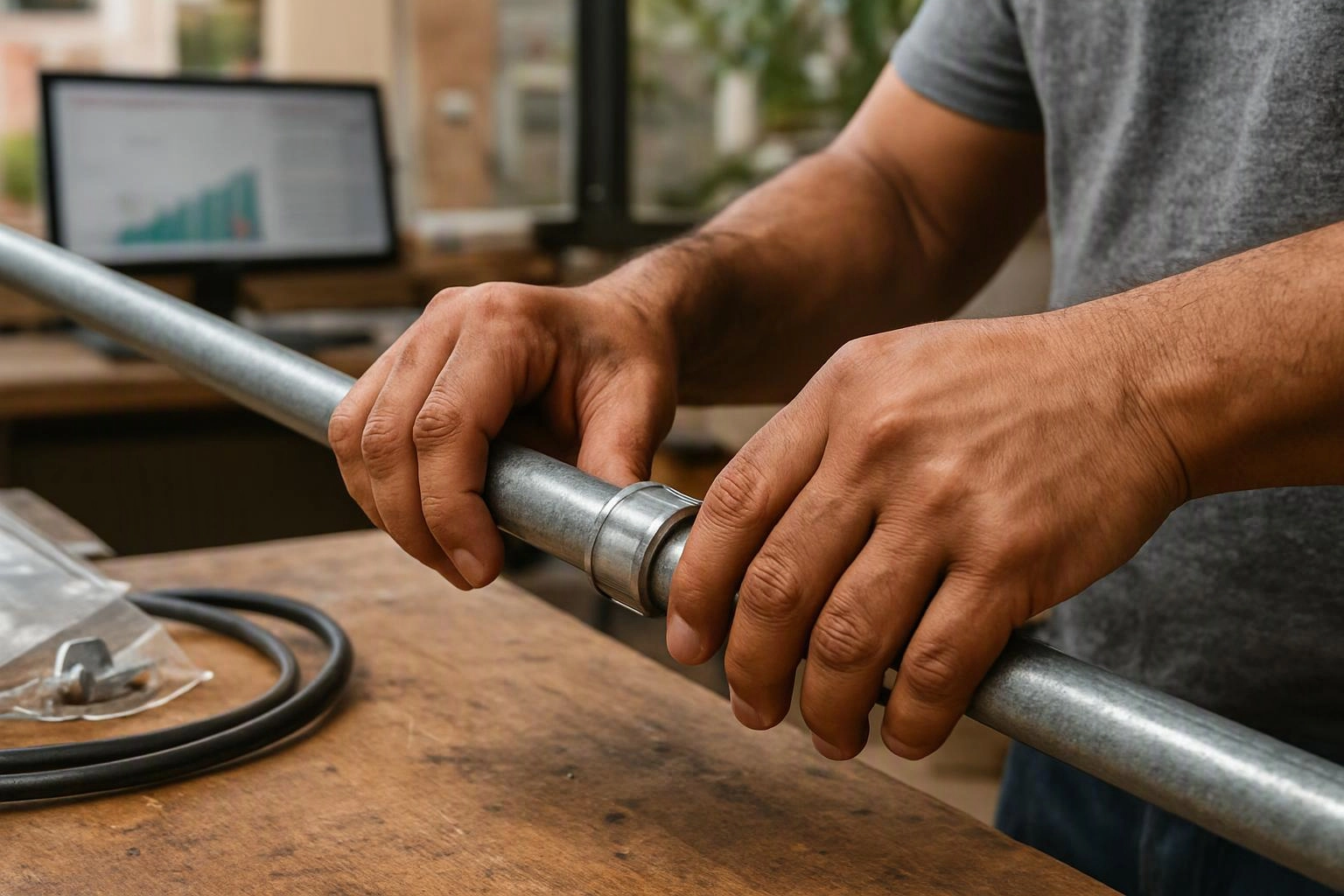
Conduit works by providing a continuous route for insulated electrical conductors. Installers select a path, fit sections together, and pull or place the wires through the finished route. The enclosure helps keep wires organized and reduces exposure to impacts, abrasion, moisture, and other surroundings.
Related glossary terms: Junction Box, Romex, Electrical Grounding.
Metal conduit can add physical protection and may support grounding when installed as part of a suitable wiring system. Plastic conduit resists corrosion and works well in locations where metal is not required. Bends, fittings, boxes, and the available space all affect how the route is assembled. Junction boxes provide access where conductors change direction or connect.
From the GMB Electric team
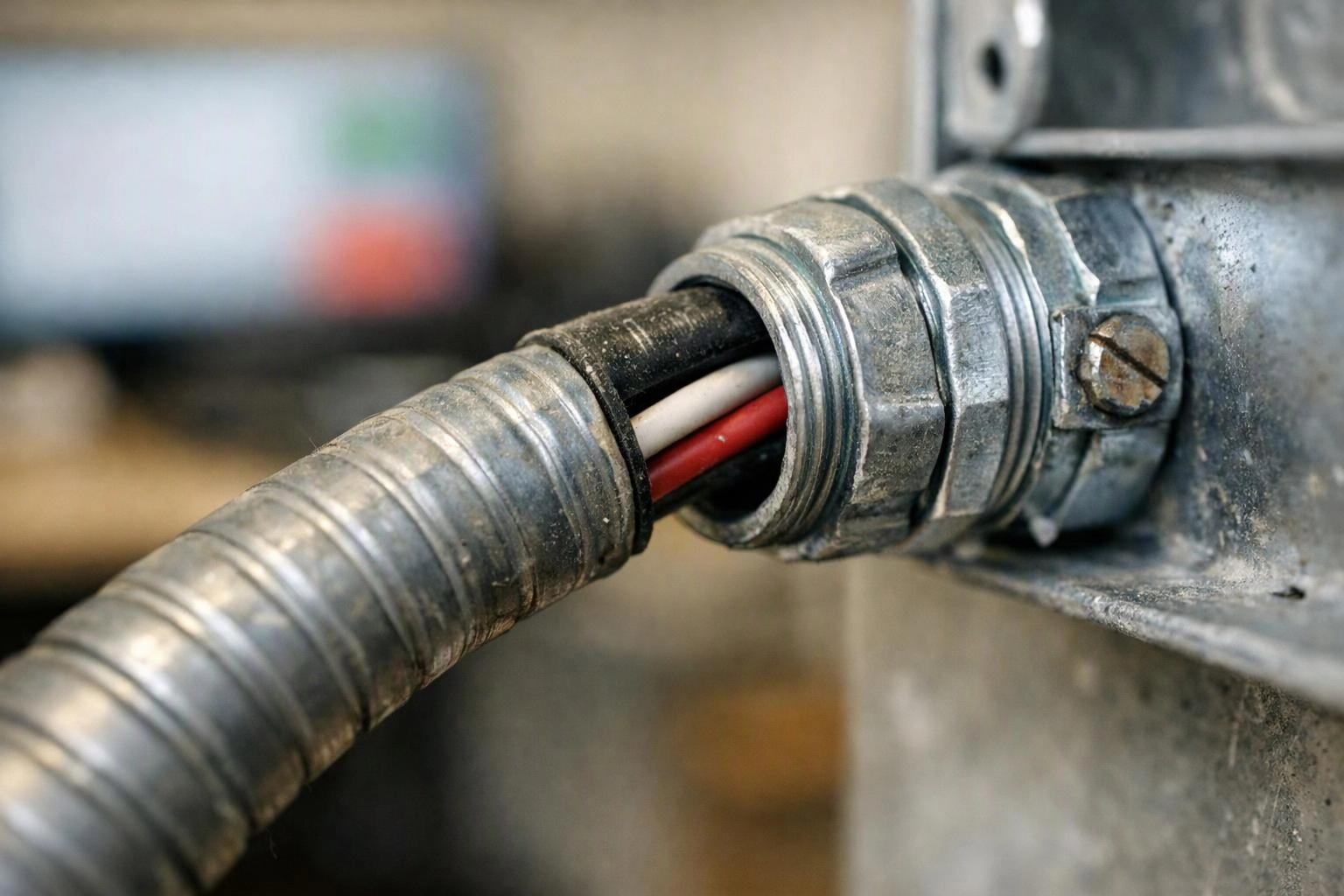
When we inspect conduit during Electrical Wiring Repair, we check its path, fittings, supports, and entry points. We also examine the conductors inside for damage, loose connections, moisture exposure, or signs that the route no longer suits the wiring. Our team documents conditions before recommending a repair.
Conduit in Practice: A Real-World Example
A damaged conduit section near a garage wall can leave the wires inside exposed to impact or moisture. An electrician may open the accessible connection, inspect the conductors, and repair the route with compatible conduit and fittings.
Related Terms
Junction Box
Junction Box is an enclosed electrical box that protects and contains connections where wires join, split…
Romex
Romex is a common trade name for nonmetallic-sheathed electrical cable used in building wiring. The cable…
Electrical Grounding
Electrical Grounding is the intentional connection of electrical equipment and systems to the earth through a…
Voltage Drop
Voltage Drop is the reduction in electrical potential that occurs as current travels through a conductor…
GMB Electric
Have Questions About Conduit?
Contact GMB Electric for practical guidance on Conduit and related 24 hour electrician work in Indianapolis.