
Skip to content

Bidirectional Charging System Troubleshooting in Avon, Indiana

Communication failure checks help locate why a charger stops moving power in Avon. We test the charger link and related controls.

Licensed & InsuredWarranty AvailableSame-Day ServiceUpfront, Transparent Pricing

Quick Summary: Bidirectional charging system troubleshooting in Avon, Indiana

Bidirectional charging system troubleshooting in Avon is provided by GMB Electric for charger links, power transfer controls, and related electrical faults. We serve homeowners and businesses with 24-hour electrical service.

  • What we do: GMB Electric provides bidirectional charging system troubleshooting for homes and businesses in Avon, Indiana.
  • What is included: We trace communication faults, check grid settings, test transfer relays, inspect inverter faults, and review firmware issues.
  • What you get: The customer receives a clear diagnosis of why power transfer stopped and which repair or next step fits the system.

Why does my bidirectional charger keep losing its power connection?

A communication failure can stop power transfer between the charger, inverter, and control system. We test the link first, then check grid settings, relay action, and firmware status.
Bidirectional charging system troubleshooting for Avon properties

Bidirectional charging system troubleshooting focuses on the buyer question, “Why is my bidirectional charger not transferring power?” The work follows the fault through the charger, inverter, transfer relay, and electrical supply.

A communication failure is one possible cause, but it isn't the only one. We also check grid settings and firmware because a control mismatch can stop power transfer even when the wiring looks sound.

This service fits a property with an installed bidirectional charger that shows warnings, stops during transfer, or fails to send power to the building. It doesn't replace EV charging installation when the equipment has not been installed.

  • Confirm whether the charger starts, stops, or never begins power transfer.
  • Check the communication path between the charger and connected control equipment.
  • Review grid settings and inverter status for transfer faults.
  • Test the transfer relay and inspect firmware-related alerts.
  • Explain whether troubleshooting, repair, or a separate electrical service fits next.
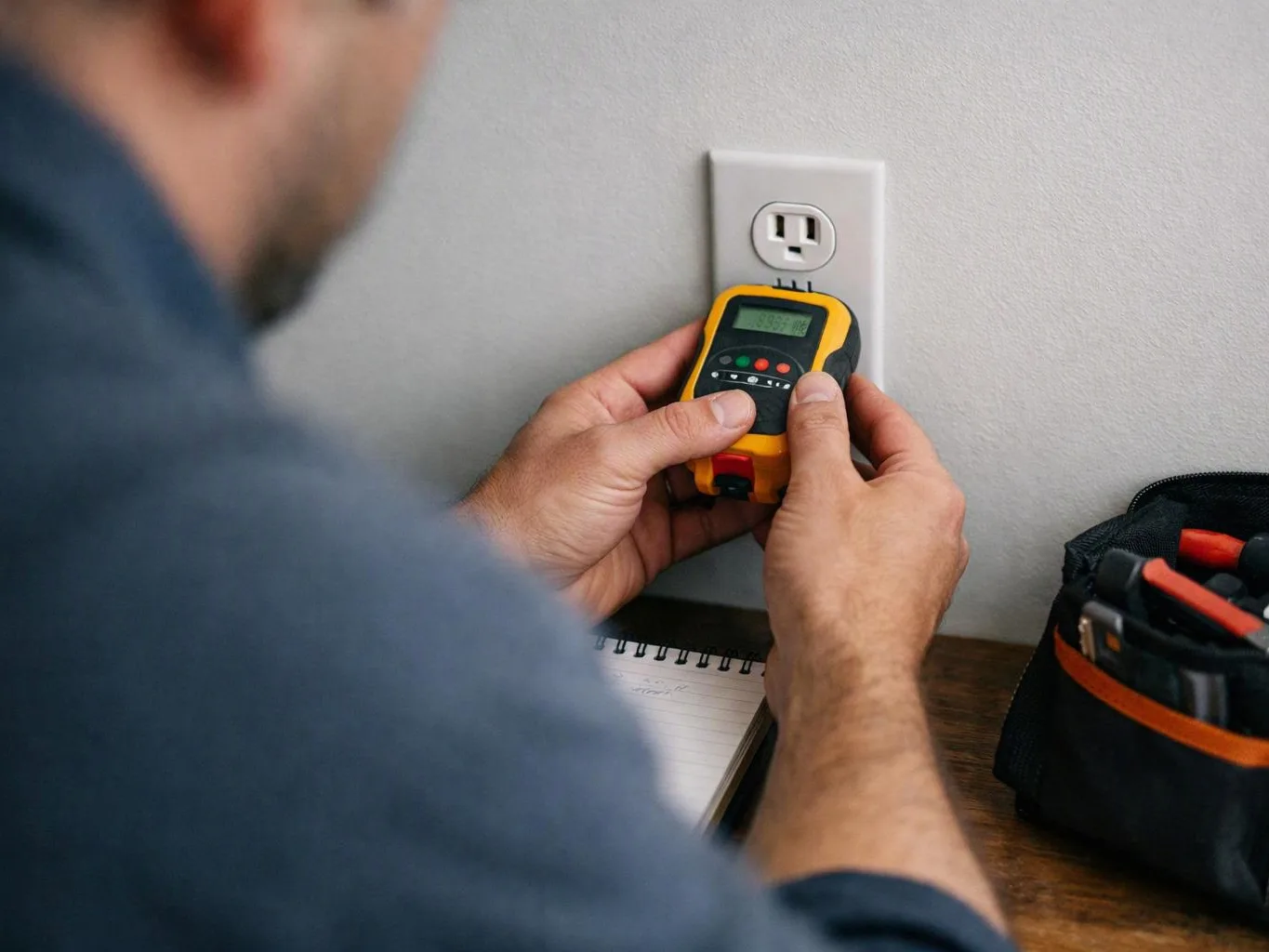
A person tests a wall outlet with a yellow handheld meter beside a notebook and tool bag

Service Overview

Bidirectional charging system troubleshooting is a diagnostic service that finds faults preventing power from moving between a charger, vehicle, and electrical system.

  • It differs from EV charging installation because we test an existing power-transfer system instead of setting up new charging equipment.
  • GMB Electric provides this service for homes and businesses in Avon.

What this charger troubleshooting visit includes

GMB Electric provides comprehensive Bidirectional charging system troubleshooting in Avon. Here's what you get:

  • We document the reported power-transfer symptom and inspect the equipment involved.
  • We trace the communication path between the charger, inverter, and control system.
  • We check grid settings that affect when power can move.
  • We test transfer relay operation and inspect related electrical connections.
  • We review inverter fault messages and firmware status.
  • We explain the findings and the next repair or service decision.

What working power transfer changes for you

A fault check separates a control problem from a broader electrical issue.

You receive clear recommendations based on test results and visible system faults.

Early diagnosis helps identify whether the charger, inverter, relay, or settings need attention.

The findings help you decide whether the existing system needs repair or a different electrical service.

Homes and businesses can plan the next step without relying on warning lights alone.

How our troubleshooting helps you choose the next step

A diagnosis tied to the transfer fault

The work follows the power path and records what each part shows. If the charger has no installed bidirectional function, this service is the wrong job and an installation consultation fits better.

Checks beyond the charger display

A screen warning doesn't always identify the failed part. We compare charger status with inverter faults, relay action, grid settings, and firmware information.

Residential and commercial fit

Our electrical team supports both homes and businesses. We adjust the inspection to the equipment present and the property's power needs.

Process

How we trace a bidirectional charging fault

1

Record the transfer symptom

We note when power transfer stops, what the charger displays, and whether the vehicle or building receives power.

2

Trace the control connection

We inspect the communication path between the charger, inverter, and related control equipment.

3

Check settings and fault status

We review grid settings, inverter alerts, and firmware information that could block the transfer cycle.

4

Test the transfer relay

We check relay action and related electrical connections while following safe testing practices.

5

Explain the repair decision

We describe what the tests found and whether the next step involves repair, adjustment, or another electrical service.

Parts checked when power transfer stops

Each part points to a different type of fault and guides the next service decision.

PartWhat we checkWhat it can explain
Communication linkSignal exchange between connected controlsThe charger cannot complete its transfer command
Grid settingsValues that govern connection and transferThe system blocks transfer under its control rules
InverterFault status and operating conditionThe inverter prevents power from moving
Transfer relayRelay action and related connectionsThe handoff does not complete
FirmwareSoftware status and displayed alertsControl errors interrupt the transfer cycle

The GMB Electric Standard

  • Urgent Assistance
  • Problem Diagnosis
  • Safe Repairs
  • Clear Communication

Questions about charger power-transfer faults

Why is my bidirectional charger not transferring power?

Communication failure can prevent the charger from completing a power-transfer cycle. GMB Electric checks the charger link first, then reviews grid settings, inverter faults, relay action, and firmware status. The system display can point to the affected area, but testing confirms the cause. We explain whether the next step is repair or another electrical service.
How does a troubleshooting visit move from the first call to the last step?

The visit moves from symptom review to testing, diagnosis, and a written next-step discussion. We begin with the charger warning and transfer behavior. Then we trace the control link, check settings and fault status, test the relay, and explain the work supported by the findings.

What tells me this service fits my property?

An installed bidirectional charger that will not send power fits this troubleshooting service. The property should have equipment intended for two-way power movement. We inspect the charger and connected controls, then explain if the issue belongs to installation, repair, or another electrical concern.

Which part of the property decides the troubleshooting scope?

The installed charger and its connected electrical controls decide the troubleshooting scope. Access to the charger, inverter, transfer relay, and panel affects what we can inspect. We review those parts before defining the work, and a wider electrical fault can require a separate repair.

When does a firmware issue become part of the diagnosis?

A firmware issue becomes part of the diagnosis when the charger or connected control equipment shows software-related faults. We review the displayed status and compare it with the transfer behavior. Firmware review does not replace electrical testing because relay, inverter, and communication faults can create similar symptoms.

Can this service identify an inverter fault?

Yes, inverter fault checks are part of the diagnostic path when the charger cannot complete power transfer. We inspect the inverter status and compare its alerts with the charger behavior. A confirmed inverter problem may require repair or service beyond the charger itself.

What should I share before requesting an assessment?

The charger model, warning message, transfer symptom, and property type help define the first assessment. Photos of the display and accessible equipment can also help. We still test the system in person because a visible warning does not prove which part has failed.
Contact

Request a Quote for Charger Troubleshooting in Avon

Get a quote for bidirectional charging system troubleshooting, and urgent requests get priority scheduling.

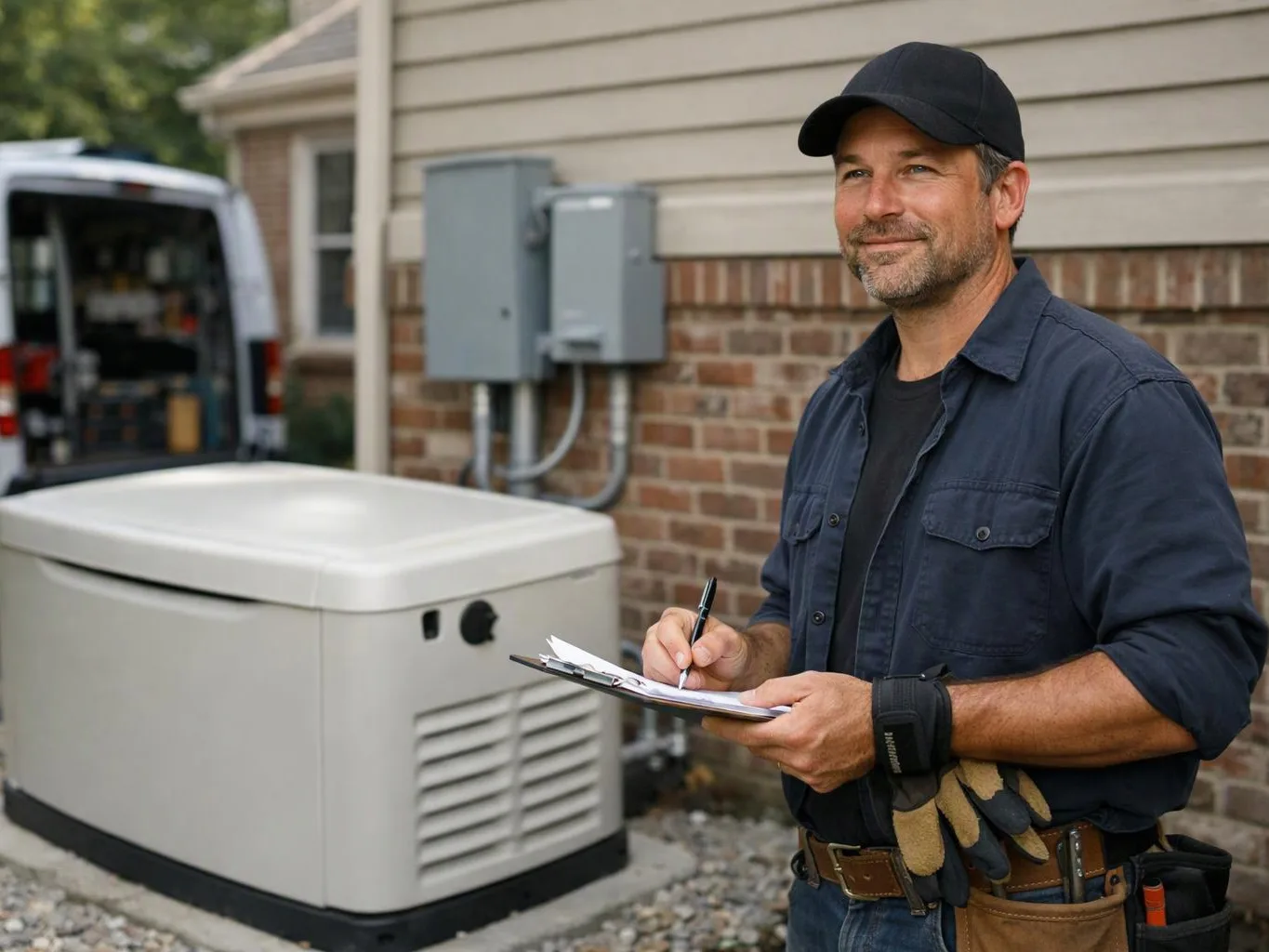
A technician in a black cap writes on a clipboard beside a home generator and service van

ZIP Codes We Serve in Avon, Indiana

46123

Bidirectional charging system troubleshooting in Other Areas

(317) 608-1220