Skip to content

Bidirectional Charging System Troubleshooting in Franklin, Indiana

A charger that won't transfer power points to a communication failure in Franklin. We check the charger, inverter, transfer relay, and related settings.

Licensed & InsuredWarranty AvailableSame-Day ServiceUpfront, Transparent Pricing

Quick Summary: Bidirectional charging system troubleshooting in Franklin, Indiana

Bidirectional charging system troubleshooting in Franklin is provided by GMB Electric for homeowners and businesses. The service covers charger communication, inverter faults, transfer relays, grid settings, and firmware concerns across Indianapolis and surrounding communities, with 24-hour electrical service available.

  • What we do: GMB Electric provides Bidirectional charging system troubleshooting for residential and commercial properties in Franklin, Indiana.
  • What is included: Key capabilities include checking communication signals, grid settings, inverter faults, transfer relays, firmware issues, wiring, panels, and related electrical connections.
  • What you get: The customer receives a clear fault finding and a practical repair or next-step recommendation.

Why does my bidirectional charger keep failing to transfer power?

A communication failure often stops a bidirectional charger from transferring power. Grid settings, an inverter fault, a transfer relay, or outdated firmware can create the same symptom. GMB Electric checks the system in a safe order and identifies whether the fault sits in the charger, connected equipment, or electrical supply.

Bidirectional charging system troubleshooting for Franklin properties

Bidirectional charging system troubleshooting focuses on the question, “Why is my bidirectional charger not transferring power?” The work covers the charger, inverter, transfer relay, grid settings, firmware, wiring, and connected electrical equipment.

A charger may show power while the transfer function remains off. We trace the fault through the system and separate a control issue from a supply or equipment problem. That distinction helps you decide between a repair, a settings change, or further equipment service.

This page fits Franklin homeowners and businesses with an installed bidirectional charging system. We also provide related electrical repairs, panel service, inspections, and EV charging installation when the diagnosis points beyond the charger.

  • Confirm whether the charger starts, stops, or refuses to transfer power.
  • Check fault messages, control signals, grid settings, and inverter status.
  • Inspect the transfer relay and related electrical connections.
  • Review firmware concerns when the equipment reports a software fault.
  • Separate a charger issue from a panel, wiring, or supply problem.
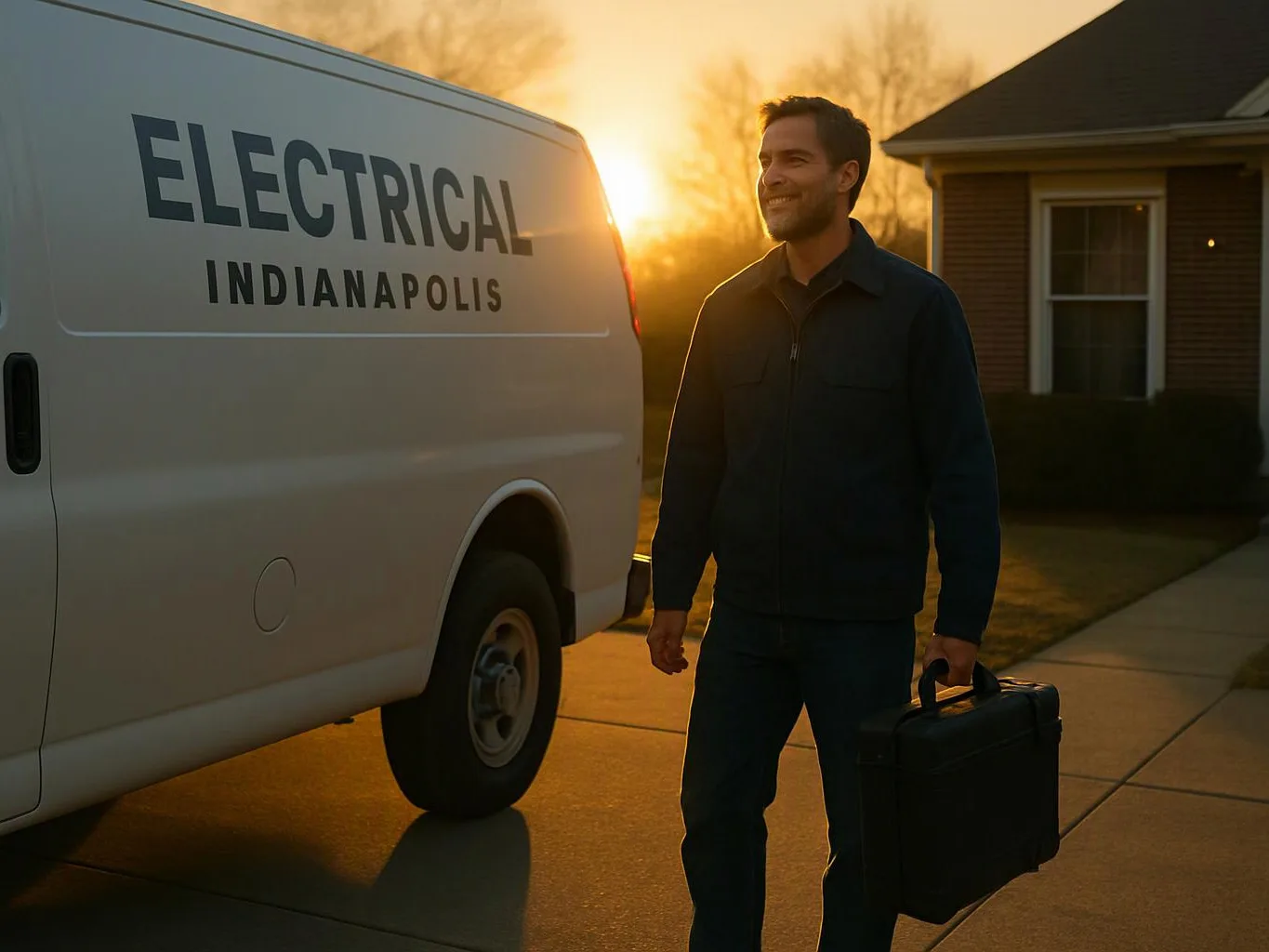
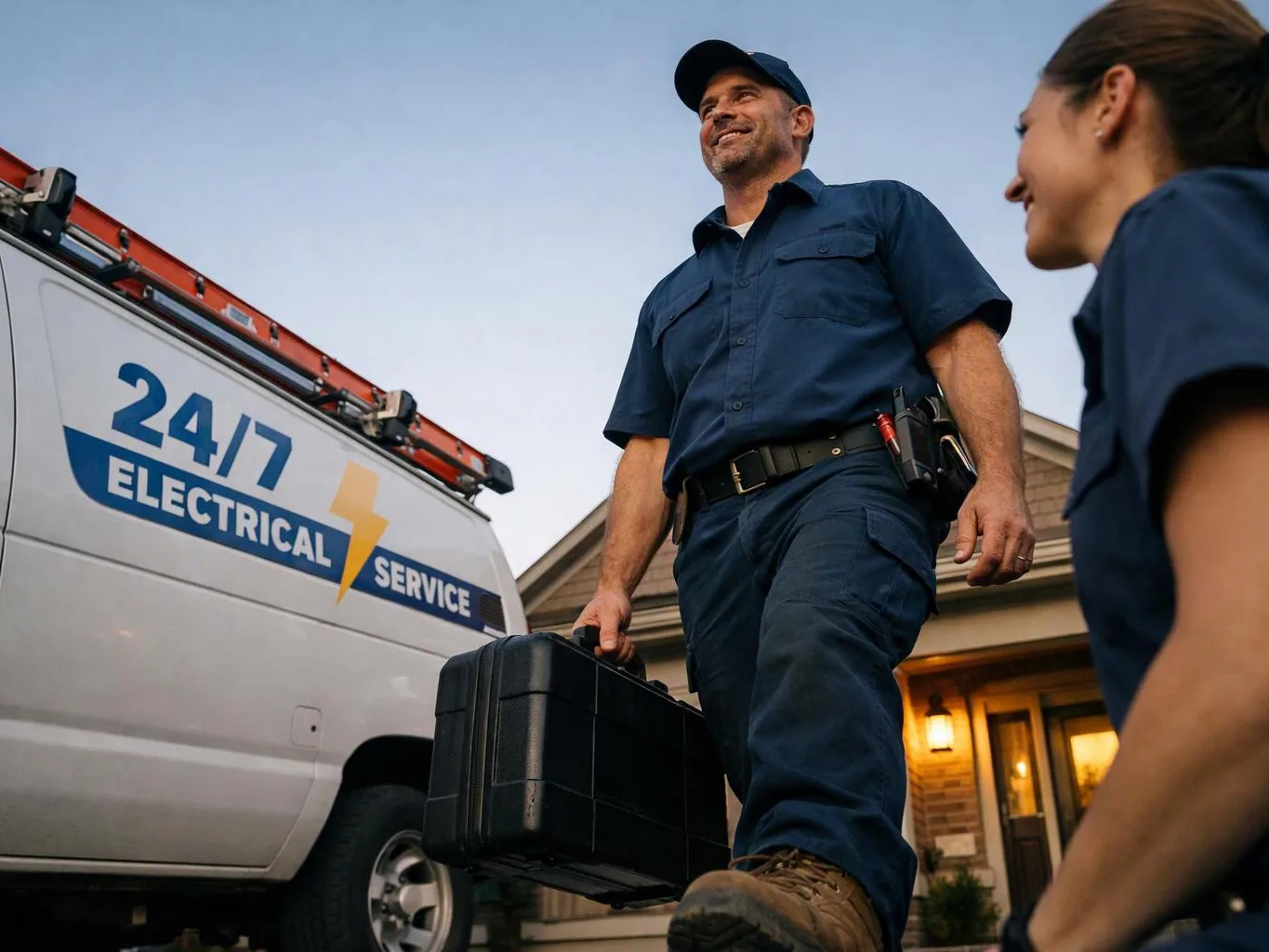
A service van is parked by a house while two smiling adults talk on the sidewalk at sunset

Service Overview

Bidirectional charging system troubleshooting is a fault-finding service that checks why a charger cannot send or receive power as expected.

  • The work differs from a standard EV charging installation because it focuses on an existing transfer system, control signals, inverter operation, and power flow.
  • GMB Electric provides this service for homes and businesses in Franklin.

What this troubleshooting changes for the customer

You get a fault finding based on system checks, not a guess from one warning message.

The diagnosis helps separate a charger problem from an inverter, relay, panel, or wiring issue.

Clear recommendations help you decide whether the equipment needs repair, a setting change, or added electrical work.

Testing can identify a control fault before you replace a working charger.

The service supports residential and commercial charging systems with different electrical demands.

What charger troubleshooting includes for this job

GMB Electric provides comprehensive Bidirectional charging system troubleshooting in Franklin. Here's what you get:

  • We inspect the bidirectional charger and record the symptom it displays.
  • We check communication between the charger, inverter, and transfer controls.
  • We review grid settings that affect when power can move through the system.
  • We test the transfer relay and related wiring for a control or connection fault.
  • We check for inverter fault signals and firmware-related concerns.
  • We explain the repair scope or next step after testing and verification.
Process

How we trace a bidirectional charging fault

1

Record the transfer symptom

We identify whether the charger refuses to start, stops during transfer, or shows a warning.

2

Check charger communication

We inspect the control connection between the charger and related equipment for signs of a communication fault.

3

Review grid settings

We check settings that control when the system can send or receive power.

4

Test inverter and relay status

We check inverter fault signals and test the transfer relay and its electrical connections.

5

Verify the repair direction

We compare the test findings with the reported symptom and explain the repair or next step.

The scope this service is meant to handle

A typical Franklin property may have a charger that powers on but will not send energy through the transfer path. We check the visible warning, trace the control signal, test the relay and inverter status, and review the system settings before we define the repair scope.

What to look for in charger troubleshooting

Trace the transfer path

The useful decision point is where power flow stops. We check the charger, inverter, relay, settings, and wiring in order, then explain the finding in plain language.

Separate control from supply faults

A warning on the charger does not always mean the charger has failed. We test related electrical parts so the repair scope matches the actual fault.

Know when another service fits

This service is the wrong first step when the property needs a new charging system or a broad electrical upgrade. In that case, we can discuss EV charging installation, panel service, or related electrical work.

Which fault area matches the charging symptom

These fault areas help explain what the reported symptom may point toward during testing.

Fault areaWhat it affectsWhat we check
Grid settingsWhen power transfer is blocked by system rulesSettings, operating conditions, and control messages
Inverter faultWhen conversion or power control stopsFault signals, connections, and inverter status
Transfer relayWhen the system cannot switch the power pathRelay operation, wiring, and related controls
Firmware issueWhen software prevents the transfer cycleEquipment messages, communication, and firmware concerns

The GMB Electric Standard

  • Urgent Assistance
  • Problem Diagnosis
  • Safe Repairs
  • Clear Communication

Questions about bidirectional charger faults

Why is my bidirectional charger not transferring power?

A communication failure is the first concern when a bidirectional charger will not transfer power. Grid settings, an inverter fault, a transfer relay, or firmware can create the same symptom. GMB Electric checks each part of the transfer path and explains whether the next step involves repair, settings, or related electrical service.

How is the charging system matched to the property before work starts?

The property match starts with the charger setup, panel capacity, transfer path, and intended power flow. We review the equipment arrangement and inspect the electrical connections before choosing tests. That check helps us separate a system control issue from a panel or wiring condition.

Which condition on the property changes the troubleshooting time?

Limited access to the charger, panel, inverter, or transfer relay can change the testing time. We also account for hidden wiring, unclear circuit paths, and fault conditions that affect safe isolation. Clear access and any equipment messages help us set the right scope.

What should be ready before troubleshooting starts?

The charger display, electrical panel, inverter, and transfer equipment should be accessible before testing starts. Keep warning messages, error codes, and recent system changes available. Do not remove covers or bypass controls, because those actions can create a safety risk and hide the original fault.

Can a panel problem look like a charger fault?

A panel or wiring problem can look like a charger fault when the equipment has power but cannot complete transfer. We test the supply, connections, relay, inverter status, and charger controls. The findings show whether the charger needs service or the property electrical system needs attention.

When should I stop using the charging system?

Stop using the system when you notice a burning smell, buzzing panel, sparking outlet, or repeated breaker trips. Those signs can point to an electrical fire risk. We inspect the affected equipment and isolate the unsafe part before discussing further charging-system work.

Who provides this troubleshooting for homes and businesses?

GMB Electric provides bidirectional charging system troubleshooting for residential and commercial properties. We also handle electrical inspections, panel service, wiring, EV charging installation, and related repairs. The right scope depends on whether testing finds a charger fault or a wider electrical issue.
Contact

Request a bidirectional charging troubleshooting quote in Franklin

Request an assessment for your charging system, and urgent requests get priority scheduling.

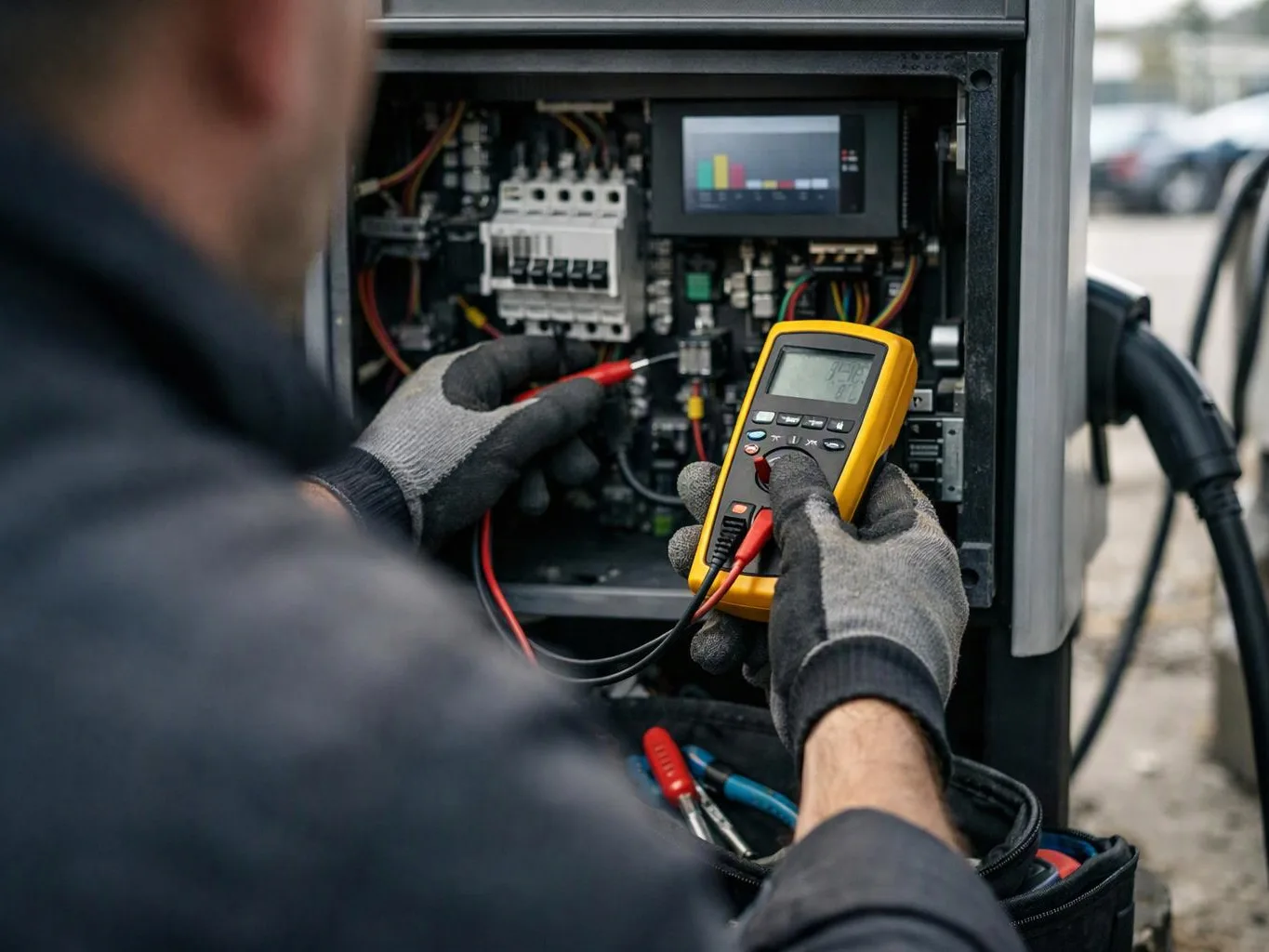
A gloved technician tests wiring inside an open electrical cabinet with a yellow meter outdoors

ZIP Codes We Serve in Franklin, Indiana

46131

Bidirectional charging system troubleshooting in Other Areas

(317) 608-1220