How can vehicle-to-home charging problems be diagnosed?
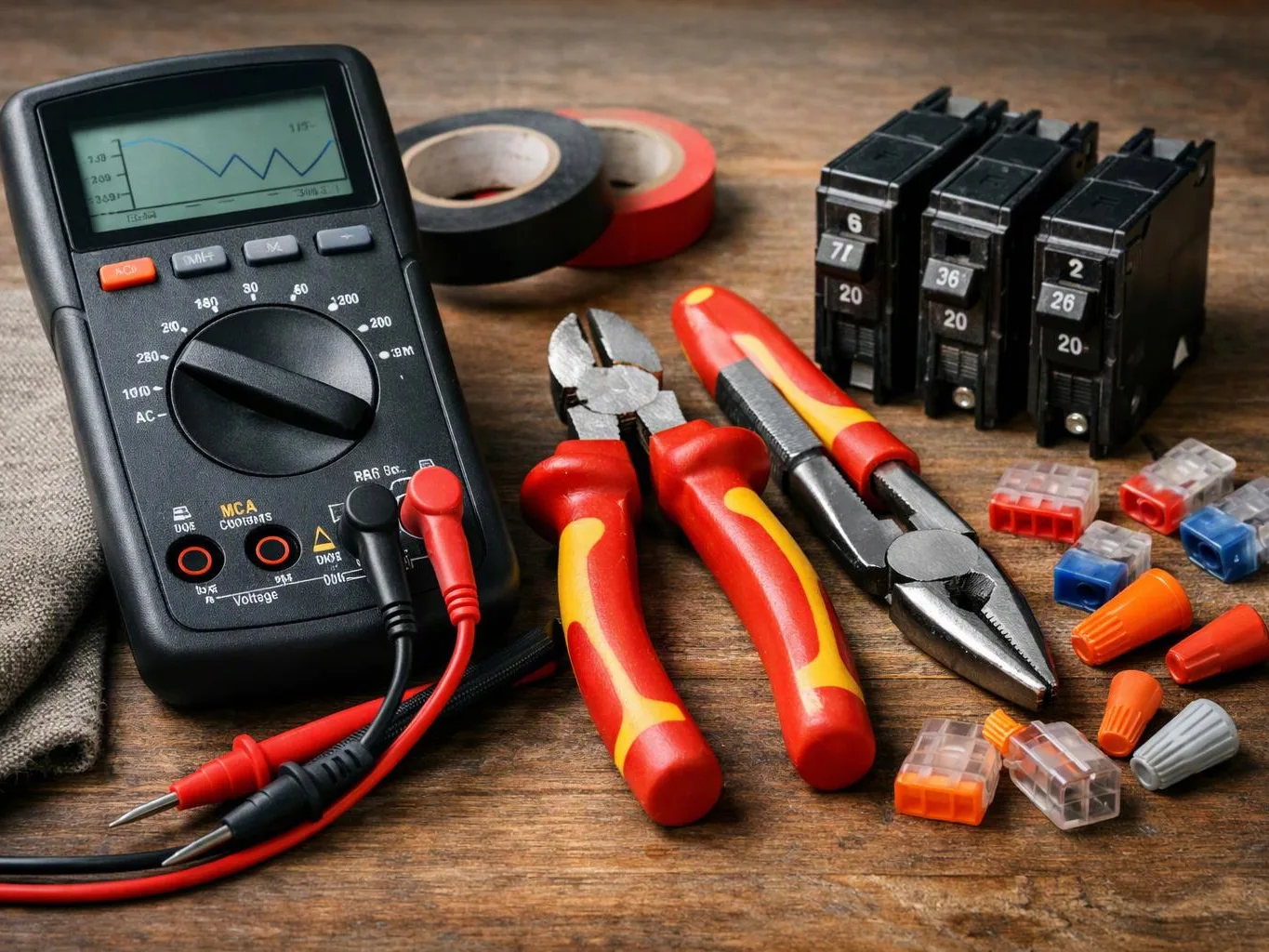
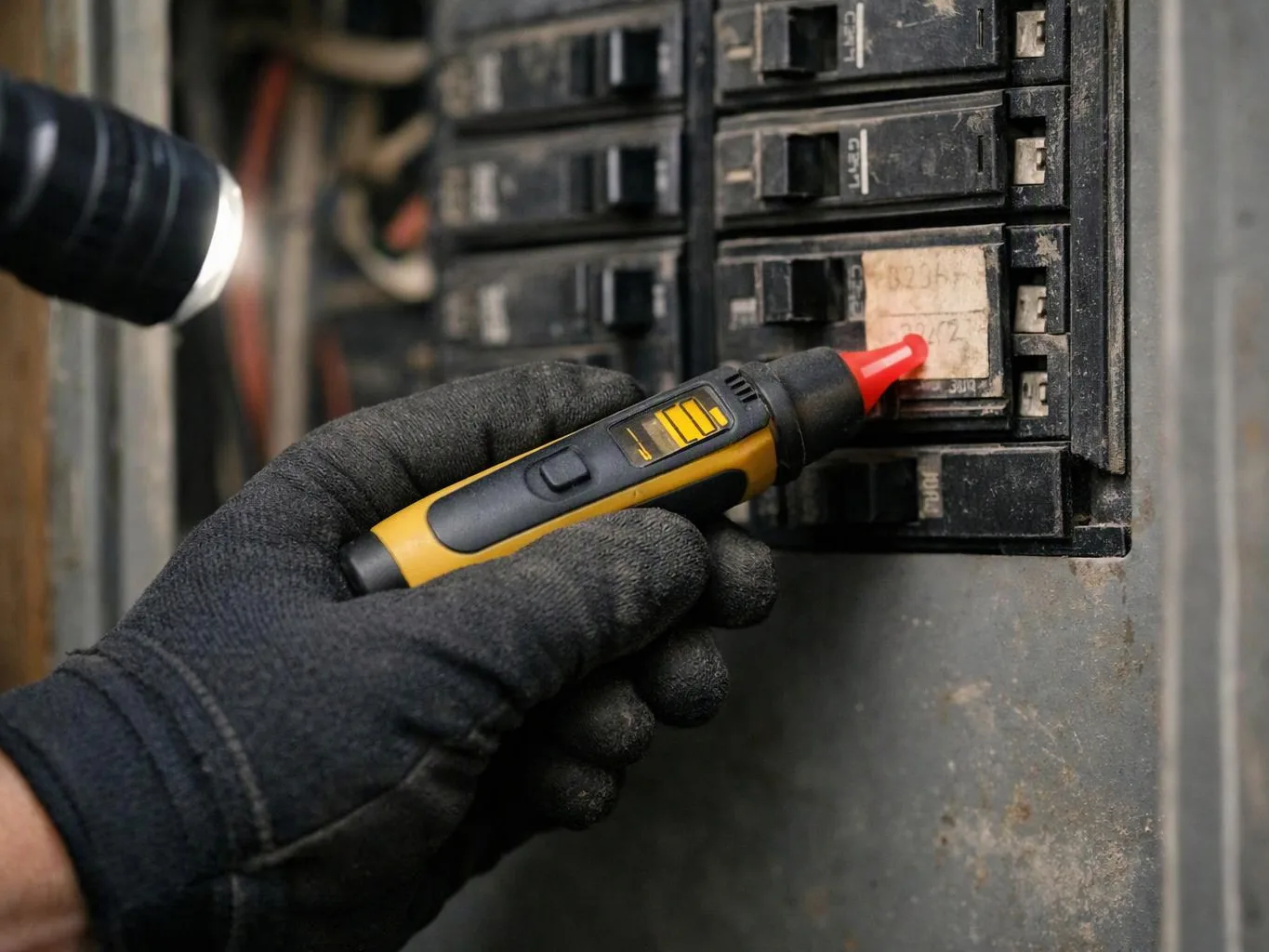
Voltage testing diagnoses vehicle-to-home charging problems by checking supply conditions before reviewing control and safety signals. GMB Electric then checks the pilot signal, ground fault status, battery state, and connection status. These findings show whether the concern belongs to property wiring, charging equipment, or the vehicle system. The first FAQ answer names the key diagnostic path.
Which material changes how long charging troubleshooting takes?
Copper or aluminum conductors can change the testing approach when wiring condition or connection quality is part of the fault. Access to the panel, charger, and vehicle connection also affects the work scope. We inspect the actual circuit and explain whether conductor material, damaged terminations, or equipment access adds needed checks.
What happens from the first call through the last step?
The visit moves from symptom review to electrical checks, signal checks, findings, and a repair decision. We first record the failed power direction and warning signs. Next, we test voltage, review the pilot signal and safety conditions, then discuss whether the next step is repair, charger service, or vehicle follow-up.
When does this service fit a property?
This service fits a property with a vehicle-to-home charging system that stops, disconnects, or fails to move power as expected. The property needs an accessible charging connection and related electrical equipment for testing. We assess the electrical side when the symptom involves power flow, charging control, or a repeated connection fault.
Why does a charger stop after the vehicle connects?
A charger can stop after connection because voltage, the pilot signal, a ground fault, battery state, or connection status interrupts the exchange. We test those conditions in sequence and compare them with the warning shown by the charger. Repeated resets do not identify the cause, so diagnosis should guide the next repair.
How does battery state affect two-way charging checks?
Battery state affects whether the vehicle accepts or returns power during a charging cycle. We compare the battery condition with voltage and control checks before assigning the fault to property wiring. A failed power return with normal electrical readings can point toward vehicle or charger controls.
What should a customer share before requesting an assessment?
The failed power direction, warning message, vehicle details, and charger symptom give us useful starting information. A photo of the charger display or connection can also help define access and testing needs. We still verify the electrical conditions in person before setting the repair scope.