Skip to content

Bidirectional Charging System Troubleshooting in Plainfield, Indiana

Low battery can prevent bidirectional charging from starting in Plainfield. We check the vehicle, charger, settings, and cable before recommending the next step.

Licensed & InsuredWarranty AvailableSame-Day ServiceUpfront, Transparent Pricing

Quick Summary: Bidirectional Charging Troubleshooting in Plainfield, Indiana

Bidirectional charging system troubleshooting in Plainfield is provided by GMB Electric for vehicle-to-home and related charging faults. The service covers low battery checks, vehicle and charger compatibility, utility settings, cable faults, and residential or commercial electrical systems.

  • What we do: GMB Electric provides Bidirectional charging system troubleshooting for Plainfield, Indiana properties with vehicle-to-home charging concerns.
  • What is included: battery status checks, vehicle and charger compatibility checks, utility setting review, cable inspection, circuit testing, and electrical troubleshooting.
  • What you get: The customer receives a clear finding about why bidirectional charging will not start and what work or equipment decision comes next.

What prevents bidirectional charging from starting?

Low battery can prevent bidirectional charging from starting. Other causes include an incompatible vehicle, an unsupported charger, utility settings, or a cable fault. We check the system status, connections, and electrical supply to separate a charging setup issue from a broader wiring or panel problem.
Bidirectional Charging System Troubleshooting for Plainfield Properties

Bidirectional charging system troubleshooting focuses on the failure that prevents a vehicle-to-home session from starting or staying active. The work suits homeowners, property managers, and businesses with a bidirectional charger connected to an electrical panel or other building circuit.

A low battery is one possible cause, but it is not the only one. An incompatible vehicle or unsupported charger can block the session even when the wiring appears sound. Utility settings and cable faults can create similar symptoms, so the buyer needs a diagnosis before choosing repair or replacement.

This service gives the customer a practical decision. We determine whether the concern points to the vehicle, charger, cable, settings, circuit, or panel. If the issue falls outside electrical troubleshooting, we explain which equipment or manufacturer question remains.

  • Confirm the vehicle and charger support bidirectional power flow.
  • Check battery status and charging system warnings.
  • Inspect cable connections for damage, looseness, or fault messages.
  • Review utility and system settings that control power flow.
  • Test the related circuit and electrical panel connections.
  • Separate an electrical fault from an equipment compatibility issue.
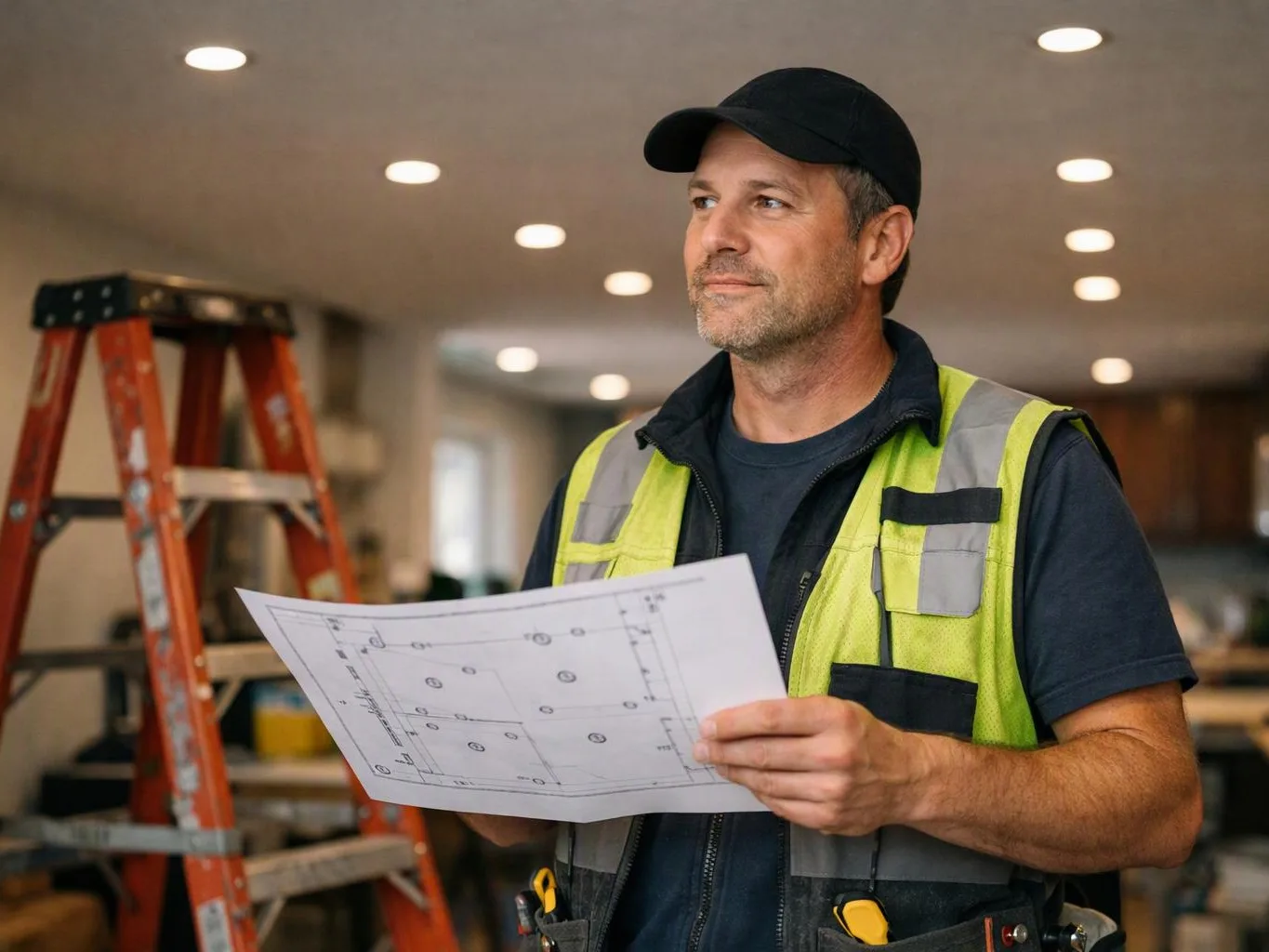
A construction worker in a safety vest studies a blueprint inside a room with a ladder and ceiling lights

Service Overview

Bidirectional charging system troubleshooting is a diagnostic service that finds why power will not move between an electric vehicle and a building.

  • The work differs from a basic EV charging installation because it checks two-way power flow, system settings, vehicle support, and connected electrical equipment.
  • GMB Electric provides this troubleshooting service for homes and businesses in Plainfield.

What Bidirectional Charging Troubleshooting Includes

GMB Electric provides comprehensive Bidirectional charging system troubleshooting in Plainfield. Here's what you get:

  • We check whether the connected vehicle supports the intended bidirectional charging function.
  • We inspect the charger connection, cable condition, and visible fault indicators.
  • We review system settings that can prevent charging or power export.
  • We test the related circuit and inspect panel connections for electrical faults.
  • We explain whether the issue points to wiring, equipment support, settings, or the vehicle.
  • We provide clear recommendations for the next repair, adjustment, or equipment discussion.

What This Charging Troubleshooting Helps You Decide

A focused diagnosis helps separate a low battery issue from a deeper system fault.

Compatibility checks help prevent unnecessary electrical changes when the vehicle or charger does not support the planned function.

Cable and circuit checks help identify faults that could interrupt charging or create unsafe operating conditions.

Plain explanations give homeowners and businesses a clearer choice between electrical repair and manufacturer support.

The findings help define the right scope before related panel or wiring work begins.

What Customers Get From This Charging Diagnosis

A system-level starting point

We check the battery state, vehicle, charger, cable, settings, and related circuit together. That gives the diagnosis a wider view than testing one outlet alone.

A clear electrical boundary

Our team identifies which findings belong to the electrical system and which require equipment or vehicle support. This keeps the repair scope tied to the actual fault.

A fit check before electrical work

Bidirectional charging troubleshooting is the wrong job when the vehicle or charger does not support the intended function and no electrical fault is present. We explain that limit before proposing related work.

Process

How We Troubleshoot Bidirectional Charging Systems

1

Review the charging symptom

We record the warning, startup behavior, battery state, and recent changes to the vehicle or charger.

2

Check vehicle and charger support

We verify that the vehicle and charger support the intended two-way charging function and review visible system messages.

3

Inspect the cable and connections

We check the cable, plugs, terminals, and accessible connections for damage, looseness, or signs of a fault.

4

Trace the related circuit

We inspect the circuit and panel connection, then test the electrical supply tied to the charging equipment.

5

Review settings and explain findings

We review utility and control settings, explain the diagnosed issue, and outline the next repair or equipment decision.

Charging Fault Sources We Check

These fault sources can produce similar startup symptoms, so we test the actual system before defining the work.

Fault sourceWhat it can affectWhat we check
Vehicle compatibilityTwo-way charging supportVehicle model and system status
Charger supportBidirectional power controlCharger function and fault messages
Utility settingsPermission or control of power flowRelevant control and system settings
Cable faultConnection and charging startupCable, plugs, and accessible terminals

The GMB Electric Standard

  • Urgent Assistance
  • Problem Diagnosis
  • Safe Repairs
  • Clear Communication

Questions About Bidirectional Charging Troubleshooting

What does the crew look at first during charging troubleshooting?

The first check is the system status, including the battery condition, warning message, vehicle support, and charger connection. We then inspect the cable and related electrical circuit. This order helps separate a startup condition from a wiring or panel fault before we define the repair scope.

What happens at each stage of the troubleshooting visit?

The visit moves from symptom review to equipment checks, cable inspection, circuit testing, and final recommendations.

  1. We record the startup failure and system warning.
  2. We check vehicle and charger support.
  3. We inspect the cable and electrical connections.
  4. We test the related circuit and explain the finding.

Which part of this job changes the price?

The fault location changes the price because a cable or setting issue needs different work from a panel or circuit problem. Access, testing needs, equipment condition, and any required electrical repair also affect the scope. We review those details before providing a quote.

When should charging equipment be taken out of use?

Charging equipment should be taken out of use when the cable, plug, outlet, or panel shows heat, damage, sparking, or a burning smell. We inspect the affected circuit and connections before recommending continued use. Do not handle damaged equipment while it is energized.

How should I prepare before troubleshooting is scheduled?

The vehicle model, charger model, warning message, and recent system changes help us prepare for the assessment. Keep the charger and panel accessible, and save any error screen or manufacturer note. Do not open energized equipment or test damaged cables yourself.

Who provides this electrical troubleshooting service in Plainfield?

GMB Electric provides bidirectional charging system troubleshooting for Plainfield homeowners and businesses. We inspect the charging equipment, related circuit, cable, settings, and panel connection. The service helps identify whether the concern needs electrical work, an equipment adjustment, or manufacturer guidance.
Contact

Request a Bidirectional Charging Troubleshooting Quote in Plainfield

Share the vehicle, charger, and fault details for a clear quote, and urgent requests get priority scheduling.

Split image shows a dark hallway beside a brightly lit empty corridor with doors and wood flooring

ZIP Codes We Serve in Plainfield, Indiana

46168

Bidirectional charging system troubleshooting in Other Areas

(317) 608-1220