Skip to content

Bidirectional Charging System Troubleshooting in Brooklyn, Indiana

Communication failure can stop power transfer, so safe electrical checks matter in Brooklyn. We trace the charger, inverter, relay, and control path before recommending the next step.

Licensed & InsuredWarranty AvailableSame-Day ServiceUpfront, Transparent Pricing

Quick Summary: Bidirectional Charger Troubleshooting in Brooklyn, Indiana

Bidirectional charging system troubleshooting in Brooklyn is provided by GMB Electric for homeowners and businesses across the area. The service covers communication faults, grid settings, inverter faults, transfer relays, and firmware issues as part of our electrical troubleshooting work.

  • What we do: GMB Electric provides bidirectional charging system troubleshooting for homeowners and businesses in Brooklyn, Indiana.
  • What is included: We trace communication faults, check grid settings, inspect inverter status, test transfer relays, and review firmware concerns.
  • What you get: The charger has a documented fault path and the customer knows whether repair, settings work, or further electrical service is needed.

Why does my bidirectional charger keep failing to transfer power?

Communication failure is a leading reason a bidirectional charger stops transferring power. GMB Electric checks the control link, grid settings, inverter status, transfer relay, and firmware condition. A warning message, failed handoff, or repeated restart helps guide the diagnosis. Safe isolation matters because the system connects charging equipment with property power.
Bidirectional charger troubleshooting for Brooklyn properties

Bidirectional charging system troubleshooting focuses on the power transfer path, not only the vehicle connection. The work fits a charger that starts but will not send power, stops during transfer, shows a fault, or loses communication with related equipment.

The buyer's main decision is whether the issue sits in the control link, grid settings, inverter, transfer relay, or firmware. We inspect those points in a safe order, then explain whether the next step is electrical repair, equipment support, or a setting review.

This page serves Brooklyn homeowners and businesses that need a focused diagnosis for an existing bidirectional charging setup. It does not replace a new EV charging installation when the property lacks the required equipment or circuit.

  • Confirm whether the charger starts, stops, or refuses power transfer.
  • Record warning messages and note when the fault appears.
  • Check the control path between the charger and connected electrical equipment.
  • Separate a settings issue from an electrical repair need.
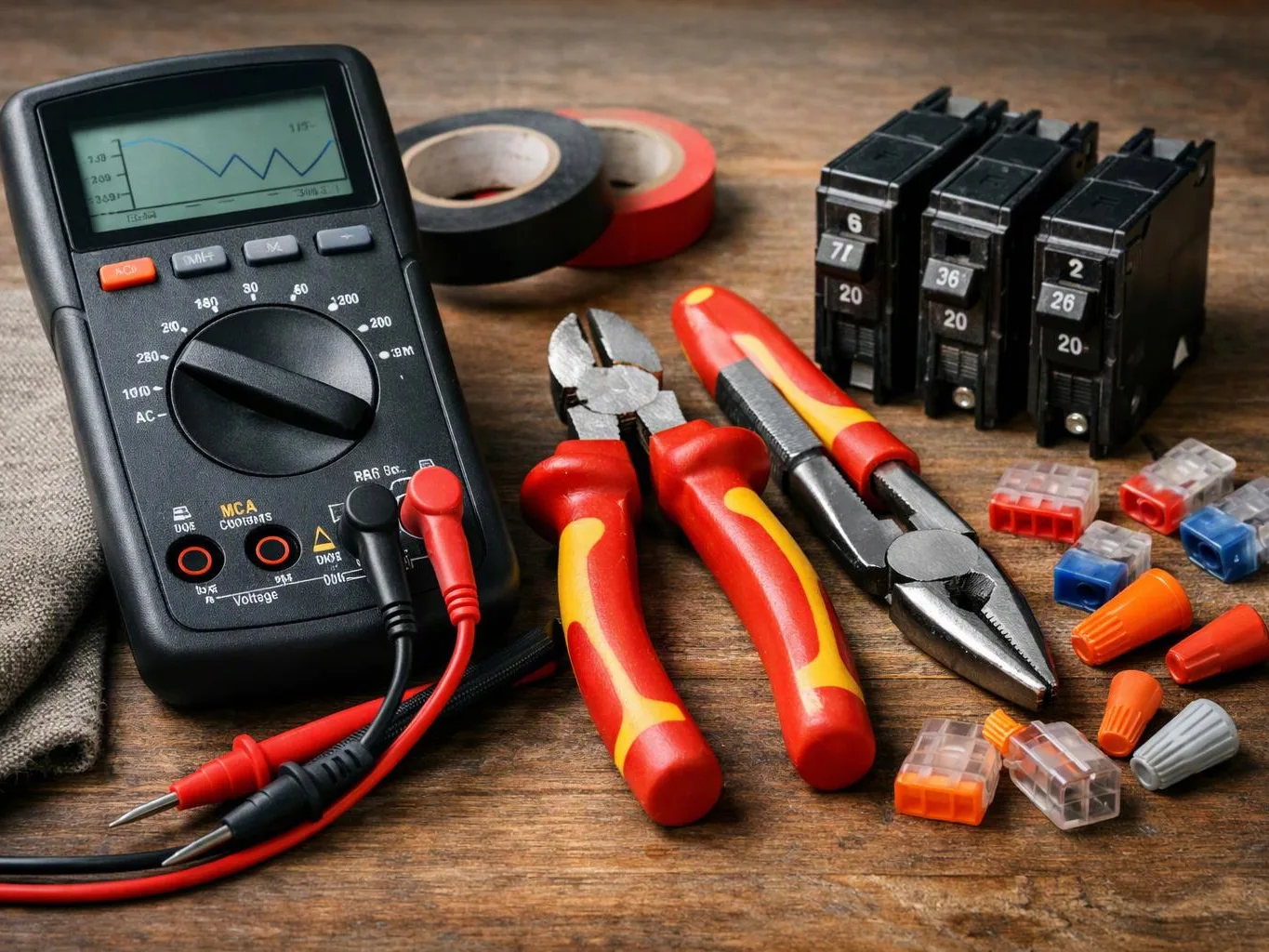
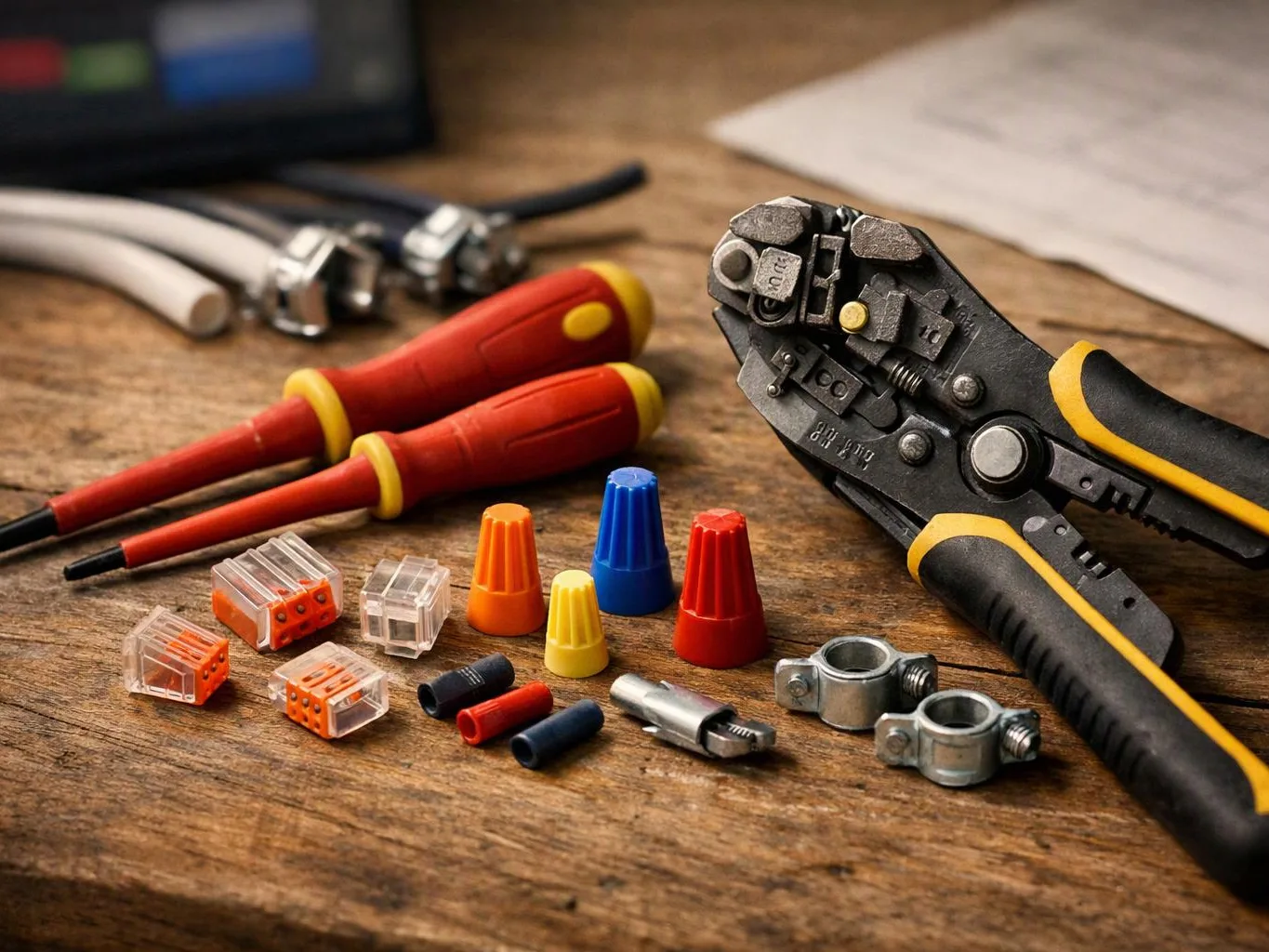
Electrical tools and connectors lie on a wooden workbench, with a crimping plier and screwdrivers in front

Service Overview

Bidirectional charging system troubleshooting is an electrical service that finds why a charger cannot send power in both directions.

  • It differs from standard EV charging installation because it diagnoses an active transfer problem instead of setting up a new charging circuit.
  • GMB Electric provides this troubleshooting service for homes and businesses in Brooklyn, Indiana.

How we approach bidirectional charger faults

A fault path built around power transfer

Communication failure, grid settings, inverter faults, transfer relays, and firmware issues affect different parts of the system. We check the part that matches the symptom before setting the work scope.

Electrical work for homes and businesses

Our team handles residential and commercial electrical troubleshooting, so we consider the property connection as well as the charger controls. Customers receive clear recommendations in plain language.

When this service is not the right fit

A new installation is the better fit when no bidirectional system exists yet. This service focuses on diagnosing an installed system that is not transferring power correctly.

A client scenario this service addresses

A homeowner or business in Brooklyn may have a charger that connects normally but fails during the handoff to property power. We would isolate the system, check the control path and transfer relay, then identify whether the issue needs electrical repair, a setting review, or equipment support.

Process

How we troubleshoot a bidirectional charger

1

Record the transfer symptom

We review warning messages, startup behavior, and the point where power transfer stops.

2

Isolate the electrical system

We use safe isolation before checking the charger, inverter, relay, and connected circuits.

3

Trace the control path

We check communication between the charger and related equipment, then review the system settings.

4

Test the power handoff

We inspect inverter status and test the transfer relay when the system fails during handoff.

5

Set the next repair scope

We explain whether the finding points to electrical repair, a setting issue, firmware support, or another service need.

What bidirectional charger troubleshooting includes

GMB Electric provides comprehensive Bidirectional charging system troubleshooting in Brooklyn. Here's what you get:

  • We inspect the charger and related electrical connections for visible faults.
  • We trace the communication path that controls power transfer.
  • We review grid settings linked to the charging system.
  • We check inverter status and look for fault conditions.
  • We test the transfer relay as part of the power handoff.
  • We review firmware concerns when system behavior points to a control issue.

What this diagnosis changes for the customer

You get a focused fault path instead of a broad electrical check.

The diagnosis helps separate a control problem from a wiring or equipment fault.

A clear finding helps you decide whether to repair, adjust, update, or seek equipment support.

Businesses can identify the electrical issue that threatens planned vehicle or property power use.

Customers in Brooklyn receive service from a team that also handles residential and commercial electrical work.

Charger fault areas and next decisions

These fault areas help customers understand what the inspection may separate.

Fault areaWhat we checkPossible next decision
Communication linkControl connection and fault behaviorRepair the electrical path or review equipment support
Grid settingsSettings linked to approved power transferCorrect settings or continue electrical diagnosis
Inverter faultStatus messages and connected wiringRepair the electrical connection or seek equipment service
Transfer relayRelay condition and power handoffRepair the relay circuit or expand the electrical scope
Firmware issueSystem behavior after updates or restartsReview firmware support and confirm electrical operation

The GMB Electric Standard

  • Urgent Assistance
  • Problem Diagnosis
  • Safe Repairs
  • Clear Communication

Questions about bidirectional charger troubleshooting

Why does a communication failure stop power transfer?

Communication failure can stop the charger from approving a safe power handoff. The control link tells the inverter and transfer relay when conditions are ready. GMB Electric checks that link, reviews warning messages, and tests related electrical connections. The fault may need wiring repair, a settings review, or equipment support after the electrical checks.

How can I tell whether this troubleshooting fits my property?

An installed bidirectional charger that will not send power fits this troubleshooting service. The system may connect, display a fault, or stop during the transfer handoff. Customers with no installed bidirectional equipment need an EV charging installation assessment instead. We can identify the correct electrical service after reviewing the property setup.

Which part of the property decides the troubleshooting scope?

The service panel and connected charging circuit help decide the troubleshooting scope. Access to the charger, inverter, transfer relay, and related wiring also matters. We inspect the electrical path that supports power transfer. A separate panel repair or service upgrade may be needed when the existing electrical system cannot support the equipment.

What does the charger warning message tell us?

A charger warning message identifies a symptom, but it does not prove the failed part. We compare the message with inverter status, grid settings, relay behavior, and communication checks. Customers should record the message and avoid repeated resets. That information helps us focus the inspection without treating the warning as a final diagnosis.

Which material changes how long the diagnosis takes?

Existing wiring and equipment access can change the time needed for diagnosis. Concealed conductors, limited panel access, or connections spread across the property require more tracing. We inspect the accessible electrical path first and explain any added testing before expanding the work scope.

What changes the quote for this electrical diagnosis?

The fault location, access, testing needs, and repair scope change the quote. A control setting issue differs from a relay, inverter, or wiring repair. GMB Electric offers free estimates, and customers can request a quote after we understand the system symptoms and site conditions.

When should a charger fault become an urgent electrical call?

A burning smell, buzzing panel, sparking connection, or heat near electrical equipment makes the issue urgent. Stop using the system and keep clear of the affected equipment. We provide 24-hour emergency electrical response for urgent electrical problems, while the charger diagnosis identifies the cause when the area is safe to inspect.
Contact

Request a Bidirectional Charger Troubleshooting Quote in Brooklyn

Ask GMB Electric about bidirectional charging system troubleshooting in Brooklyn, and urgent requests get priority scheduling.

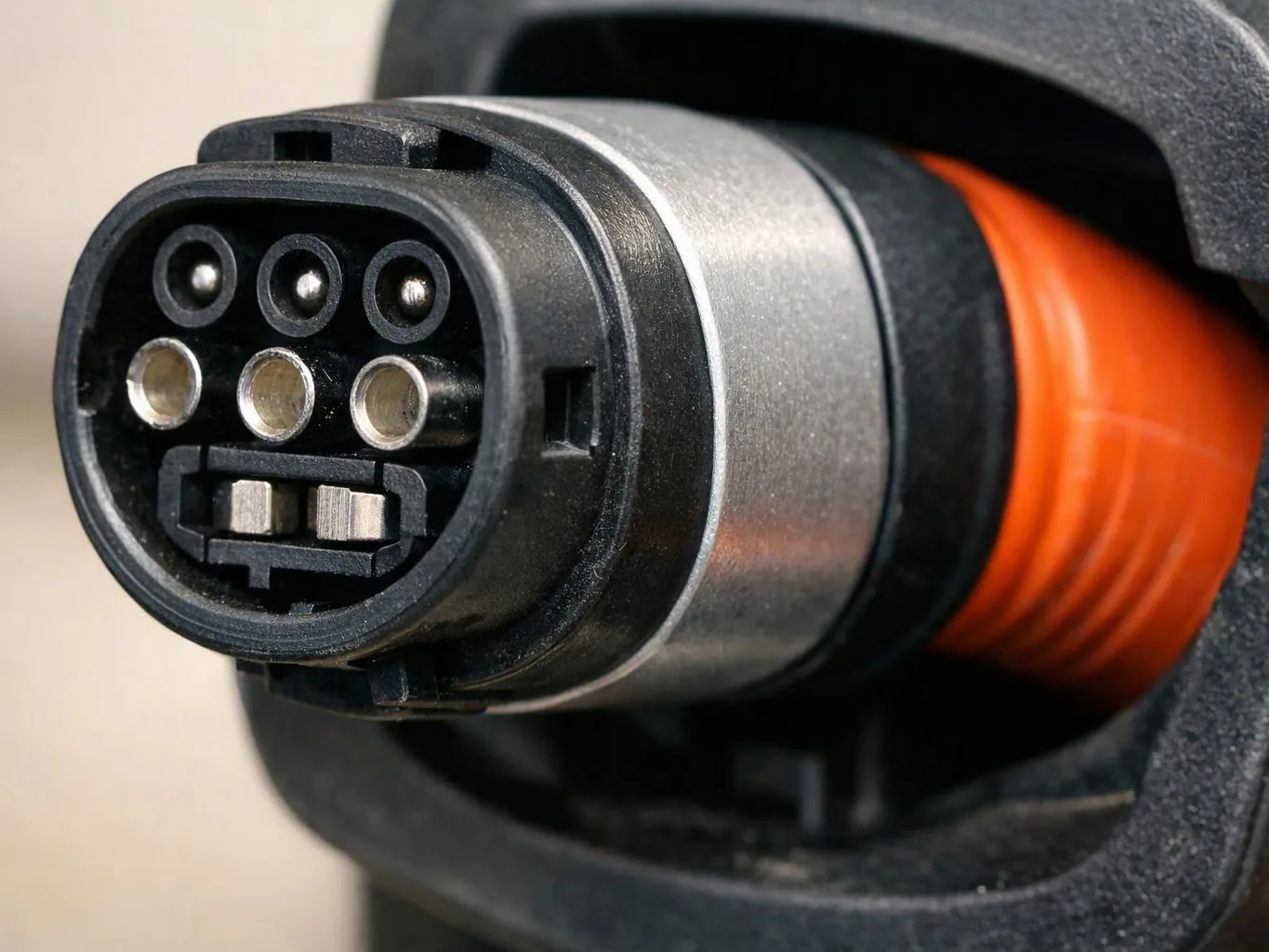
Close-up of an electric vehicle charging connector with orange cable and metal contacts against a dark background

ZIP Codes We Serve in Brooklyn, Indiana

46111

Bidirectional charging system troubleshooting in Other Areas

(317) 608-1220