Skip to content

Bidirectional Charging System Troubleshooting in Waterloo, Indiana

Code-safe isolation matters when a communication failure stops power transfer in Waterloo. We check the charger, inverter, transfer relay, and related controls.

Licensed & InsuredWarranty AvailableSame-Day ServiceUpfront, Transparent Pricing

Quick Summary: Bidirectional Charging System Troubleshooting in Waterloo, Indiana

Bidirectional charging system troubleshooting in Waterloo is provided by GMB Electric for home and business charging systems. The work covers communication faults, grid settings, inverter checks, transfer relays, and firmware issues through our 24-hour electrical service.

  • What we do: GMB Electric provides Bidirectional charging system troubleshooting for residential and commercial properties in Waterloo, Indiana.
  • What is included: Communication checks, grid-setting review, inverter diagnosis, transfer-relay testing, firmware review, and electrical safety checks.
  • What you get: The customer receives a tested charging system and a clear decision about repair, adjustment, or further electrical work.

Why is my bidirectional charger not transferring power?

A communication failure often stops power transfer, but grid settings, an inverter fault, a transfer relay, or firmware can also interrupt the cycle.
Working With Our Team in Waterloo

Bidirectional charging system troubleshooting focuses on a charger that connects but won't move power as expected. The buyer needs to know whether the fault sits in communication, the inverter, the transfer relay, grid settings, or firmware.

We inspect the existing system and separate control faults from broader electrical faults. A failed transfer relay needs a different repair path than a charger that has lost its network or vehicle link.

The right decision is often repair, adjustment, or further testing. A new installation is a separate job when the existing equipment cannot support the needed function.

  • Confirm whether the charger starts, stops, or never begins a transfer cycle.
  • Check communication between the charger, vehicle, inverter, and property controls.
  • Review grid settings and visible fault messages.
  • Test the transfer relay and related electrical connections.
  • Check firmware status when the equipment identifies a software fault.
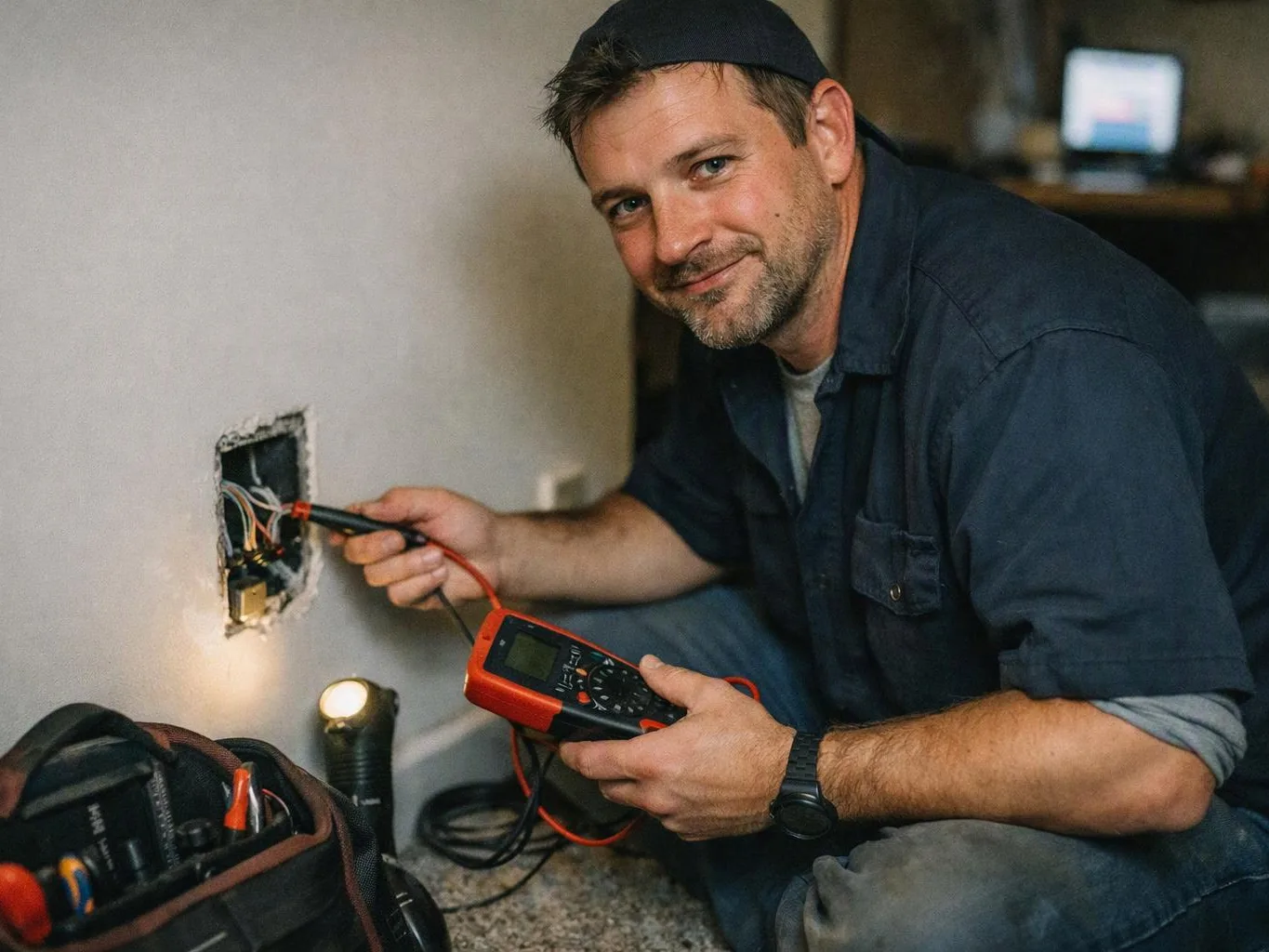
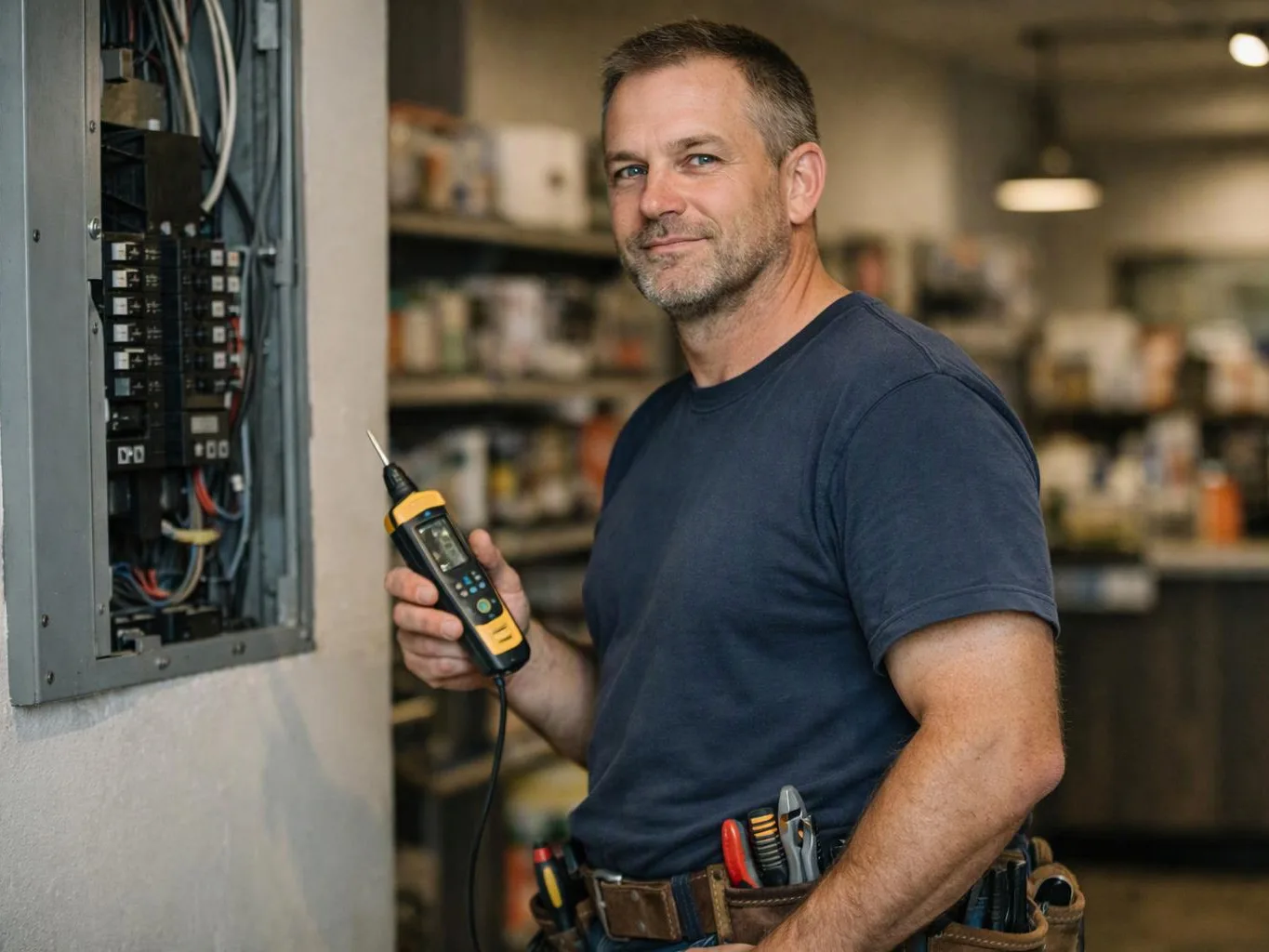
A man in a blue shirt checks an open electrical panel with a handheld tester indoors

Service Overview

Bidirectional charging system troubleshooting is a diagnostic service that checks why a charger cannot send power to or from a vehicle and property.

  • This work differs from a new EV charging installation because it tests an existing system before repair or replacement is chosen.
  • GMB Electric provides this service for residential and commercial properties in Waterloo.
Process

Steps we use to diagnose a failed power transfer

1

Record the transfer symptom

We note whether the charger fails to start, stops during transfer, or shows a warning. That symptom guides the first checks.

2

Inspect communication links

We test the connection between the charger, vehicle, inverter, and property controls. A broken signal can stop power movement even when the equipment has power.

3

Review grid settings

We check settings that govern grid connection, backup operation, and export behavior. Incorrect values can block an otherwise ready system.

4

Test the inverter and relay

We inspect inverter status and test the transfer relay's control path. These checks help separate a switching fault from a control fault.

5

Explain the repair path

We report what the tests show and outline the next step, such as an adjustment, component repair, or separate installation project.

How we approach bidirectional charger faults

Trace the control path

We start with the symptom and follow the signal through the charger, inverter, and transfer relay. This service is the wrong job when the property needs a new charging system design instead of fault diagnosis.

Separate controls from power

Grid settings and firmware can stop a transfer even when the wiring appears intact. Our testing helps show whether the fault is in control logic or electrical hardware.

Serve homes and businesses

Our licensed and insured electricians work on residential and commercial electrical systems. We keep the findings focused on the charging problem and the property's safe operation.

What this charging system check changes

You get a clearer cause for a charger that connects but won't transfer power.

Testing separates a control problem from a larger electrical issue.

A documented fault path helps you choose repair or replacement with better information.

The check supports safer decisions for homes and businesses using backup or stored power.

You receive recommendations tied to the parts and settings we actually inspect.

What bidirectional charger troubleshooting includes

GMB Electric provides comprehensive Bidirectional charging system troubleshooting in Waterloo. Here's what you get:

  • We inspect the charger and record the symptoms shown during a transfer attempt.
  • We trace communication between the charger, vehicle, inverter, and property controls.
  • We review grid settings that may block export or backup power.
  • We test the transfer relay and related wiring for a control or switching fault.
  • We check for inverter faults and firmware issues that affect power flow.
  • We explain whether the next step is an adjustment, repair, or separate electrical project.

Control fault or electrical fault?

The first decision is whether the failed transfer comes from system controls or electrical hardware.

Fault typeWhat we checkLikely next decision
Communication failureSignals between charger, vehicle, inverter, and controlsTrace the signal and inspect related settings
Grid settingsExport, backup, and grid connection controlsCorrect settings when equipment supports the intended mode
Inverter faultStatus messages and power conversion behaviorRepair or further equipment testing
Transfer relayControl signal and switching responseComponent repair or electrical service

The GMB Electric Standard

  • Urgent Assistance
  • Problem Diagnosis
  • Safe Repairs
  • Clear Communication

Questions about bidirectional charger troubleshooting

Why does a communication failure stop my charger from transferring power?

A communication failure stops the charger when required control signals do not reach the vehicle, inverter, or property controls. GMB Electric checks each link and records where the signal stops. We also review visible warnings and grid settings, because a communication fault can appear alongside another control issue. The next repair step follows the failed link.

What does the crew look at first during troubleshooting?

The first check is the reported transfer symptom and the charger’s visible status. We then inspect power to the equipment, communication links, and fault messages. This order helps us avoid changing settings before we understand the failure. Photos of the display or warning code can help focus the assessment.

How do grid settings affect a failed power transfer?

Grid settings can block export, backup operation, or a transfer cycle when they do not match the system’s approved operating mode. We review the settings against the equipment behavior and test the result. We don’t change controls blindly, because the correct setting depends on the charger and property wiring.

Which part changes the scope of the repair?

The failed part changes the scope most when testing points to the inverter, transfer relay, or charger controls. A setting correction differs from a component repair, and both differ from new installation work. We identify the part involved before describing the next step. That keeps the quote tied to observed conditions.

When should I stop trying to restart the charger?

Stop restarting the charger when it shows repeated faults, abnormal heat, a burning smell, buzzing, or visible damage. Turn off the system only if you can do so safely and avoid opening energized equipment. GMB Electric can inspect the electrical system and determine whether the charger or property wiring needs attention.

What should be checked before troubleshooting is scheduled?

The charger model, vehicle connection status, visible warning message, and recent change should be recorded first. Note whether the property still has normal power and whether backup operation works. Those details help us plan the diagnostic visit. Don’t remove covers or alter wiring to gather more information.

Who provides this electrical troubleshooting service in Waterloo?

GMB Electric provides bidirectional charging system troubleshooting for residential and commercial properties in Waterloo. Our licensed and insured electricians inspect the existing equipment and related electrical connections. We also handle panel service, wiring, inspections, and other electrical work when testing shows a wider property issue.
Contact

Request a quote for bidirectional charger troubleshooting

Request a quote for bidirectional charging system troubleshooting in Waterloo, and urgent requests get priority scheduling.

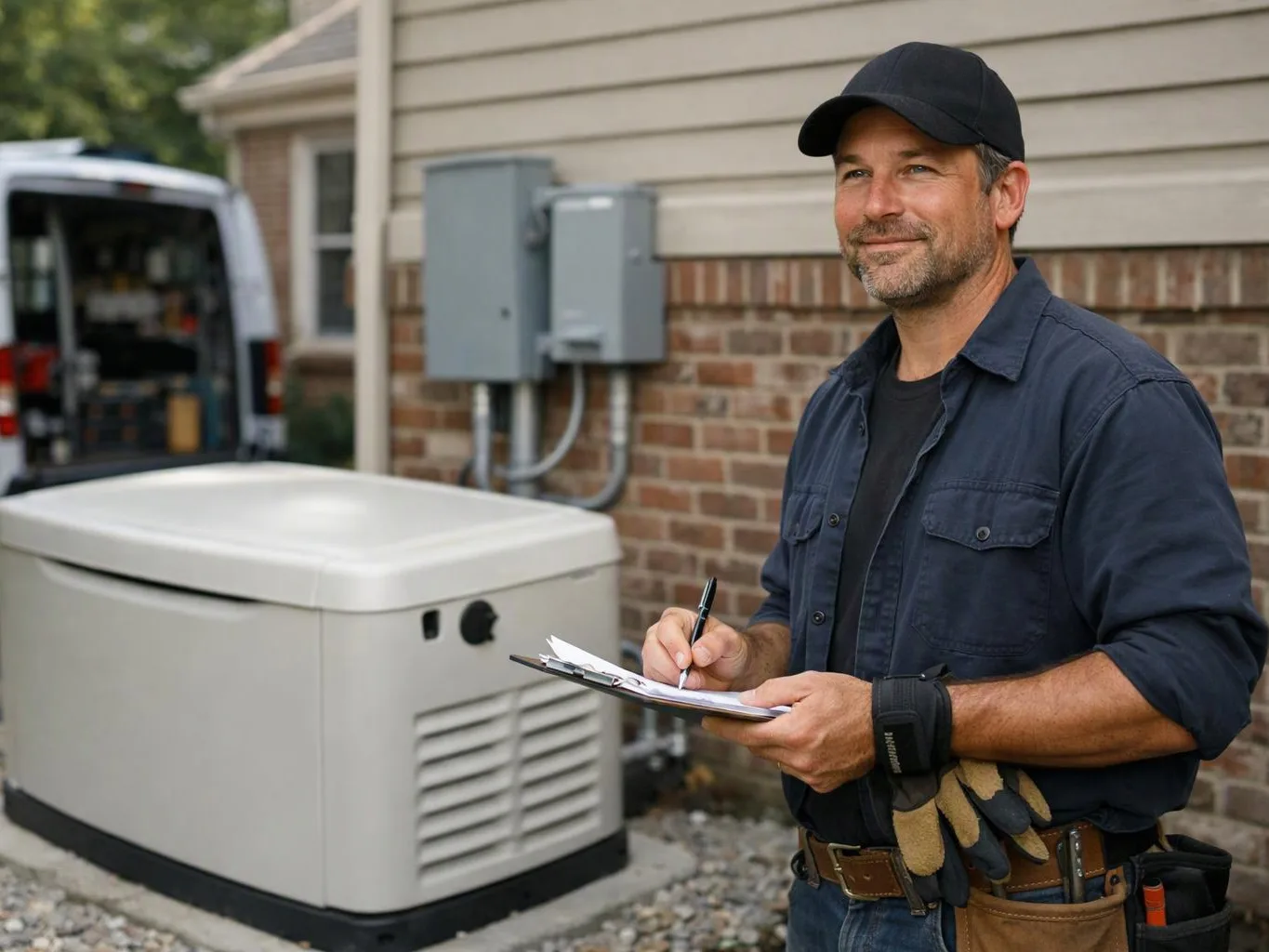
A technician in a black cap writes on a clipboard beside a home generator and service van

Bidirectional charging system troubleshooting in Other Areas

(317) 608-1220