Skip to content

Bidirectional Charging System Troubleshooting in New Whiteland

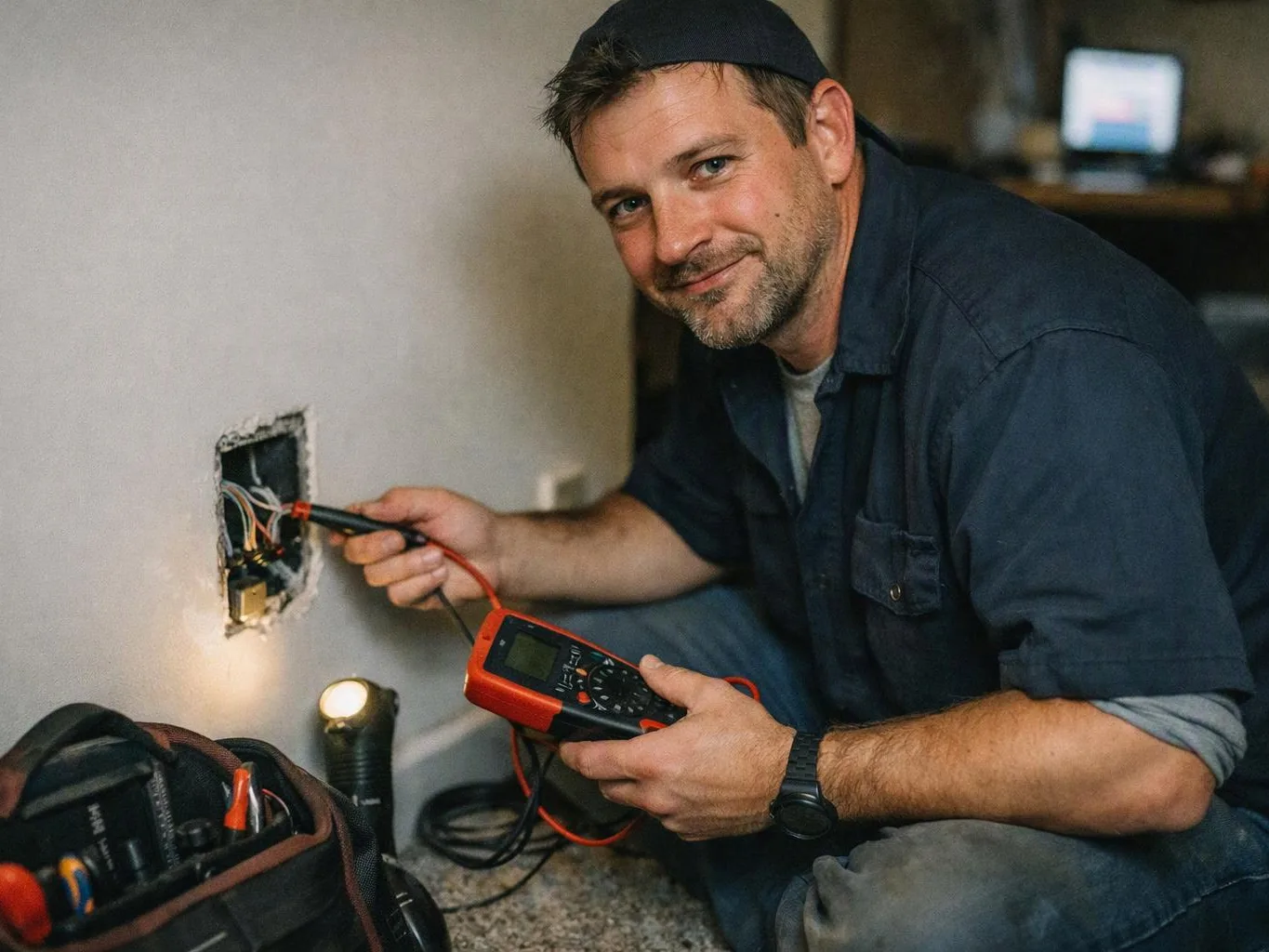
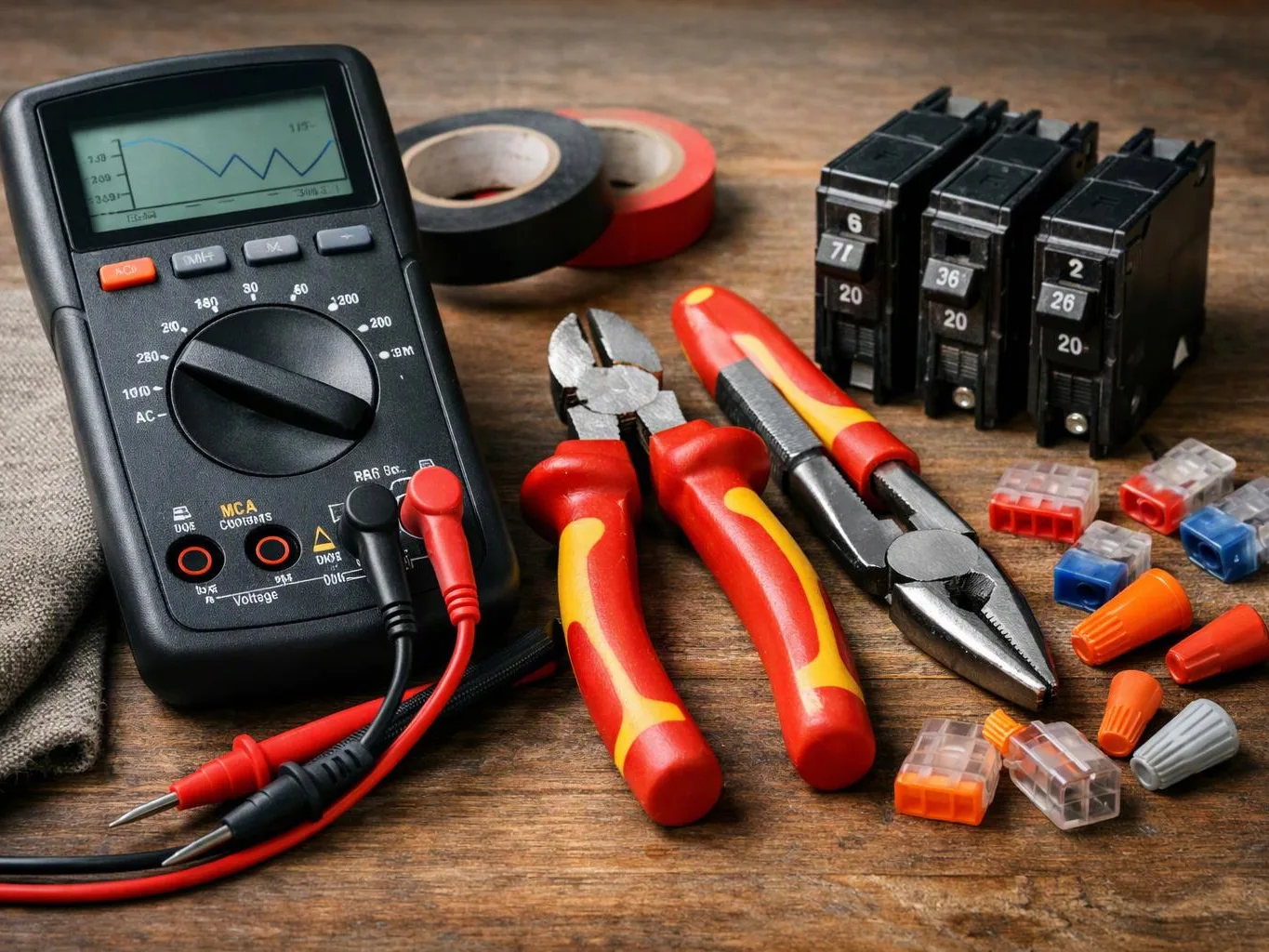
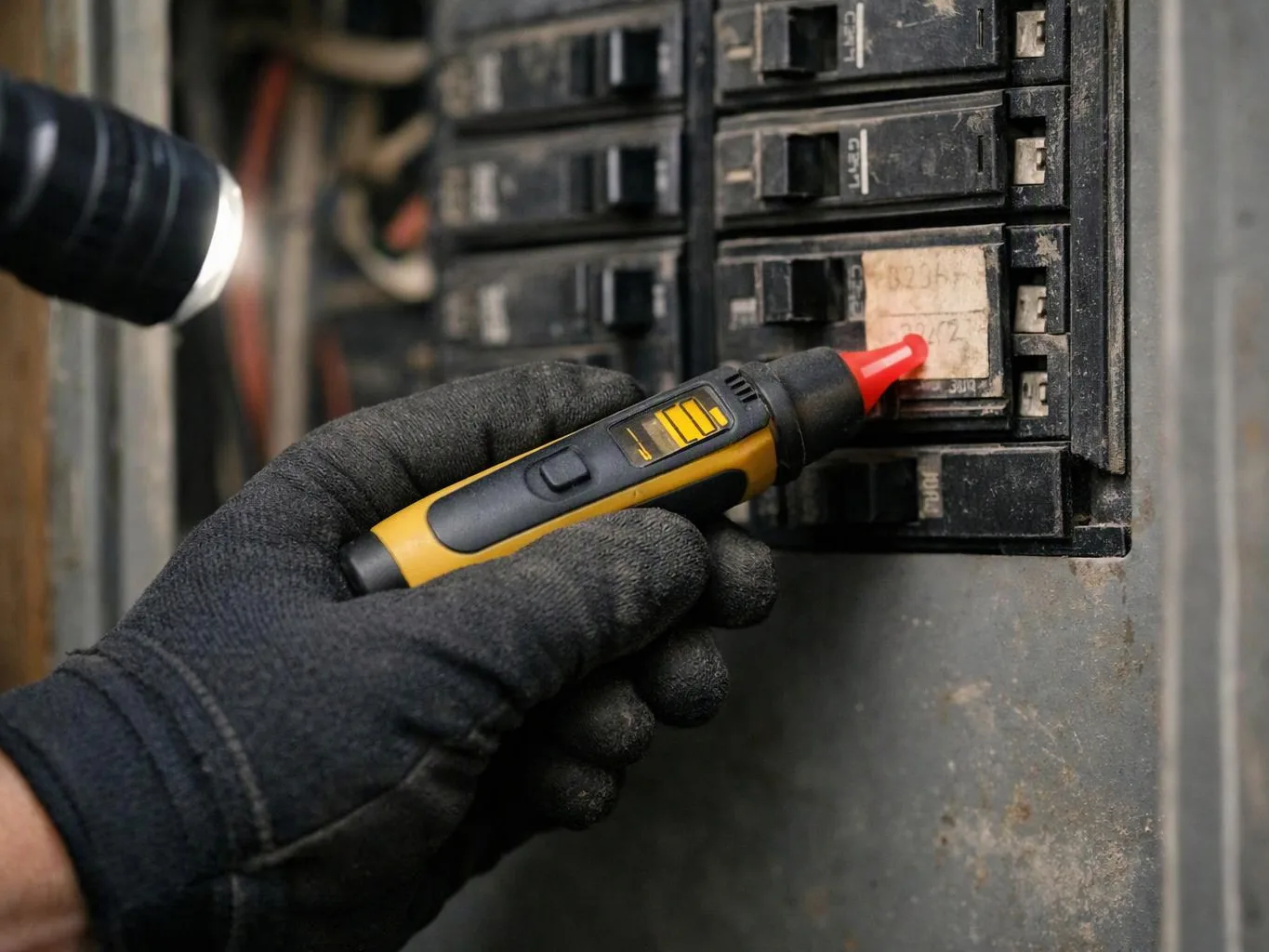
The isolation monitor helps answer the load and capacity question in New Whiteland. We check its readings before tracing faults through the charging system.

Licensed & InsuredWarranty AvailableSame-Day ServiceUpfront, Transparent Pricing

Quick Summary: Bidirectional Charging Troubleshooting in New Whiteland, Indiana

Bidirectional charging system troubleshooting in New Whiteland is provided by GMB Electric for homes and businesses. The service covers fault checks across charging controls and electrical connections, with 24-hour electrical service available.

  • What we do: GMB Electric provides Bidirectional charging system troubleshooting for residential and commercial properties in New Whiteland, Indiana.
  • What is included: Key capabilities include checking charging controls, electrical connections, transfer equipment, and system fault signals.
  • What you get: The customer receives a tested fault path and a clear decision about repair, adjustment, or further electrical work.

Why does the isolation monitor keep showing a fault during bidirectional charging?

An isolation monitor fault points to a problem that needs electrical testing before charging continues. GMB Electric checks the charging circuit, control signals, and connected transfer equipment. Repeated faults should not be bypassed because the monitor helps detect unsafe electrical conditions.
Supporting Clients Across New Whiteland

Bidirectional charging system troubleshooting focuses on the parts that control two-way power flow. The work suits a property owner who sees failed charging, repeated system warnings, or a system that stops during a power transfer.

The key buyer decision is whether the fault sits in the charging equipment, the property wiring, or the transfer controls. We trace the fault before recommending repair work, so the next step matches the tested condition.

This page serves customers seeking this focused diagnostic service in New Whiteland. It differs from a broad electrical repair page because the inspection follows the path of bidirectional power flow.

  • Check the isolation monitor and related fault signals.
  • Trace connections between the charger and property electrical system.
  • Inspect control equipment that manages two-way power flow.
  • Separate a charging-system fault from a wider electrical problem.
  • Explain whether the next step calls for repair, testing, or a separate electrical service.
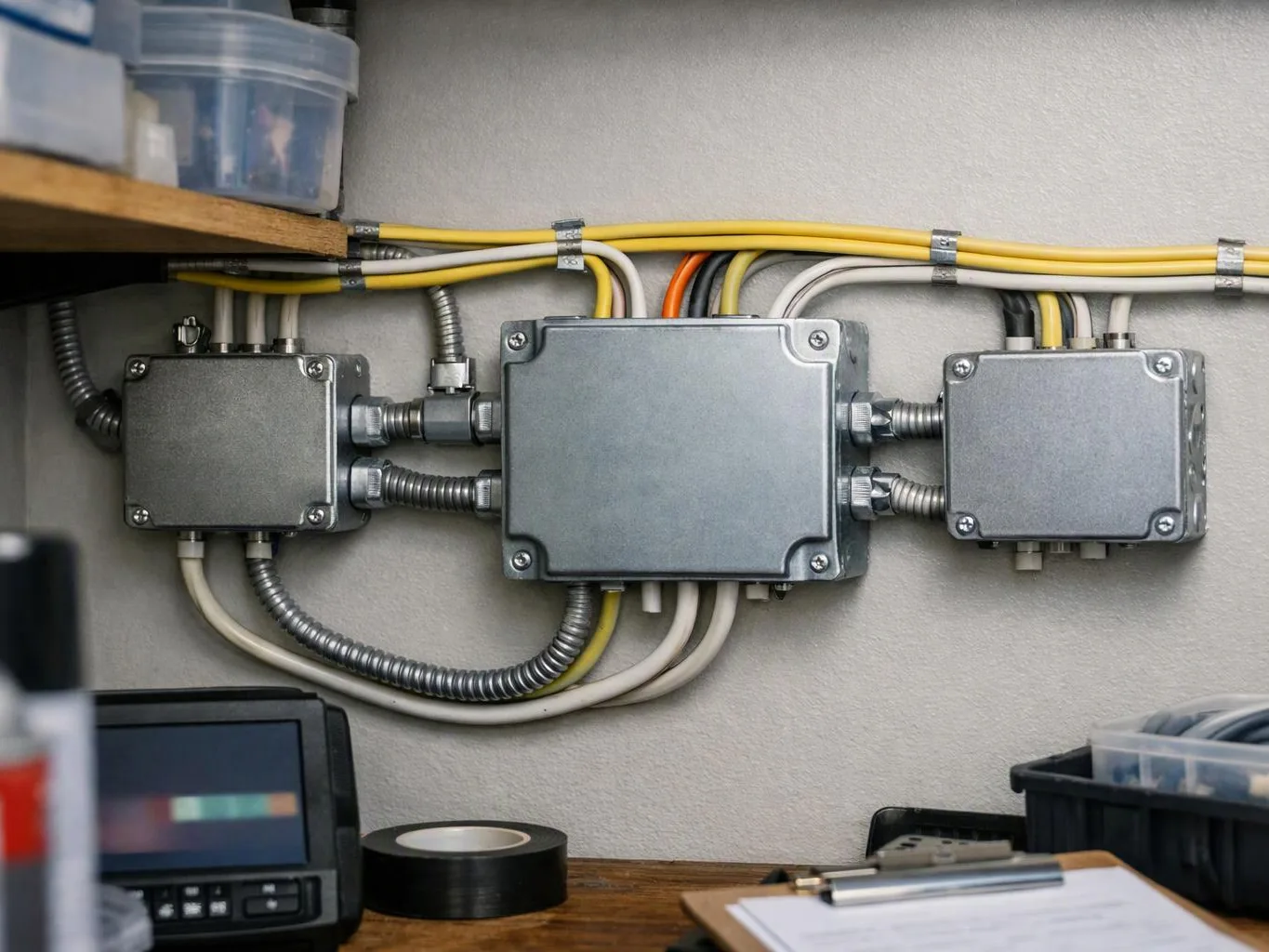
Three gray electrical junction boxes are mounted on a wall and linked by bundled wires and conduit with tools nearby

Service Overview

Bidirectional charging system troubleshooting is a diagnostic service that checks why power cannot move safely between charging equipment, a vehicle, and a property.

  • This work differs from a standard EV charging installation because it finds faults in an existing system instead of simply adding a charger.
  • GMB Electric provides this troubleshooting service for homes and businesses in New Whiteland.
Process

How we trace a bidirectional charging fault

1

Record the reported fault

We document the warning, failed function, and conditions present when charging stopped.

2

Check the isolation signal

We inspect the isolation monitor and test the related electrical path for a fault condition.

3

Trace power and control paths

We follow the circuit through power electronics, the control module, and connected wiring.

4

Inspect transfer equipment

We check the transfer switch and property-side connections when the system moves power between sources.

5

Explain the repair scope

We share the tested findings and explain whether the next step involves repair, further testing, or another electrical service.

A situation this service fits

A typical property scenario involves a bidirectional charger that stops during a power transfer. We check the isolation monitor first, then trace the control module, charging cable, and transfer switch if those parts are present. The findings show whether the issue belongs to the charging system or needs a wider electrical inspection.

How we approach this charging system work

Start with the fault signal

The first check follows the isolation monitor and the warning it reports. We then test related parts in the power path. This service is the wrong fit when the issue is only a standard outlet or unrelated lighting fault.

Trace controls and power flow

Power electronics, the control module, and the transfer switch each affect two-way charging. We check their connections and operating signals so the repair scope follows evidence.

Explain the repair decision

You receive a plain explanation of the fault and the next electrical step. Our licensed and insured electricians support residential and commercial electrical work.

What this charging diagnosis helps you decide

A tested fault path helps separate a charger problem from a property wiring problem.

Checking the control module can show whether the system is receiving and sending the right signals.

Reviewing the transfer switch helps identify a power-flow issue before repair work begins.

The findings give you a clear basis for deciding between a focused repair and broader electrical service.

The process helps protect connected equipment by addressing fault signals instead of bypassing them.

What bidirectional charging troubleshooting includes

GMB Electric provides comprehensive Bidirectional charging system troubleshooting in New Whiteland. Here's what you get:

  • We inspect the isolation monitor and record the fault condition it reports.
  • We check power electronics for signs of an interruption or failed output.
  • We examine the control module and its communication with connected equipment.
  • We inspect the charging cable and its electrical connections.
  • We check the transfer switch when the property uses one for power movement.
  • We explain the tested fault path and the work needed next.

Charging system fault or wider electrical issue

This comparison helps identify which type of assessment fits the reported symptom.

Problem typeWhat we checkLikely next decision
Charging equipment faultIsolation monitor, power electronics, and control signalsFocused charging-system repair or further equipment testing
Property wiring faultCircuit connections, panel supply, grounding, and load pathElectrical repair, panel service, or expanded troubleshooting
Transfer equipment faultTransfer switch and source connectionsTransfer equipment repair or related electrical service

The GMB Electric Standard

  • Urgent Assistance
  • Problem Diagnosis
  • Safe Repairs
  • Clear Communication

Questions about bidirectional charging troubleshooting

Which components are checked during bidirectional charging troubleshooting?

GMB Electric checks the isolation monitor first, then examines the power electronics, control module, charging cable, and transfer switch when present. The inspection follows the reported fault and the system’s power path. We explain which component needs repair or further testing after the checks are complete.

What should be ready before charging system troubleshooting starts?

The equipment location, recent fault message, and charging behavior should be ready before testing starts. Keep access clear around the charger and property electrical equipment. Photos of warning screens and notes about when the fault appears can help us focus the initial assessment.

How does the property wiring affect this troubleshooting work?

Property wiring affects the diagnosis when the charger shares circuits, transfer equipment, or a service panel with other loads. We trace those connections and check for a fault outside the charging equipment. The assessment may lead to separate panel or wiring service when the property circuit causes the symptom.

What should a customer ask before agreeing to charging system troubleshooting?

Ask which parts will be checked, what testing the assessment includes, and what finding would change the repair scope. We explain those points before work begins. You should also ask whether the next step involves the charger, property wiring, or transfer equipment.

Which condition on the property changes the troubleshooting work?

Limited access to the charger, panel, or transfer equipment changes how the inspection is carried out. We need to reach the connected electrical parts and trace the circuit safely. A shared commercial or residential electrical setup may also require a wider circuit review.

When should a charging fault become an urgent electrical call?

A burning smell, buzzing panel, sparking connection, or repeated breaker trip makes the issue urgent. Stop using the affected equipment and keep clear of damaged parts. GMB Electric provides 24-hour emergency electrical response for urgent electrical problems.

Who provides bidirectional charging system troubleshooting in New Whiteland?

GMB Electric provides bidirectional charging system troubleshooting in New Whiteland for residential and commercial properties. We inspect the charging system and related electrical connections. Our licensed and insured electricians explain the findings and the next work needed.
Contact

Request a quote for bidirectional charging troubleshooting

Ask GMB Electric for an assessment of your charging system in New Whiteland, and urgent requests get priority scheduling.

Split image shows a ceiling hole before and a smoke detector after, with a wooden step ladder below

Bidirectional charging system troubleshooting in Other Areas

(317) 608-1220