Skip to content

Bidirectional Charging System Troubleshooting in Homecroft, Indiana

Safe isolation testing guides bidirectional charging system troubleshooting in Homecroft. We check the isolation monitor before reviewing power flow and control signals.

Licensed & InsuredWarranty AvailableSame-Day ServiceUpfront, Transparent Pricing

Quick Summary: Bidirectional charging system troubleshooting in Homecroft, Indiana

Bidirectional charging system troubleshooting in Homecroft is performed by GMB Electric for residential and commercial properties. The service checks charging controls, power flow, cables, and transfer equipment, with 24-hour electrical service available for urgent electrical issues.

  • What we do: GMB Electric provides Bidirectional charging system troubleshooting for residential and commercial properties in Homecroft, Indiana.
  • What is included: We inspect isolation monitoring, power electronics, control signals, charging cables, transfer switches, wiring, and related electrical connections.
  • What you get: The customer receives a clear fault finding and a defined repair or replacement path.

Why does my bidirectional charging system keep showing a fault in Homecroft, Indiana?

A fault can come from isolation monitoring, power electronics, control signals, cable connections, or transfer equipment. We test each part in a safe order and identify the point where charging or power flow stops.
Bidirectional charging system troubleshooting in Homecroft

Bidirectional charging system troubleshooting focuses on systems that charge a vehicle and send stored power back to a property. The work suits homeowners, businesses, and property managers who see fault messages, failed charging, lost power transfer, or repeated shutdowns.

The key buyer decision is whether the fault sits in the charger, the vehicle connection, the building circuit, or the transfer path. We test those areas before recommending repair or replacement. A standard EV charging installation does not answer that question because it does not trace a live bidirectional fault.

The service also fits properties that need a planned electrical review before adding vehicle-to-home power features. We provide clear recommendations based on the equipment and wiring we can inspect.

  • Check the isolation monitor and related safety readings.
  • Trace power flow through the charger and building circuit.
  • Review control signals between the charging equipment and transfer equipment.
  • Inspect the charging cable and connection points for visible damage.
  • Test the transfer switch and related electrical connections.
  • Explain whether the next step is repair, replacement, or further testing.
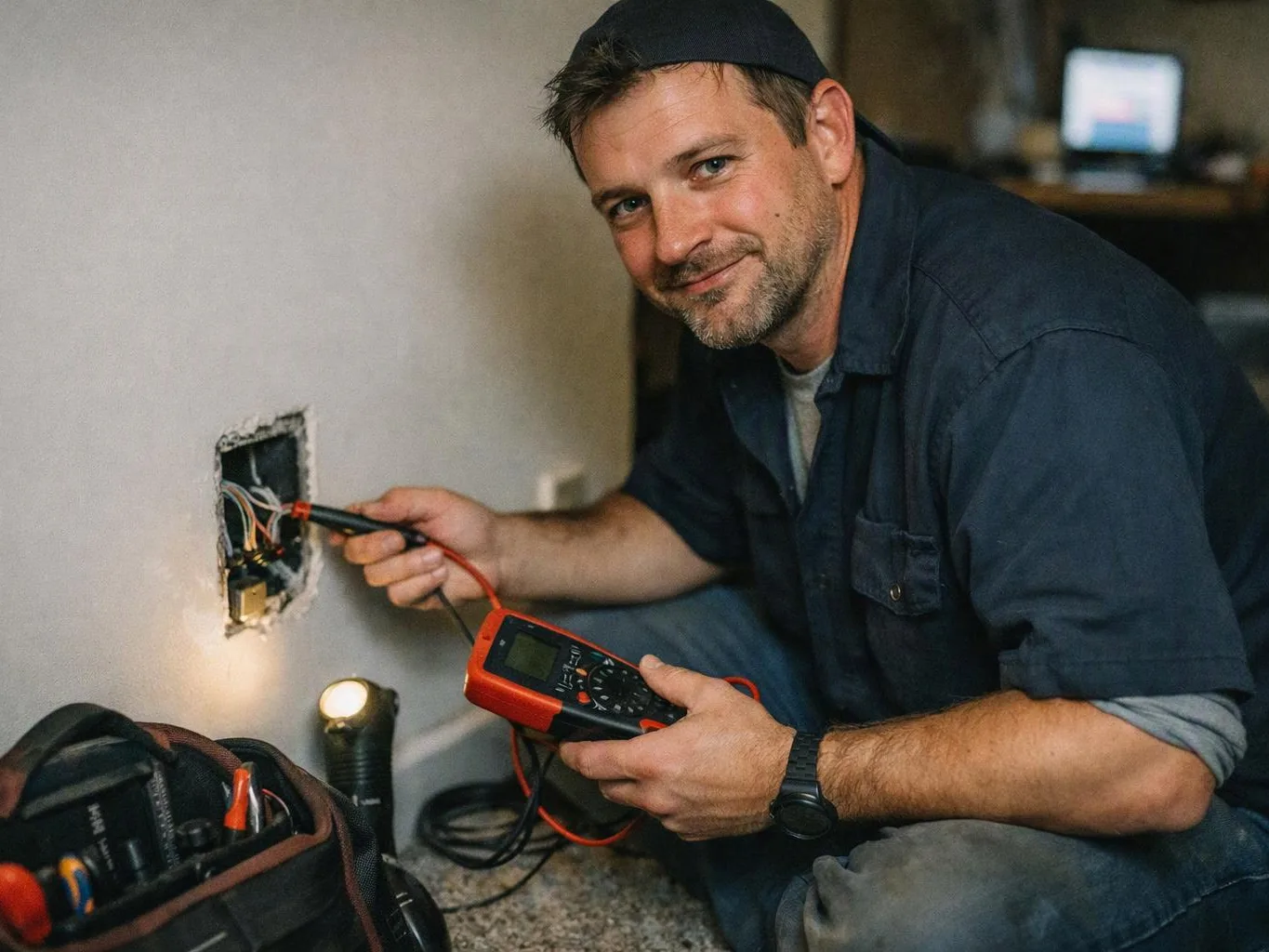
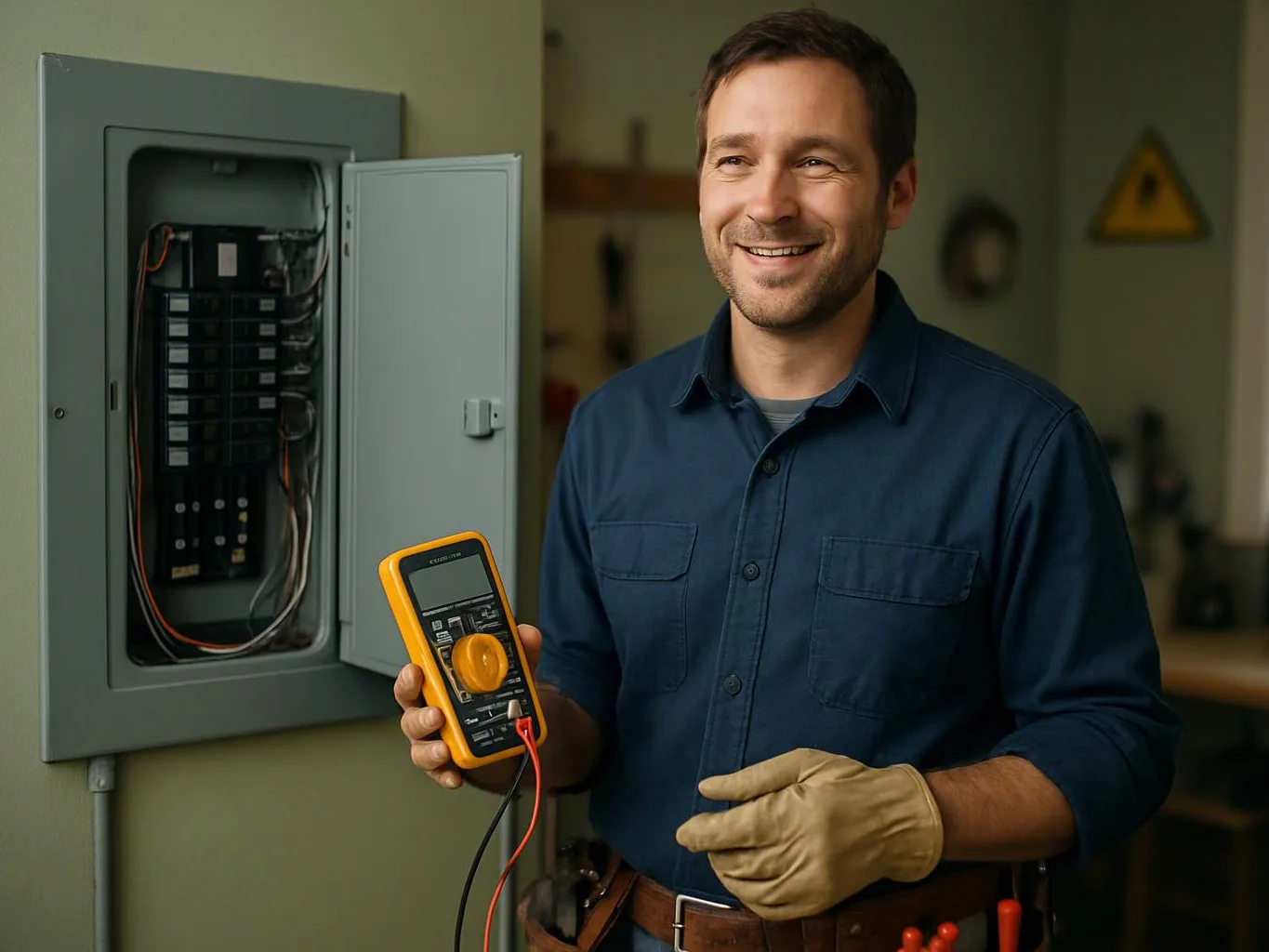
A smiling electrician holds a yellow multimeter beside an open circuit breaker panel indoors

Service Overview

Bidirectional charging system troubleshooting is a diagnostic service that checks equipment used to send power into and out of a vehicle or energy system.

  • The work differs from a standard EV charging installation because we trace a fault across control, power, and transfer parts instead of only installing a new circuit.
  • GMB Electric provides this service for homes and businesses in Homecroft.

What this troubleshooting work changes

Fault tracing helps separate a charging problem from a building circuit problem.

Testing can show whether one part needs repair or whether the system needs wider electrical work.

A documented diagnosis gives you a clearer basis for planning the next step.

Safety checks help identify conditions that should be isolated before the system is used again.

The review supports both residential energy systems and commercial electrical equipment.

What bidirectional charging troubleshooting includes

GMB Electric provides comprehensive Bidirectional charging system troubleshooting in Homecroft. Here's what you get:

  • We inspect the isolation monitor and test the safety path around the charging equipment.
  • We check power electronics for signs of failed conversion or interrupted power flow.
  • We trace the control module and its signals during the fault condition.
  • We inspect the charging cable, plugs, terminals, and visible connection points.
  • We review the transfer switch and the building-side wiring connected to it.
  • We document the fault location and explain the next service decision.

What customers get from this charging system diagnosis

A defined fault path

The diagnosis follows the power and control path from the vehicle connection to the property equipment. We explain what the tests show before setting the repair scope.

Electrical work beyond the charger

Our residential and commercial electrical experience helps us review panels, wiring, grounding, and transfer equipment when the fault reaches beyond the charging unit.

A clear limit on the service

This service is the wrong first job when the issue is only a planned installation with no fault to trace. In that case, an electrical design or installation review fits better.

Process

How we troubleshoot bidirectional charging systems

1

Review the fault symptoms

We record the warning, failed function, and conditions that occur when charging or power transfer stops.

2

Isolate the electrical system

We make the equipment safe before opening or testing connected electrical parts.

3

Trace power and control paths

Circuit tracing follows the charger, control module, building wiring, and transfer equipment to locate the break in operation.

4

Test the suspected component

We test the relevant part and compare the result with the system behavior.

5

Agree what the repair includes

We explain whether the next step involves electrical repair, component replacement, further testing, or a separate installation review.

Charging fault diagnosis compared with related electrical work

These service types differ by the customer decision they need to answer.

Service typeMain questionTypical focus
Bidirectional charging troubleshootingWhere is the charging or power-transfer fault?Control, power, cable, transfer, and building-side checks
EV charging installationHow should new charging equipment connect to the property?Circuit planning, wiring, protection, and installation
Electrical panel serviceCan the panel safely support the property load?Panel condition, breakers, wiring, and available capacity

The GMB Electric Standard

  • Urgent Assistance
  • Problem Diagnosis
  • Safe Repairs
  • Clear Communication

Questions about bidirectional charging system faults

Which components are checked during bidirectional charging troubleshooting?

The isolation monitor is checked first for safety-related faults, then we review power electronics, the control module, charging cable, and transfer switch.

  • Isolation monitor readings
  • Power and control connections
  • Cable and transfer equipment

The exact test path follows the symptom and the accessible equipment.

How is troubleshooting matched to the property before work starts?

Property type, electrical layout, equipment access, and the reported fault shape the inspection plan. Residential and commercial systems may have different panels, wiring paths, and transfer equipment. We review those details before setting the work scope, so the assessment addresses the actual system.

What should be ready before troubleshooting starts?

The charging equipment, connected panel, fault message, and access path should be ready for inspection.

  • Keep the equipment area clear.
  • Record warning messages or shutdown conditions.
  • Keep installation documents available if you have them.

Do not keep resetting equipment that shows a repeated electrical fault.

Which property condition changes the time needed for diagnosis?

Limited equipment access, unclear circuit labeling, damaged wiring, and faults that cross several panels can add diagnostic work. We check access and circuit paths first, then explain the scope that the system requires. No fixed duration applies to every charging setup.

When should a bidirectional charging fault become an urgent electrical call?

A burning smell, buzzing panel, sparking connection, or repeated breaker trip calls for urgent electrical attention. Turn off the affected equipment if it is safe to do so, and avoid opening the panel. We handle urgent electrical issues through our 24-hour electrical service.

Why does a charging system need more than a cable check?

A cable check cannot confirm whether power conversion, control signals, or transfer equipment is working. We inspect the cable and follow the circuit into the charger and property equipment. That wider check helps separate a connection fault from a control or electrical fault.

Who provides this troubleshooting service for Homecroft properties?

GMB Electric provides bidirectional charging system troubleshooting for residential and commercial properties in Homecroft. We also handle electrical repairs, panel service, wiring, inspections, and related charging work. The reported symptom and equipment access determine the assessment scope.

Bidirectional charging system troubleshooting in Other Areas

Contact

Request an estimate for charging system troubleshooting in Homecroft

Tell us what the system is doing, and urgent requests get priority scheduling.

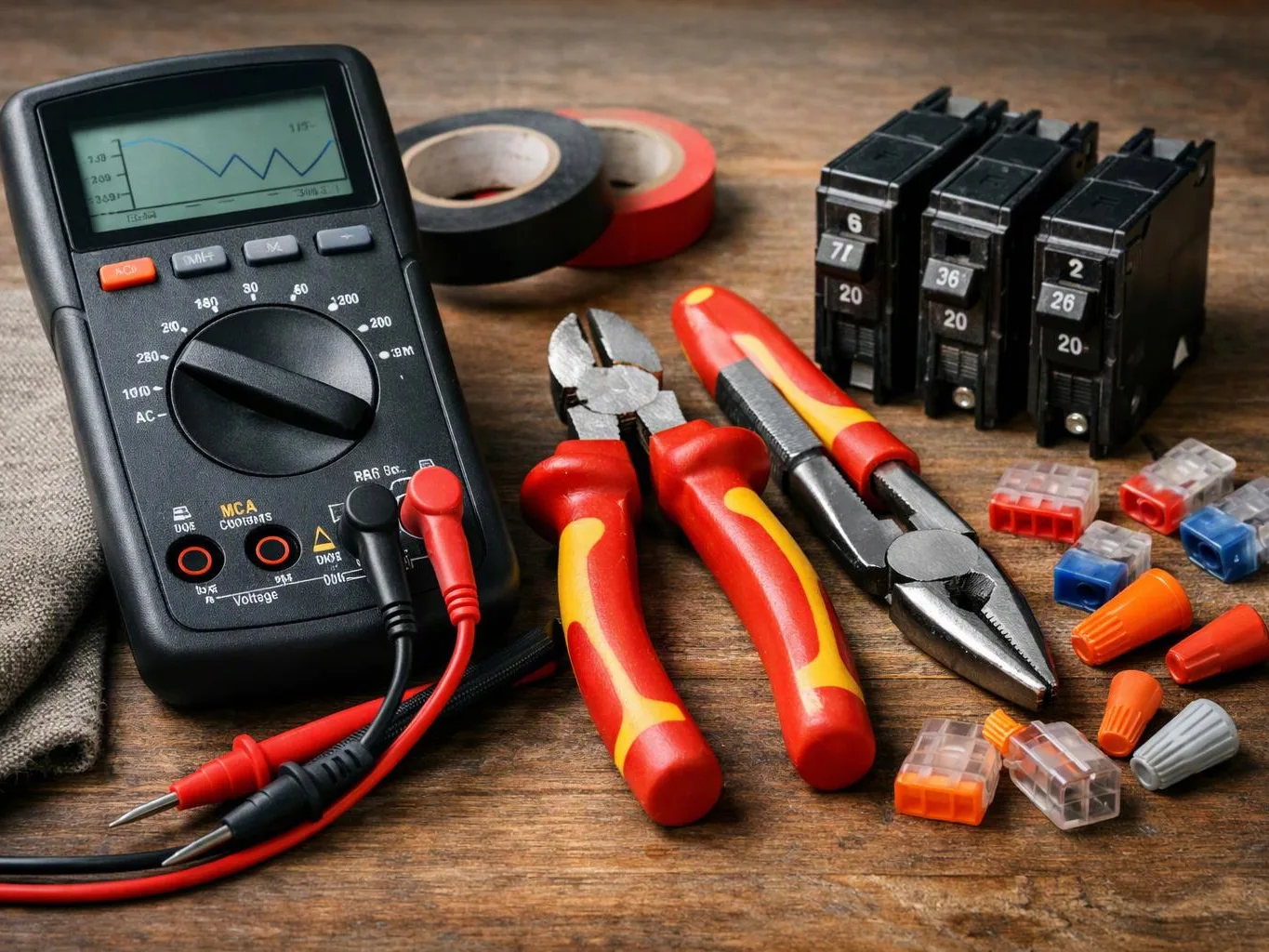
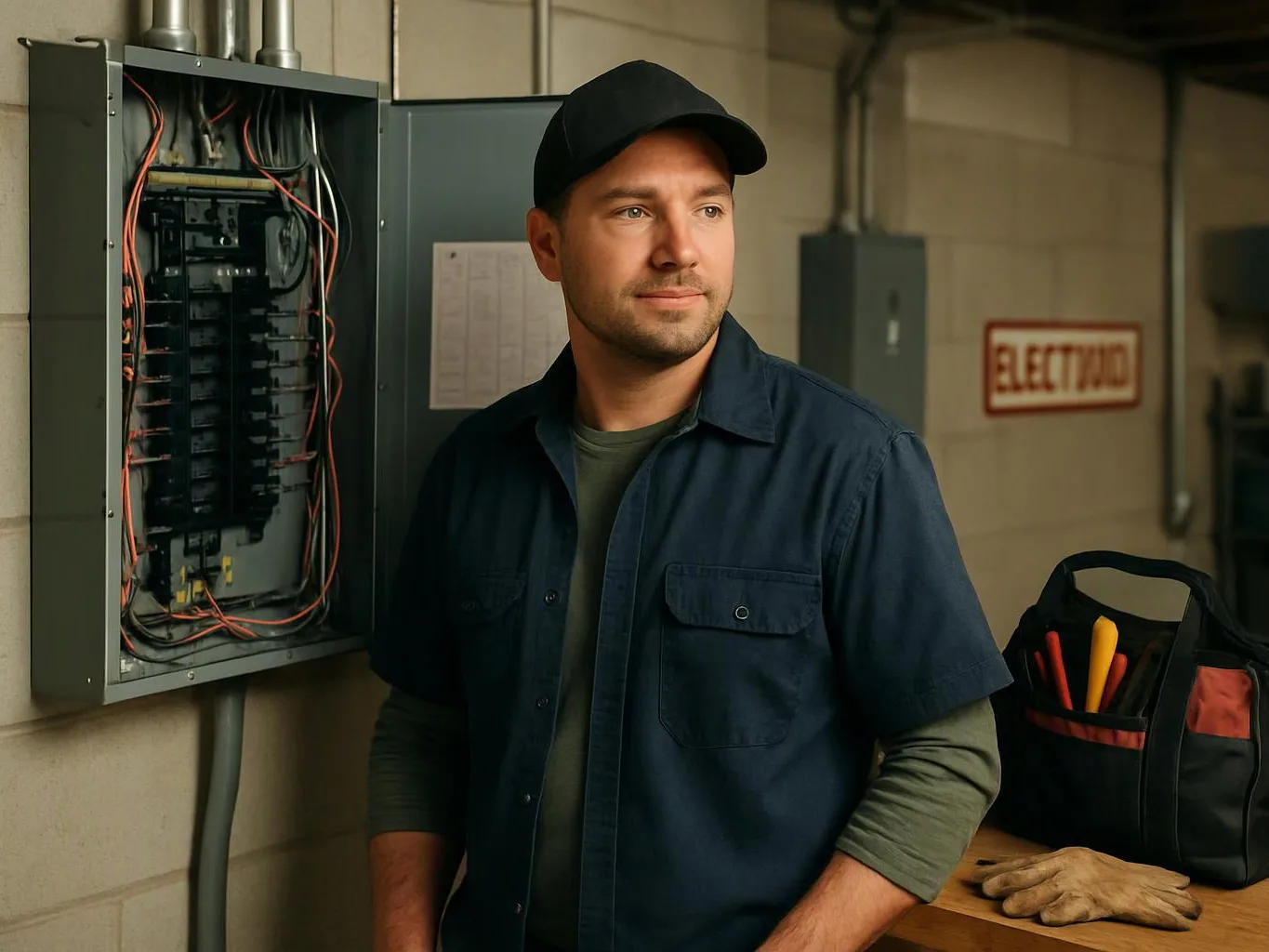
A man in a cap stands beside an open electrical panel, with tools and gloves on a workbench
(317) 608-1220