Skip to content

Bidirectional Charging System Troubleshooting in Fairfield Heights

Communication failure can affect load transfer in Fairfield Heights when charger settings, inverter signals, or relay status do not match. We trace the fault and explain the next repair step.

Licensed & InsuredWarranty AvailableSame-Day ServiceUpfront, Transparent Pricing

Quick Summary: Bidirectional charger troubleshooting in Fairfield Heights, Indiana

Bidirectional charging system troubleshooting in Fairfield Heights is provided by GMB Electric for charger communication faults, grid settings, inverter faults, transfer relays, and firmware issues. The service supports residential and commercial properties through our 24-hour electrical service.

  • What we do: GMB Electric provides Bidirectional charging system troubleshooting for residential and commercial properties in Fairfield Heights, Indiana.
  • What is included: We trace charger signals, check grid settings, inspect inverter faults, test transfer relay operation, and review firmware status.
  • What you get: The charger has a diagnosed transfer fault and a clear repair path.

Why is my bidirectional charger not transferring power?

Communication failure can stop a bidirectional charger from transferring power. Grid settings, inverter faults, transfer relay status, and firmware issues can interrupt the control signal, so we test each part before recommending repair.
Tailored Solutions for Fairfield Heights

Bidirectional charging system troubleshooting focuses on the control path behind power transfer. The charger may have power, yet the system can still stop because its communication signal, grid setting, inverter state, relay, or firmware does not agree with the other equipment.

The buyer's key decision is whether the fault sits in the charger system or in the property's electrical supply. We isolate the issue, check the related electrical parts, and explain whether the next step is repair, adjustment, or further equipment service.

This page serves customers who already have bidirectional charging equipment and need a focused diagnosis. It does not replace a new EV charging installation, a panel upgrade, or unrelated vehicle repair.

  • Confirm whether the charger has power and shows a fault message.
  • Trace the communication path between the charger and connected equipment.
  • Check grid settings, inverter status, transfer relay operation, and firmware information.
  • Separate an electrical fault from an equipment or control fault.
  • Explain the repair scope before additional work begins.
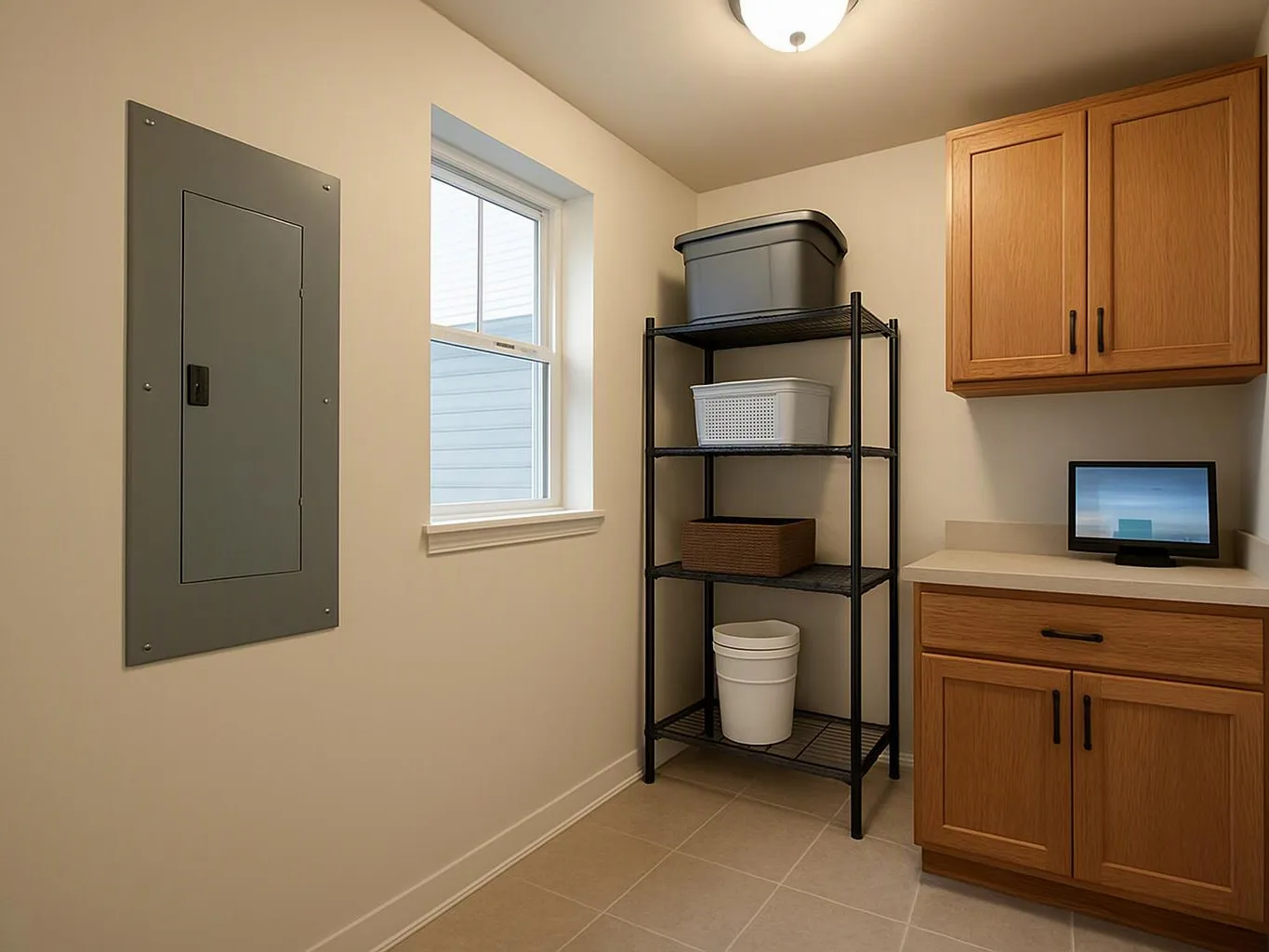
A small utility room with cabinets, a metal shelf of storage bins, a window, and an electrical panel

Service Overview

Bidirectional charging system troubleshooting is a diagnostic service that finds why power does not move between a charger, property, vehicle, or grid connection.

  • It differs from standard EV charging installation because the work follows a failed power-transfer path instead of setting up a new charger.
  • GMB Electric provides this troubleshooting service for homes and businesses in Fairfield Heights.

What this troubleshooting changes for your charger

You get a focused diagnosis for a charger that has stopped transferring power.

Testing helps separate a communication fault from a supply, inverter, relay, or firmware issue.

Clear recommendations help you decide whether the next step is an electrical repair or equipment support.

The work can reduce guesswork before a repair, replacement, or system adjustment.

Residential and commercial owners receive guidance tied to the equipment and property electrical system.

How we approach bidirectional charger faults

Trace the transfer signal

The first decision is whether the charger is sending and receiving the control signal. We trace that path before setting a repair scope, then test the related electrical parts.

Separate electrical and equipment faults

Grid settings, inverter alarms, and relay status can point to different causes. Our checks help show whether the property wiring needs work or the equipment needs manufacturer support.

Know when this is the wrong job

This service is the wrong fit when the issue is only vehicle repair, internet service, or a new charger installation with no fault to diagnose.

Process

How we troubleshoot a failed power transfer

1

Record the charger symptoms

We note the display message, transfer state, connected equipment, and conditions that appear before the fault.

2

Check the electrical supply

We inspect the charger supply and related protective devices, then isolate unsafe conditions before deeper testing.

3

Trace the communication path

We check the control signal between the charger, inverter, relay, and other connected equipment.

4

Review settings and fault data

We examine grid settings, inverter fault information, relay status, and firmware details for mismatched conditions.

5

Explain the repair scope

We give clear recommendations based on the diagnosed fault and explain any further electrical or equipment steps.

What bidirectional charger troubleshooting includes

GMB Electric provides comprehensive Bidirectional charging system troubleshooting in Fairfield Heights. Here's what you get:

  • We inspect the charger and its electrical supply for signs of a power or control fault.
  • We check communication signals that control power transfer between connected equipment.
  • We review grid settings that may block the intended transfer mode.
  • We inspect inverter fault information and test the transfer relay when access is available.
  • We review firmware information and note whether an equipment update or manufacturer step may be needed.
  • We document the diagnosed issue and explain the next electrical repair or adjustment.

Power-transfer fault areas we compare

These fault areas point to different checks during a bidirectional charger assessment.

Fault areaWhat we checkPossible next step
Communication signalSignal between connected equipmentTrace wiring and control status
Grid settingsSettings that govern transfer behaviorReview settings and system requirements
Inverter faultFault data and power conversion statusDiagnose electrical or equipment issue
Transfer relayRelay status and switching pathTest relay and related wiring
Firmware issueFirmware information and system statusFollow equipment update or support steps

The GMB Electric Standard

  • Urgent Assistance
  • Problem Diagnosis
  • Safe Repairs
  • Clear Communication

Questions about bidirectional charger troubleshooting

Why does my bidirectional charger stop before transferring power?

Communication failure can stop the transfer sequence before power moves. We check the control signal, grid settings, inverter fault data, transfer relay, and firmware status. A visible charger message helps narrow the fault, but the electrical path still needs testing. Keep the equipment in its safe state and provide the displayed code when requesting an assessment.

How is the troubleshooting matched to my property before work starts?

The property electrical layout and connected equipment determine the testing path. We review the charger location, supply connection, inverter, transfer equipment, and affected loads before setting the work scope. Access matters because hidden connections or restricted panels can limit what we can test during the first assessment.

Which property condition can change the time needed for diagnosis?

Limited access to the charger, inverter, relay, or electrical panel can extend the diagnostic work. We also need to account for unclear wiring, missing equipment records, or a fault that appears only during a transfer cycle. Clear access and available installation documents help us test the right parts without unnecessary steps.

What should be ready before troubleshooting starts?

The charger display, equipment access, and installation information should be ready before testing begins.

  • Keep the charger and electrical panel accessible.
  • Save any fault codes or warning messages.
  • Gather equipment manuals and prior service records.

Do not remove covers or change settings unless the manufacturer directs you to do so.

Can a failed transfer relay cause the charger to stop?

A failed transfer relay can interrupt the power path and stop a completed transfer. We inspect relay status, related wiring, and the control signal before recommending relay work. The relay is only one possible cause, so we also check the inverter and grid settings during the same diagnosis.

What changes the quote for this troubleshooting job?

The quote changes with equipment access, fault complexity, testing needs, and any repair found during diagnosis. We explain the scope before added work begins and provide a quote based on the property and equipment involved. GMB Electric offers free estimates for the requested electrical work.
Contact

Request a bidirectional charger troubleshooting estimate

Ask for an assessment of the charger fault, and urgent requests get priority scheduling.

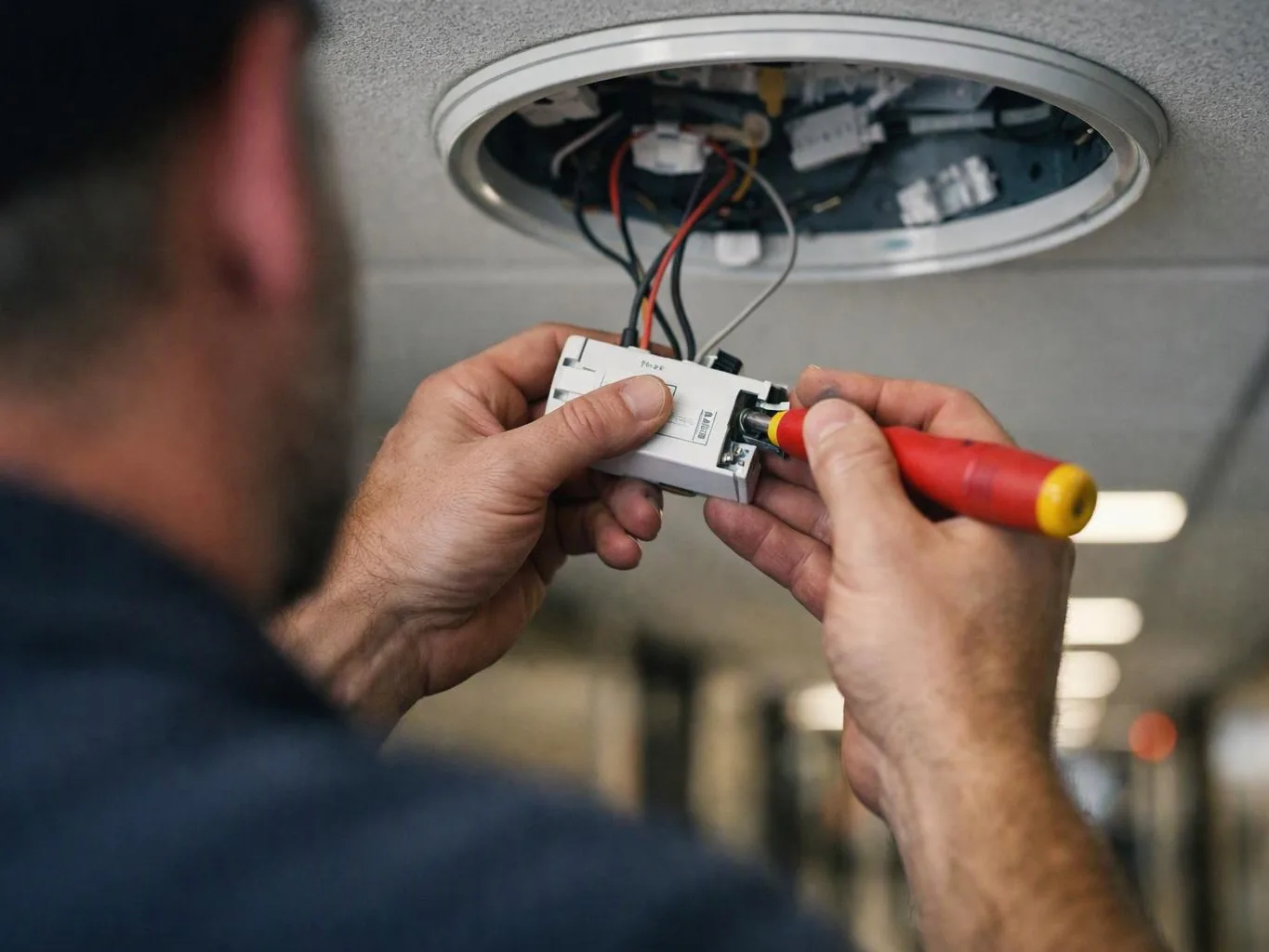
A technician adjusts wiring in a ceiling fixture with a red-handled screwdriver indoors

Bidirectional charging system troubleshooting in Other Areas

(317) 608-1220