Skip to content

Bidirectional Charging System Troubleshooting in Zionsville, Indiana

Can a communication failure explain the load and power capacity issue in Zionsville? We trace the fault before setting the repair scope.

Licensed & InsuredWarranty AvailableSame-Day ServiceUpfront, Transparent Pricing

Quick Summary: Bidirectional Charger Troubleshooting in Zionsville, Indiana

Bidirectional charging system troubleshooting identifies transfer faults, grid settings, inverter issues, and firmware problems for homes and businesses in the area. GMB Electric provides 24-hour electrical service for urgent issues and planned electrical projects.

  • What we do: GMB Electric provides Bidirectional charging system troubleshooting for Zionsville, Indiana homes and businesses.
  • What is included: We trace charger controls, check inverter faults, test transfer relays, review grid settings, and assess firmware-related faults.
  • What you get: The charger transfers power safely, or the fault is identified for the next repair decision.

Why does my bidirectional charger stop transferring power in Zionsville, Indiana?

Communication failure often stops a bidirectional charger from transferring power. GMB Electric checks the charger controls, inverter, transfer relay, grid settings, and firmware path to identify the fault. A burning smell, buzzing panel, or repeated breaker trip needs urgent electrical attention before anyone resets the system.
Bidirectional Charging System Troubleshooting in Zionsville

Bidirectional charging system troubleshooting focuses on a charger that connects but does not transfer power as expected. The issue may sit in the communication path, inverter, transfer relay, grid settings, or firmware. We check the full path before deciding whether the next step is repair, reset, replacement, or another electrical service.

This page helps owners decide whether they need focused charger diagnosis or a wider electrical inspection. A charger problem does not always mean the charger itself has failed. We review the symptom, isolate the affected part, and explain what the test results mean.

The work suits residential and commercial properties with bidirectional charging equipment. It does not replace vehicle software support or manufacturer warranty decisions, but our electrical checks can show where those questions begin.

  • Record whether the charger connects before power transfer stops.
  • Note any inverter warning, relay sound, breaker trip, or screen message.
  • Keep access clear to the charger, electrical panel, inverter, and related equipment.
  • Share available equipment records or error codes before the assessment.
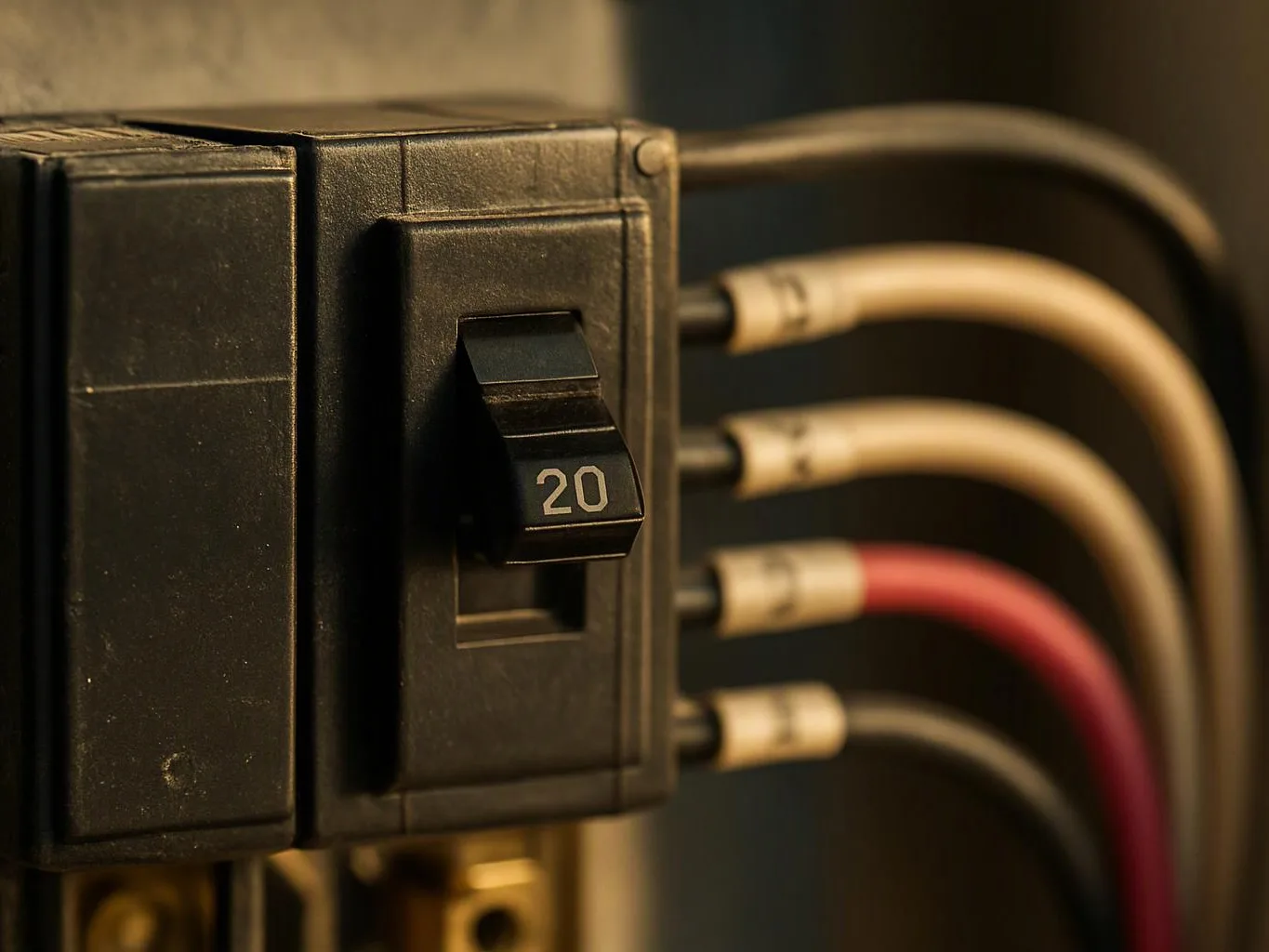
A close-up shows a black circuit breaker labeled 20 with several connected wires in a dim panel box

Service Overview

Bidirectional charging system troubleshooting is an electrical service that finds why power does not move between a vehicle, charger, property, and grid.

  • This work differs from EV charging installation because it diagnoses an operating system instead of setting up a new charger.
  • GMB Electric provides this troubleshooting for homes and businesses in the area.

What Bidirectional Charger Troubleshooting Includes

GMB Electric provides comprehensive Bidirectional charging system troubleshooting in Zionsville. Here's what you get:

  • We inspect the charger connection and trace the control path that permits power transfer.
  • We check the inverter for fault conditions that interrupt charging or discharge.
  • We test the transfer relay and related wiring for switching problems.
  • We review grid settings that can block export or backup operation.
  • We assess firmware-related symptoms and separate electrical faults from software concerns.
  • We explain the findings and recommend the next electrical step.

A situation this service fits

A homeowner in Zionsville may see the charger connect, hear a relay click, and still receive no power transfer. We would inspect the communication path, inverter status, relay operation, and panel connections before setting the repair scope. If the checks point to vehicle software or manufacturer control, we explain that limit clearly.

How We Approach Bidirectional Charger Faults

Start with the transfer symptom

The symptom guides the first checks, such as a failed handoff, a stopped discharge, or a charger that loses its control link. We document what the system does before testing the parts involved.

Trace the complete control path

A transfer problem can involve more than the charger. We follow the path through the inverter, relay, settings, and wiring so the recommendation matches the fault.

Know when another service fits

This service is the wrong first job when the concern is only vehicle software, account access, or a manufacturer warranty decision. We focus on the electrical equipment and identify when another support path is needed.

Process

How We Troubleshoot a Bidirectional Charger

1

Record the transfer symptom

We note whether the charger connects, starts, stops, or refuses to transfer power, then review displayed warnings and fault messages.

2

Inspect the electrical path

We check accessible wiring, panel connections, the charger, inverter, and transfer relay for conditions that interrupt operation.

3

Test system controls

We review communication links, grid settings, relay action, and inverter status to narrow the fault to the right section.

4

Explain the repair choice

We describe the finding and recommend the next electrical step, which may involve repair, replacement, adjustment, or manufacturer support.

What This Charger Diagnosis Helps You Decide

You learn whether the fault sits in the charger, inverter, relay, settings, or control path.

Testing helps separate an electrical repair from a manufacturer or software support issue.

A clear diagnosis helps prevent repeated resets that do not address the fault.

The findings support a safer choice between repair, replacement, and further system review.

Which Bidirectional Charger Fault Area Needs Attention?

These fault areas point to different checks and different next steps.

Fault areaWhat we checkPossible next decision
Communication pathControl link and charger messagesElectrical diagnosis or control support
Inverter faultInverter status and connected wiringElectrical repair or equipment support
Transfer relayRelay action and switching connectionsRelay or wiring repair
Grid settingsExport and power-response settingsSetting review or further system support

The GMB Electric Standard

  • Urgent Assistance
  • Problem Diagnosis
  • Safe Repairs
  • Clear Communication

Questions About Bidirectional Charger Troubleshooting

Why does my bidirectional charger stop transferring power?

Communication failure can stop the charger from transferring power. GMB Electric checks the control link, inverter status, transfer relay, grid settings, and firmware symptoms. A charger that connects but stops at the transfer stage needs system-level testing. Repeated resets may hide the symptom without fixing the cause.

Which part of the property decides the troubleshooting scope?

The electrical path between the charger, panel, inverter, and transfer relay decides the troubleshooting scope. Access to those parts lets us trace where power transfer stops. Panel condition, wiring access, and the location of related equipment can expand the assessment beyond the charger itself.

Which material changes how long the troubleshooting takes?

The wiring and equipment layout change the time needed for troubleshooting. Enclosed wiring, difficult panel access, or equipment spread across the property can require more tracing. We assess the accessible path first and explain the scope before work proceeds, without promising an unsupported duration.

How does a charger troubleshooting visit move from the first call to the last step?

The visit moves from symptom review to inspection, testing, diagnosis, and a repair recommendation. We start with the charger message and transfer behavior. Then we check the panel, inverter, relay, settings, and control path. The final step is a clear explanation of the finding and next electrical action.

What should I do before requesting this electrical assessment?

The safest preparation is to keep the charger, panel, inverter, and transfer equipment accessible. Record warning messages and note when power transfer stops. Do not open energized equipment or repeatedly reset a tripped breaker. Burning smells, buzzing panels, or heat call for urgent electrical attention.

When is the charger fault an urgent electrical problem?

A charger fault becomes urgent when it involves heat, smoke, a burning smell, sparking, or repeated breaker trips. Stop using the affected equipment and keep clear of exposed parts. GMB Electric provides 24-hour electrical service for urgent electrical issues and can assess the related wiring and equipment.
Contact

Request a Quote for Bidirectional Charger Troubleshooting in Zionsville

Tell us what the charger is doing and request your quote. Urgent requests get priority scheduling.

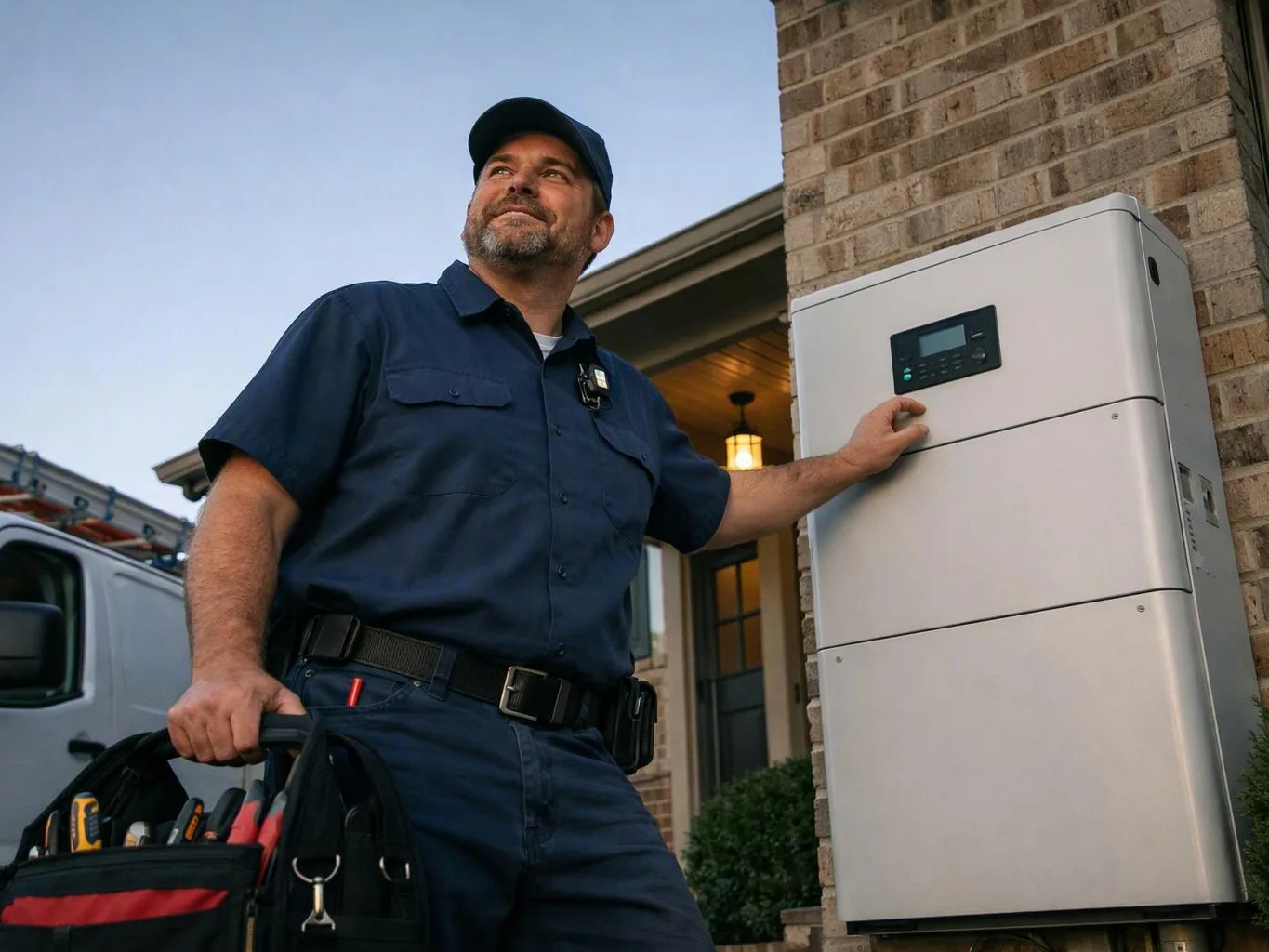
A technician in a navy uniform stands by a wall-mounted control box outside a brick house, holding a tool bag

ZIP Codes We Serve in Zionsville, Indiana

46077

Bidirectional charging system troubleshooting in Other Areas

(317) 608-1220